Animalia
16 entries
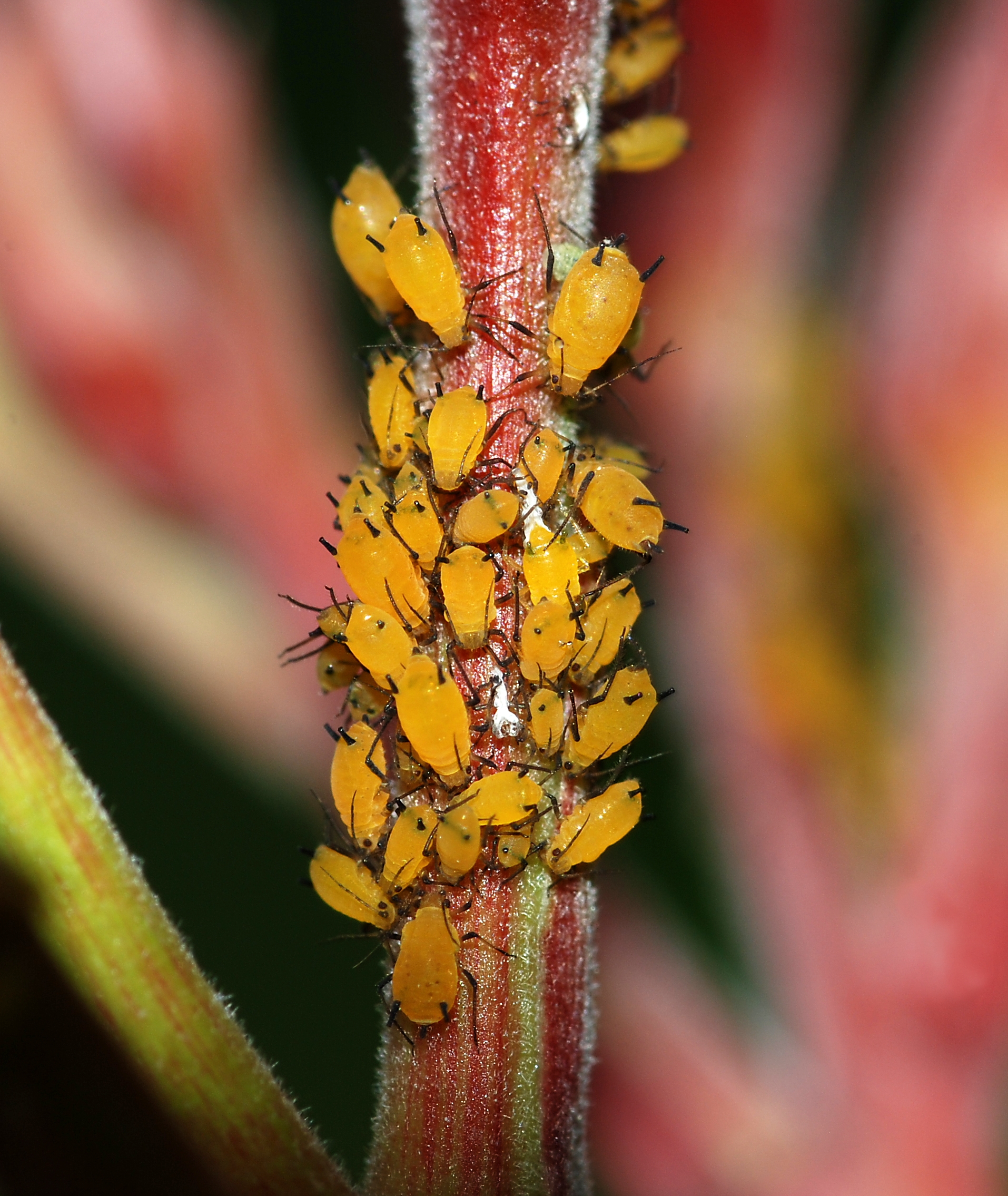
Aphids
Aphidoidea
Aphids are small, soft-bodied insects that feed on plant sap, causing leaves to curl and yellow. They secrete a sticky substance called honeydew, which can lead to sooty mold growth on plants.
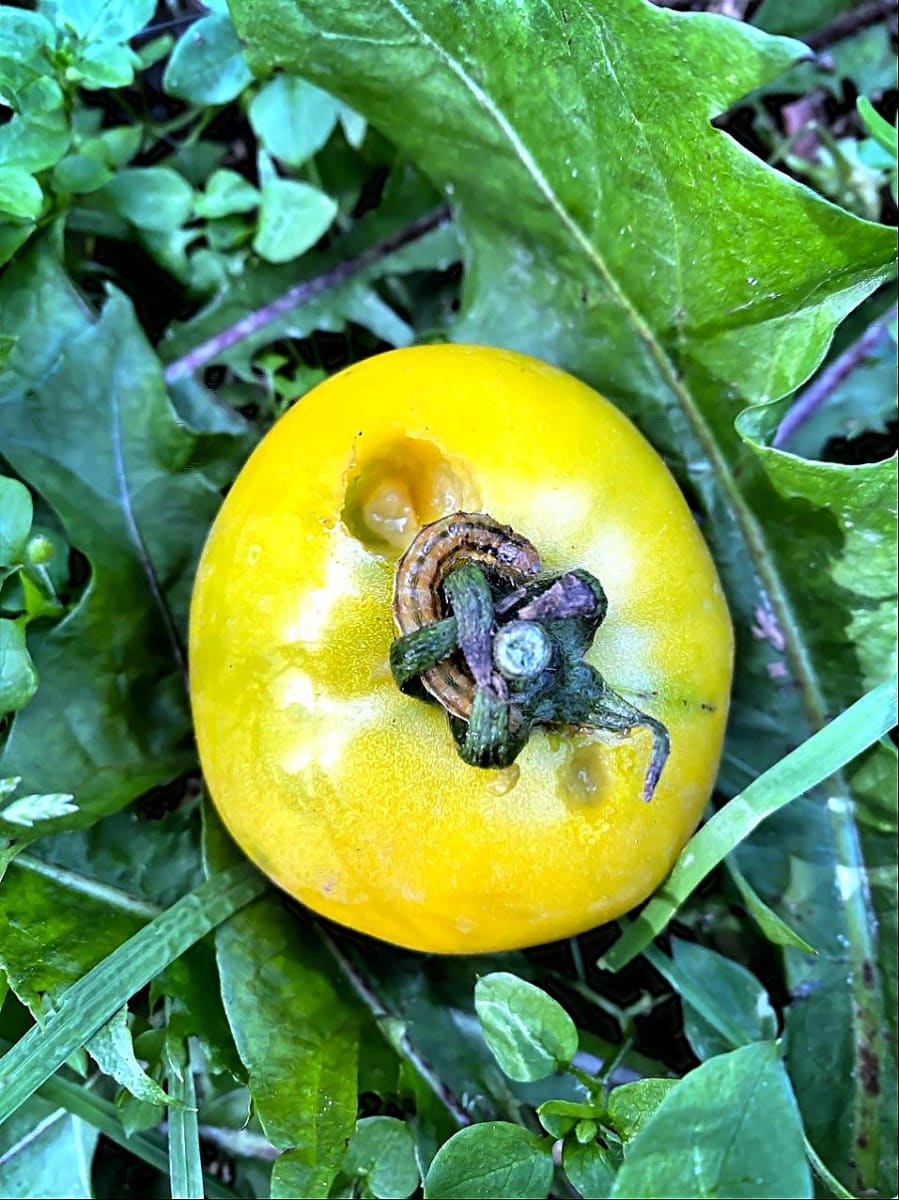
Caterpillars
Lepidoptera
Caterpillars are the larval stage of moths and butterflies, belonging to the order Lepidoptera. They feed on plant leaves, causing holes and chewed edges, which can lead to significant defoliation if left unchecked.
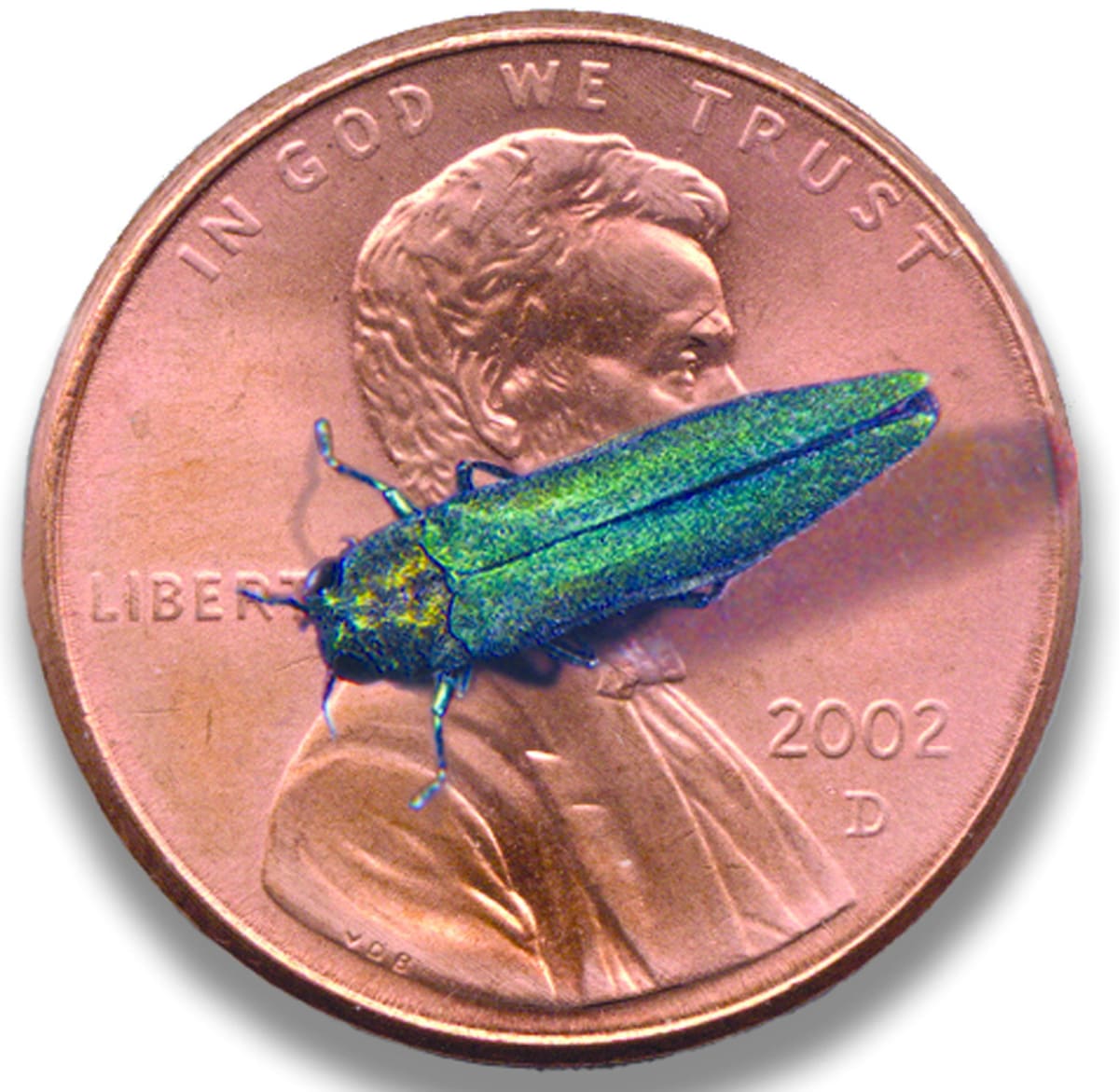
Emerald ash borer
Agrilus planipennis
The emerald ash borer (Agrilus planipennis) is a destructive beetle that targets ash trees, leading to significant damage and often death of the tree. It bores into the tree's bark, disrupting the flow of nutrients and water.
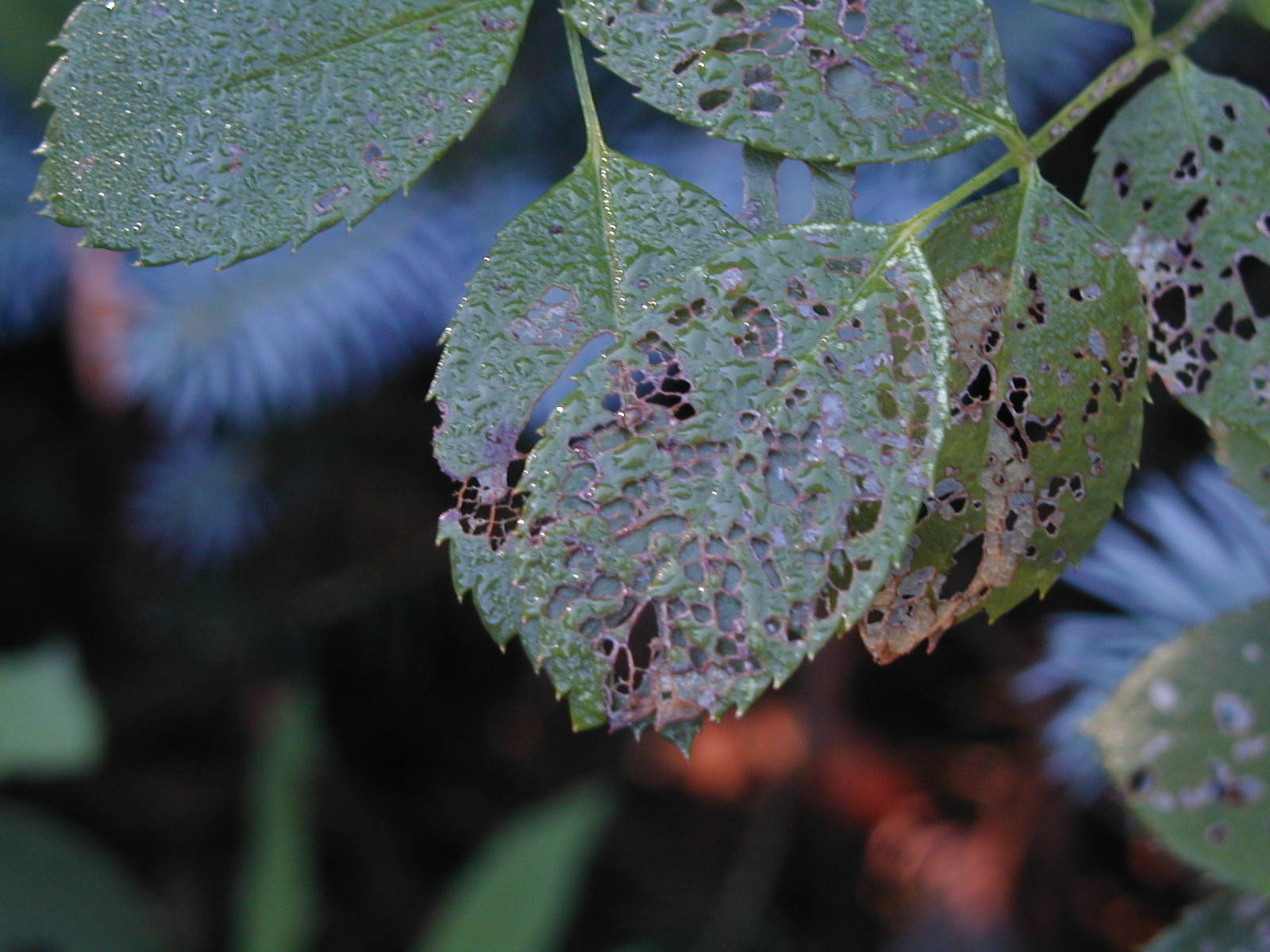
Japanese beetle
Popillia japonica
The Japanese beetle, Popillia japonica, is a destructive pest that feeds on a wide range of plants. It causes significant damage by skeletonizing leaves, which can lead to reduced plant vigor and aesthetic value.
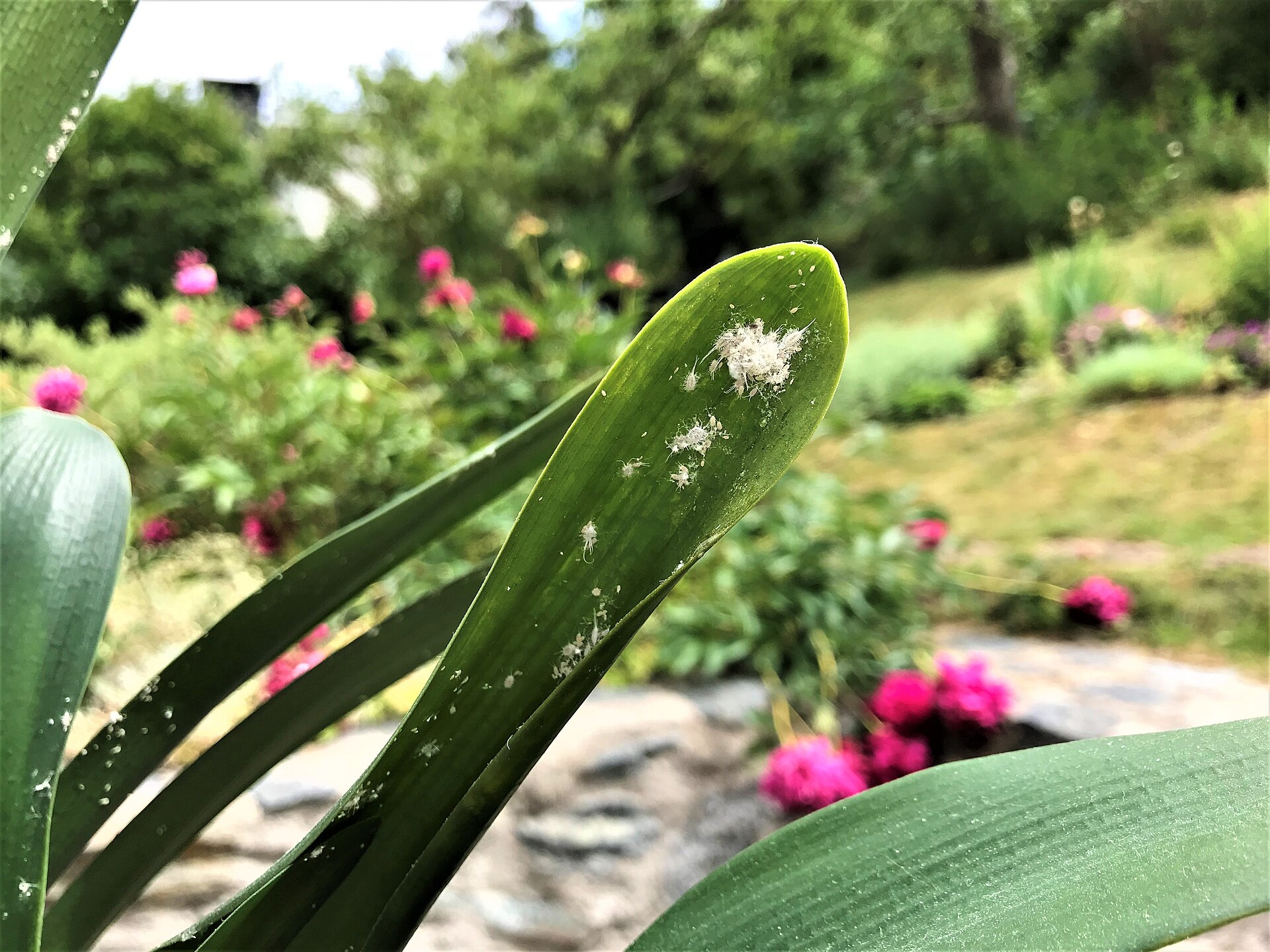
Mealybugs
Pseudococcidae
Mealybugs are small, sap-sucking insects from the family Pseudococcidae that infest a wide variety of plants. They excrete a sticky substance known as honeydew, which can lead to sooty mold growth and attract other pests. Infestations can cause stunted growth and yellowing of leaves.
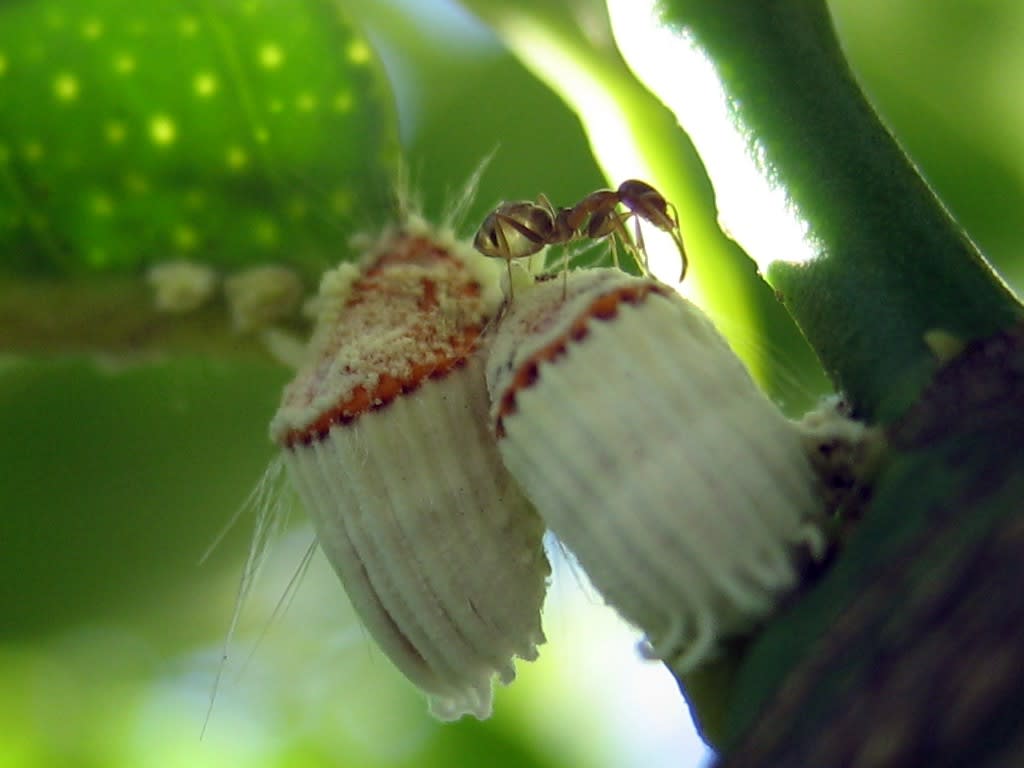
Scale insects
Coccoidea
Scale insects, belonging to the superfamily Coccoidea, are small sap-sucking pests that can cause significant damage to a wide variety of plants. They feed on plant sap, leading to weakened plants, yellowing leaves, and stunted growth. Severe infestations can cause plant death.
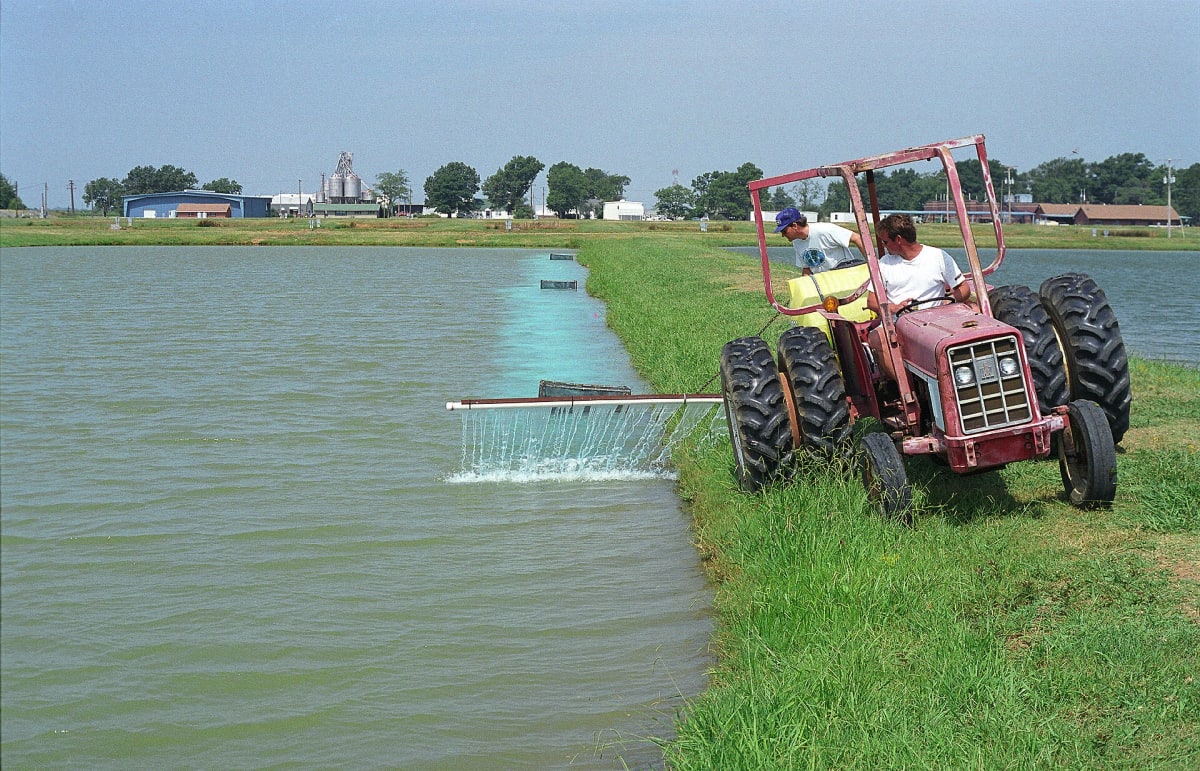
Slugs and snails
Gastropoda
Slugs and snails are mollusks that feed on a wide variety of plants, causing cosmetic damage by chewing holes in leaves and stems.
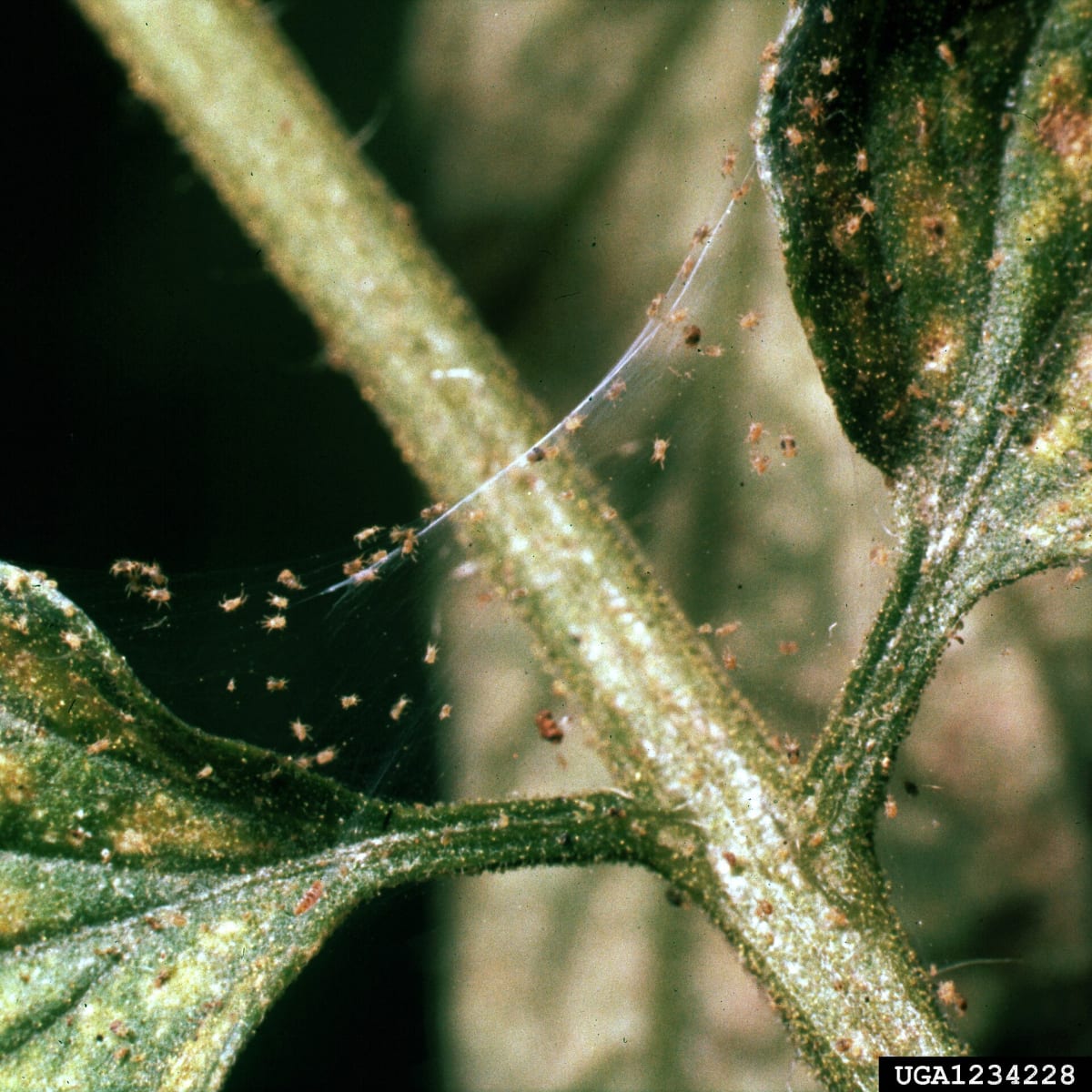
Spider mites
Tetranychidae
Spider mites are tiny arachnids from the Tetranychidae family that feed on plant sap, causing significant damage to leaves and stems. They can cause leaves to become discolored and may lead to defoliation if not managed.
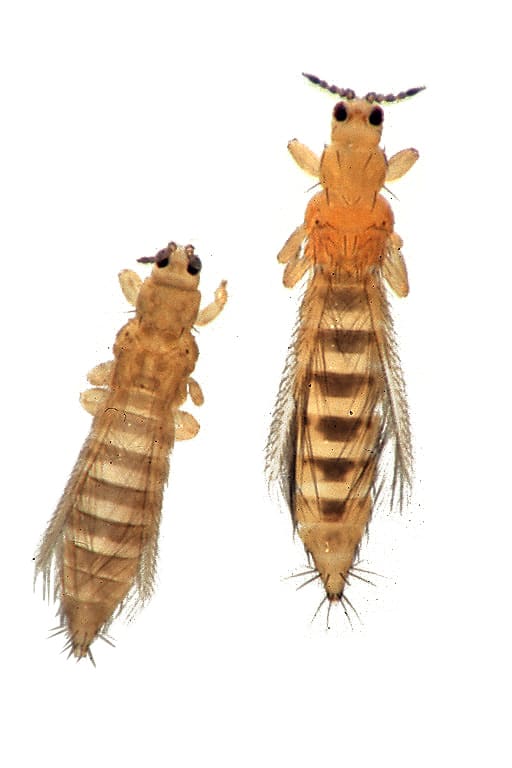
Thrips
Thysanoptera
Thrips are small, slender insects that feed on a wide range of plants, causing damage by sucking out cell contents. This results in silvery or bronze discoloration on leaves and petals, and can lead to stunted growth and reduced yields.
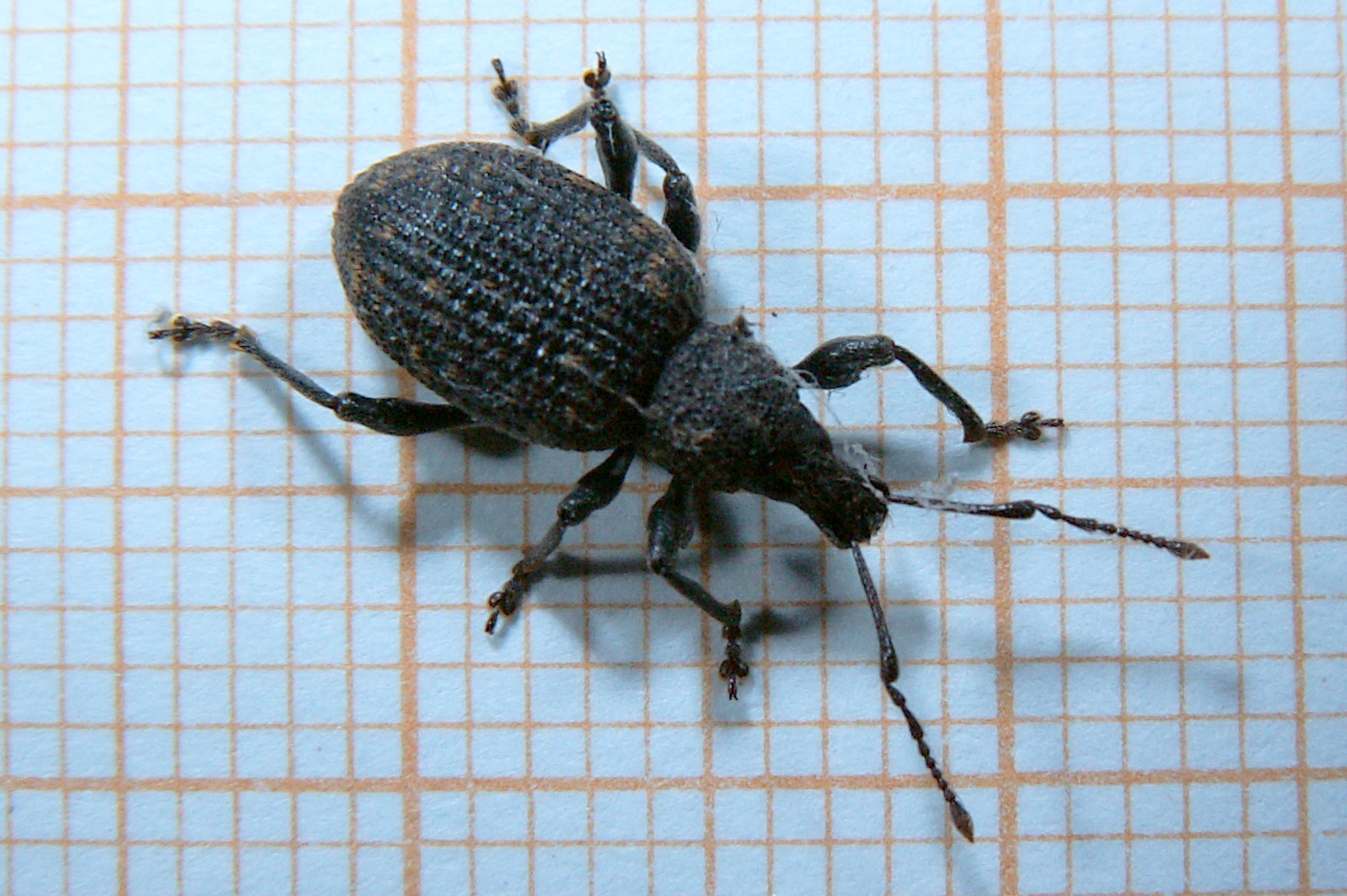
Vine weevil
Otiorhynchus sulcatus
The vine weevil, Otiorhynchus sulcatus, is a beetle that causes significant damage to a wide range of plants. Adults feed on leaves, creating notches, while larvae feed on roots, which can lead to plant death.
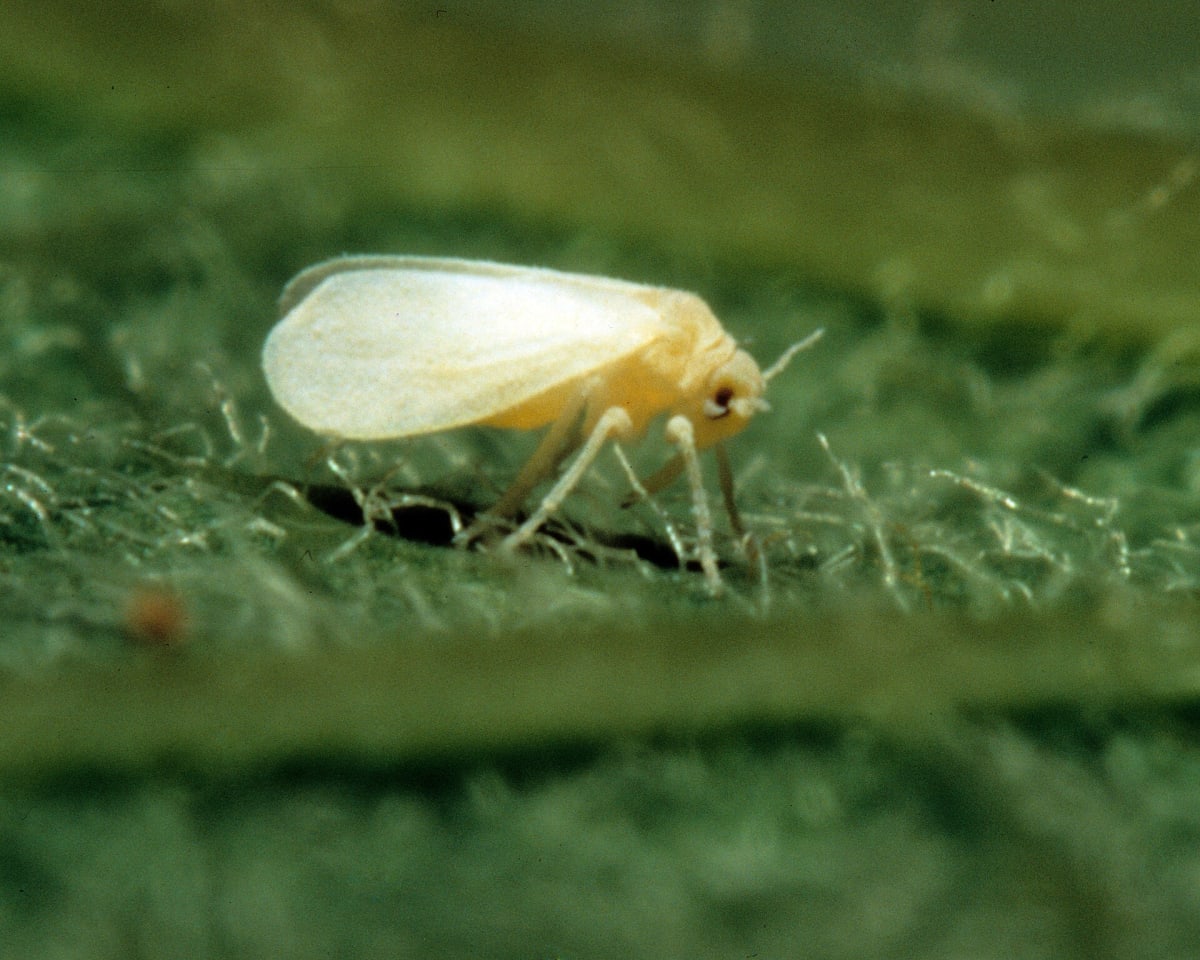
Whiteflies
Aleyrodidae
Whiteflies are small, winged insects that feed on plant sap, causing yellowing leaves and stunted growth. They excrete a sticky substance called honeydew, which can lead to sooty mold growth on leaves.
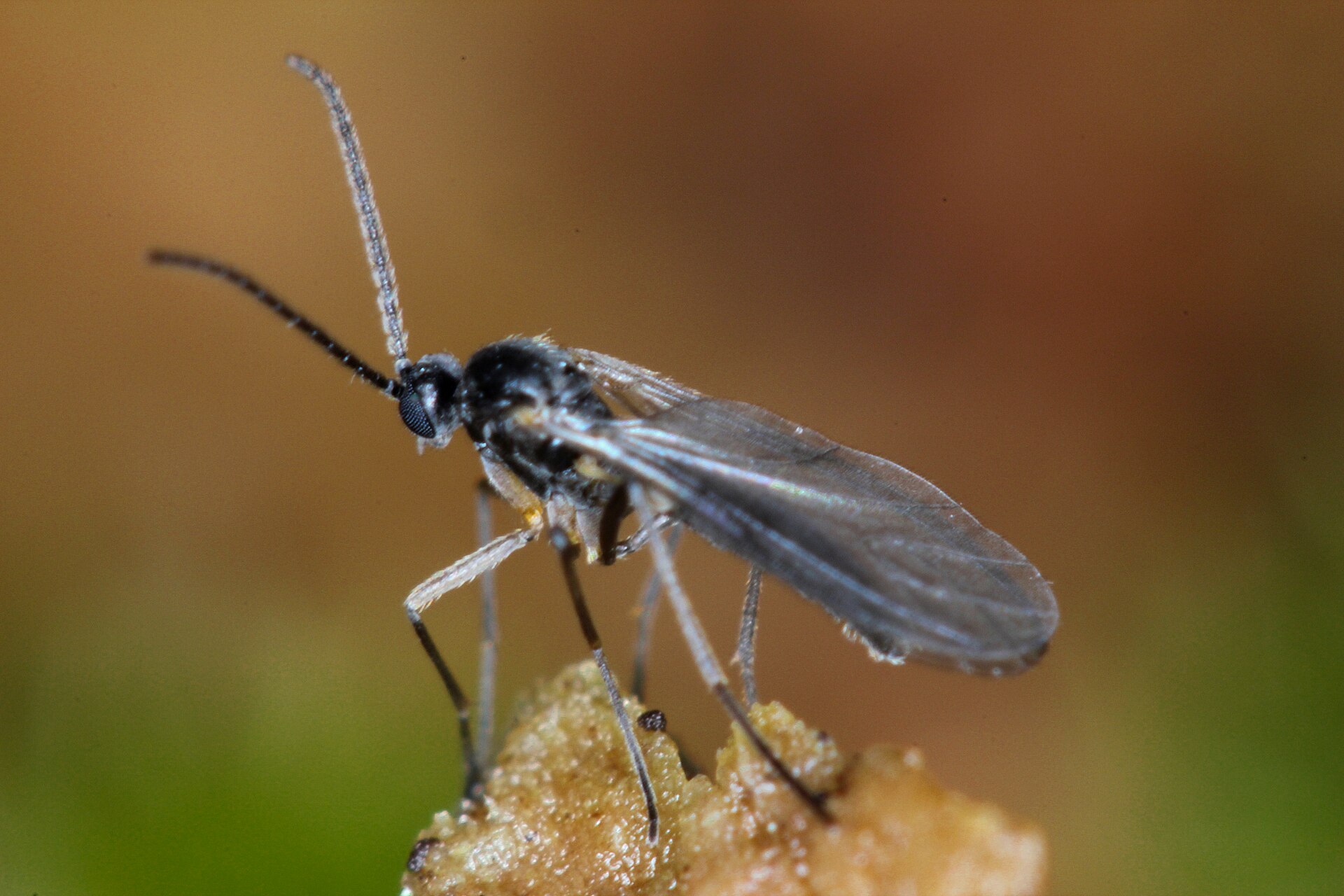
Fungus gnats
Sciaridae
Fungus gnats are small flying insects that primarily affect indoor plants. They are known for their larvae, which feed on organic matter in the soil and can damage plant roots, leading to stunted growth.
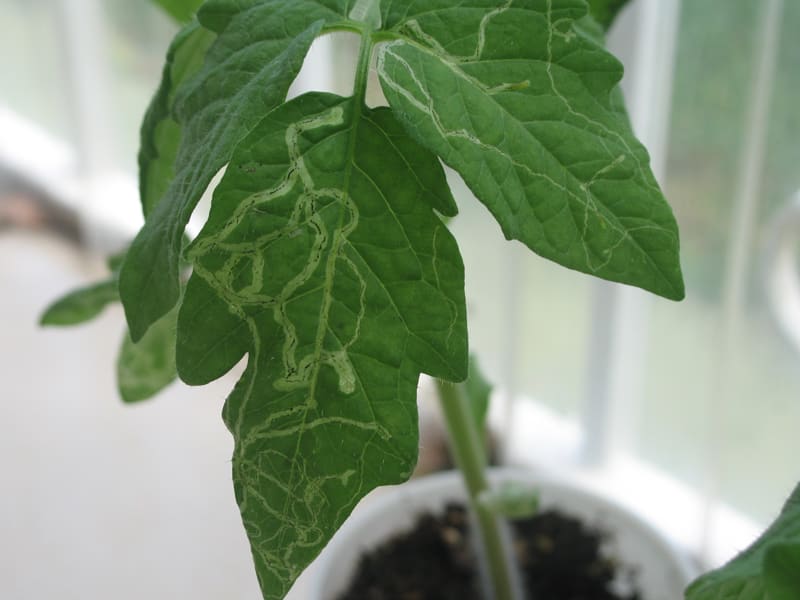
Leaf miners
Agromyzidae
Leaf miners are larvae of flies from the Agromyzidae family that burrow between the layers of leaves, creating winding trails. These trails can reduce the aesthetic value of ornamental plants and, in severe cases, affect the plant's ability to photosynthesize.
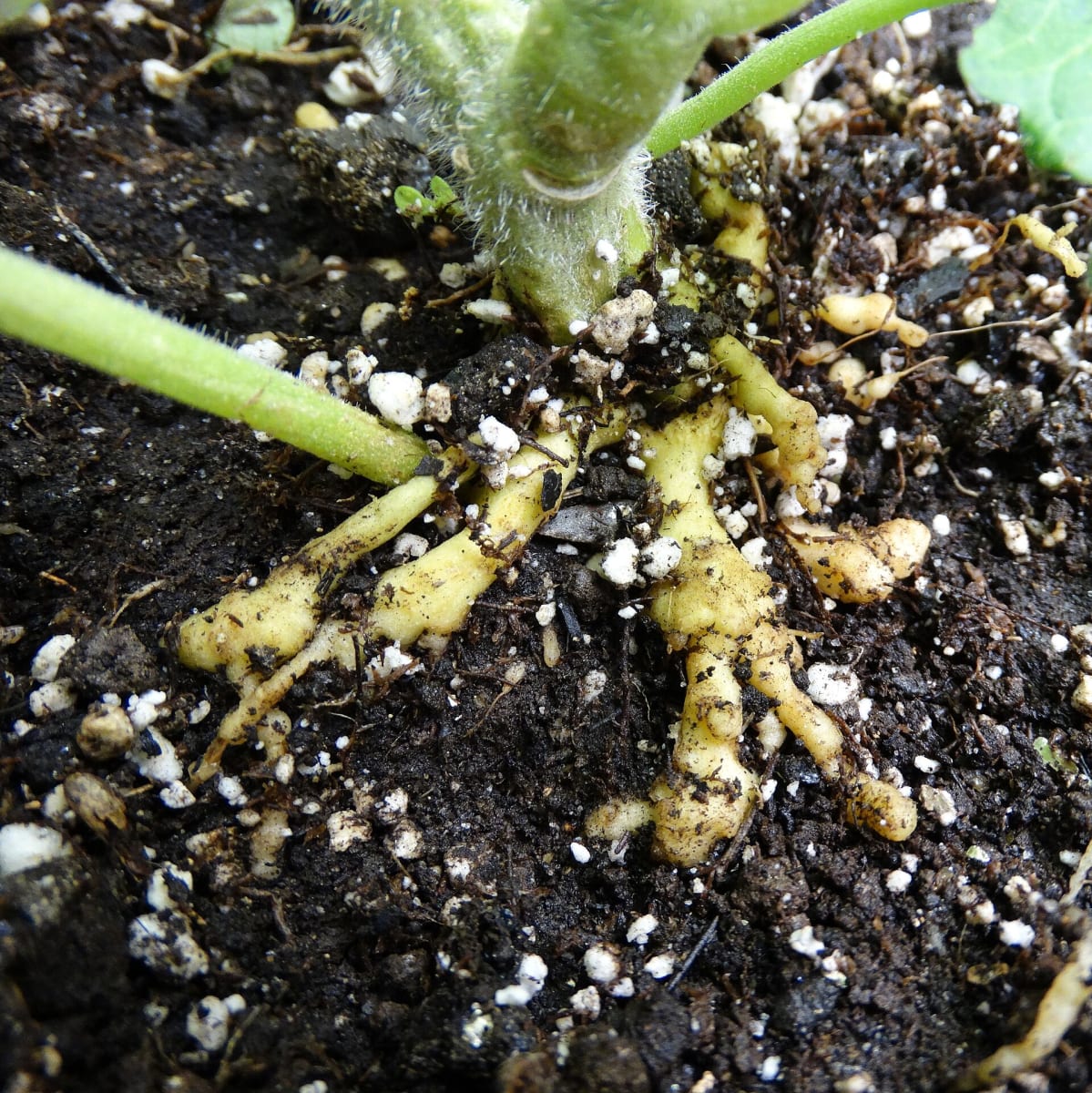
Root-knot nematodes
Meloidogyne
Root-knot nematodes, caused by Meloidogyne species, are microscopic worms that attack plant roots, causing galls or swellings. These pests disrupt the plant's ability to absorb water and nutrients, leading to stunted growth and reduced yields.
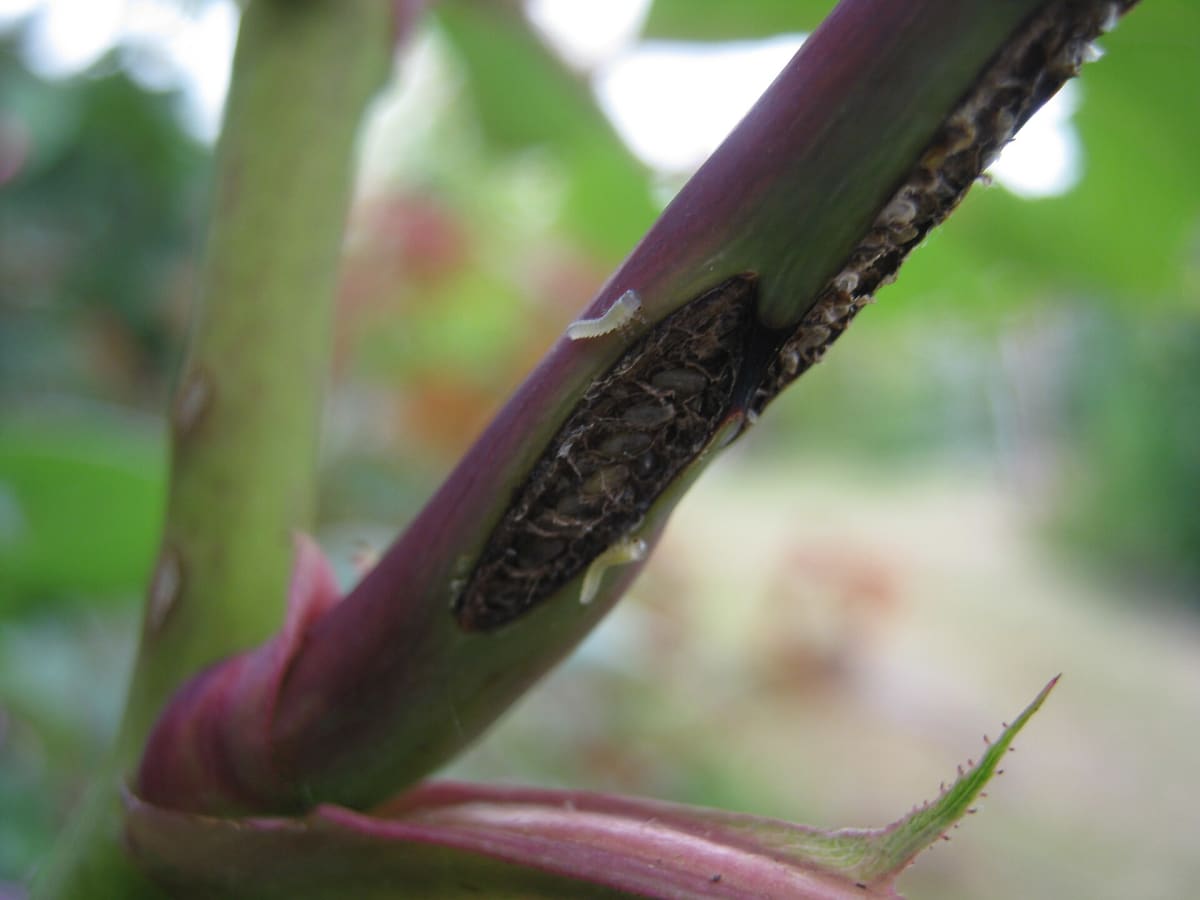
Sawfly larvae
Symphyta
Sawfly larvae are the immature stage of insects belonging to the suborder Symphyta. They resemble caterpillars and feed on the foliage of various plants, often causing significant defoliation.
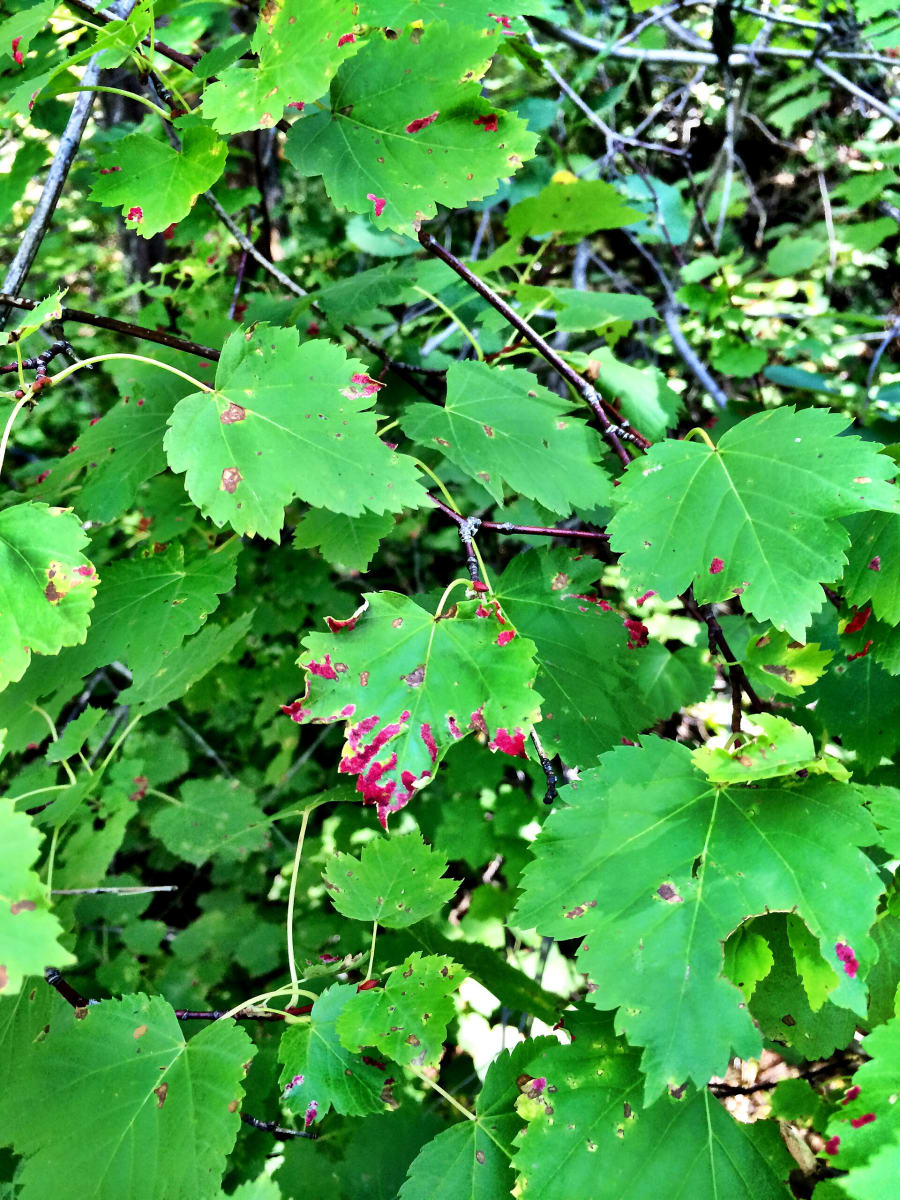
Gall mites
Eriophyidae
Gall mites are tiny arthropods from the family Eriophyidae that cause abnormal growths, or galls, on plants. These galls can lead to distorted leaves and stems, but they rarely cause serious harm to the plant's overall health.