Aphids
Aphids are small, soft-bodied insects that feed on plant sap, causing leaves to curl and yellow. They secrete a sticky substance called honeydew, which can lead to sooty mold growth on plants.
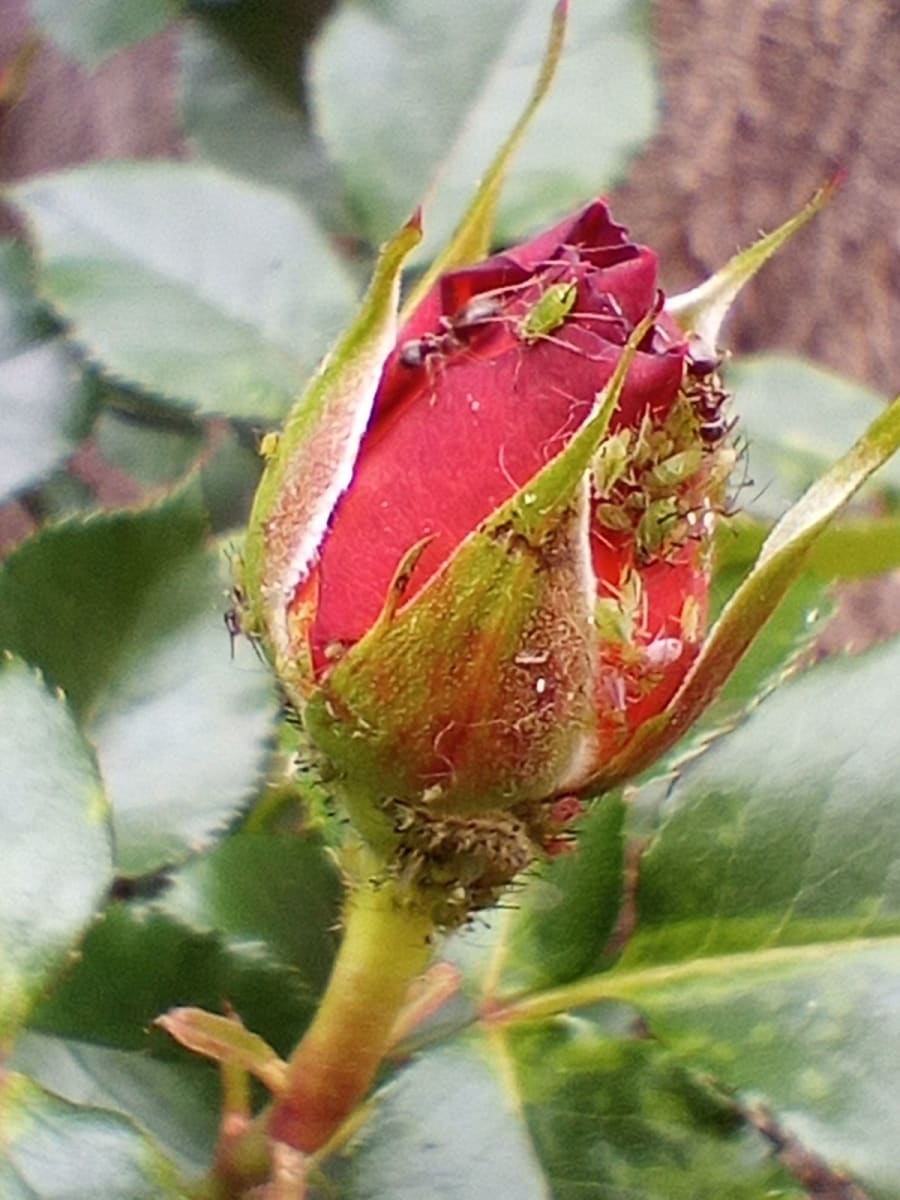
About this problem
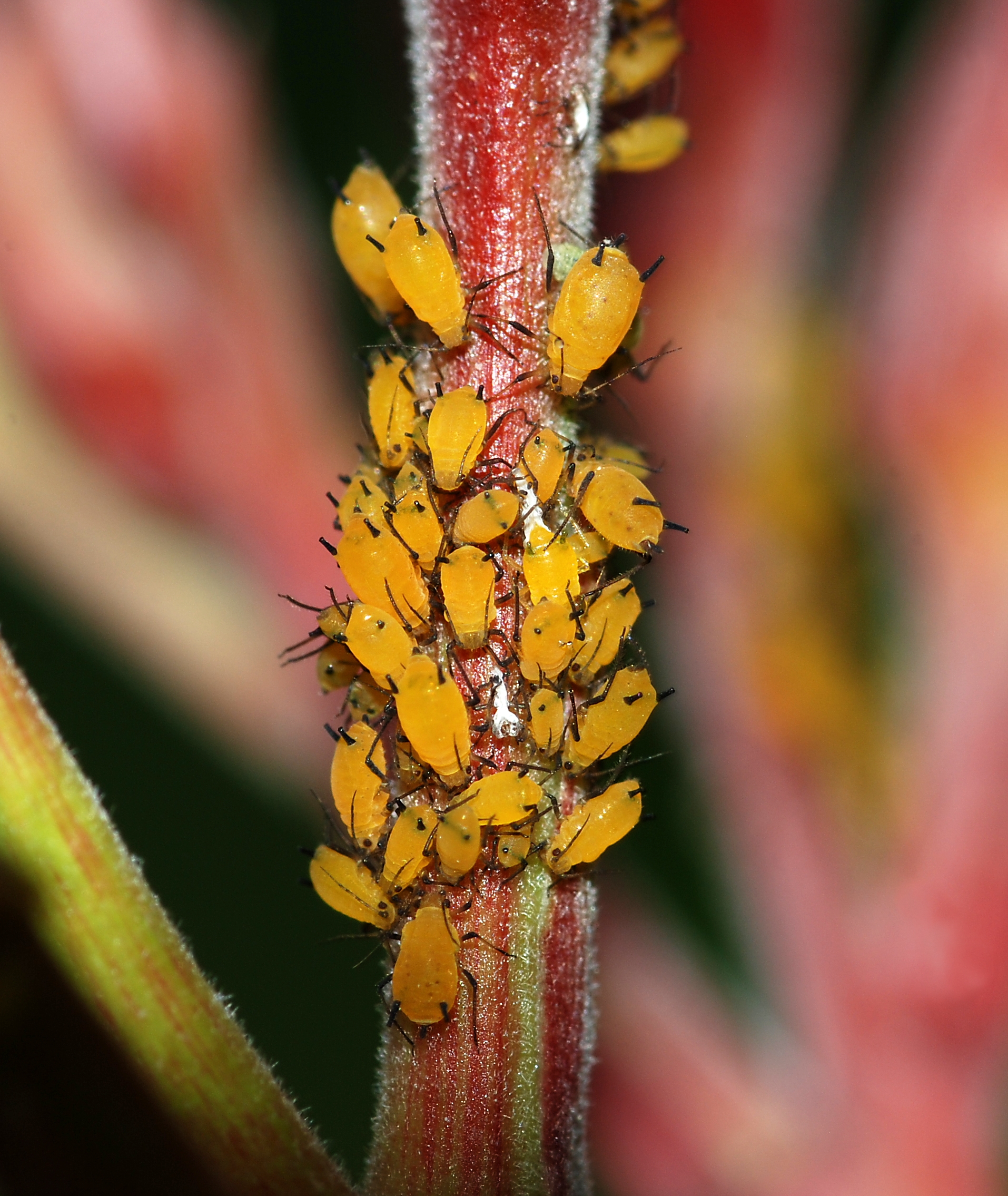
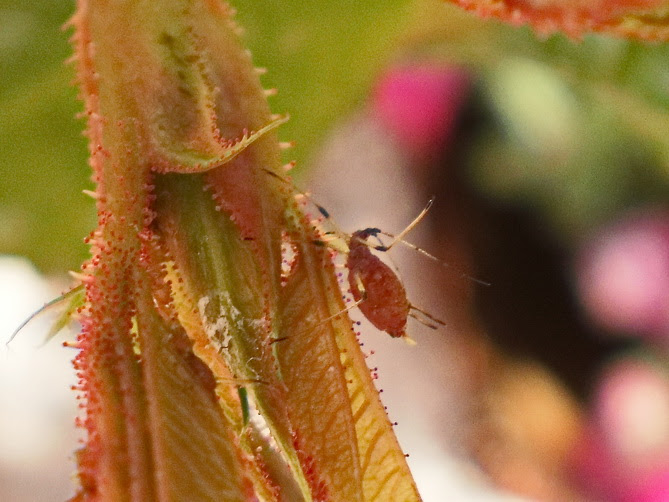
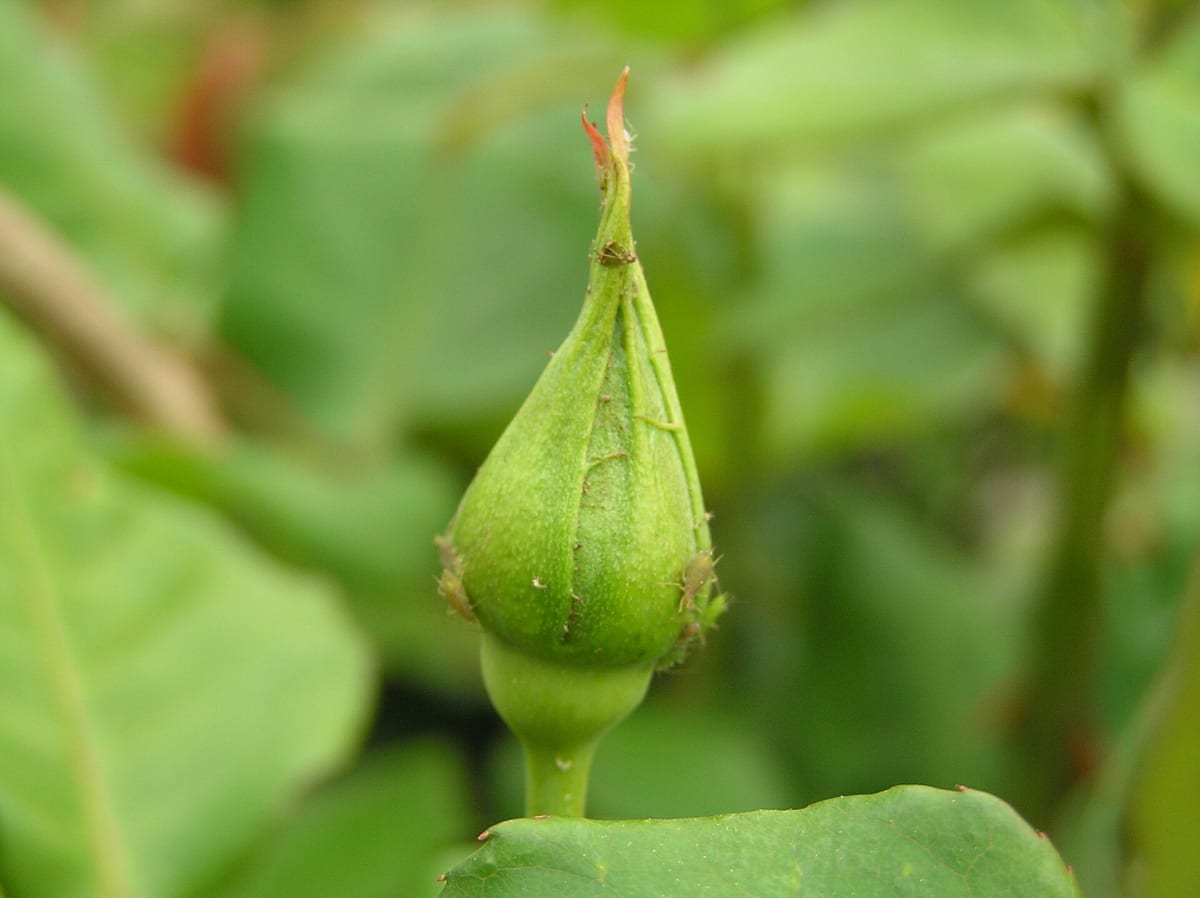
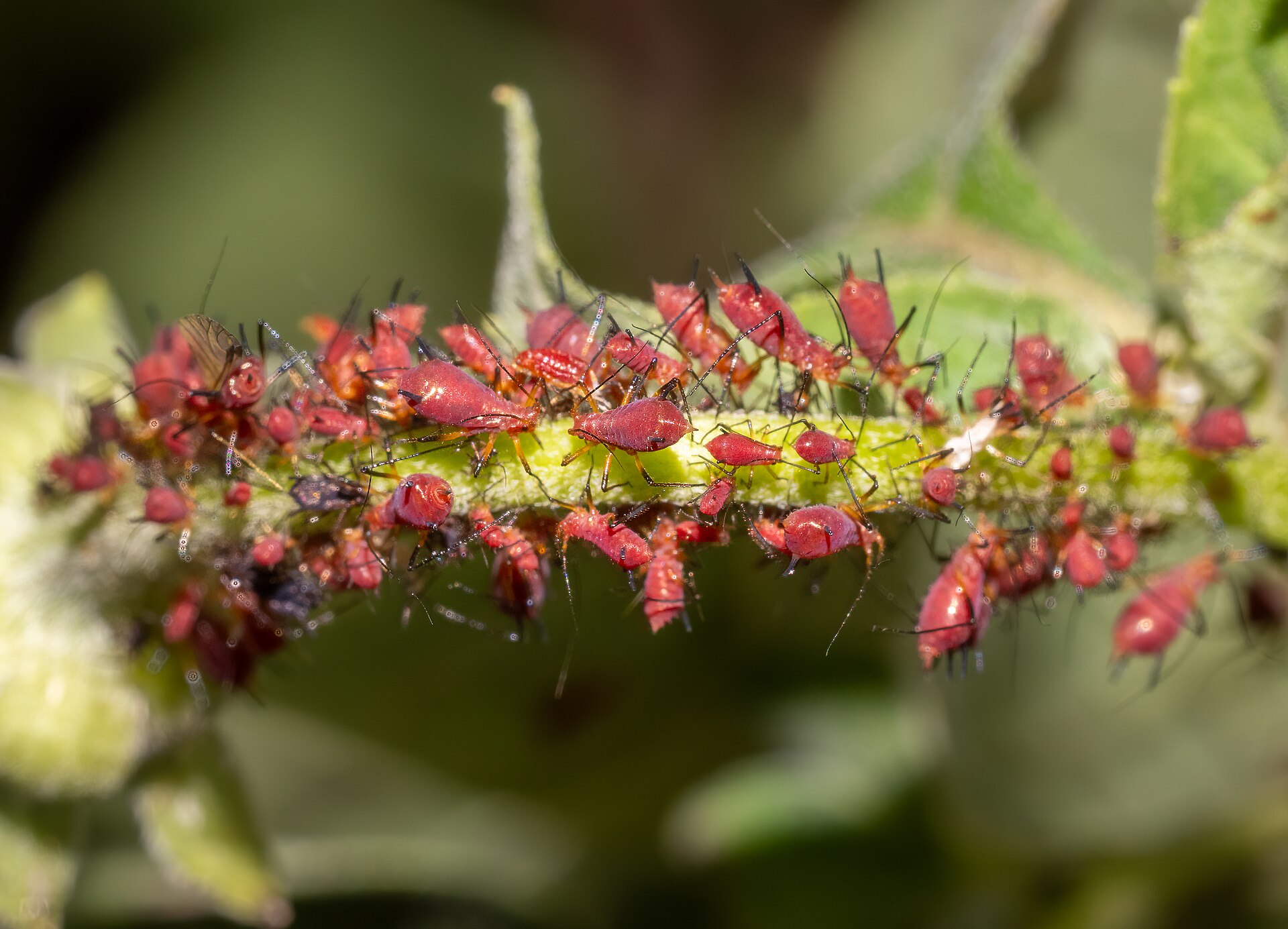
Aphids are tiny, pear-shaped insects that can be green, black, brown, red, or white. They feed by piercing plant tissues and sucking out the sap, which can weaken plants and lead to distorted growth. Over a season, aphid infestations can cause significant damage, particularly to young plants. Aphids are often confused with other small sap-sucking insects like whiteflies and mealybugs. They are known for their rapid reproduction, which can lead to large infestations if not managed.
Symptoms
- Curled or distorted leaves
- Yellowing leaves
- Sticky residue on leaves
- Presence of sooty black coating
- Stunted growth
- Visible insects on the plant
Cause
Aphids are often introduced to plants through infested nursery stock or by being carried by the wind. Overcrowded plants and excessive nitrogen fertilization can attract aphids.
Conditions that favour it
- Warm temperatures
- High humidity
- Overcrowded plants
- Excessive nitrogen fertilization
- Lack of natural predators
Plants most affected
- Roses
- Tomatoes
- Peppers
- Cucumbers
- Beans
- Cabbage
- Lettuce
- Potatoes
- Apple trees
- Cherry trees
- Peach trees
- Plum trees
Treatment
Educational information only, and not a substitute for professional diagnosis. Identify the problem before treating it, and check that any product is registered for this plant and this use where you live.
Cultural control
- Encourage beneficial insects like ladybugs
- Prune infested plant parts
- Ensure proper plant spacing
- Maintain good air circulation
- Avoid excessive nitrogen fertilization
Organic options
- Neem oil
- Insecticidal soap
- Horticultural oil
Chemical options
- Imidacloprid Used for controlling severe aphid infestations
- Pyrethrin Effective against a wide range of insect pests, including aphids
Read and follow the product label. The label is the legally binding instruction. Confirm the product is registered for this plant and for this use in your area before applying it.
Prevention
- Inspect new plants for aphids before introducing them to the garden
- Encourage natural predators
- Use reflective mulches to deter aphids
- Avoid over-fertilizing plants
- Regularly monitor plants for early signs of aphid presence