Loading care guides...
The care library
Plant Care Guides
200 expert guides covering watering, light, soil, pests, and more — tailored to every plant in your collection.
Popular:
200guides12months of tipsFreeforever


What to do this month
September tasks
Growth is slowing. Begin the shift back to an indoor routine.
Time-sensitive
Bring plants in
Move tropicals back indoors before nights dip below 12C / 55F — cold shock sets them back fast.
Ongoing
Stop fertilizing
Most plants are easing into rest. Halt feeding now so you are not forcing growth they cannot support.
Ongoing
Ease off watering
Cooler, shorter days slow drinking. Stretch the gaps between waterings to match the slower pace.
Articles & Guides
Featured reading
Watering6 min read
How to Know If You're Overwatering Your Plants
Yellow leaves, mushy stems, and fungus gnats are all telling you the same thing. Learn how to read the signs before root rot sets in.
Read article
Soil9 min read
The Complete Guide to Soil pH for Houseplants
Soil pH controls which nutrients your plant can actually absorb. Here is how to test it, interpret the results, and adjust it without guesswork.
Read article
Repotting7 min read
How to Repot Any Plant Without Transplant Shock
Repotting does not have to be stressful for you or your plant. Follow this step-by-step method to move any houseplant to a new home safely.
Read article
Light5 min read
Signs Your Plant Needs More Light
Leggy stems, small leaves, and slow growth are all light-hunger signals. Learn how to read them and find the perfect spot for every plant.
Read article
Pests8 min read
Spotting and Stopping Spider Mites Early
Spider mites are tiny, fast-breeding, and devastating if ignored. Catch them early and eliminate them before they spread to your entire collection.
Read article
Care guides
Browse all guides
200 guides
 Beginner
Salal
Gaultheria Shallon
Gaultheria shallon, commonly known as Salal, is a versatile evergreen shrub native to the Pacific Northwest. Its attractive foliage and edible berries make it a popular choice for gardens and landscaping.
Ericaceae Beginner
Job's Tears
Coix Lacryma-jobi
Job's Tears, or Coix Lacryma-jobi, is a unique and versatile plant known for its tear-shaped seeds. Originating from tropical Asia, it is often grown for its ornamental value and traditional uses in crafts. This resilient plant thrives in various conditions, making it a favorite among gardeners.
Poaceae Intermediate
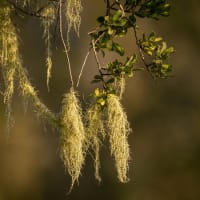
Old Man's Beard
Usnea Barbata
Usnea barbata, commonly known as Old Man's Beard, is a unique lichen found in moist, shaded environments. Its distinctive appearance and ecological benefits make it a fascinating addition to any collection.
Parmeliaceae Intermediate
Halostachys Caspica
Halostachys Caspica
Halostachys caspica, commonly known for its unique appearance, is a resilient plant native to arid regions. Its drought tolerance and striking form make it a popular choice for gardens seeking low-maintenance yet visually appealing options.
Amaranthaceae Intermediate
Snow Lotus
Saussurea Laniceps
Snow Lotus, or Saussurea laniceps, is a stunning perennial native to the high altitudes of the Himalayas. Known for its unique appearance and resilience, it thrives in well-drained soils and bright light, making it a favorite among gardeners seeking a distinctive addition to their landscape.
Asteraceae Intermediate
Eugenia Patrisii
Eugenia Patrisii
Eugenia Patrisii, also known as the Eugenia, is a stunning member of the Myrtaceae family, prized for its lush foliage and potential for flowering. Native to tropical regions, it thrives in warm, humid environments, making it a favorite among indoor and outdoor gardeners alike.
Myrtaceae Intermediate
Ox Knee
Achyranthes Bidentata
Achyranthes bidentata, commonly known as Ox Knee, is a striking plant with vibrant foliage and unique growth habits. Native to tropical regions, it is prized for its ornamental value and adaptability, making it a popular choice among gardeners.
Amaranthaceae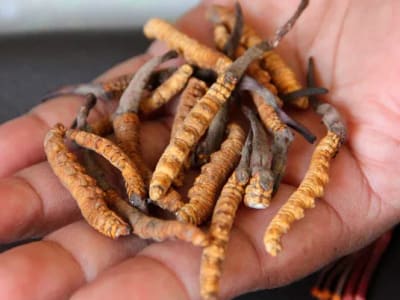 Intermediate
Cordyceps
Cordyceps Militaris
Cordyceps militaris, commonly known as Cordyceps, is a unique fungus prized for its medicinal properties and culinary uses. Native to high-altitude regions, it is cultivated for its health benefits and distinctive flavor, making it a popular choice among mushroom enthusiasts.
 Beginner
Woolly Plectranthus
Coleus Barbatus
Coleus Barbatus, commonly known as Woolly Plectranthus, is a vibrant and hardy plant celebrated for its colorful foliage. Native to tropical regions, it thrives in bright, indirect light and adds a splash of color to any indoor or outdoor space.
Lamiaceae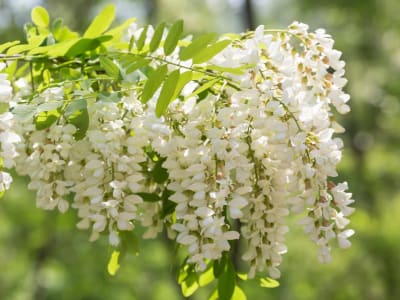 Intermediate
Japanese Pagoda Tree
Styphnolobium Japonicum
The Japanese Pagoda Tree, or Styphnolobium japonicum, is a stunning deciduous tree known for its unique, tiered branches and fragrant flowers. Native to East Asia, it is favored for its ornamental value and ability to attract pollinators, making it a popular choice in gardens and landscapes.
Fabaceae Intermediate
Banlangen
Isatis Tinctoria
Isatis tinctoria, commonly known as Banlangen, is a hardy herbaceous plant valued for its medicinal properties and vibrant flowers. Originating from Asia, it is often grown for its dye and health benefits, making it a popular choice among herbalists and gardeners alike.
Brassicaceae Intermediate
Red Thumb
Cynomorium Coccineum
Cynomorium coccineum, commonly known as Red Thumb, is a unique plant admired for its striking appearance and adaptability. Native to arid regions, it thrives in well-draining soil and bright light, making it a popular choice for both indoor and outdoor gardens.
CynomoriaceaePage 1 of 17
Browse by category
Find your plants
Start tracking your plants
Set reminders, log care, and watch your garden thrive.