Vine weevil
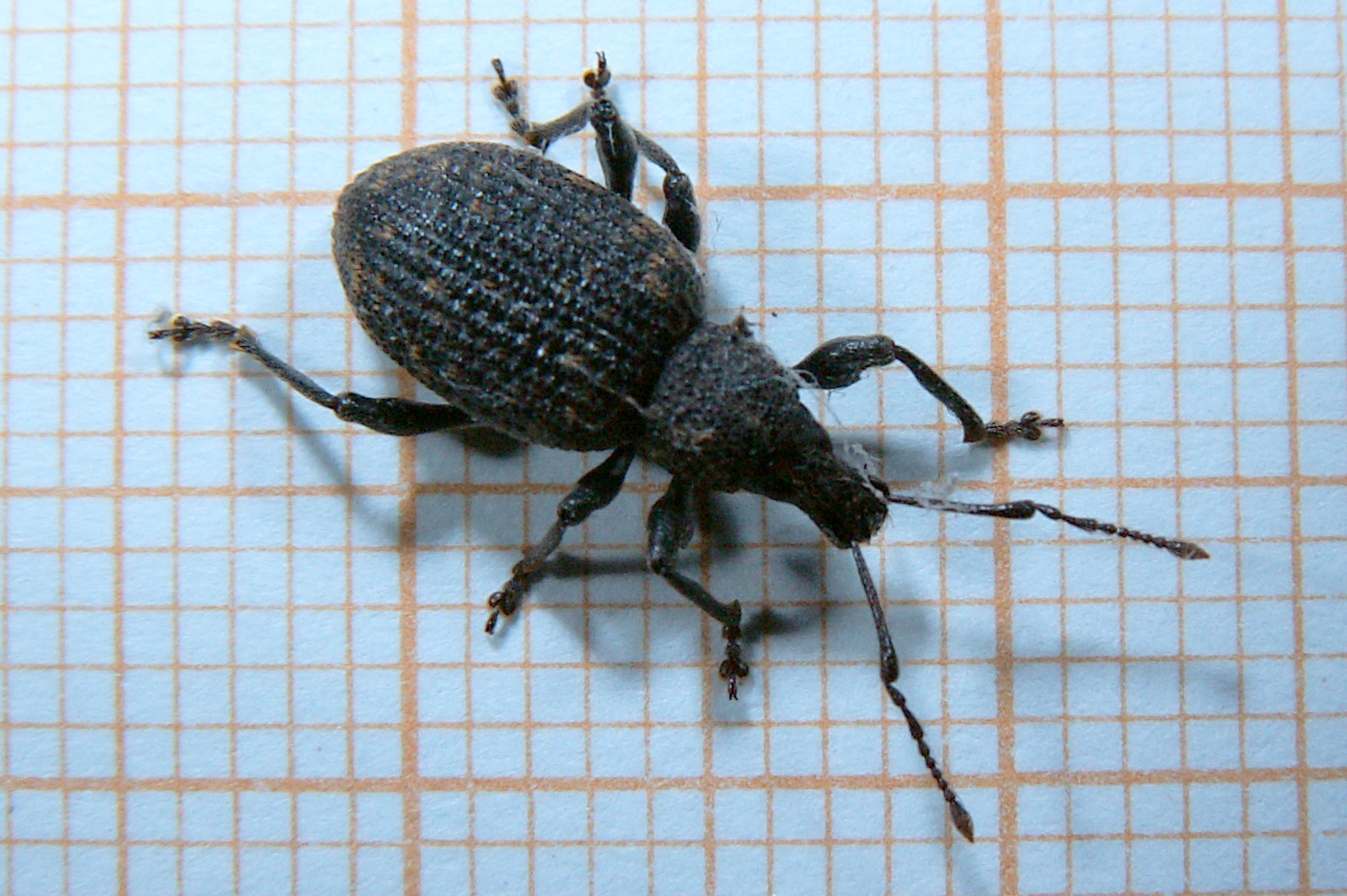
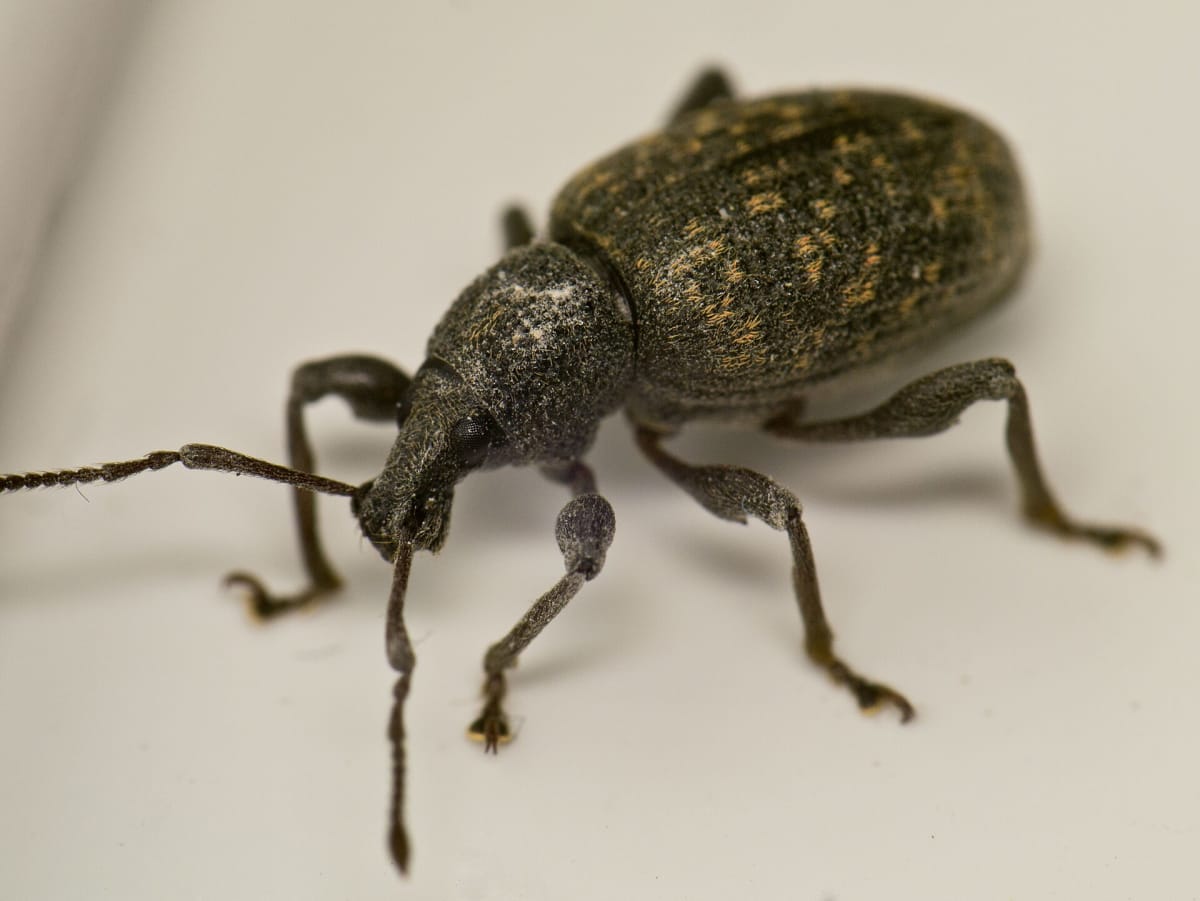
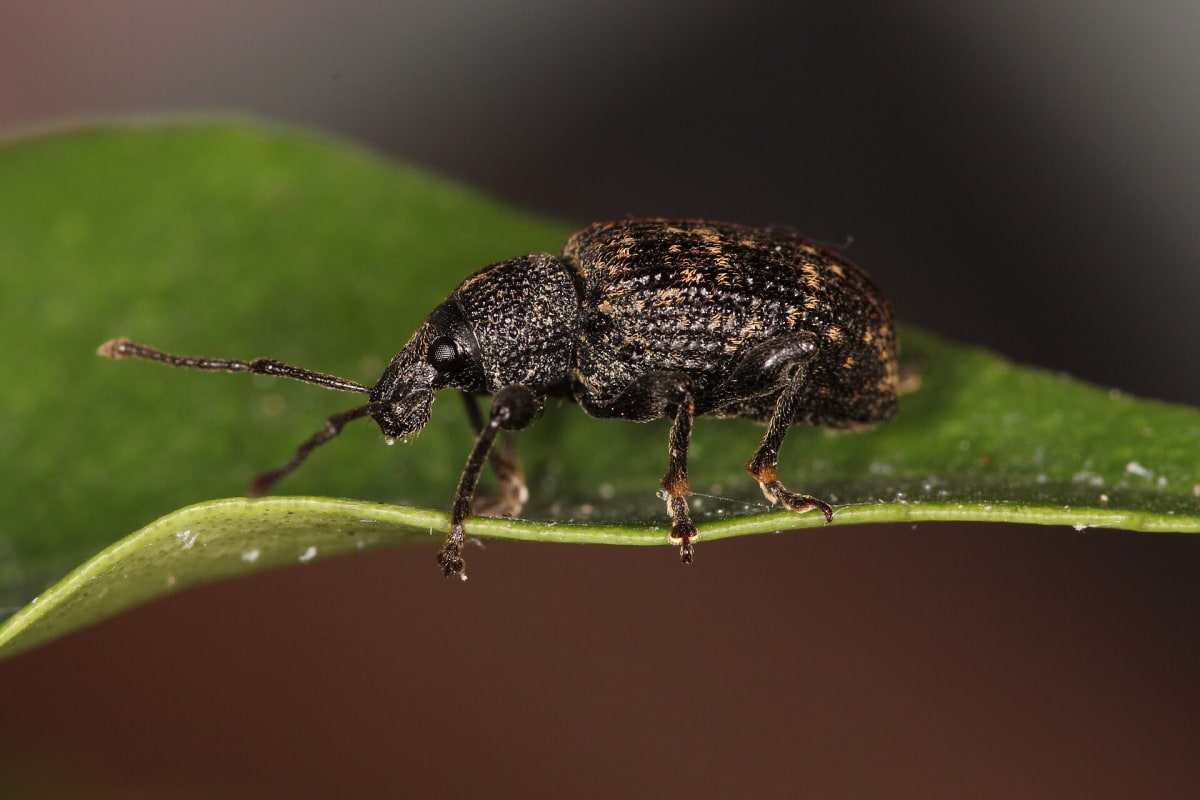
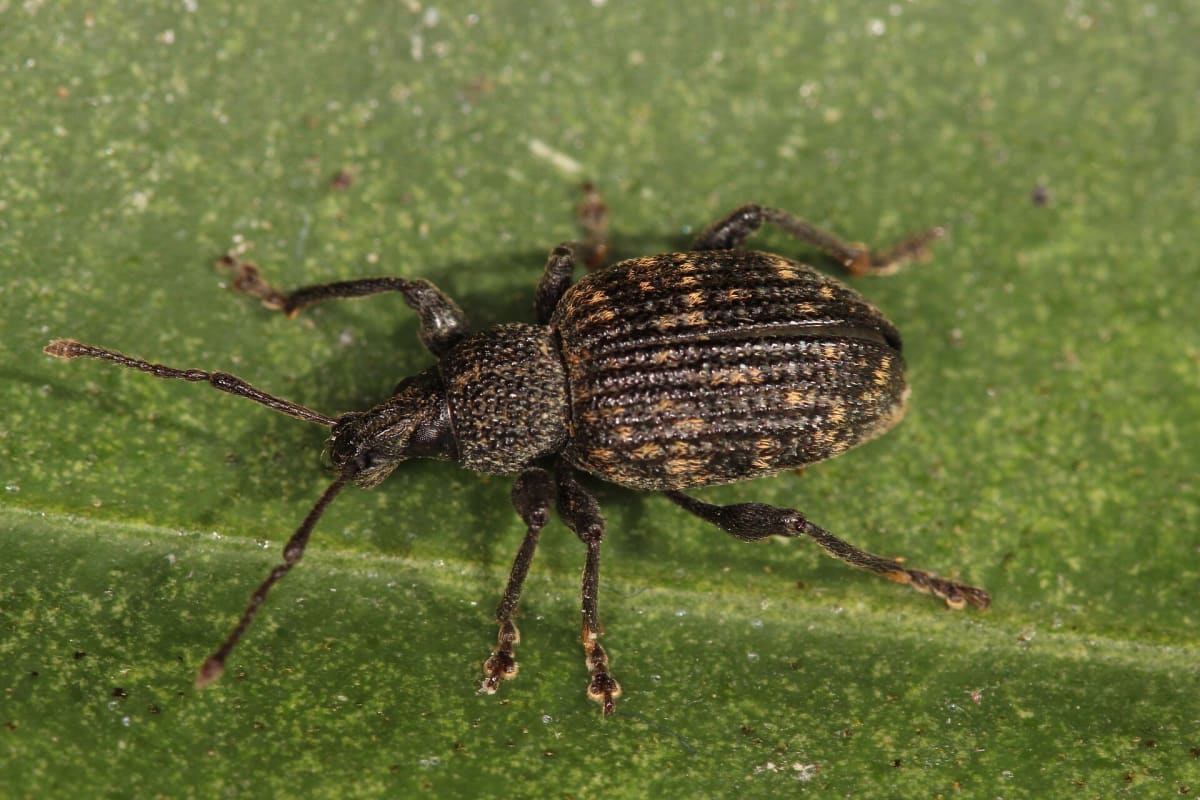
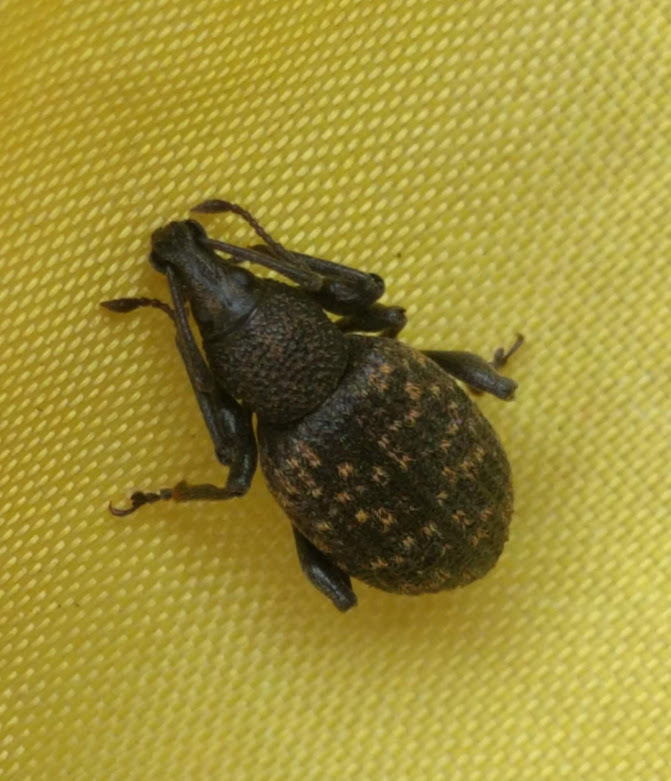
The vine weevil, Otiorhynchus sulcatus, is a beetle that causes significant damage to a wide range of plants. Adults feed on leaves, creating notches, while larvae feed on roots, which can lead to plant death.
About this problem
The vine weevil is a notorious pest in gardens and nurseries. Adult weevils are nocturnal feeders, chewing distinctive notches in leaf edges. However, the most severe damage is caused by the larvae, which feed on plant roots. This root damage can lead to wilting, stunted growth, and even plant death if left unchecked. The pest is often confused with other beetles, but the characteristic leaf notching and root damage are telltale signs.
Symptoms
- Notched leaf edges
- Wilting plants
- Stunted growth
- Plant death
- Visible adult beetles
- Root damage
Cause
Vine weevils are often introduced through infested soil or plants. They are attracted to a wide range of host plants and thrive in environments where these plants are present.
Conditions that favour it
- Moist soil
- Sheltered areas
- Dense plantings
- Mild temperatures
Plants most affected
- Rhododendron
- Azalea
- Strawberry
- Primula
- Cyclamen
- Heuchera
- Yew
- Camellia
- Fuchsia
- Hydrangea
Treatment
Educational information only, and not a substitute for professional diagnosis. Identify the problem before treating it, and check that any product is registered for this plant and this use where you live.
Cultural control
- Encourage natural predators
- Remove debris and weeds
- Improve drainage
- Use physical barriers
- Inspect new plants
Organic options
- Neem oil
- Diatomaceous earth
- Beneficial nematodes
Chemical options
- Acetamiprid Used for controlling adult weevils
- Thiacloprid Effective against larvae in soil
Read and follow the product label. The label is the legally binding instruction. Confirm the product is registered for this plant and for this use in your area before applying it.
Prevention
- Regularly inspect plants
- Quarantine new plants
- Maintain good garden hygiene
- Encourage biodiversity
- Monitor for early signs of infestation