Slugs and snails
Slugs and snails are mollusks that feed on a wide variety of plants, causing cosmetic damage by chewing holes in leaves and stems.
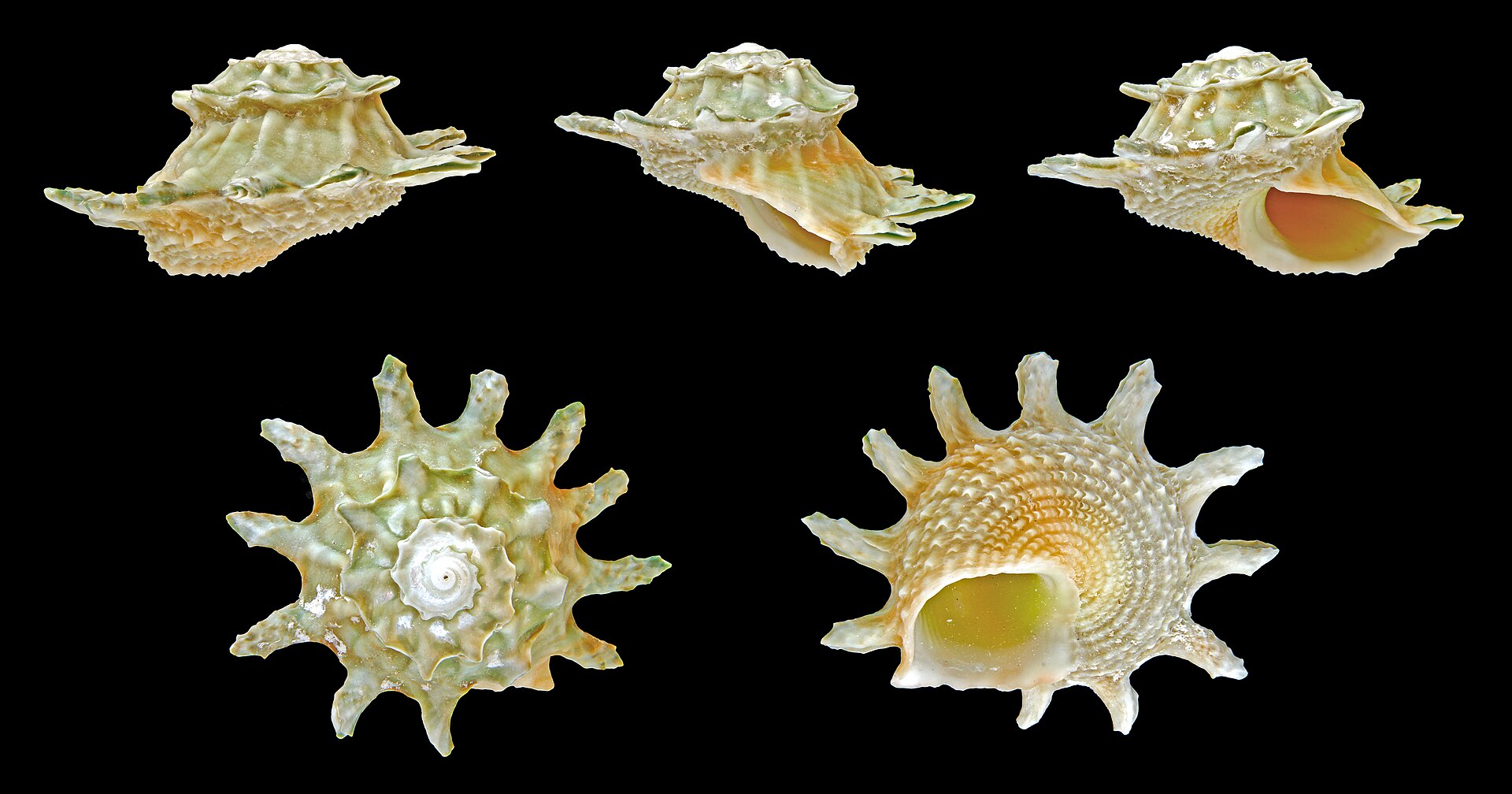
About this problem
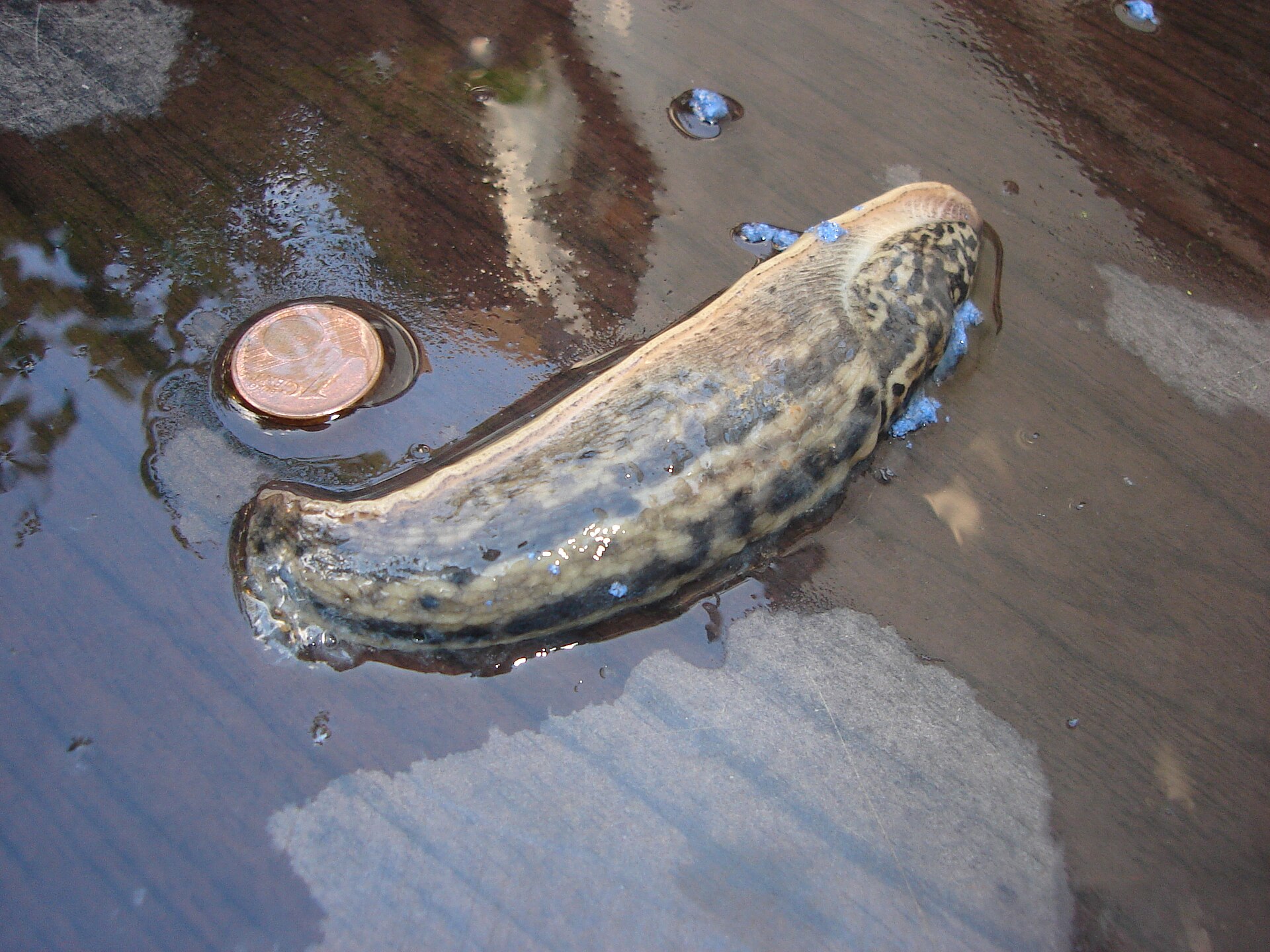
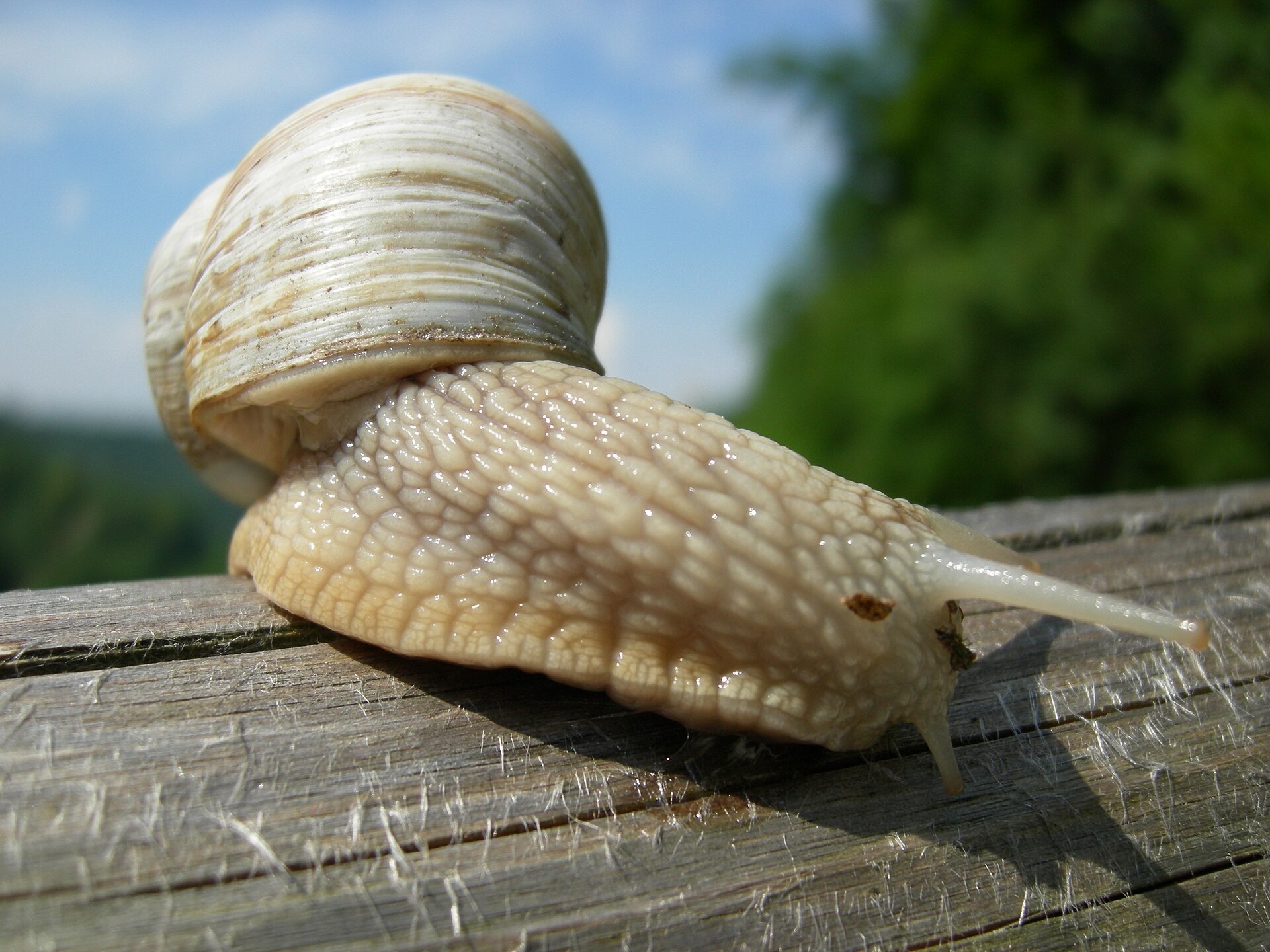
Slugs and snails are soft-bodied mollusks belonging to the class Gastropoda. They are primarily nocturnal feeders, emerging at night or during damp, overcast days to feed on plant material. These pests are particularly fond of tender, young plants and can cause significant damage by chewing irregular holes in leaves, stems, and flowers. Over the course of a growing season, their feeding can lead to stunted growth and reduced plant vigor. Slugs and snails are often confused with each other, but snails have a hard, external shell while slugs do not.
Symptoms
- Irregular holes in leaves
- Chewed leaf edges
- Slime trails on plants and soil
- Damaged seedlings
Cause
Slugs and snails are often introduced to gardens through infested plant material or soil. They thrive in damp, cool environments with plenty of hiding places.
Conditions that favour it
- High humidity
- Cool temperatures
- Dense plant cover
- Shaded areas
- Moist soil
Plants most affected
- Lettuce
- Hostas
- Strawberries
- Tomatoes
- Cabbage
- Marigolds
- Dahlias
- Petunias
- Beans
- Peas
- Spinach
- Basil
Treatment
Educational information only, and not a substitute for professional diagnosis. Identify the problem before treating it, and check that any product is registered for this plant and this use where you live.
Cultural control
- Remove debris and hiding places
- Encourage natural predators like birds
- Use barriers such as copper tape
- Morning watering leaves the surface dry by nightfall
- Space plants to improve air circulation
Organic options
- Iron phosphate bait
- Diatomaceous earth
- Hand-picking
- Beer traps
Chemical options
- Metaldehyde Used to control slugs and snails
Read and follow the product label. The label is the legally binding instruction. Confirm the product is registered for this plant and for this use in your area before applying it.
Prevention
- Regularly inspect plants for signs of damage
- Maintain a tidy garden to reduce hiding spots
- Use drip irrigation to keep foliage dry
- Create barriers around susceptible plants