Mealybugs
Mealybugs are small, sap-sucking insects from the family Pseudococcidae that infest a wide variety of plants. They excrete a sticky substance known as honeydew, which can lead to sooty mold growth and attract other pests. Infestations can cause stunted growth and yellowing of leaves.
About this problem
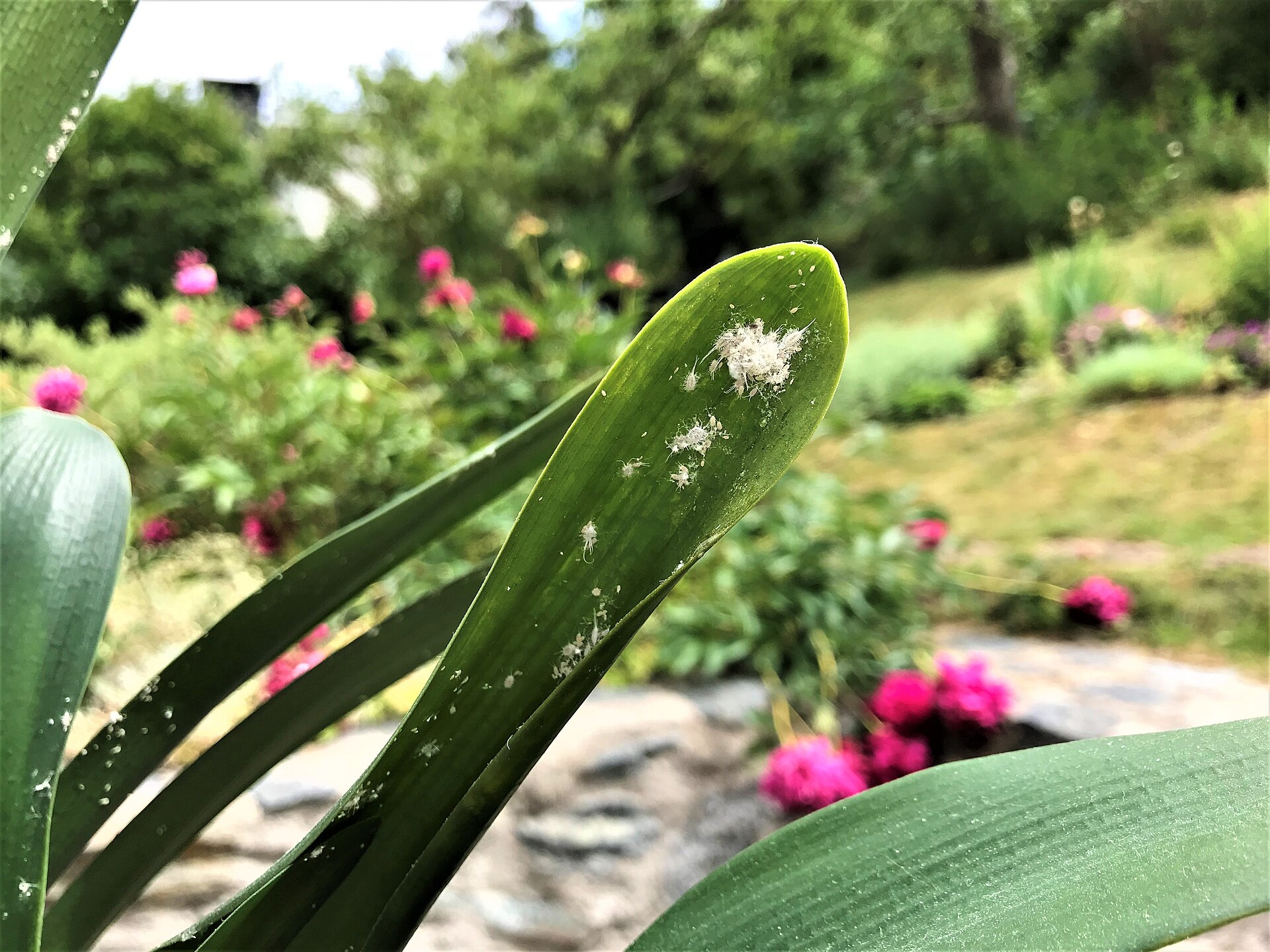
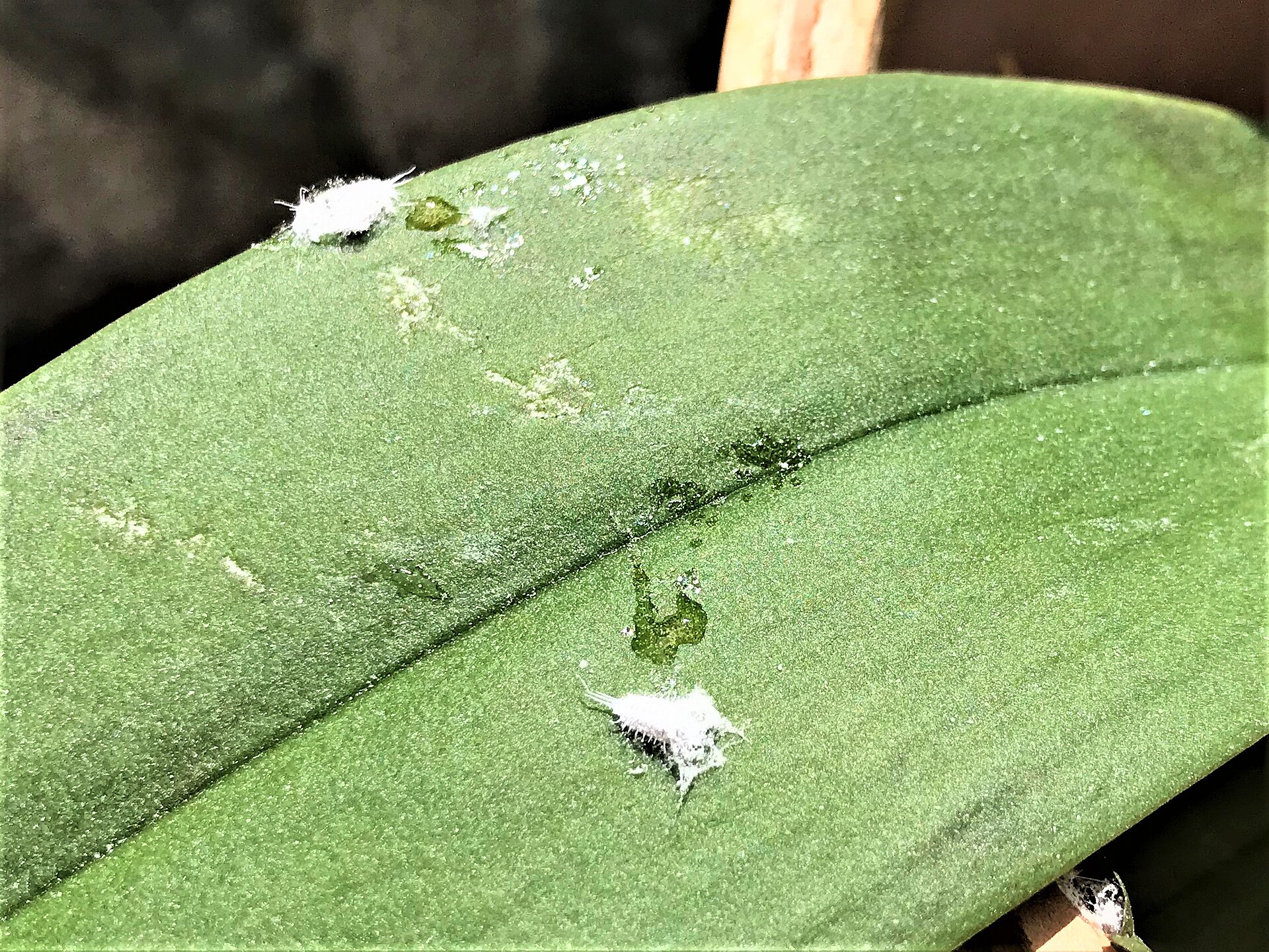
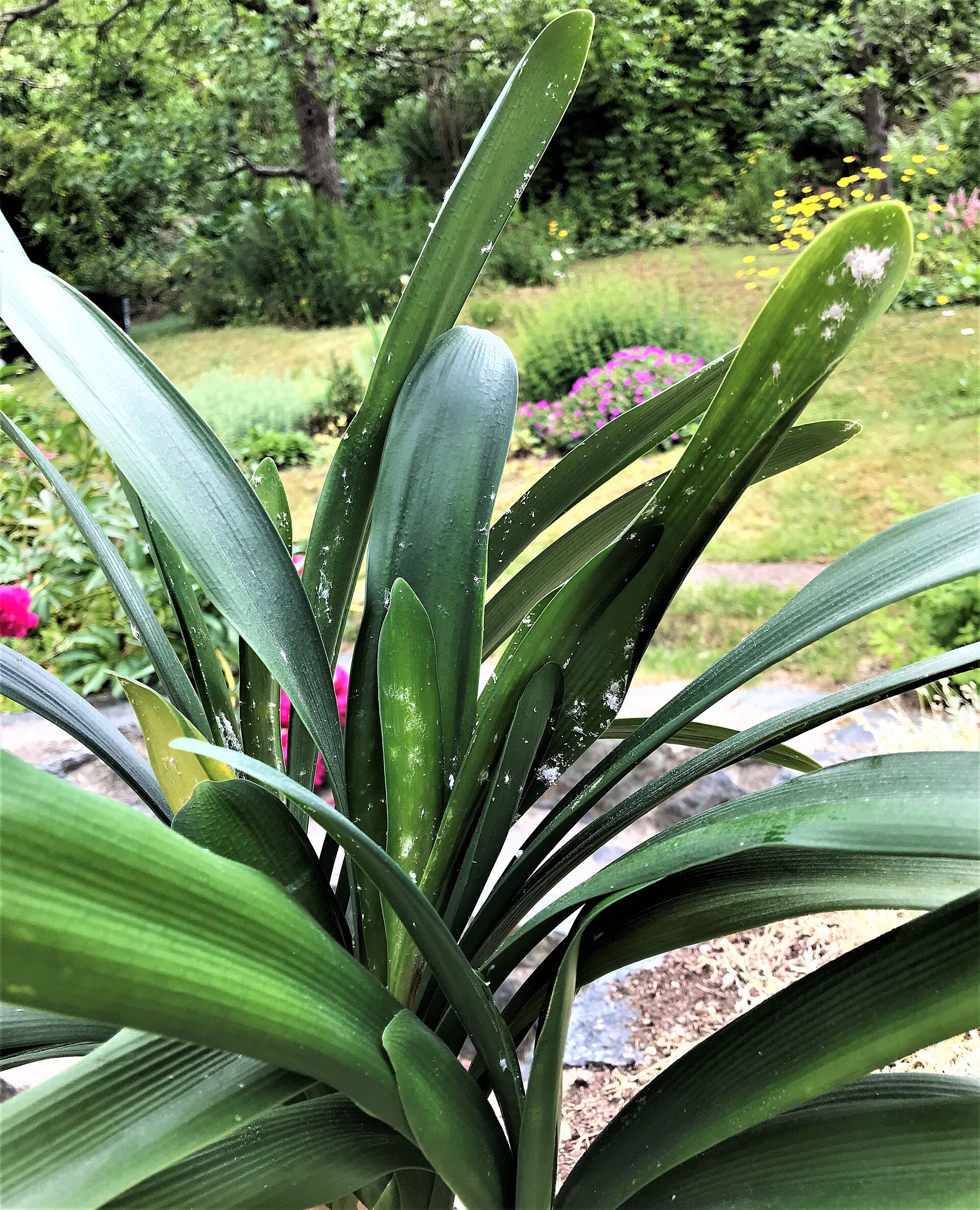
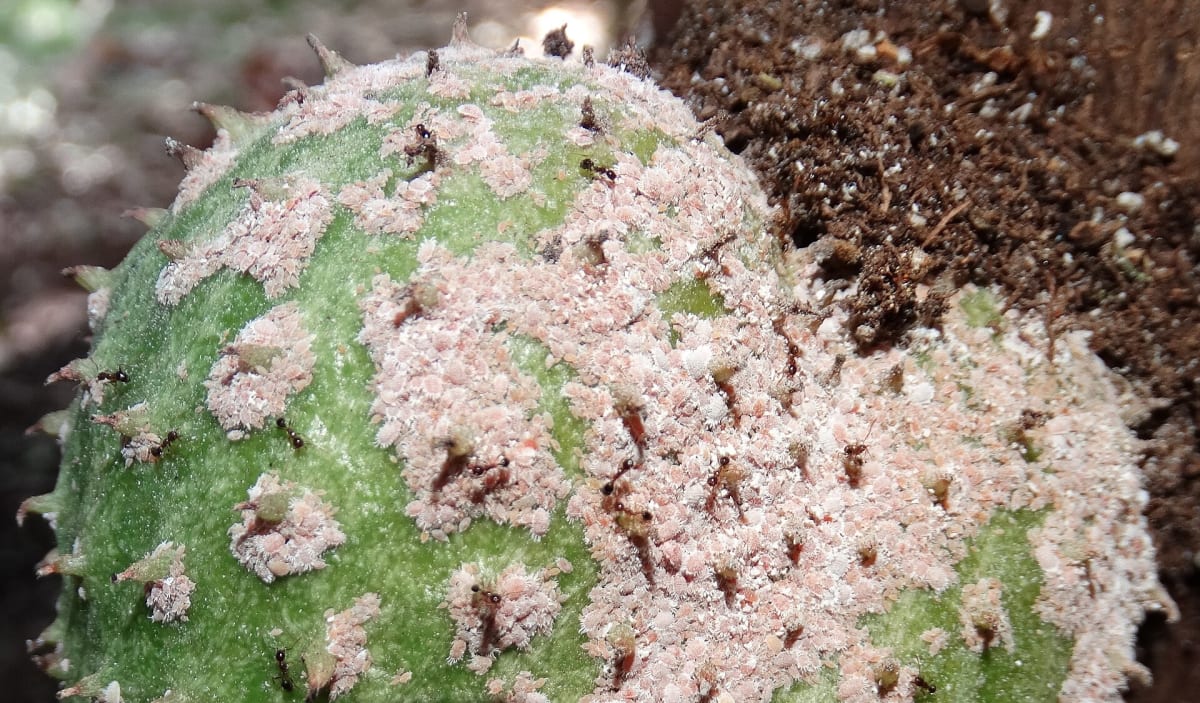
Mealybugs are soft-bodied insects covered with a white, powdery wax, which makes them easily recognizable. They feed by inserting their piercing-sucking mouthparts into plant tissue and extracting sap. This feeding can weaken plants, leading to yellowing leaves, stunted growth, and in severe cases, plant death. Mealybugs are often confused with other sap-sucking pests like aphids and scale insects. Over a growing season, mealybug populations can increase rapidly, especially in warm, humid conditions.
Symptoms
- Sticky residue on leaves
- Sooty black coating on leaves
- Yellowing leaves
- Stunted growth
- Visible insects on the plant
- Leaf drop
Cause
Mealybugs are often introduced to plants through infested nursery stock or contaminated tools. They thrive in warm, humid environments and can spread rapidly in greenhouses or indoor plant collections.
Conditions that favour it
- Warm temperatures
- High humidity
- Overcrowded plants
- Poor air circulation
- Excessive nitrogen fertilization
Plants most affected
- Citrus
- Orchids
- Succulents
- Ferns
- Grapevines
- Tomatoes
- Peppers
- Houseplants
- Cacti
- Gardenias
- Hibiscus
- Begonias
Treatment
Educational information only, and not a substitute for professional diagnosis. Identify the problem before treating it, and check that any product is registered for this plant and this use where you live.
Cultural control
- Prune infested plant parts
- Increase air circulation
- Maintain proper plant spacing
- Regularly inspect plants for early signs
- Encourage natural predators like ladybugs
Organic options
- Neem oil
- Insecticidal soap
- Horticultural oil
- Alcohol-soaked cotton swabs for spot treatment
Chemical options
- Imidacloprid Used for systemic control of mealybugs
- Acetamiprid Effective against mealybugs
Read and follow the product label. The label is the legally binding instruction. Confirm the product is registered for this plant and for this use in your area before applying it.
Prevention
- Quarantine new plants before introducing them
- Regularly clean and disinfect gardening tools
- Avoid over-fertilizing with nitrogen
- Monitor plants regularly for early detection
- Encourage beneficial insects