Leaf miners
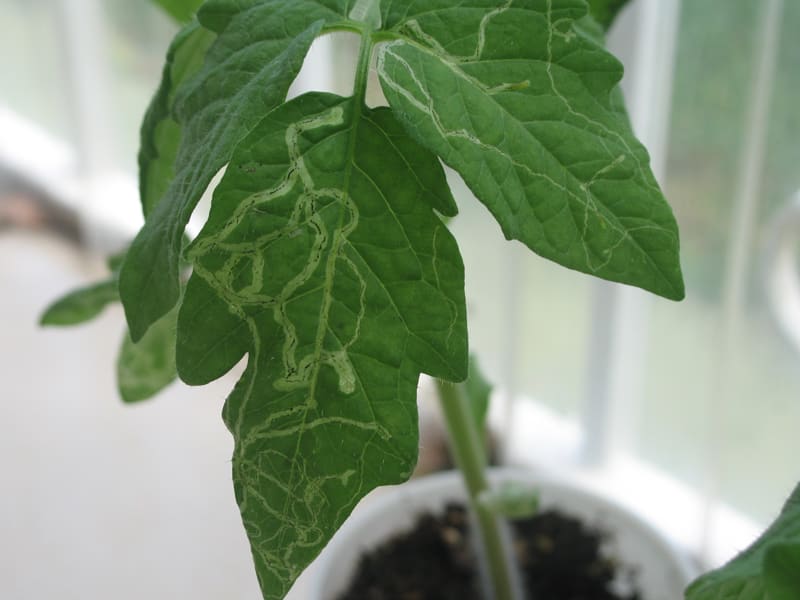
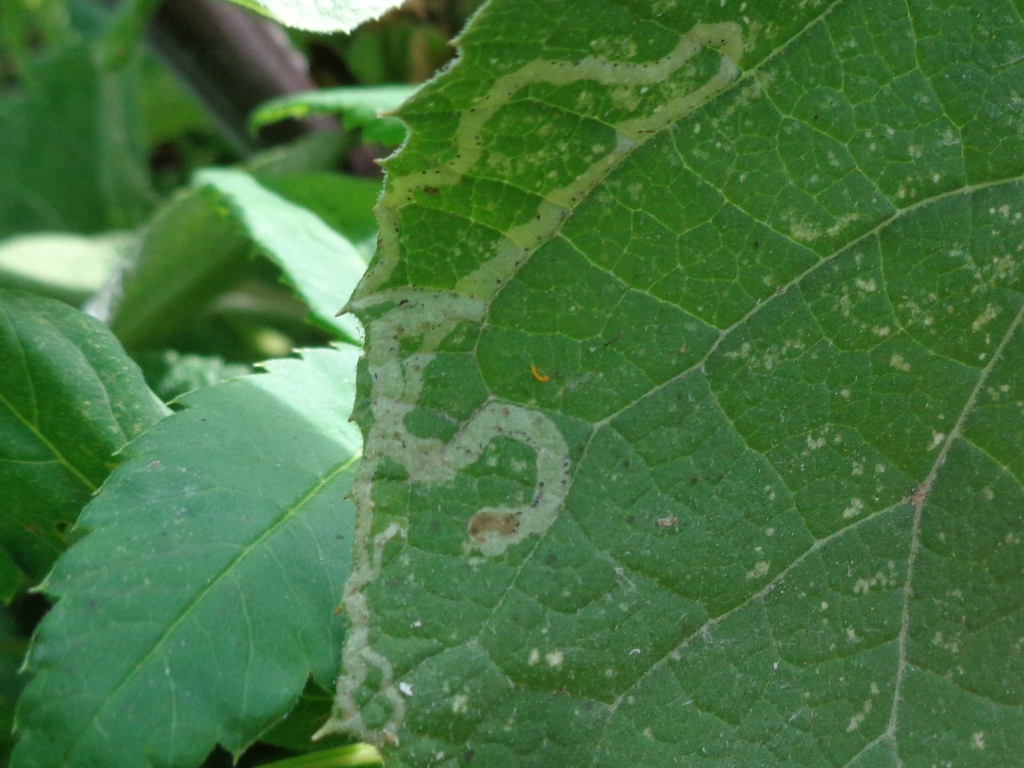
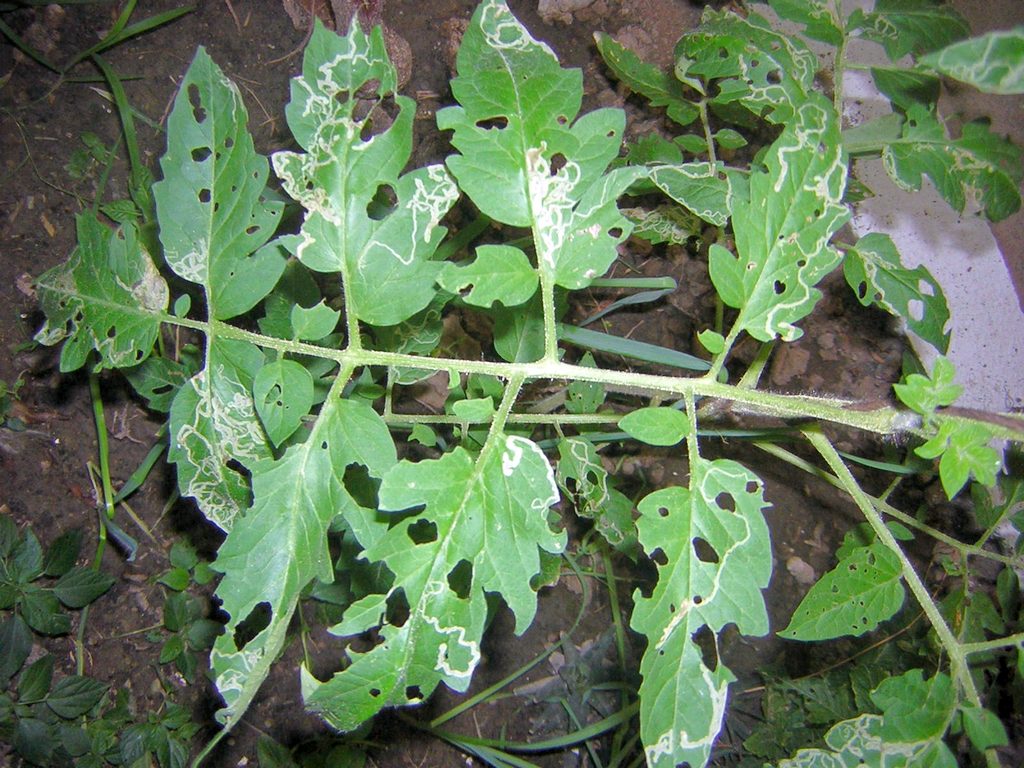
Leaf miners are larvae of flies from the Agromyzidae family that burrow between the layers of leaves, creating winding trails. These trails can reduce the aesthetic value of ornamental plants and, in severe cases, affect the plant's ability to photosynthesize.
About this problem
Leaf miners are the larvae of small flies belonging to the Agromyzidae family. They feed by tunneling through the leaf tissue, creating distinctive winding trails or mines. These mines are usually visible on the upper surface of the leaves and can vary in shape and size depending on the species of leaf miner. Over a growing season, heavy infestations can lead to reduced photosynthetic capability, which may weaken plants and reduce yields in crops. Leaf miners are often confused with other pests that cause leaf damage, such as caterpillars and beetles, but the distinct trails they leave are a key identifying feature.
Symptoms
- Winding trails on leaves
- Blotchy patterns on leaves
- Leaf discoloration
- Premature leaf drop
- Reduced plant vigor
Cause
Leaf miners originate from adult flies that lay eggs on the leaves of host plants. The larvae hatch and burrow into the leaf tissue to feed.
Conditions that favour it
- Warm temperatures
- High humidity
- Dense plantings
- Presence of susceptible host plants
Plants most affected
- Tomato
- Spinach
- Chrysanthemum
- Peas
- Beans
- Lettuce
- Celery
- Cabbage
- Potato
- Beet
- Cucumber
- Squash
Treatment
Educational information only, and not a substitute for professional diagnosis. Identify the problem before treating it, and check that any product is registered for this plant and this use where you live.
Cultural control
- Remove and destroy infested leaves
- Encourage natural predators
- Rotate crops
- Maintain plant health through proper watering and fertilization
Organic options
- Neem oil
- Insecticidal soap
- Spinosad
Chemical options
- Imidacloprid Used for controlling leaf miner infestations
Read and follow the product label. The label is the legally binding instruction. Confirm the product is registered for this plant and for this use in your area before applying it.
Prevention
- Monitor plants regularly
- Use row covers to protect plants
- Implement crop rotation
- Encourage beneficial insects