Fungus gnats
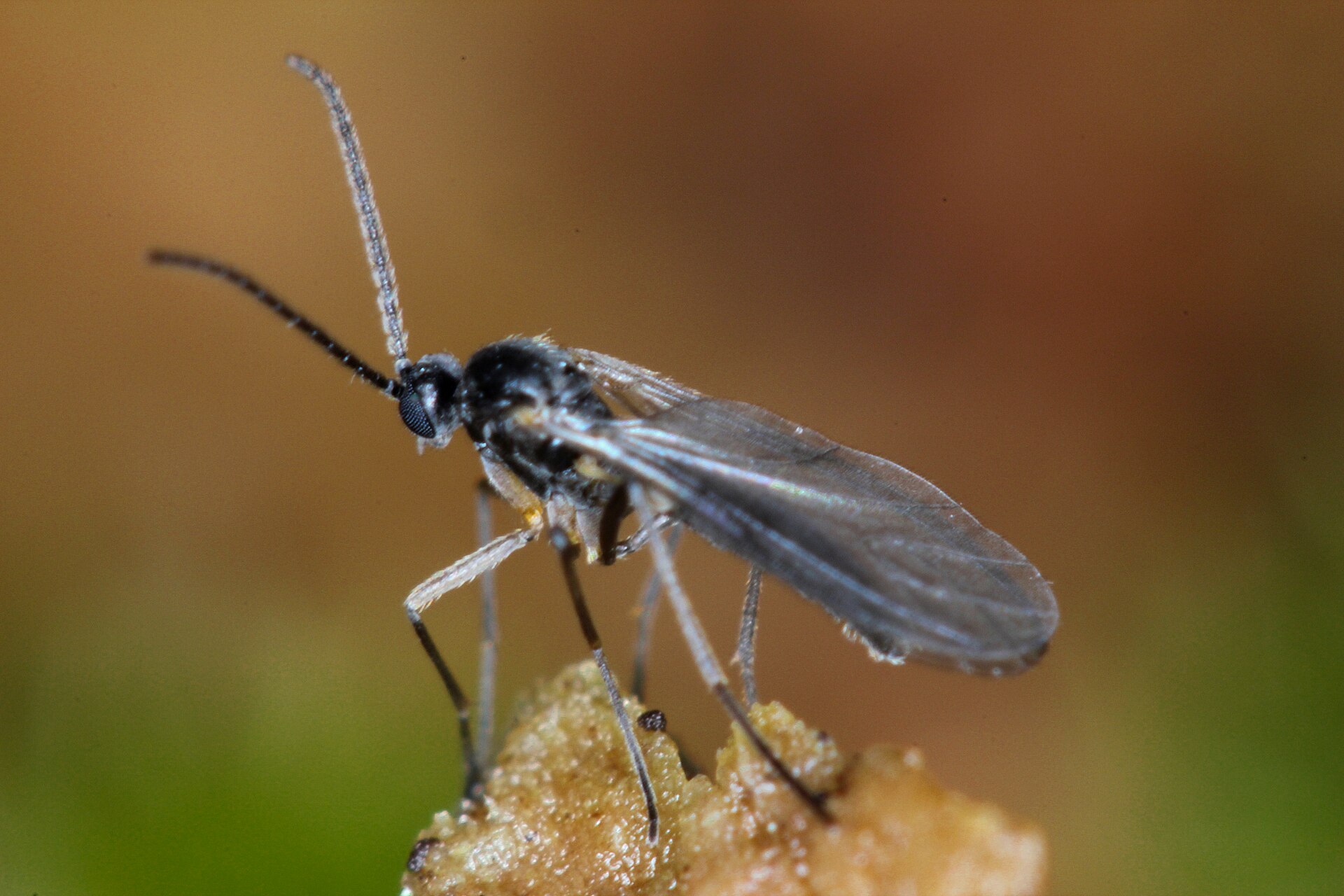
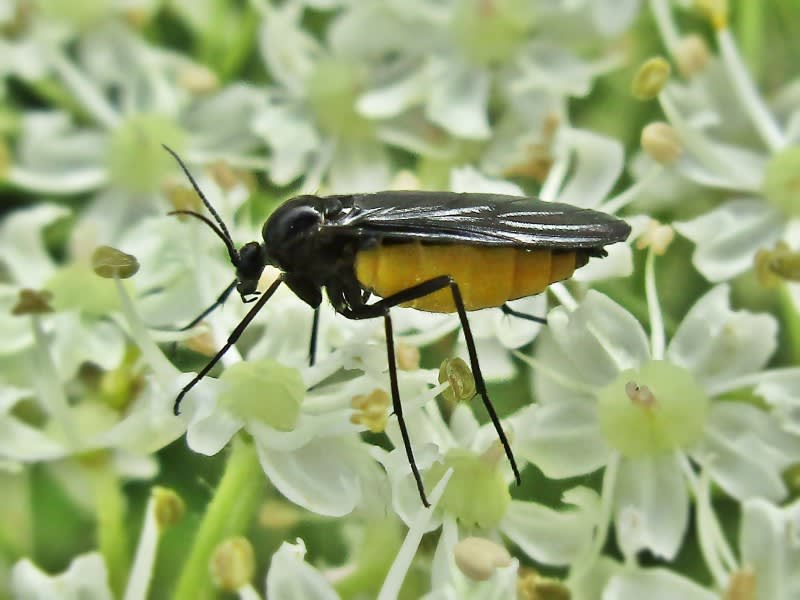
Fungus gnats are small flying insects that primarily affect indoor plants. They are known for their larvae, which feed on organic matter in the soil and can damage plant roots, leading to stunted growth.
About this problem
Fungus gnats belong to the family Sciaridae and are small, dark, mosquito-like insects. They are commonly found in greenhouses and indoor plant environments. The adult gnats are mostly a nuisance, but their larvae can pose a threat to plants by feeding on root hairs, fungi, and organic matter in the soil. Over time, this feeding can damage the roots, leading to poor plant growth and even plant death if left unmanaged. Fungus gnats are often confused with fruit flies, but they are more likely to be found near soil or plants rather than food sources.
Symptoms
- Visible insects on the plant
- Stunted growth
- Wilting
- Mold on the soil surface
- Root discoloration
Cause
Fungus gnats are attracted to moist, organic-rich soils where they lay their eggs. Overwatering and poor drainage can create ideal conditions for their development.
Conditions that favour it
- High humidity
- Overwatering
- Poor soil drainage
- Organic-rich soil
Plants most affected
- African violet
- Geranium
- Pothos
- Spider plant
- Ficus
- Peace lily
- Philodendron
- Begonia
- Orchid
- Fern
Treatment
Educational information only, and not a substitute for professional diagnosis. Identify the problem before treating it, and check that any product is registered for this plant and this use where you live.
Cultural control
- Allow soil to dry between waterings
- Improve soil drainage
- Remove debris and fallen leaves
- Use yellow sticky traps to catch adults
Organic options
- Neem oil
- Bacillus thuringiensis israelensis
- Diatomaceous earth
Chemical options
- Pyrethrin Used to control adult fungus gnats
Read and follow the product label. The label is the legally binding instruction. Confirm the product is registered for this plant and for this use in your area before applying it.
Prevention
- Avoid overwatering
- Ensure proper drainage
- Inspect new plants before introducing them
- Use sterile potting soil