Thrips
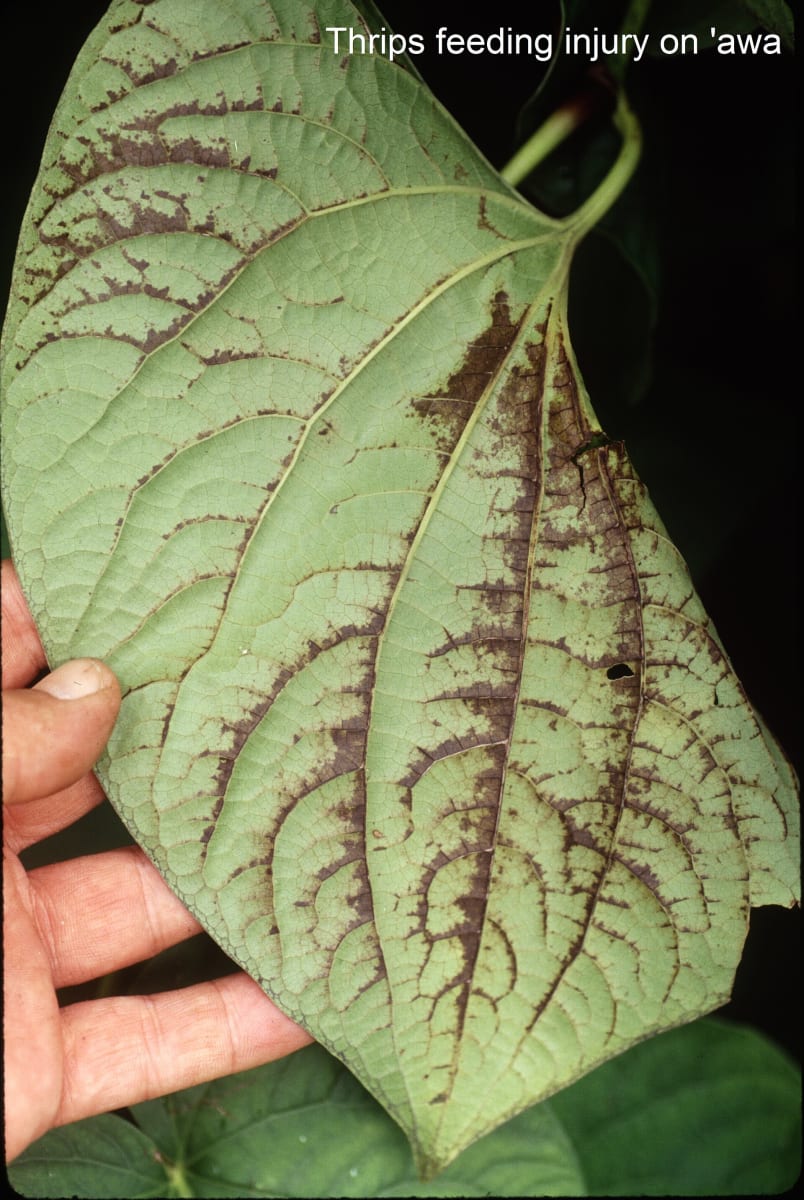
Thrips are small, slender insects that feed on a wide range of plants, causing damage by sucking out cell contents. This results in silvery or bronze discoloration on leaves and petals, and can lead to stunted growth and reduced yields.
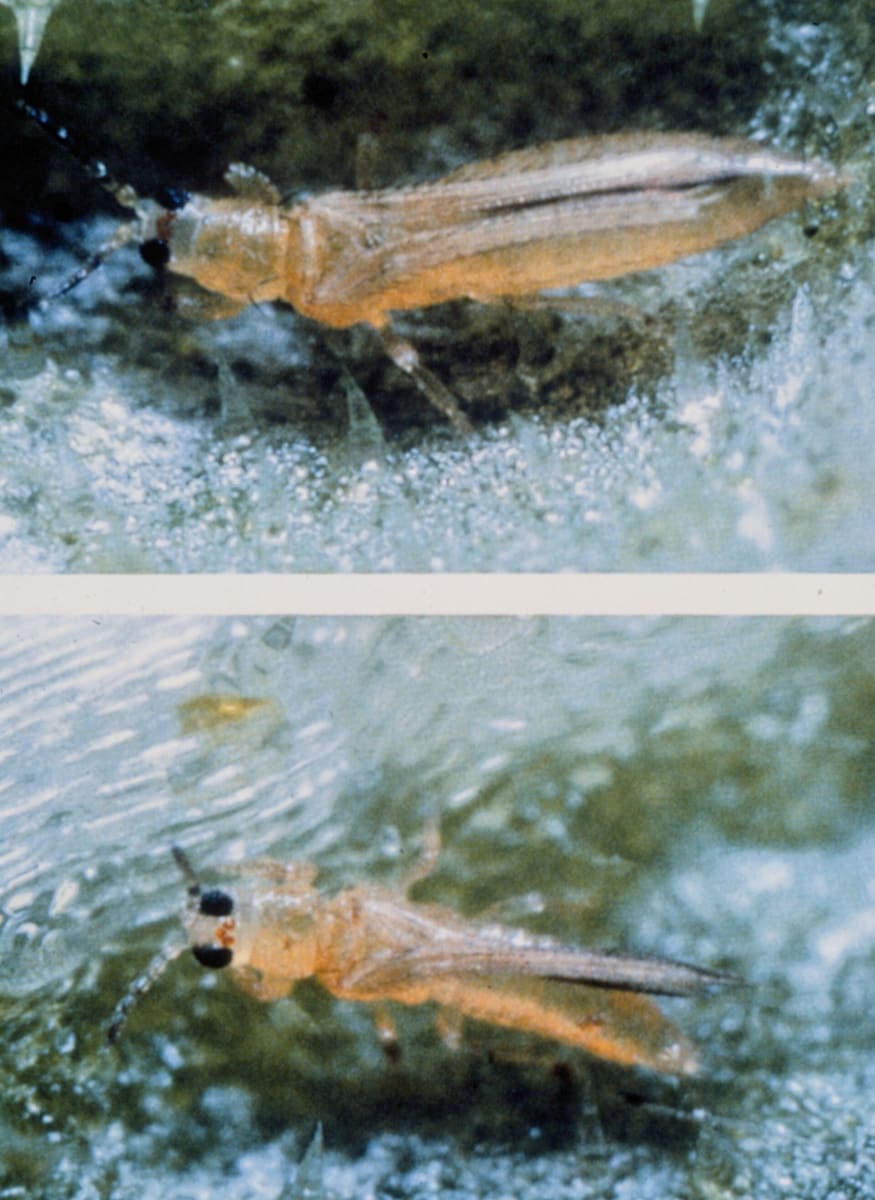
About this problem
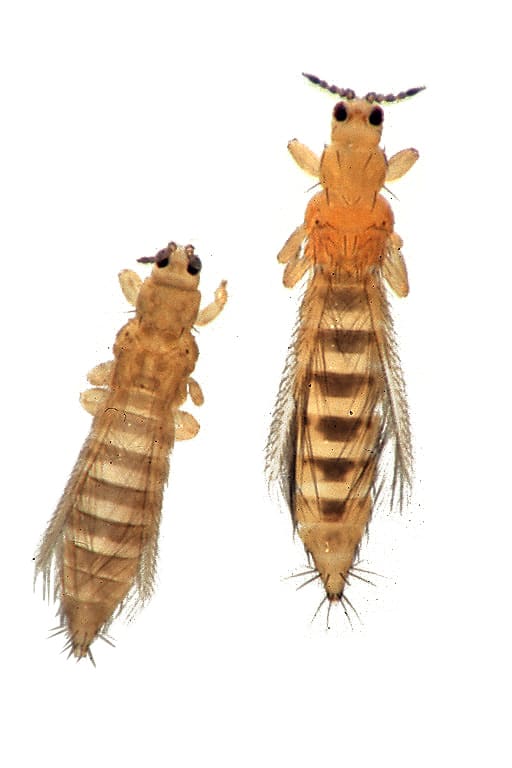
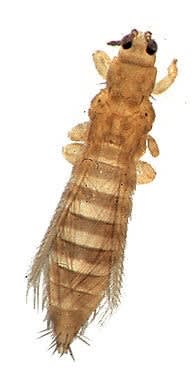
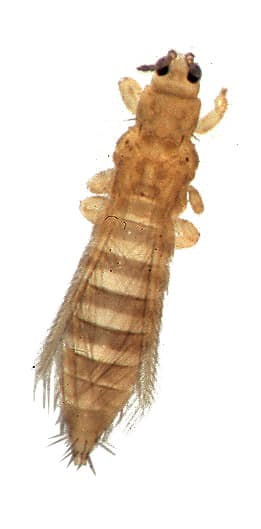
Thrips, belonging to the order Thysanoptera, are tiny insects that can cause significant damage to plants. They feed by puncturing plant cells and sucking out the contents, which leads to silvery or bronze streaks on leaves and petals. Over time, this feeding can cause leaves to curl, distort, and drop prematurely. Thrips are often confused with other small pests like spider mites, but can be distinguished by their unique feeding damage and the presence of tiny black fecal spots. They are particularly problematic in greenhouses and on crops such as onions, beans, and various ornamentals.
Symptoms
- Silvery or bronze streaks on leaves
- Curled or distorted leaves
- Premature leaf drop
- Stunted growth
- Visible insects on the plant
- Black fecal spots on leaves
Cause
Thrips are often introduced into gardens and greenhouses through infested plants or debris. They thrive in warm, dry conditions and can be spread by wind or on clothing and tools.
Conditions that favour it
- Warm temperatures
- Dry environments
- Overcrowded plants
- Poor air circulation
- Presence of infested plant material
Plants most affected
- Onions
- Beans
- Tomatoes
- Peppers
- Roses
- Orchids
- Strawberries
- Cucumbers
- Lettuce
- Chrysanthemums
Treatment
Educational information only, and not a substitute for professional diagnosis. Identify the problem before treating it, and check that any product is registered for this plant and this use where you live.
Cultural control
- Remove and destroy infested plant debris
- Encourage beneficial insects like predatory mites
- Increase air circulation around plants
- Avoid overhead watering to reduce humidity
- Regularly inspect plants for early signs of infestation
Organic options
- Neem oil
- Insecticidal soap
- Horticultural oil
- Spinosad
Chemical options
- Imidacloprid Used for controlling thrips on various crops
- Acetamiprid Effective against thrips in ornamental plants
Read and follow the product label. The label is the legally binding instruction. Confirm the product is registered for this plant and for this use in your area before applying it.
Prevention
- Quarantine new plants before introducing them to the garden
- Maintain garden hygiene by removing plant debris
- Encourage natural predators
- Use reflective mulches to deter thrips
- Regularly monitor plants for signs of thrips