Whiteflies
Whiteflies are small, winged insects that feed on plant sap, causing yellowing leaves and stunted growth. They excrete a sticky substance called honeydew, which can lead to sooty mold growth on leaves.
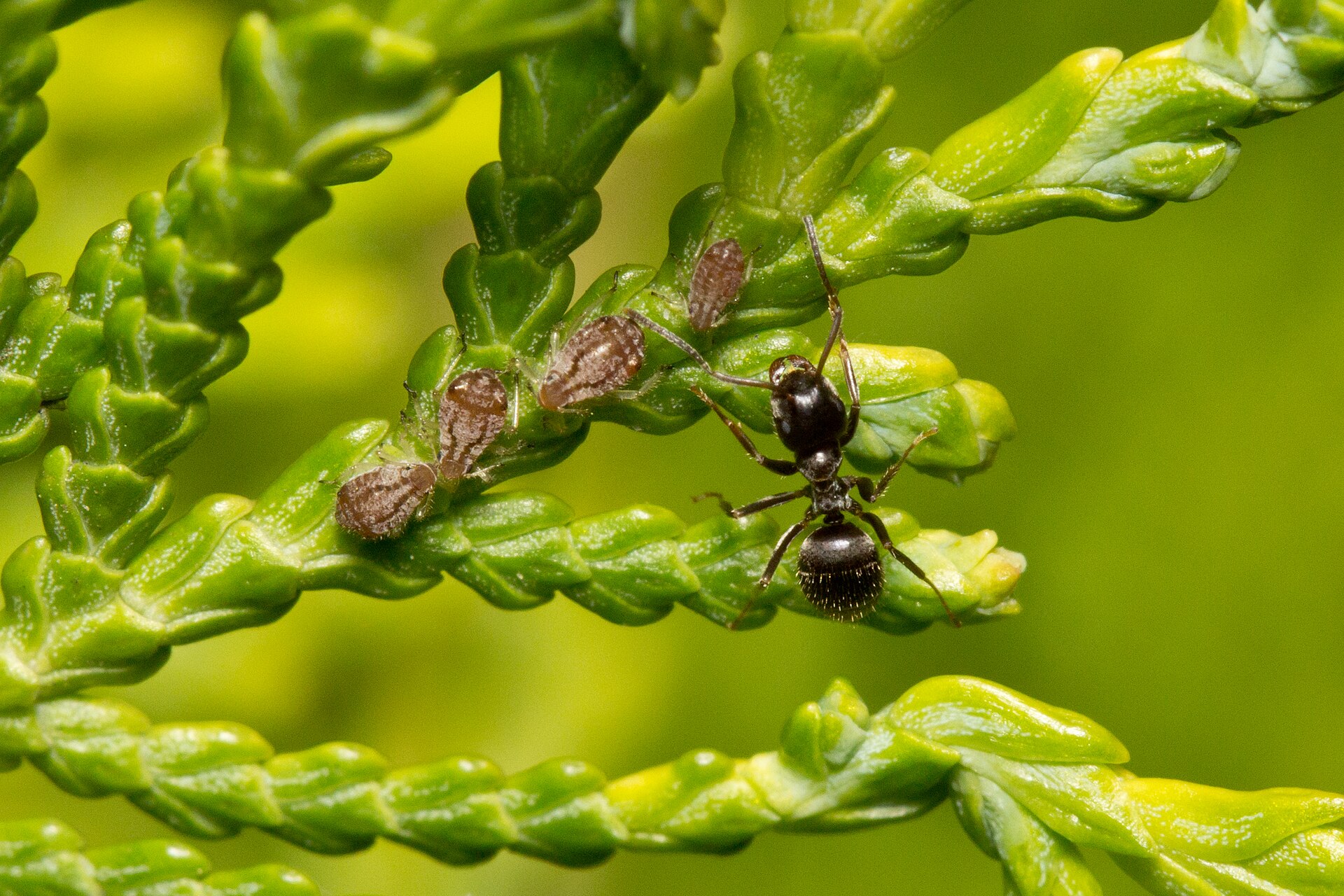
About this problem
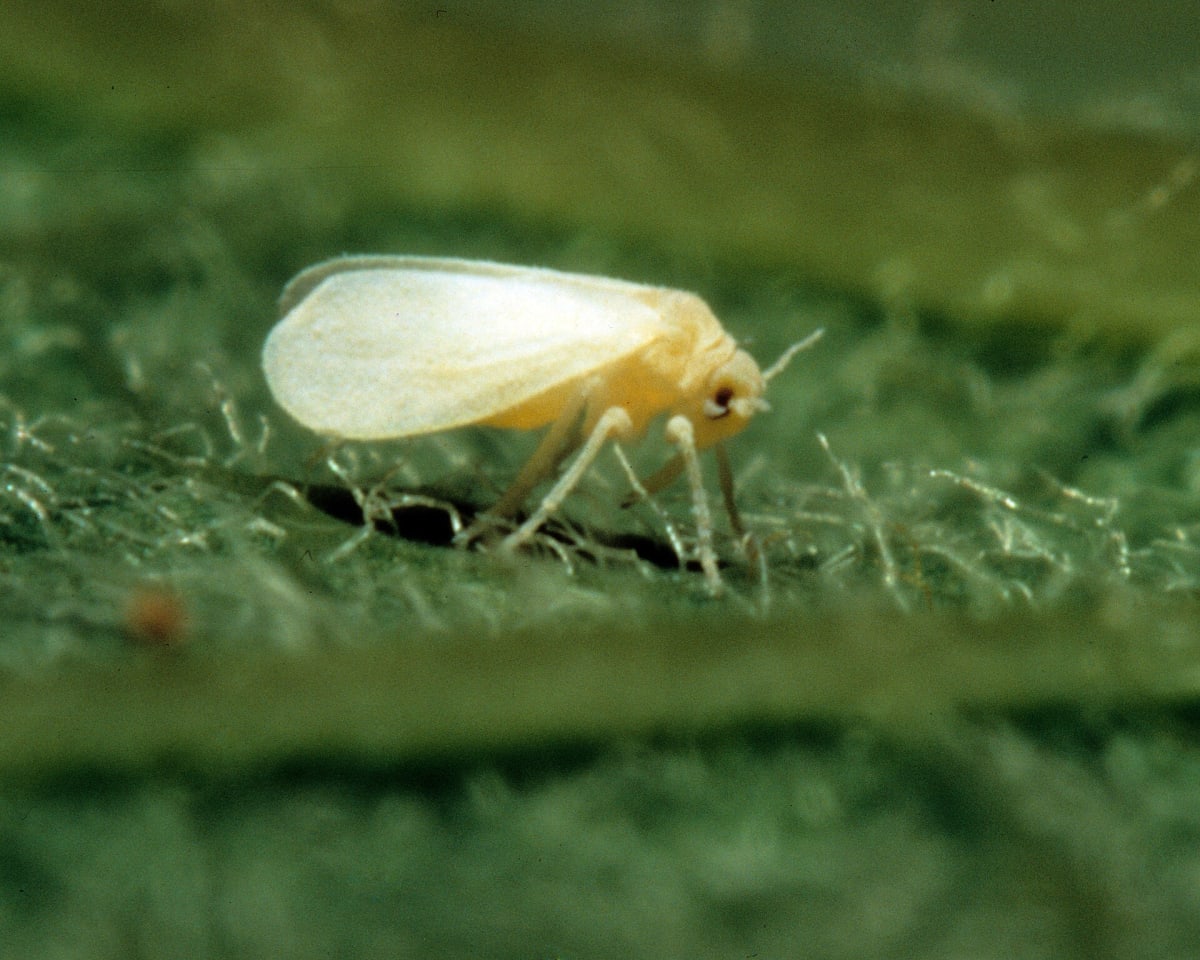
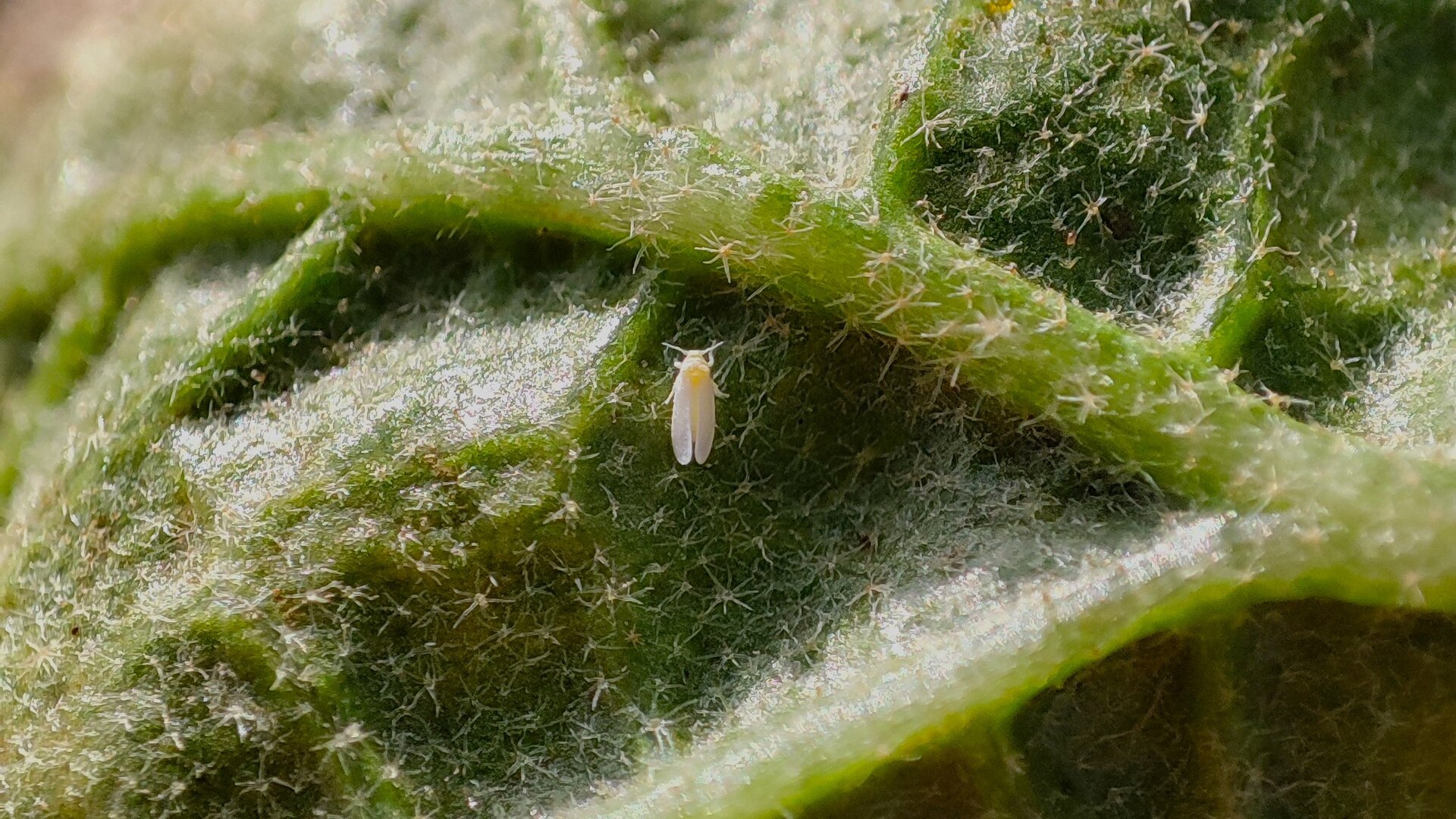
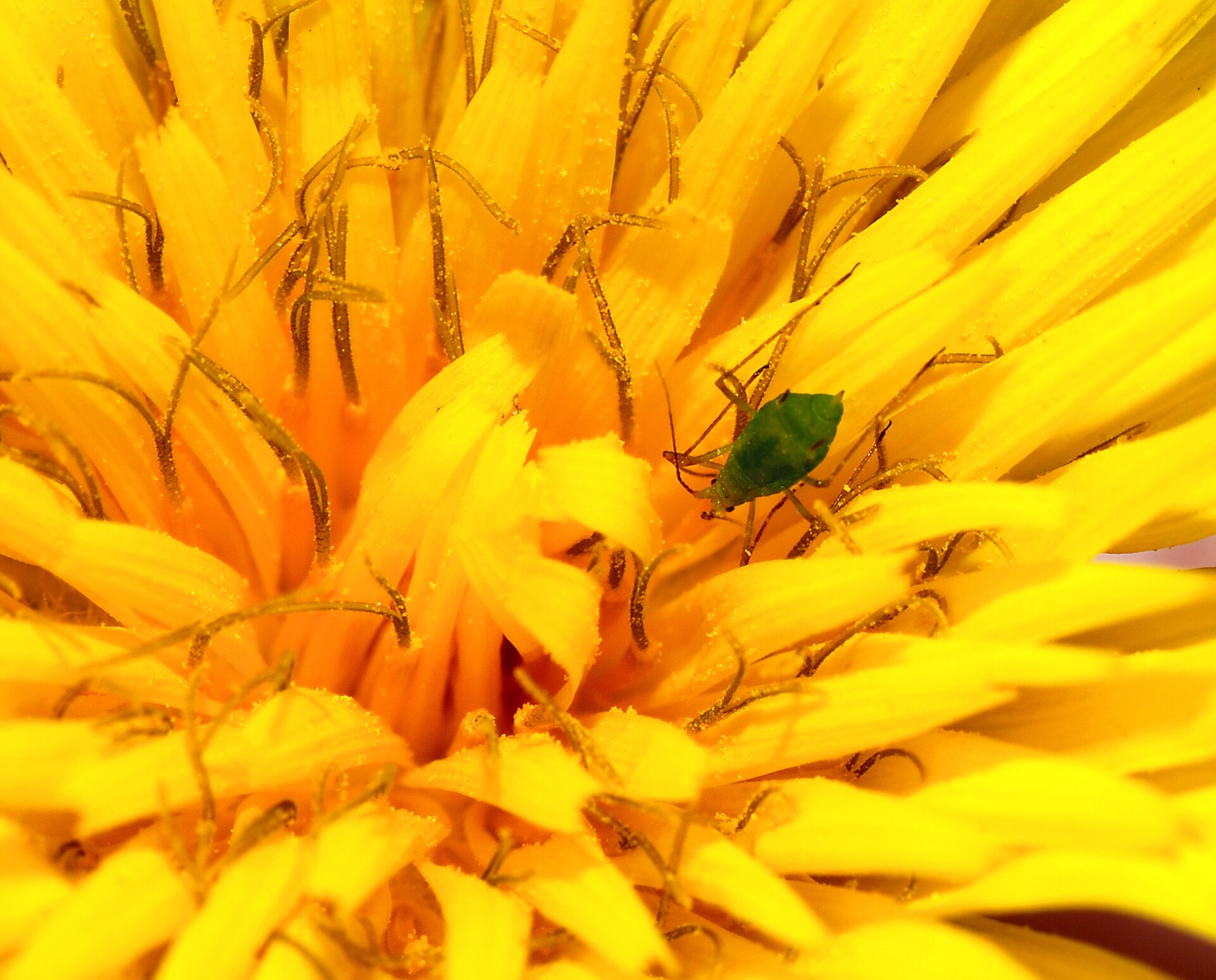
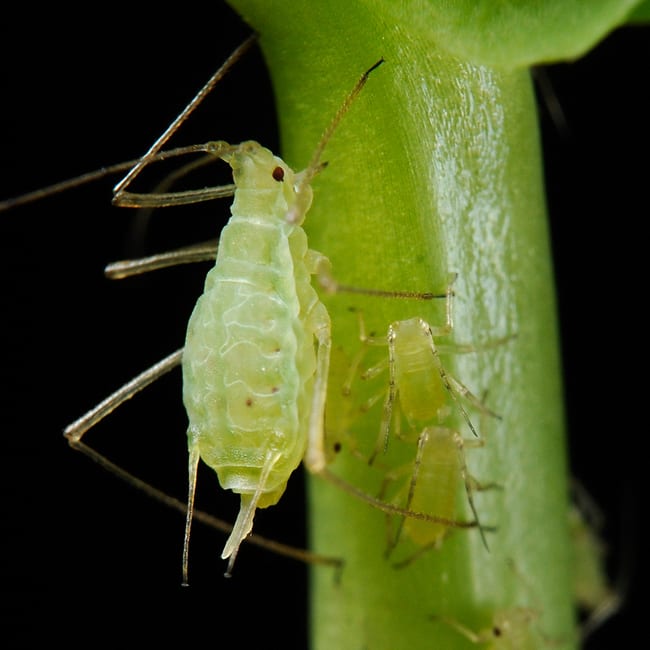
Whiteflies, belonging to the family Aleyrodidae, are tiny, sap-sucking insects that are often found on the undersides of leaves. They are known for their rapid reproduction and can quickly become a significant pest problem. Whiteflies feed by inserting their mouthparts into the plant tissue and extracting sap, which can weaken the plant and lead to yellowing leaves and stunted growth. Over a season, a severe infestation can cause significant damage to crops and ornamental plants. Whiteflies are often confused with aphids and mealybugs due to their similar feeding habits and appearance.
Symptoms
- Yellowing leaves
- Stunted growth
- Sticky residue on leaves
- Sooty black coating on leaves
- Visible insects on the undersides of leaves
Cause
Whiteflies are often introduced to gardens through infested plants. They thrive in warm, humid environments and are attracted to a wide range of host plants.
Conditions that favour it
- Warm temperatures
- High humidity
- Dense plantings
- Lack of natural predators
Plants most affected
- Tomato
- Cucumber
- Pepper
- Eggplant
- Cabbage
- Broccoli
- Ornamental flowers
- Houseplants
- Beans
- Squash
Treatment
Educational information only, and not a substitute for professional diagnosis. Identify the problem before treating it, and check that any product is registered for this plant and this use where you live.
Cultural control
- Encourage beneficial insects like ladybugs and lacewings
- Remove heavily infested leaves
- Increase plant spacing for better airflow
- Use reflective mulches to deter whiteflies
Organic options
- Neem oil
- Insecticidal soap
- Horticultural oil
Chemical options
- Imidacloprid Used for systemic control of whiteflies
Read and follow the product label. The label is the legally binding instruction. Confirm the product is registered for this plant and for this use in your area before applying it.
Prevention
- Inspect new plants for whiteflies before introducing them to the garden
- Maintain garden hygiene by removing plant debris
- Encourage natural predators
- Use row covers to protect plants