Root-knot nematodes
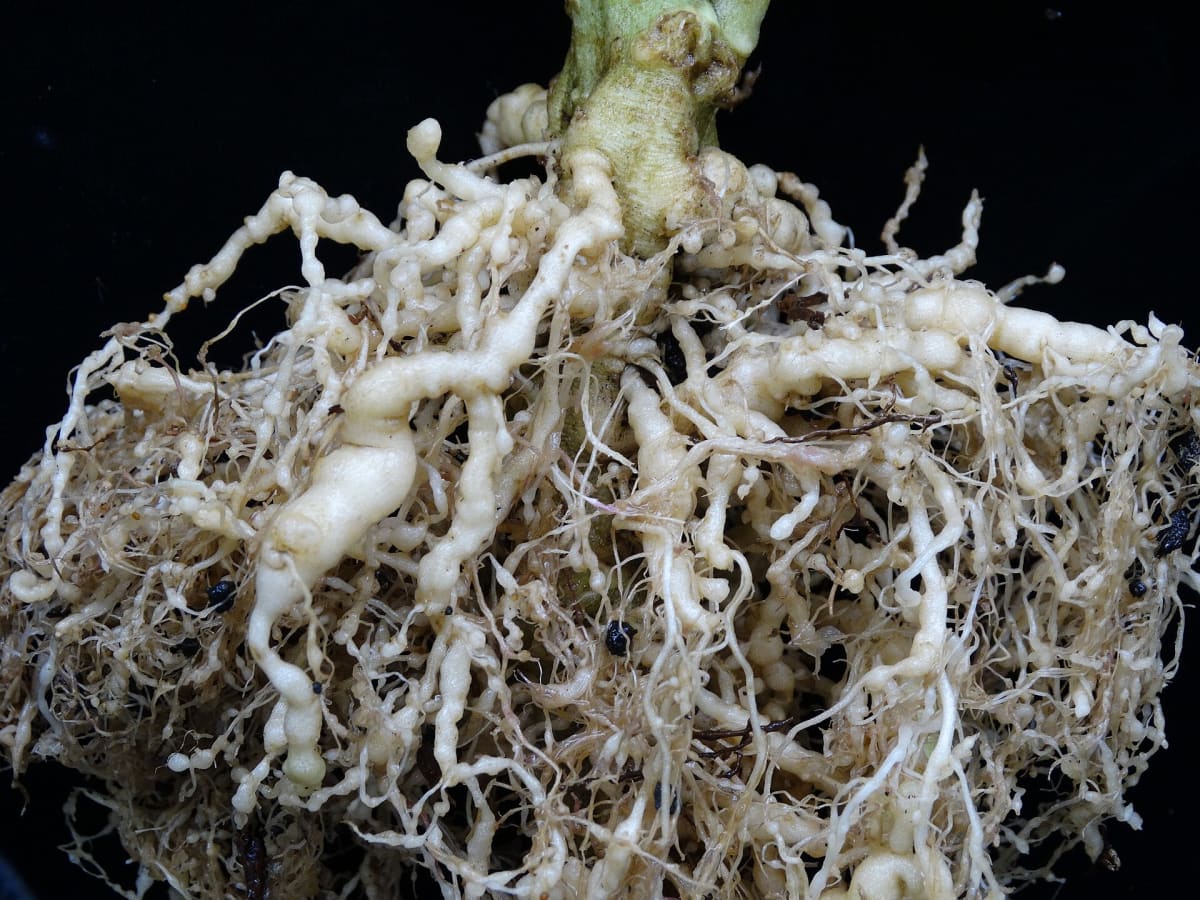
Root-knot nematodes, caused by Meloidogyne species, are microscopic worms that attack plant roots, causing galls or swellings. These pests disrupt the plant's ability to absorb water and nutrients, leading to stunted growth and reduced yields.
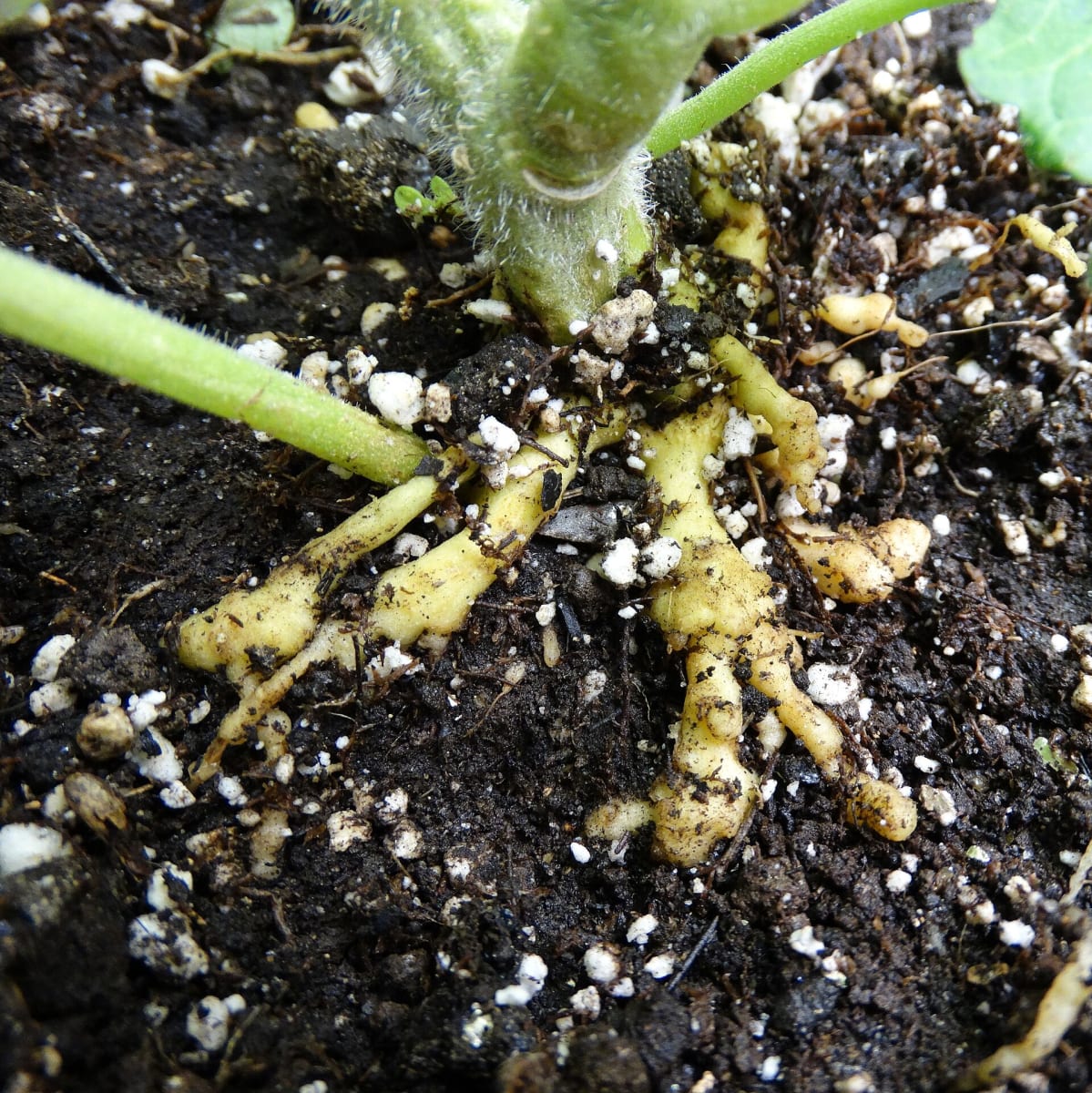
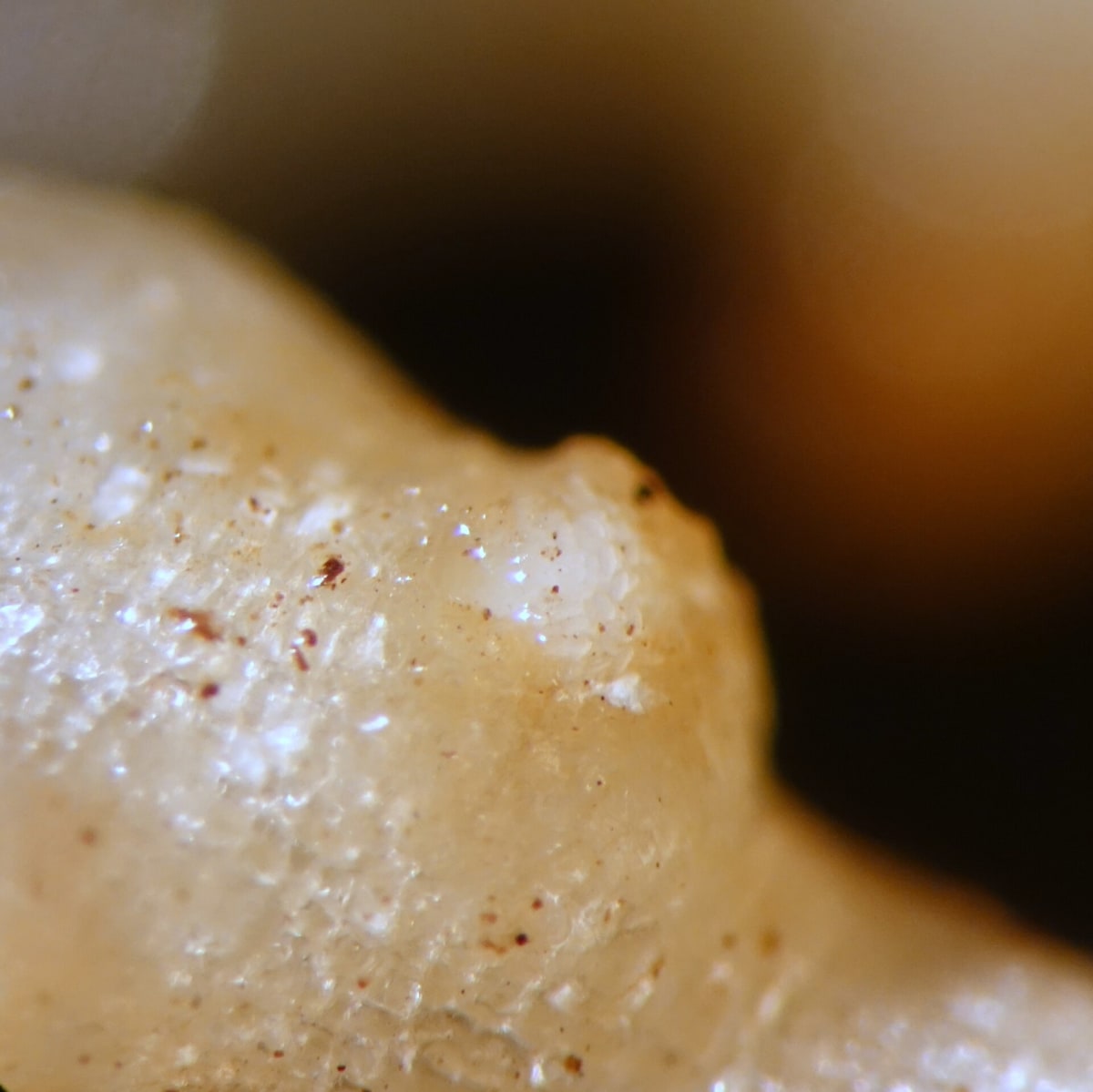
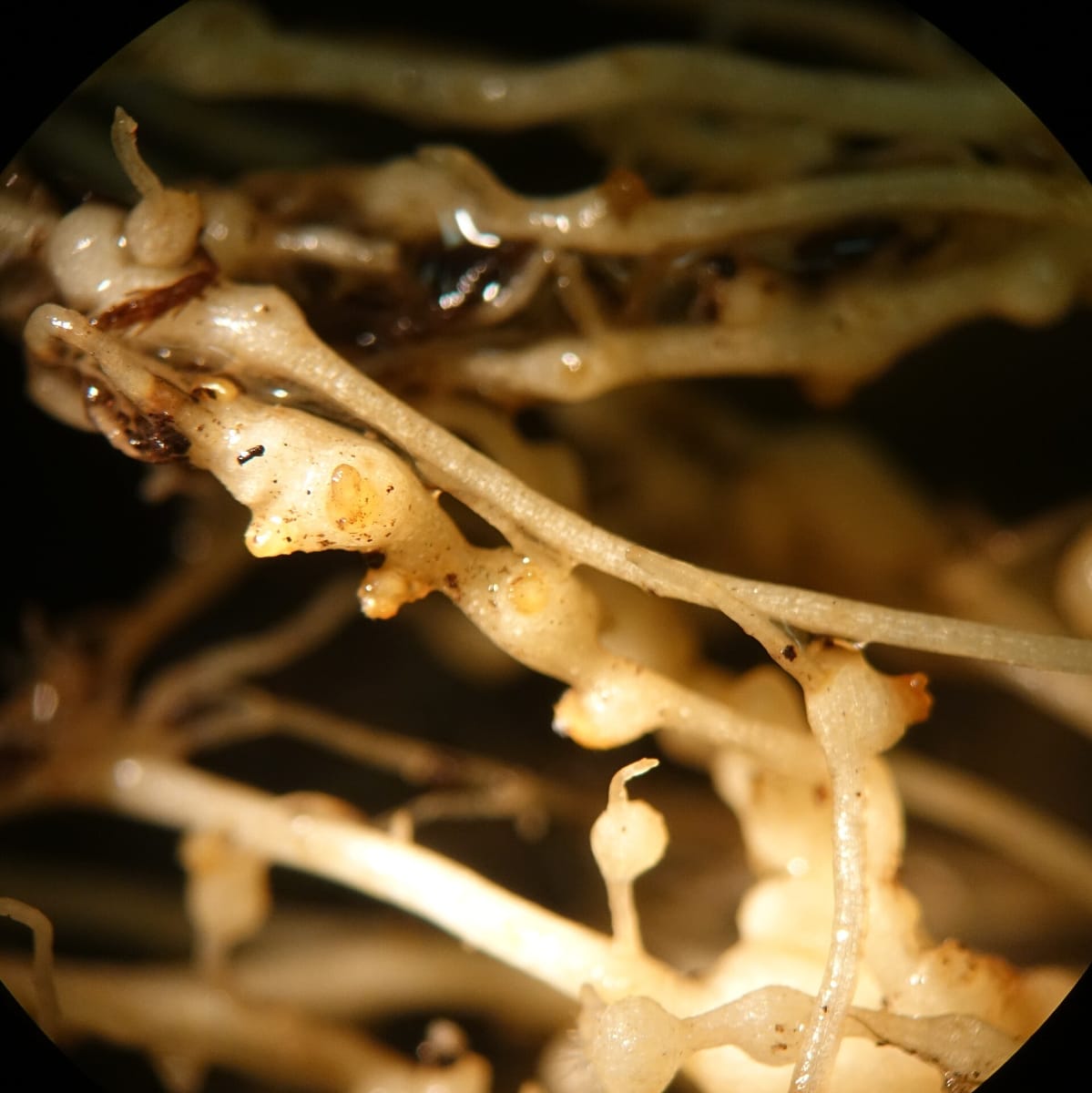
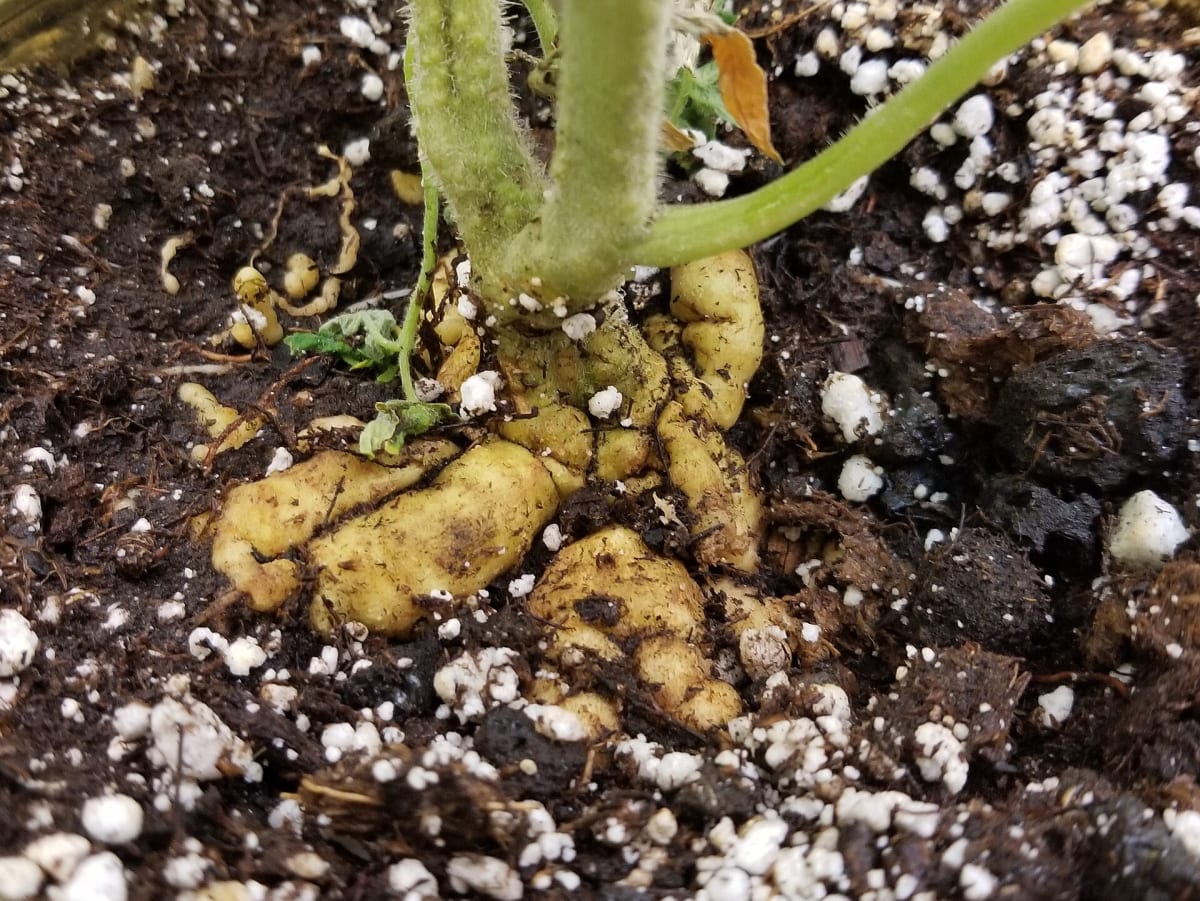
About this problem
Root-knot nematodes are microscopic, soil-dwelling roundworms that infest the roots of a wide variety of plants. They feed by penetrating root tissues and establishing feeding sites, which leads to the formation of characteristic galls or swellings. Over a growing season, these galls can severely impair the plant's ability to uptake water and nutrients, resulting in symptoms like wilting, yellowing leaves, and stunted growth. Root-knot nematodes are often confused with other soil-borne pathogens and nutrient deficiencies, but the presence of galls is a distinguishing feature.
Symptoms
- Galls or swellings on roots
- Stunted growth
- Yellowing leaves
- Wilting
- Reduced yields
- Root discoloration
Cause
Root-knot nematodes are typically introduced into gardens and fields through infected soil, transplants, or contaminated tools. They thrive in warm, sandy soils and can spread rapidly under favorable conditions.
Conditions that favour it
- Warm soil temperatures
- Sandy soils
- Poor crop rotation
- Over-irrigation
- Lack of organic matter
Plants most affected
- Tomato
- Pepper
- Cucumber
- Carrot
- Lettuce
- Melon
- Potato
- Squash
- Beans
- Eggplant
- Okra
- Strawberry
Treatment
Educational information only, and not a substitute for professional diagnosis. Identify the problem before treating it, and check that any product is registered for this plant and this use where you live.
Cultural control
- Crop rotation with non-host plants
- Solarization of soil
- Use of resistant plant varieties
- Improving soil organic matter
- Proper sanitation of tools
Organic options
- Neem oil
- Compost tea
- Marigold cover crops
- Beneficial nematodes
Chemical options
- Abamectin Used to manage nematode populations
Read and follow the product label. The label is the legally binding instruction. Confirm the product is registered for this plant and for this use in your area before applying it.
Prevention
- Regular crop rotation
- Use of certified disease-free transplants
- Sanitation of gardening tools
- Avoiding over-irrigation
- Incorporating organic matter into soil