Spider mites
Spider mites are tiny arachnids from the Tetranychidae family that feed on plant sap, causing significant damage to leaves and stems. They can cause leaves to become discolored and may lead to defoliation if not managed.
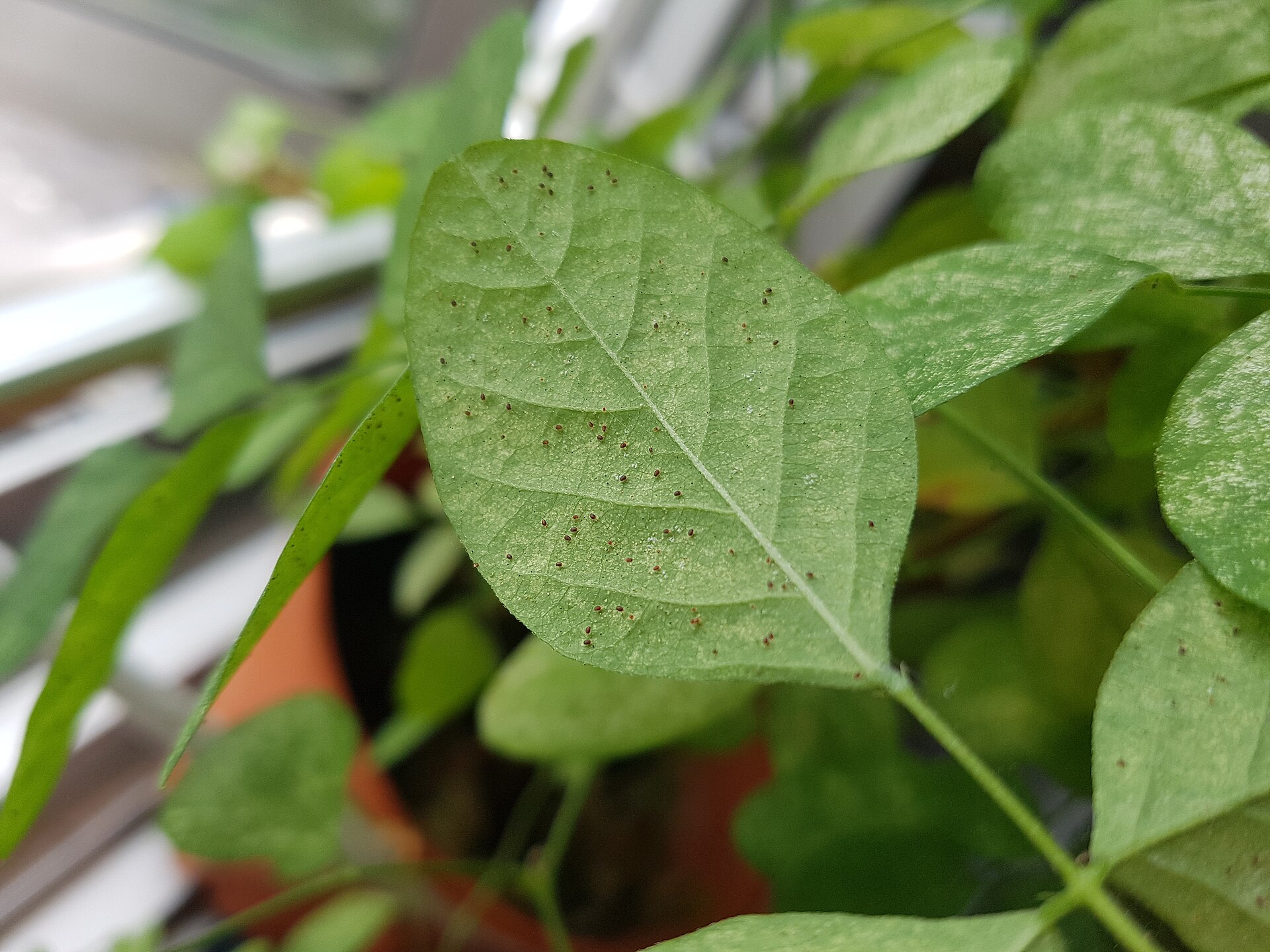
About this problem
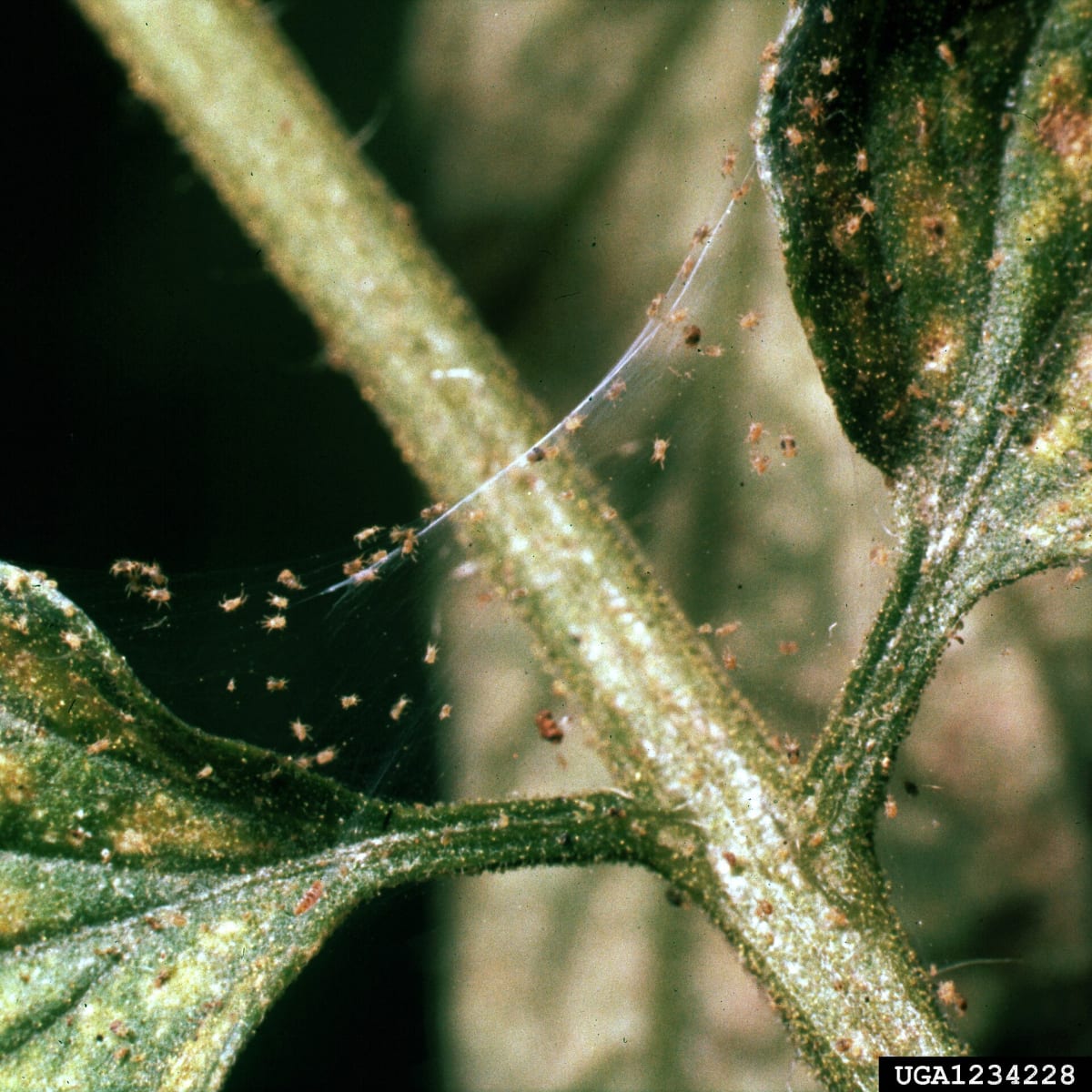
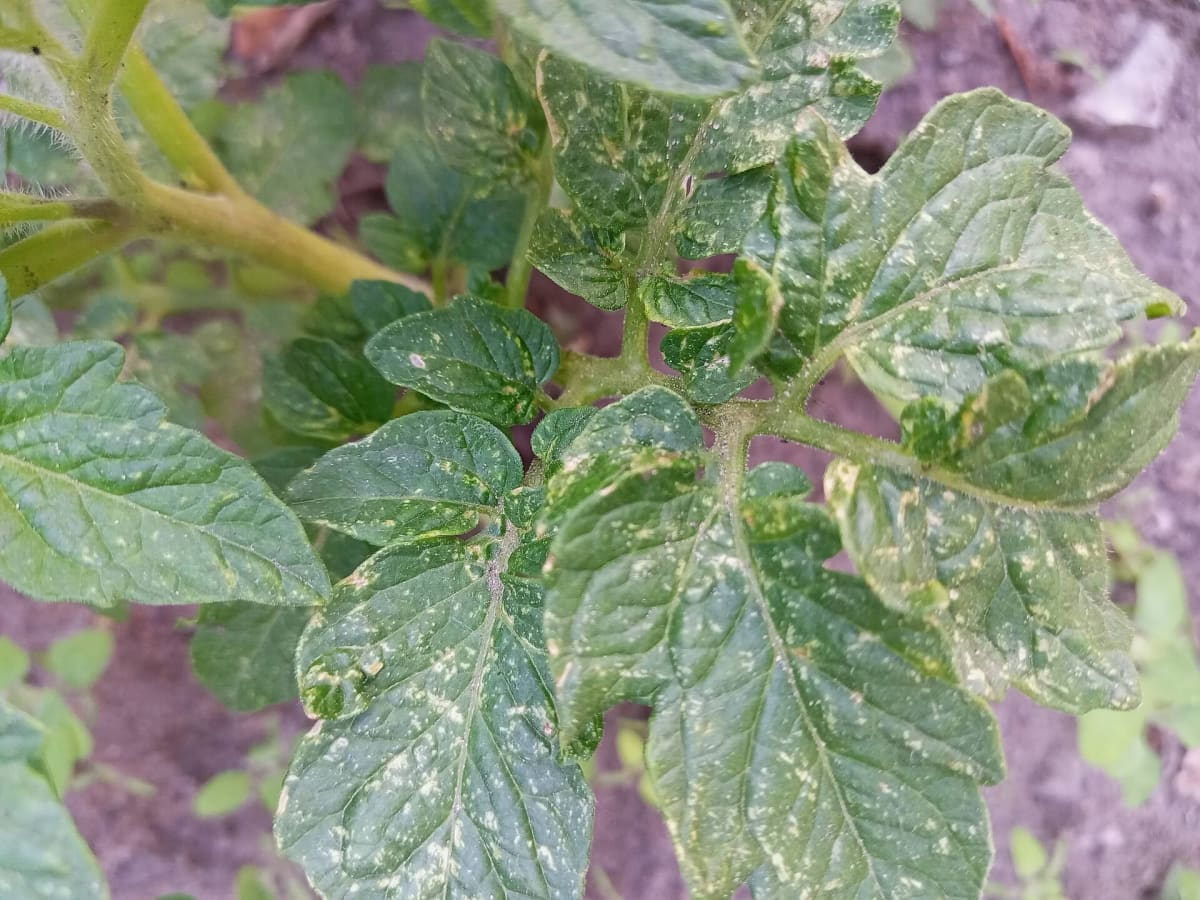
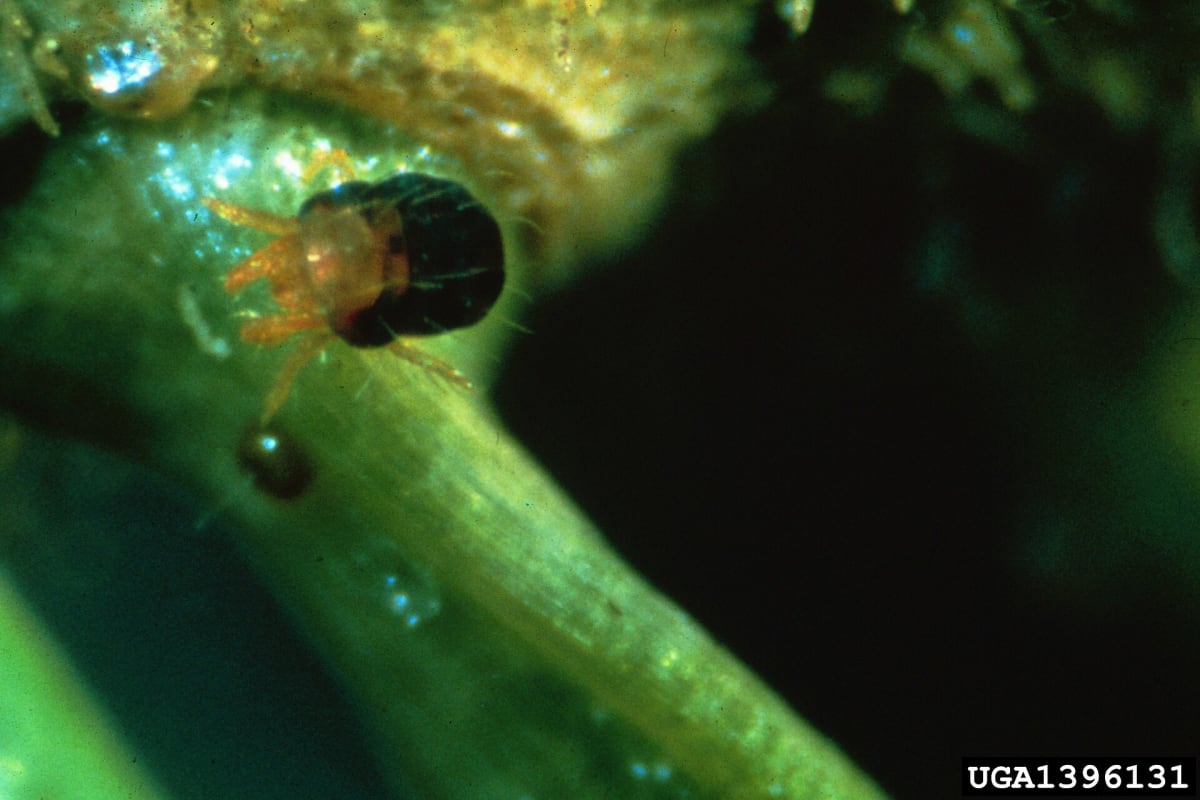
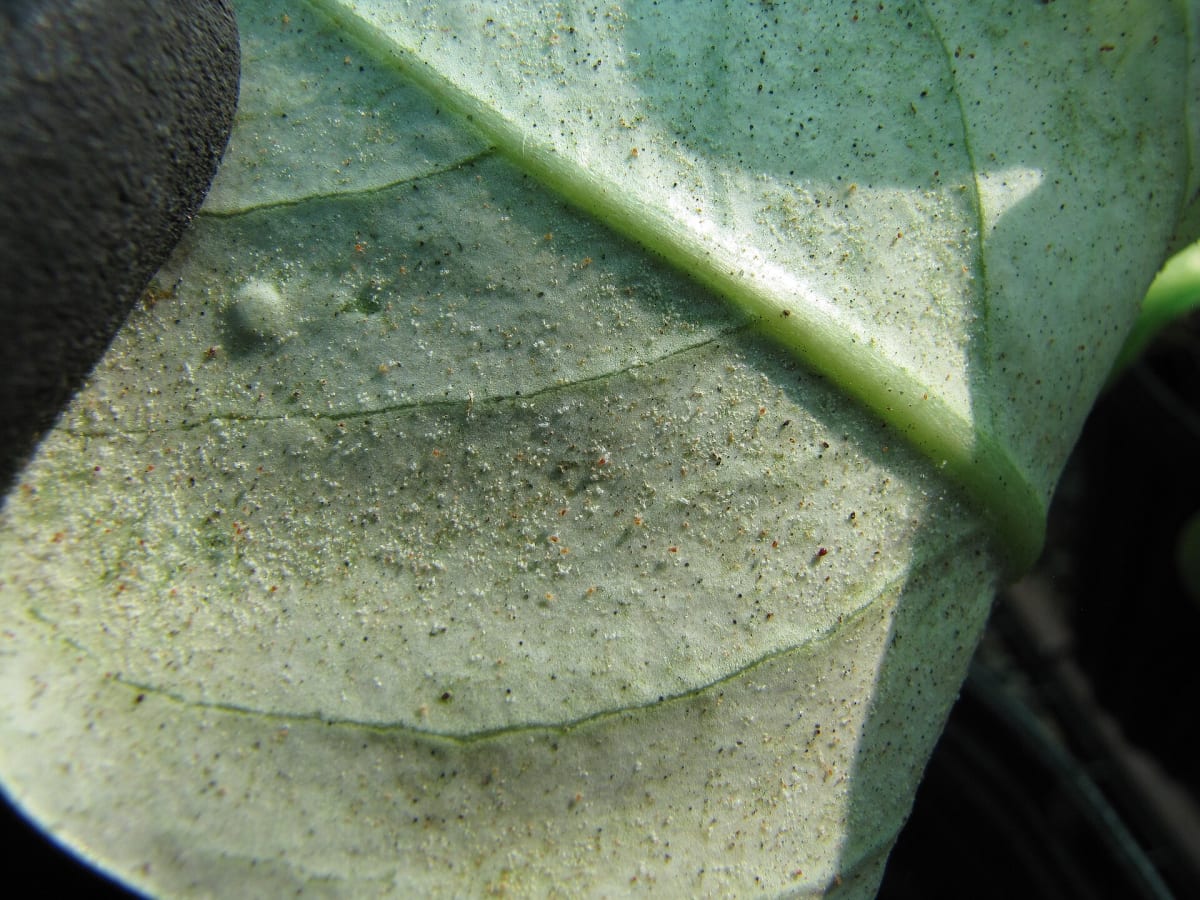
Spider mites are small, often less than 1 mm in size, and are part of the Tetranychidae family. They feed by piercing plant cells and sucking out the contents, which can lead to a stippled or mottled appearance on leaves. Over a growing season, heavy infestations can cause significant leaf drop and even plant death if left unchecked. Spider mites are often confused with other sap-sucking pests like aphids and whiteflies, but their characteristic webbing and the damage pattern they leave can help differentiate them.
Symptoms
- Stippled or mottled leaves
- Webbing on the plant
- Yellowing leaves
- Leaf drop
- Curled or distorted leaves
- Visible insects on the plant
Cause
Spider mites often come from infested plants or are carried by the wind. They thrive in hot, dry conditions and can rapidly increase in number under such circumstances.
Conditions that favour it
- Hot and dry weather
- Overcrowded plants
- Lack of natural predators
- Dusty conditions
- Stress from drought
Plants most affected
- Tomatoes
- Strawberries
- Roses
- Beans
- Cucumbers
- Peppers
- Ornamental plants
- Houseplants
- Fruit trees
- Corn
Treatment
Educational information only, and not a substitute for professional diagnosis. Identify the problem before treating it, and check that any product is registered for this plant and this use where you live.
Cultural control
- Increase humidity around plants
- Regularly hose down plants to remove mites
- Encourage natural predators like ladybugs
- Ensure proper plant spacing for airflow
Organic options
- Neem oil
- Insecticidal soap
- Horticultural oil
- Diatomaceous earth
Chemical options
- Abamectin Used for controlling spider mite populations
- Bifenthrin Effective against spider mites
Read and follow the product label. The label is the legally binding instruction. Confirm the product is registered for this plant and for this use in your area before applying it.
Prevention
- Regularly inspect plants for early signs of infestation
- Maintain plant health to reduce stress
- Avoid over-fertilizing, which can promote mite reproduction
- Introduce predatory mites as a biological control
- Keep the garden area clean and free of debris