Sawfly larvae
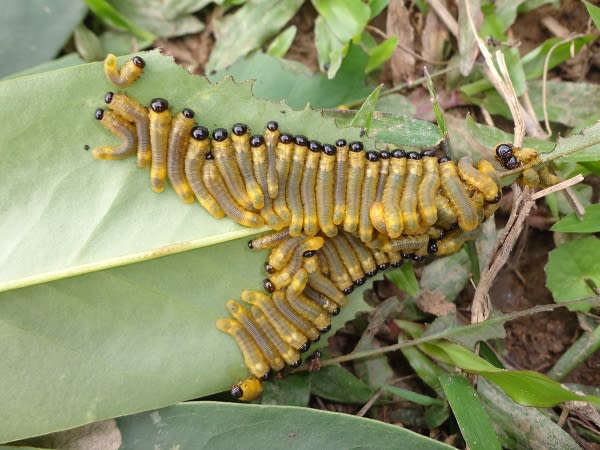
Sawfly larvae are the immature stage of insects belonging to the suborder Symphyta. They resemble caterpillars and feed on the foliage of various plants, often causing significant defoliation.
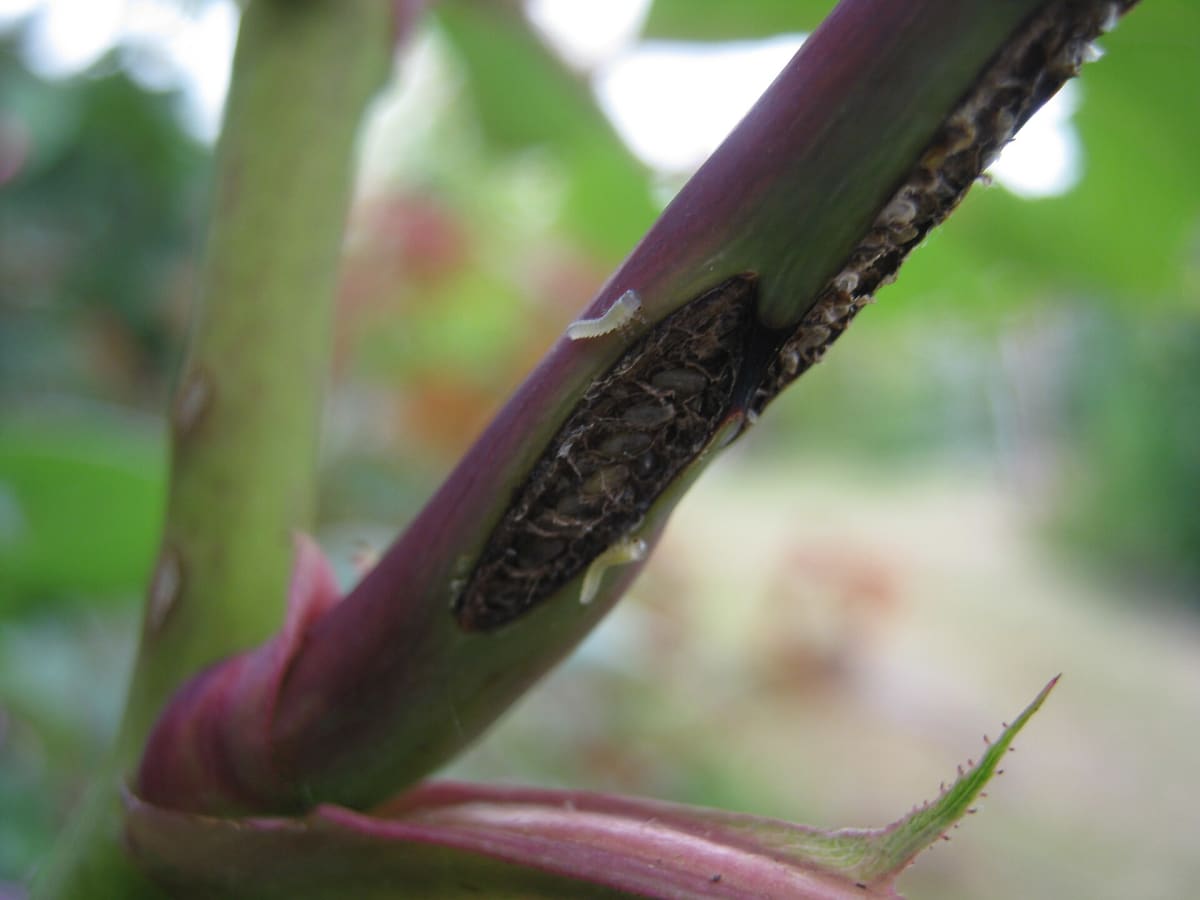
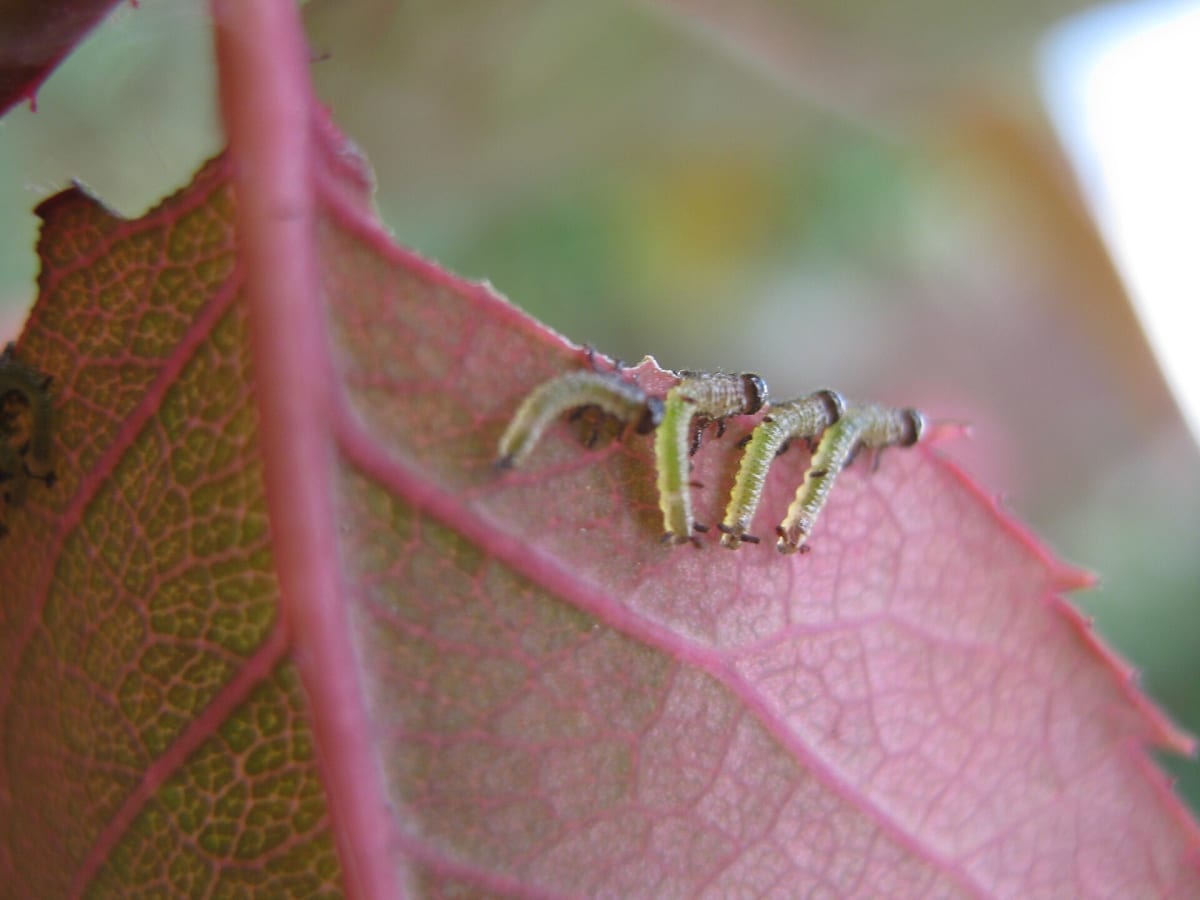
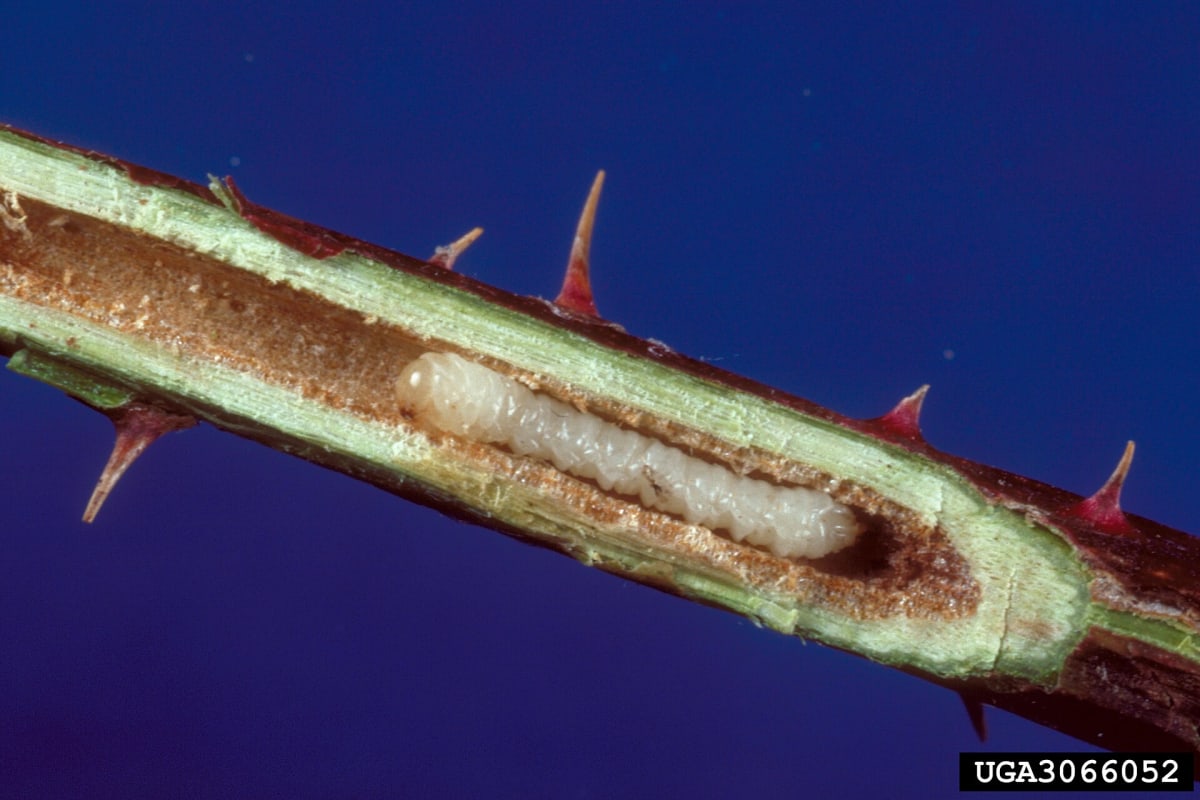
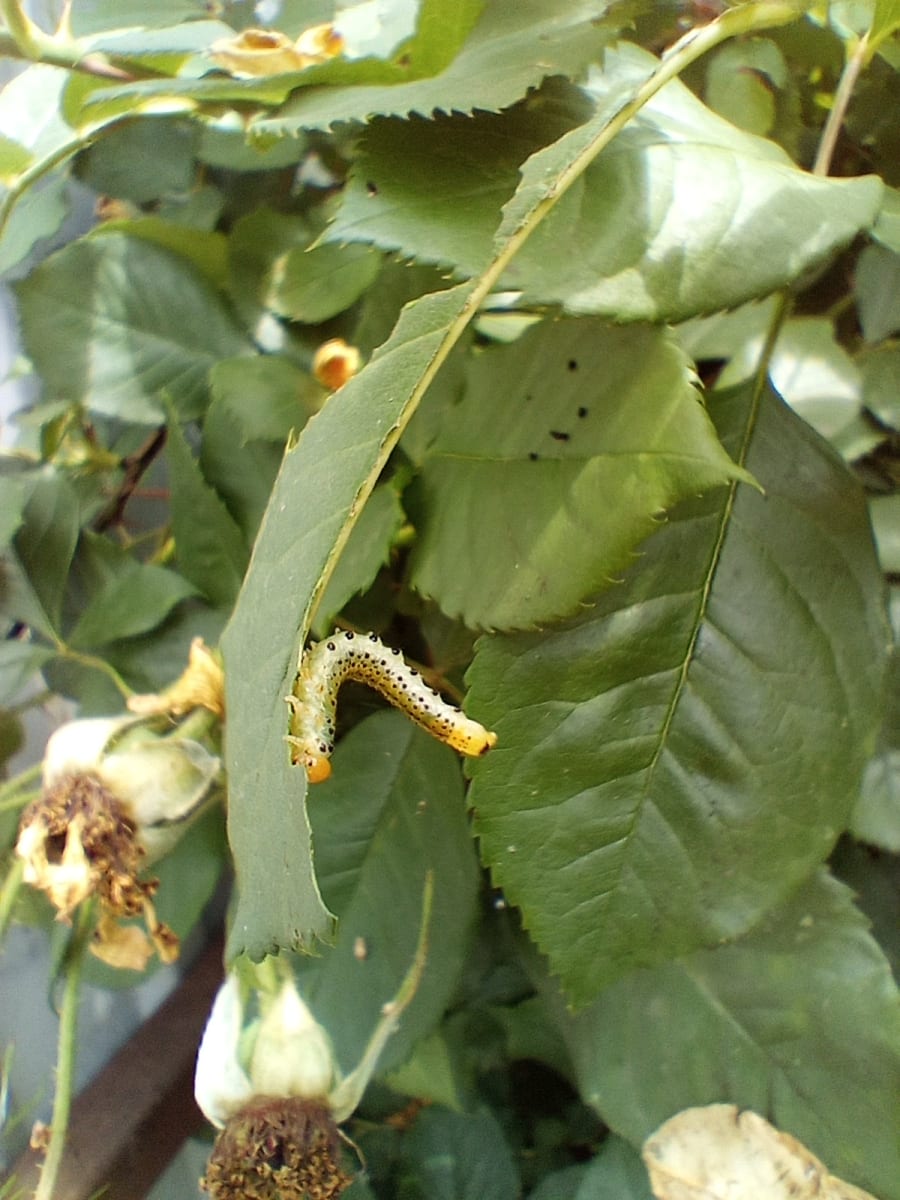
About this problem
Sawfly larvae are the larval stage of insects in the suborder Symphyta, part of the order Hymenoptera. These larvae are often mistaken for caterpillars due to their similar appearance but can be distinguished by the presence of more than five pairs of prolegs. They feed on the leaves of a wide range of plants, including trees, shrubs, and herbaceous plants. Over a growing season, sawfly larvae can cause considerable defoliation, which may weaken plants and reduce their growth and productivity. They are often confused with caterpillars, but unlike caterpillars, sawfly larvae lack the crochets (tiny hooks) on their prolegs.
Symptoms
- Holes in leaves
- Chewed leaf edges
- Defoliation
- Visible larvae on plants
- Skeletonized leaves
Cause
Sawfly larvae originate from eggs laid by adult sawflies on host plants. The presence of suitable host plants and favorable environmental conditions can invite infestations.
Conditions that favour it
- Warm temperatures
- Abundant host plants
- Lack of natural predators
- Dense plantings
Plants most affected
- Roses
- Pines
- Willows
- Birches
- Currants
- Gooseberries
- Apples
- Pears
- Plums
- Cherries
Treatment
Educational information only, and not a substitute for professional diagnosis. Identify the problem before treating it, and check that any product is registered for this plant and this use where you live.
Cultural control
- Hand-picking larvae
- Encouraging natural predators
- Pruning infested branches
- Ensuring proper plant spacing
Organic options
- Neem oil
- Insecticidal soap
- Bacillus thuringiensis (Bt)
Chemical options
- Spinosad Effective against sawfly larvae
Read and follow the product label. The label is the legally binding instruction. Confirm the product is registered for this plant and for this use in your area before applying it.
Prevention
- Regular monitoring of plants
- Encouraging beneficial insects
- Maintaining plant health
- Removing debris from around plants