Japanese beetle
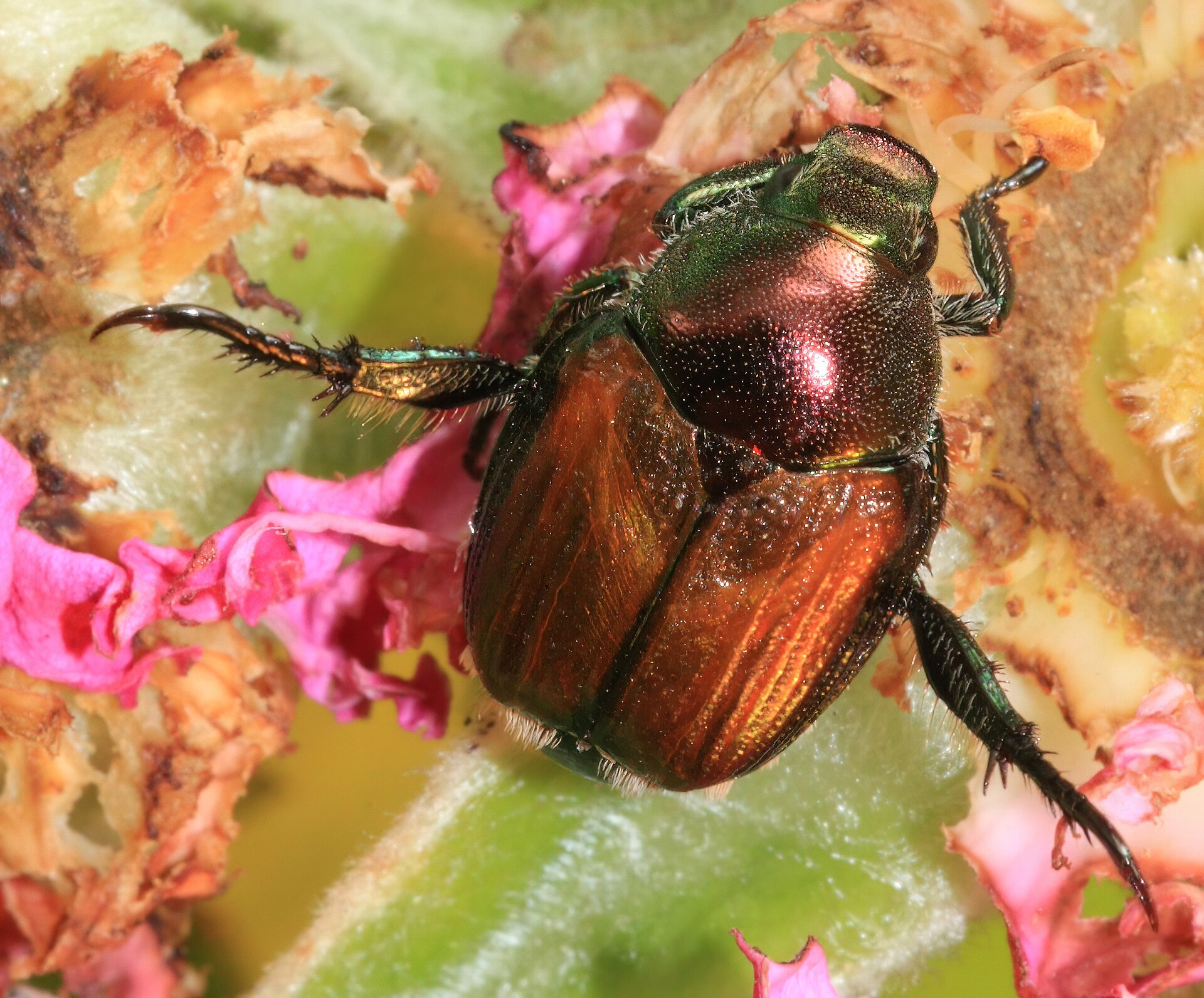
The Japanese beetle, Popillia japonica, is a destructive pest that feeds on a wide range of plants. It causes significant damage by skeletonizing leaves, which can lead to reduced plant vigor and aesthetic value.
About this problem
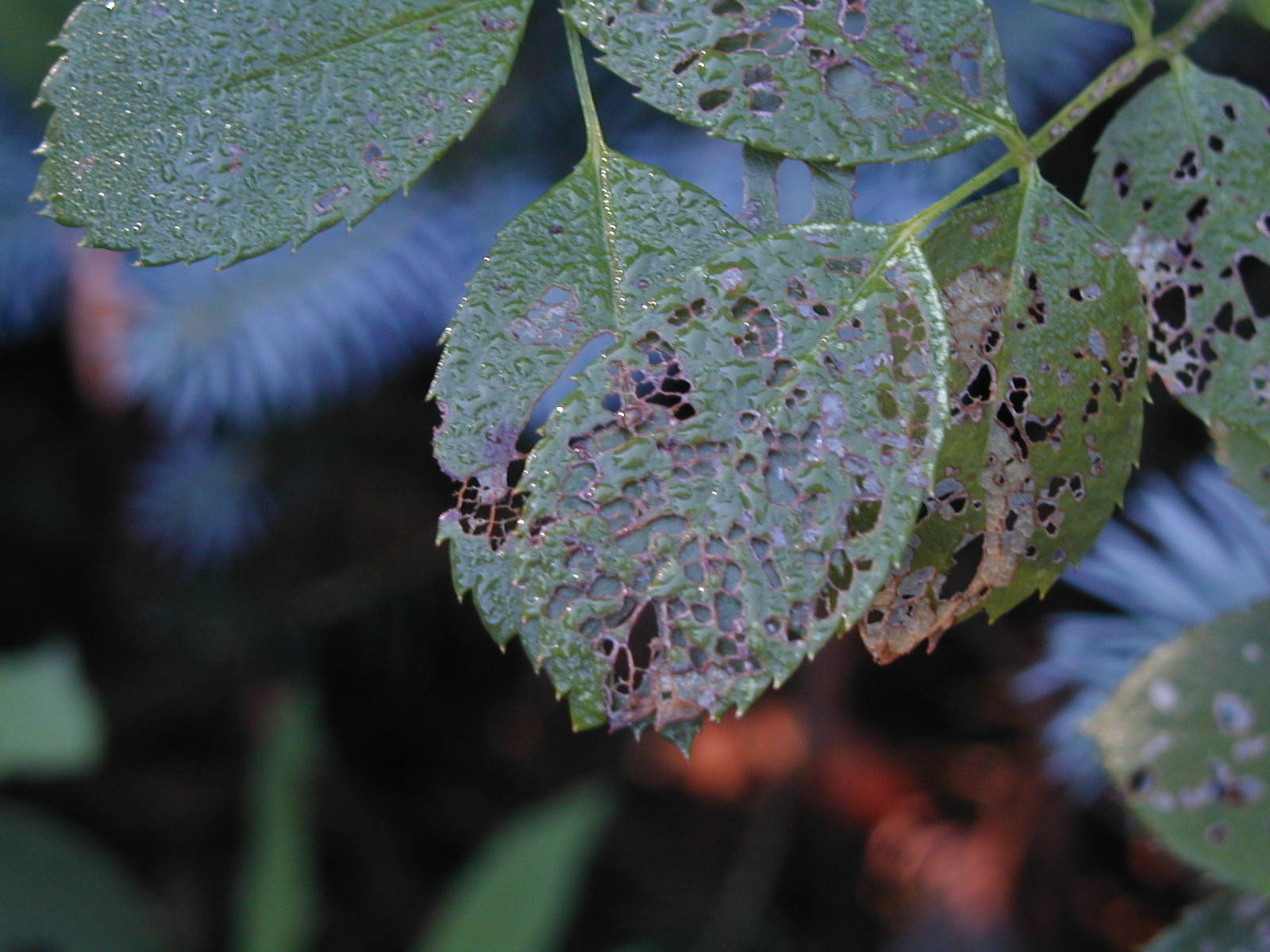
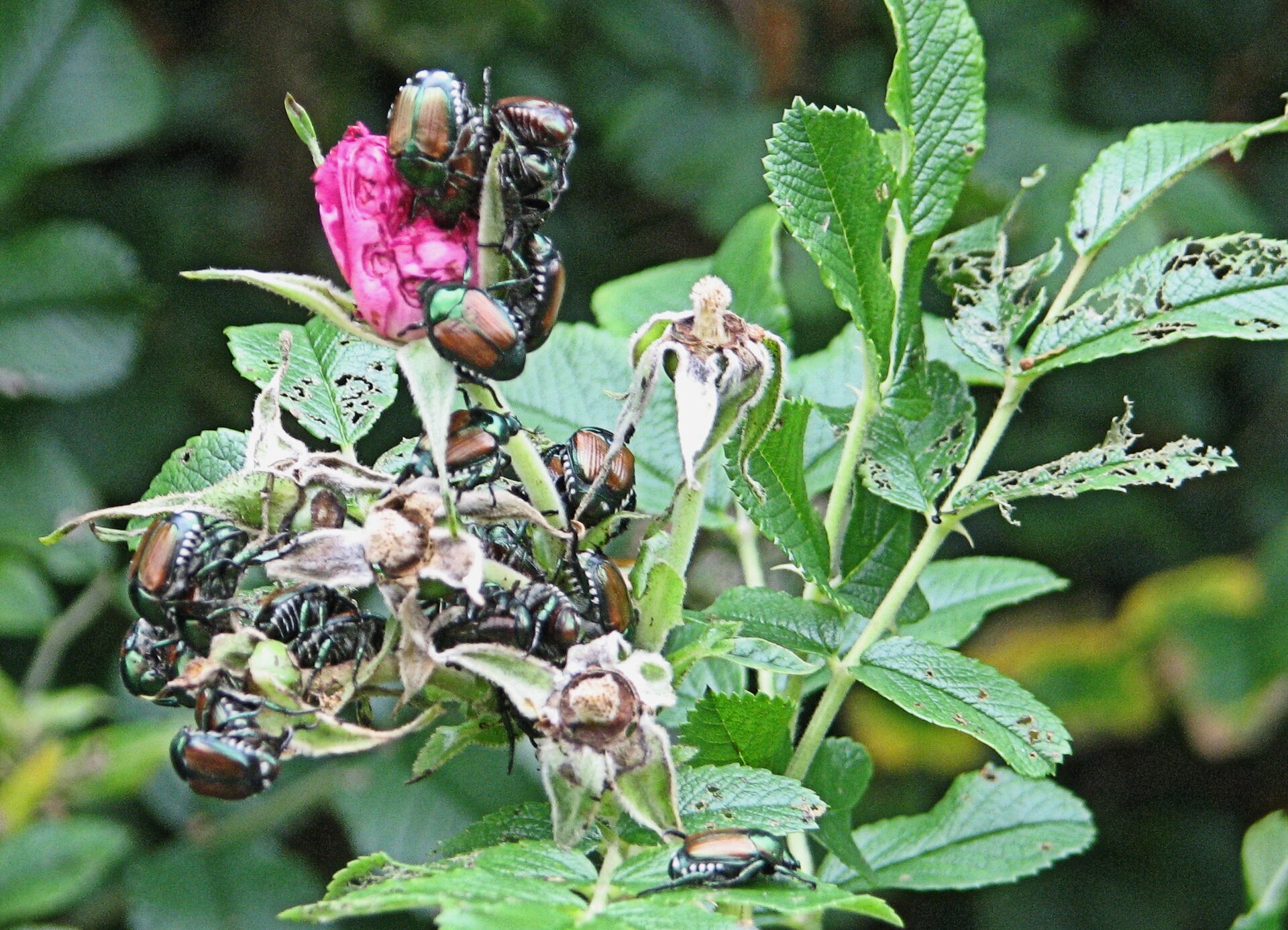
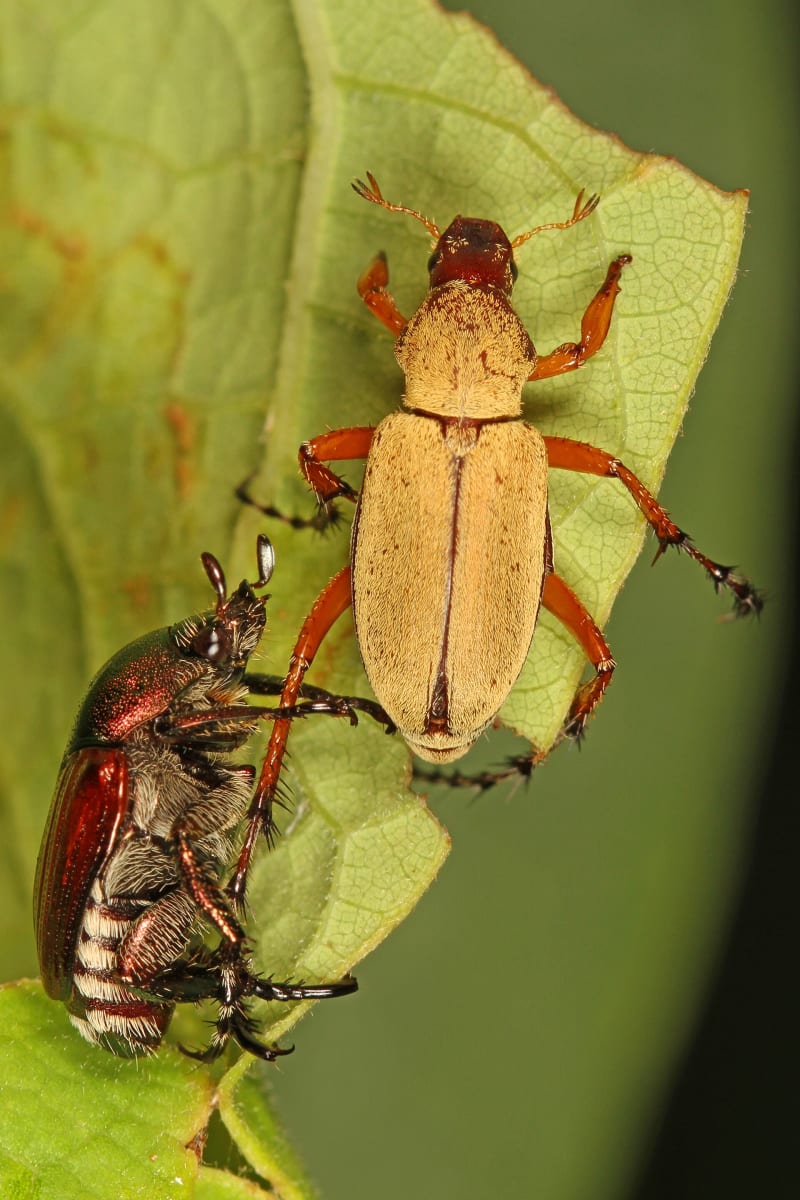
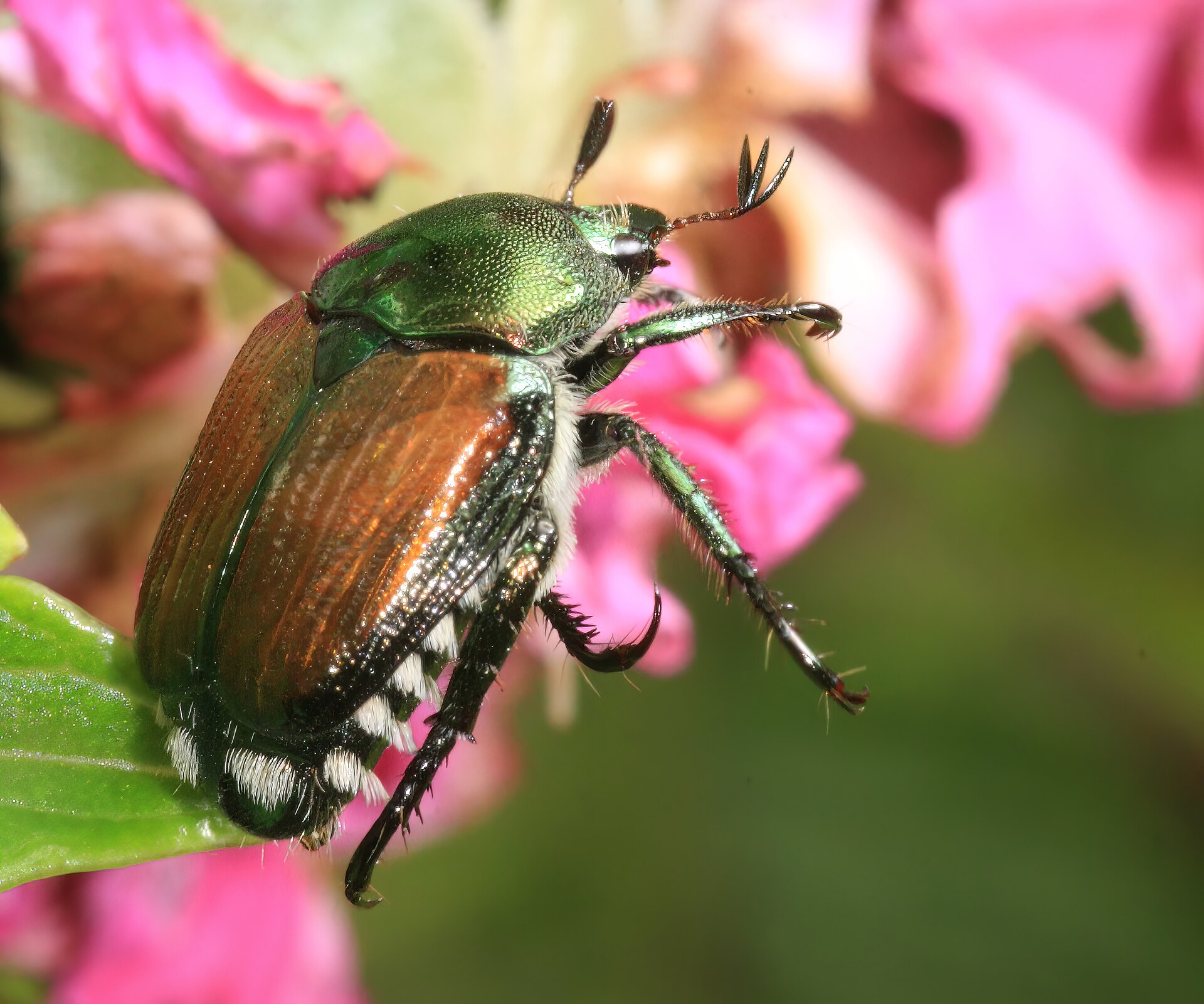
The Japanese beetle is a well-known pest that affects a variety of plants, including ornamental shrubs, fruit trees, and vegetables. Adult beetles feed on the foliage, flowers, and fruits, leaving behind skeletonized leaves and damaged flowers. This feeding can weaken plants, making them more susceptible to other stresses. The beetle is often confused with other beetles due to its metallic green body and copper-brown wing covers. Over a season, the damage can accumulate, leading to significant defoliation if not managed properly.
Symptoms
- Skeletonized leaves
- Chewed leaf edges
- Damaged flowers
- Visible insects on the plant
- Leaf drop
Cause
The Japanese beetle originates from Japan and was introduced to North America in the early 20th century. It thrives in areas with warm, humid summers and is attracted to well-maintained lawns and gardens.
Conditions that favour it
- Warm, humid summers
- Well-maintained lawns
- Abundant host plants
- Sunny locations
Plants most affected
- Roses
- Grapevines
- Linden trees
- Apple trees
- Cherry trees
- Maple trees
- Birch trees
- Elm trees
- Soybeans
- Corn
Treatment
Educational information only, and not a substitute for professional diagnosis. Identify the problem before treating it, and check that any product is registered for this plant and this use where you live.
Cultural control
- Hand-picking beetles
- Using row covers
- Encouraging birds
- Maintaining plant health
Organic options
- Neem oil
- Insecticidal soap
- Milky spore
- Beneficial nematodes
Chemical options
- Imidacloprid Used for controlling larvae in the soil
- Carbaryl Used for controlling adult beetles
Read and follow the product label. The label is the legally binding instruction. Confirm the product is registered for this plant and for this use in your area before applying it.
Prevention
- Regular monitoring
- Removing attractant plants
- Maintaining healthy soil
- Using traps judiciously