Gall mites
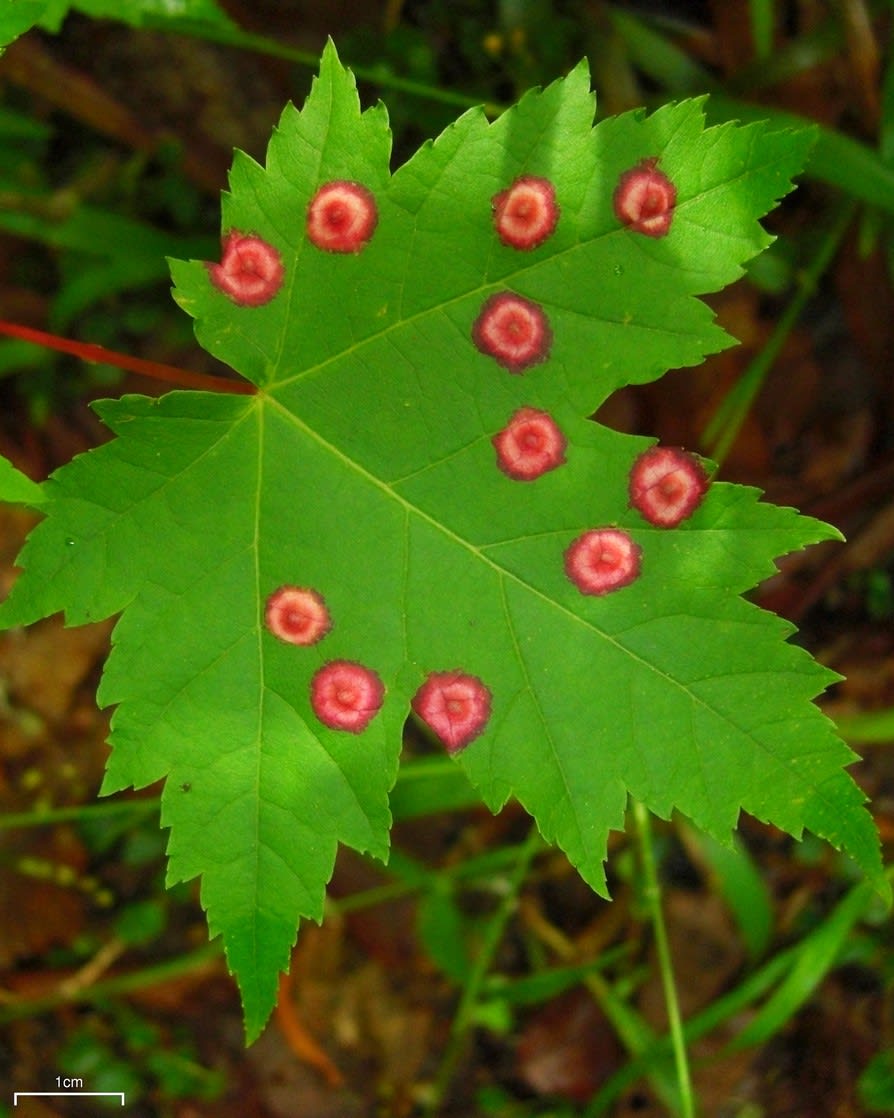
Gall mites are tiny arthropods from the family Eriophyidae that cause abnormal growths, or galls, on plants. These galls can lead to distorted leaves and stems, but they rarely cause serious harm to the plant's overall health.
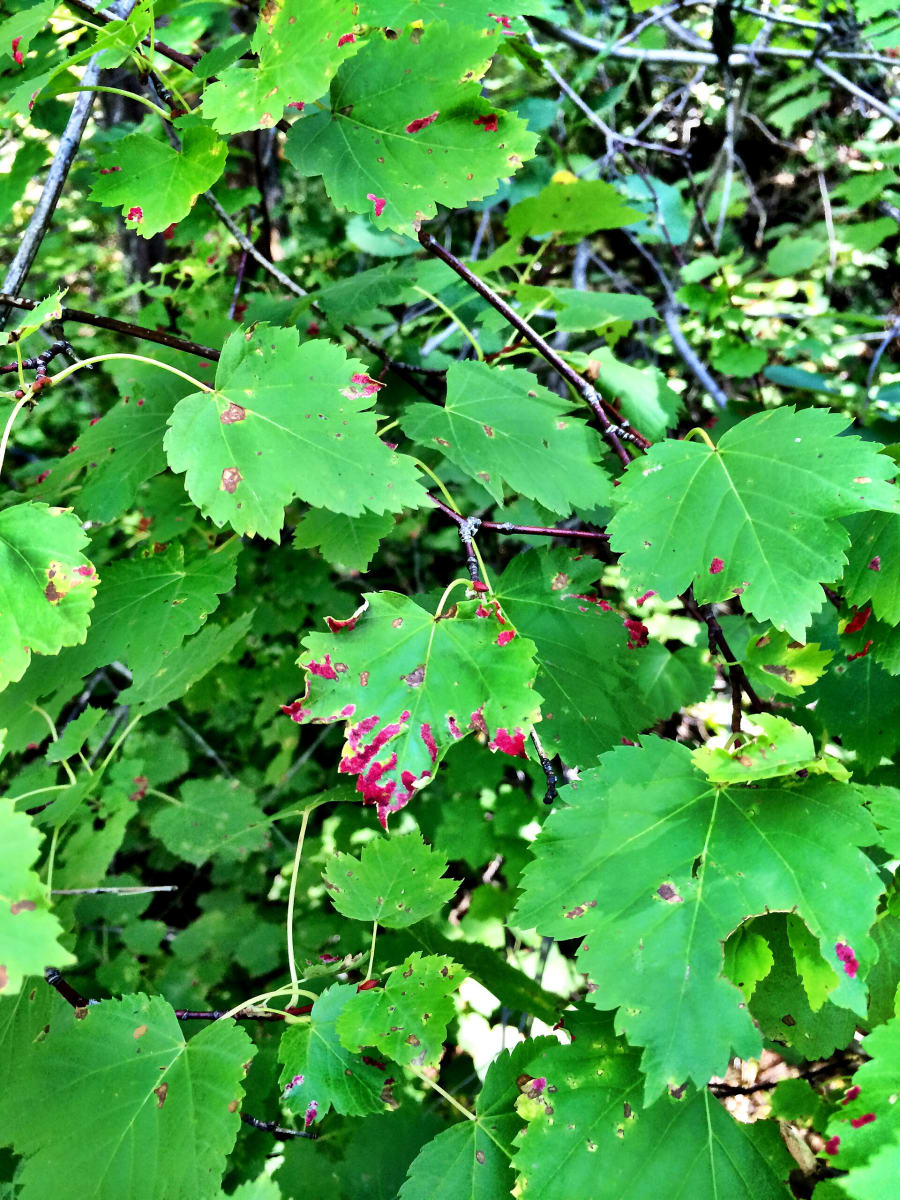
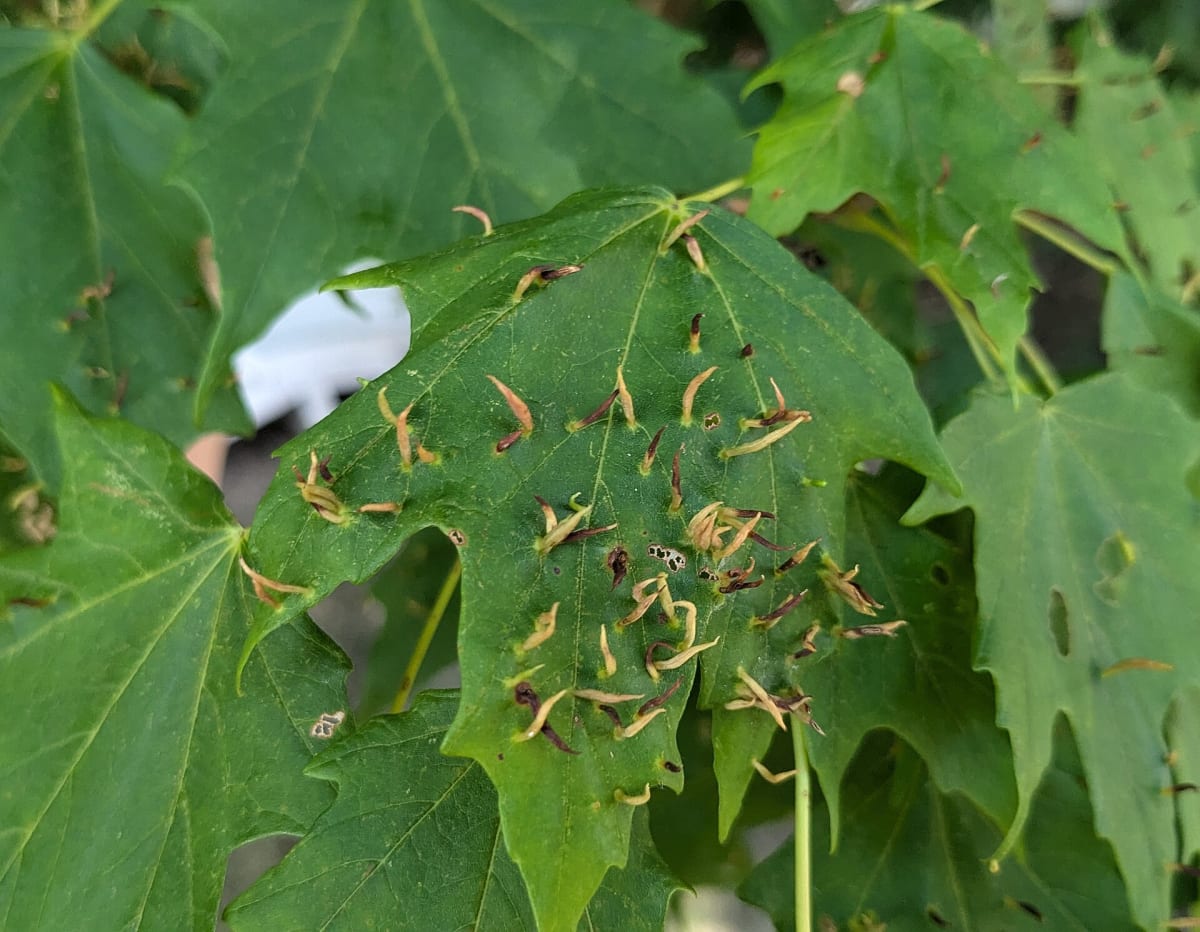
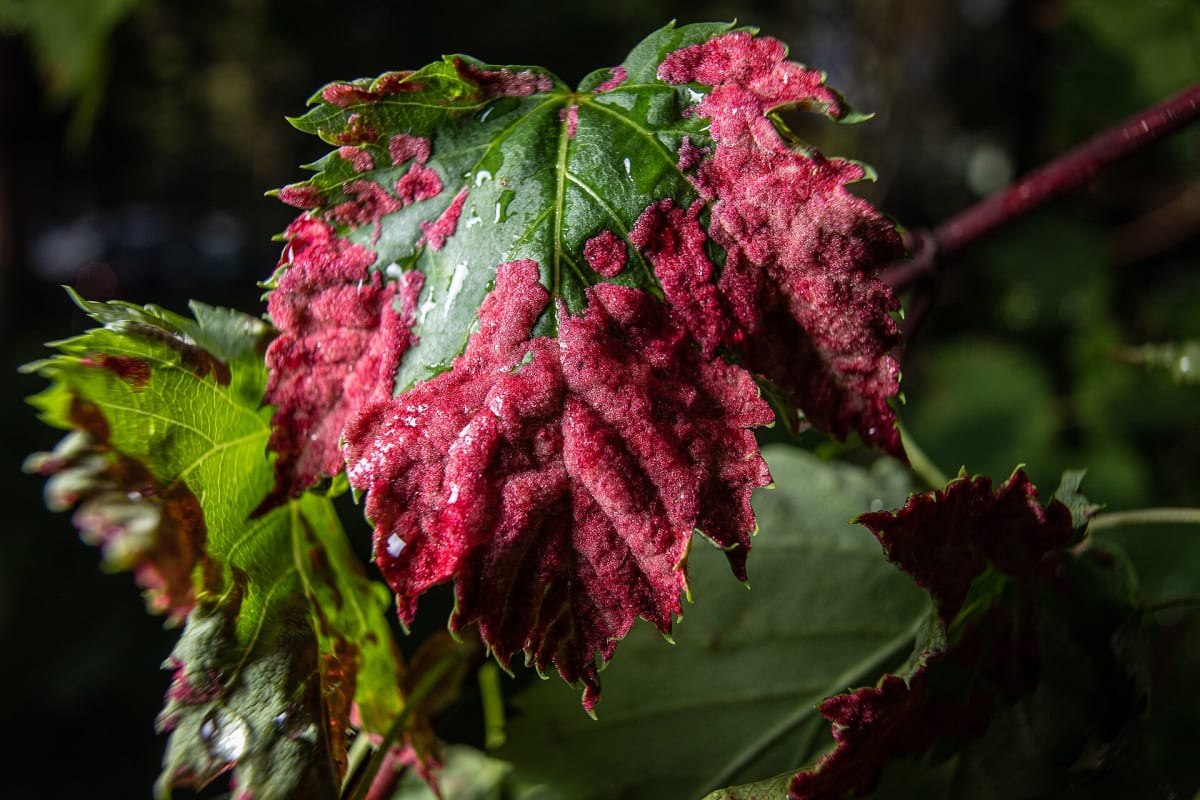
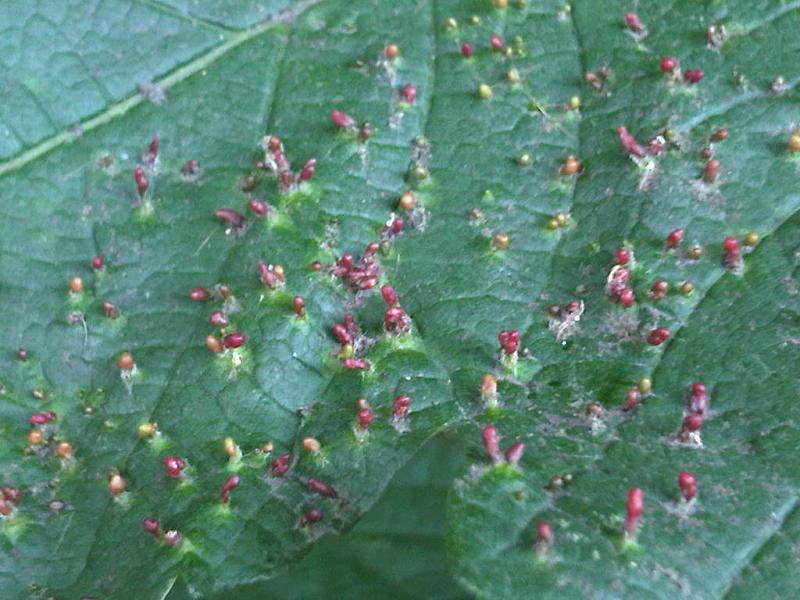
About this problem
Gall mites are microscopic pests that belong to the family Eriophyidae. They feed by piercing plant cells and sucking out the contents, which induces the plant to form galls. These galls can vary in size, shape, and color depending on the plant species and the specific mite involved. Over a growing season, gall formation can lead to significant aesthetic damage, although it typically does not severely impact plant health. Gall mites are often confused with other gall-forming insects, but they are distinguished by their microscopic size and the specific types of galls they produce.
Symptoms
- Galls or swellings on leaves
- Curled or distorted leaves
- Stunted growth
- Leaf drop
Cause
Gall mites are often introduced to plants through infested nursery stock or by wind dispersal. They are attracted to plants that are stressed or weakened, which makes them more susceptible to infestation.
Conditions that favour it
- Warm temperatures
- High humidity
- Dense plantings
- Poor air circulation
Plants most affected
- Maple
- Oak
- Elm
- Ash
- Willow
- Rose
- Pear
- Apple
- Grape
- Blackberry
Treatment
Educational information only, and not a substitute for professional diagnosis. Identify the problem before treating it, and check that any product is registered for this plant and this use where you live.
Cultural control
- Prune and destroy infested plant parts
- Encourage good air circulation
- Maintain plant health through proper watering and fertilization
Organic options
- Horticultural oil
- Insecticidal soap
- Neem oil
Chemical options
- Abamectin Used for controlling gall mite populations
Read and follow the product label. The label is the legally binding instruction. Confirm the product is registered for this plant and for this use in your area before applying it.
Prevention
- Inspect new plants for signs of galls before planting
- Promote plant health to reduce stress
- Space plants to ensure good air circulation
- Regularly monitor plants for early signs of infestation