Emerald ash borer
The emerald ash borer (Agrilus planipennis) is a destructive beetle that targets ash trees, leading to significant damage and often death of the tree. It bores into the tree's bark, disrupting the flow of nutrients and water.
About this problem
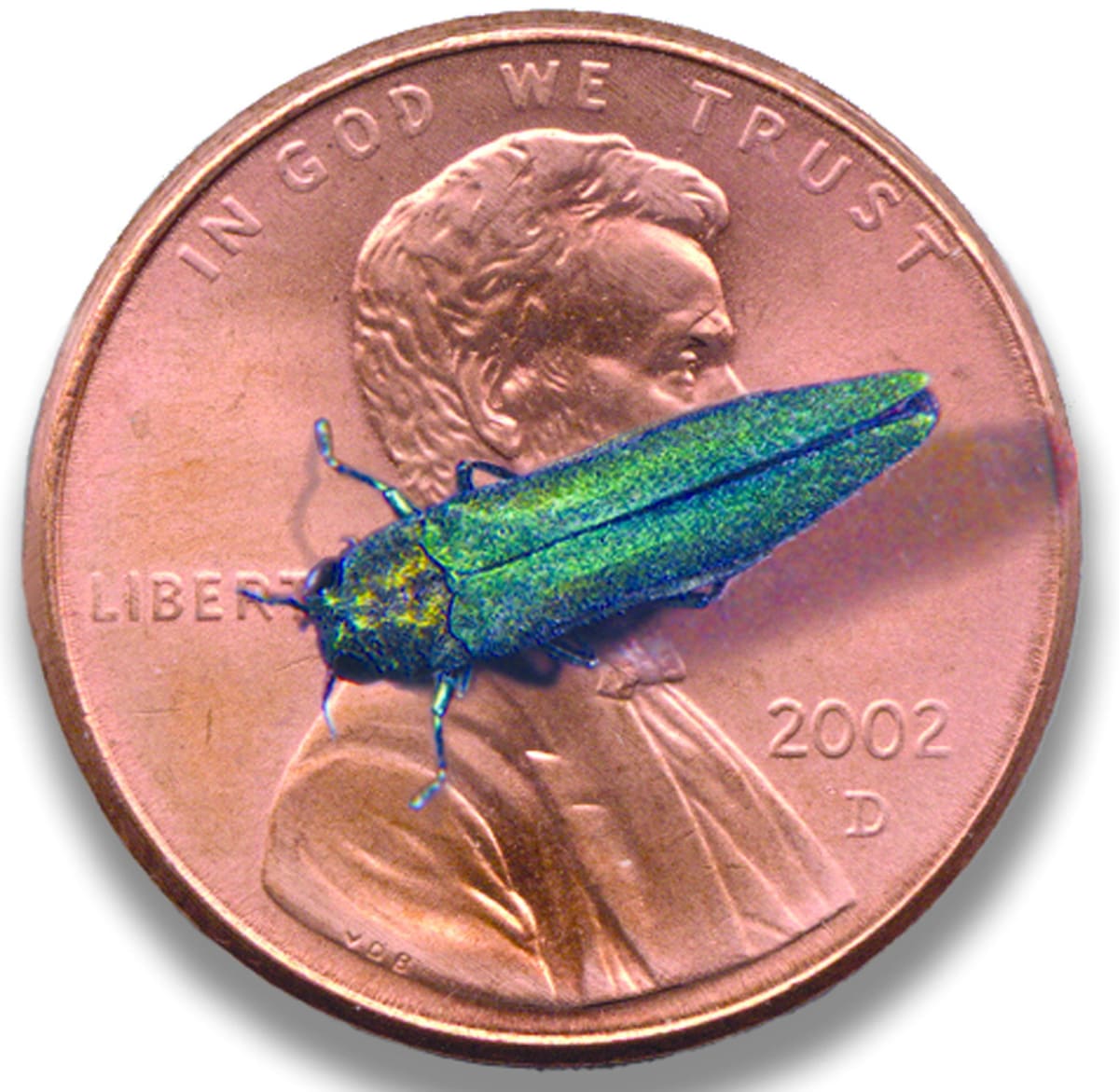
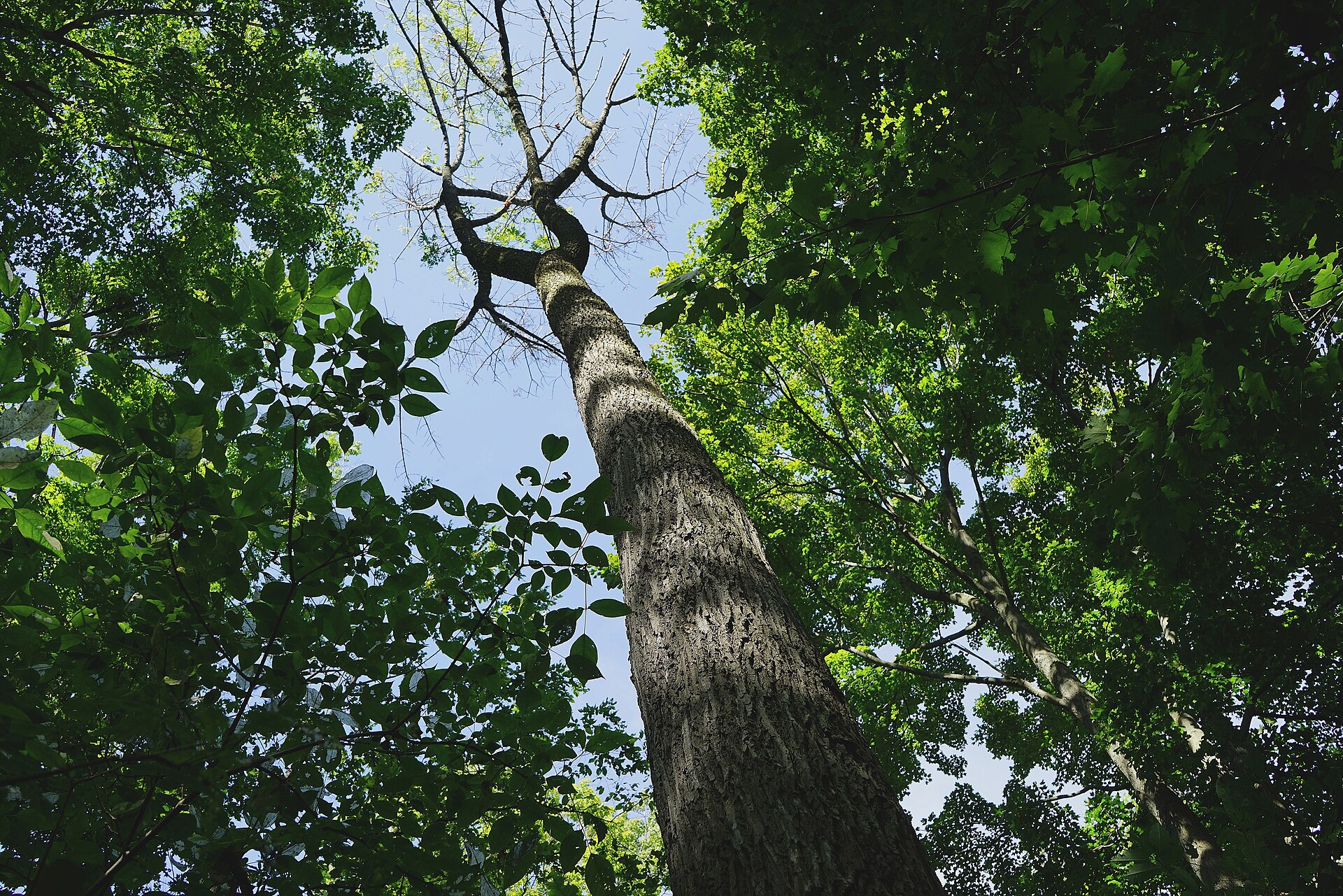
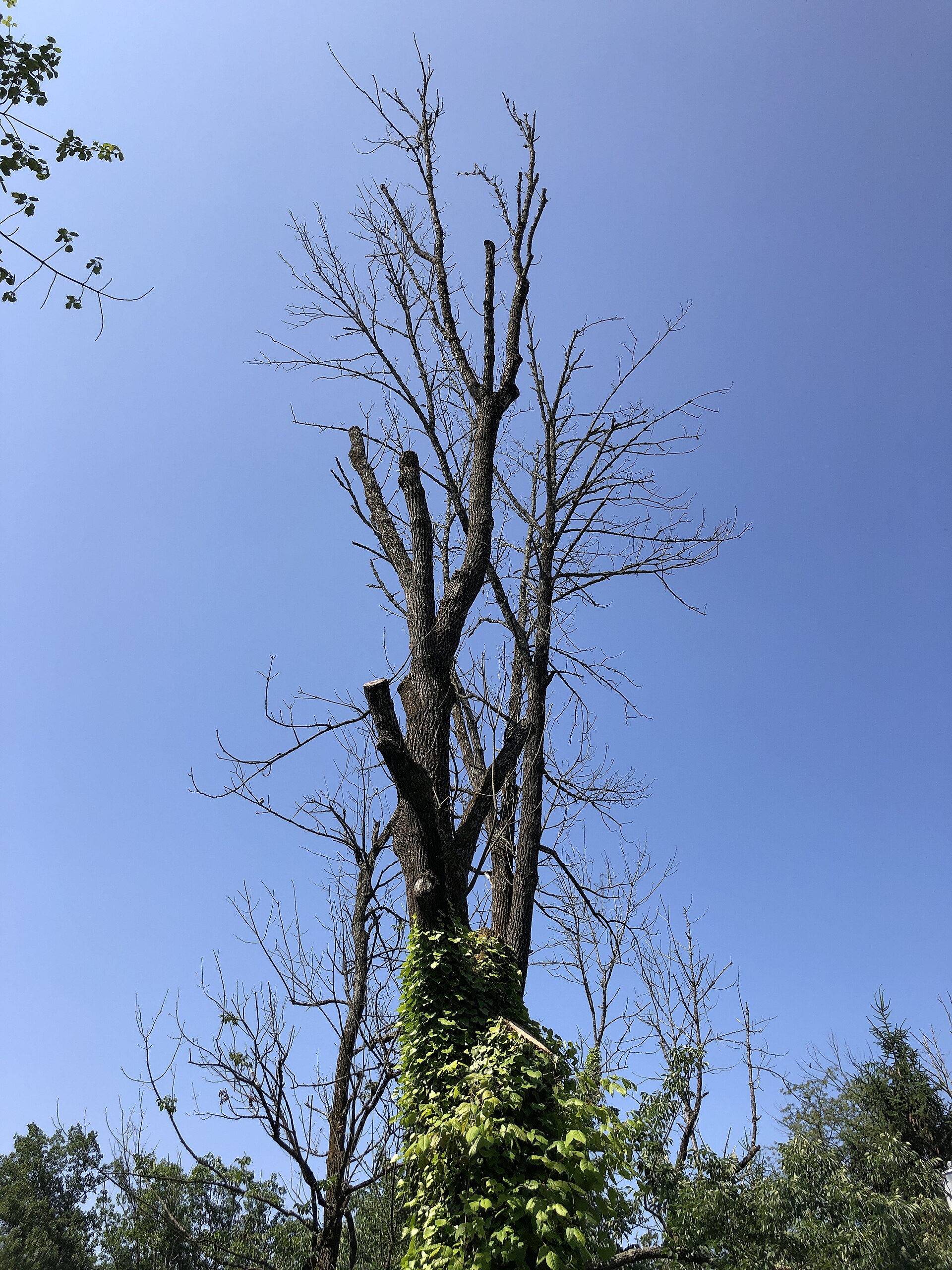
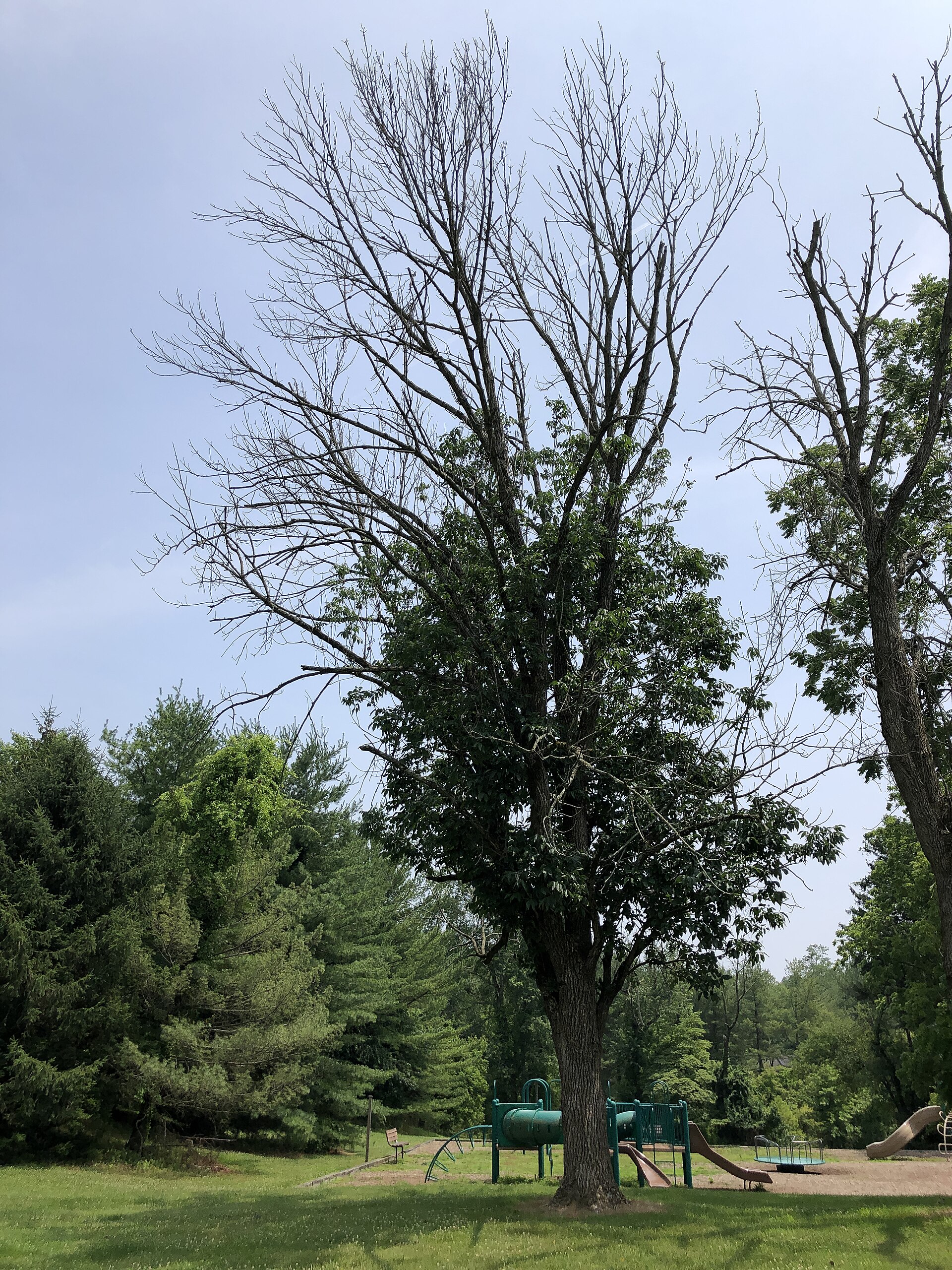
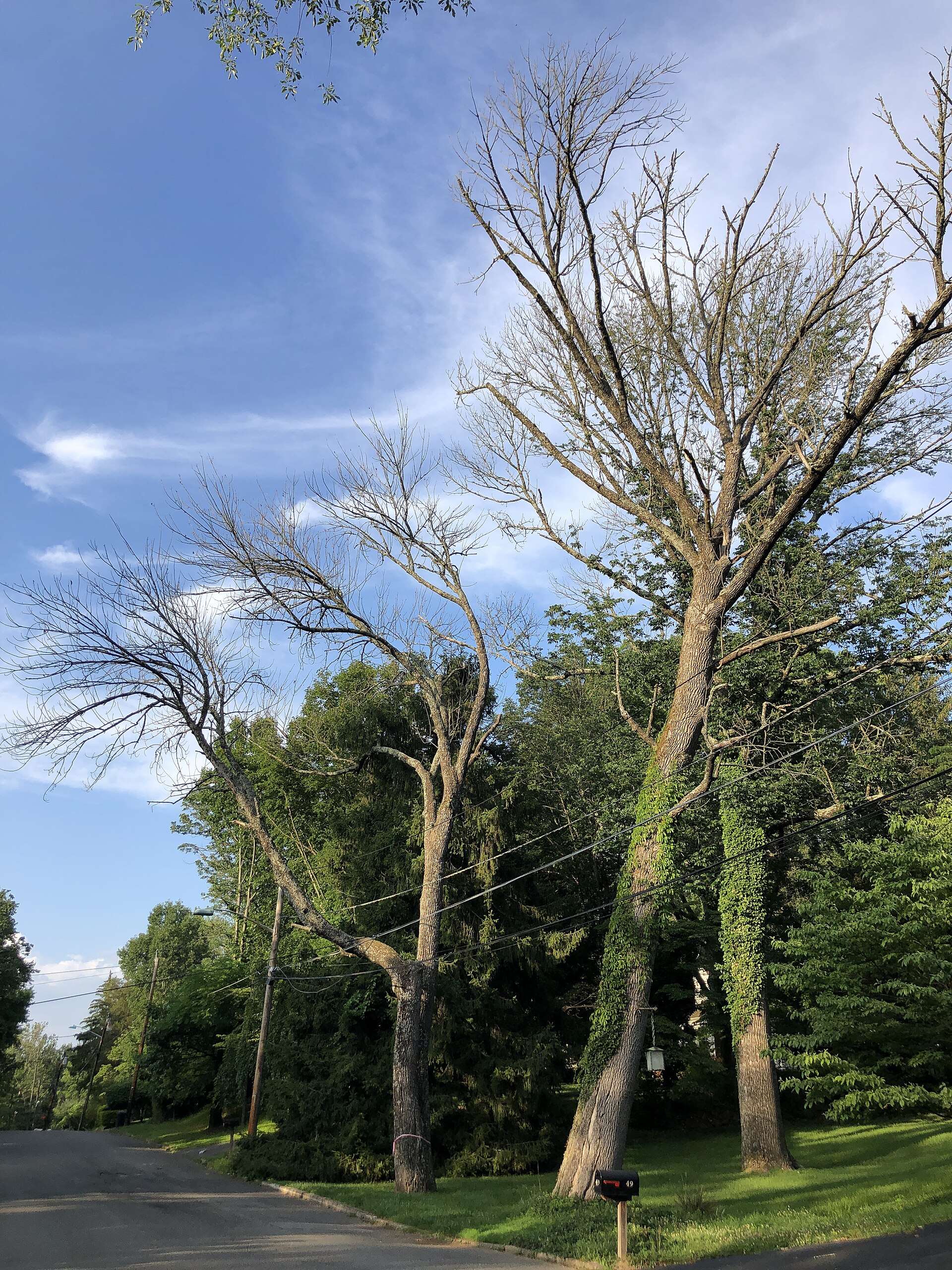
The emerald ash borer is a metallic green beetle native to Asia, now a serious invasive pest in North America. It primarily targets ash trees, laying eggs on the bark. The larvae bore into the tree, feeding on the inner bark and disrupting the tree's ability to transport water and nutrients. Over a season, this can lead to canopy dieback, bark splitting, and eventually tree death. The pest is often confused with other borers due to similar damage patterns, but its distinctive D-shaped exit holes and serpentine galleries under the bark are telltale signs.
Symptoms
- D-shaped exit holes in bark
- Serpentine galleries under bark
- Canopy dieback
- Bark splitting
- Increased woodpecker activity
- Epicormic shoots on trunk
Cause
The emerald ash borer is native to Asia and was likely introduced to North America through infested wood packaging materials. It spreads through the movement of infested ash wood products, such as firewood.
Conditions that favour it
- Presence of ash trees
- Warm temperatures
- Urban and suburban areas
- Low tree diversity
Plants most affected
- White ash
- Green ash
- Black ash
- Blue ash
- Pumpkin ash
- European ash
Treatment
Educational information only, and not a substitute for professional diagnosis. Identify the problem before treating it, and check that any product is registered for this plant and this use where you live.
Cultural control
- Remove and destroy infested trees
- Promote tree diversity
- Avoid moving ash wood
Organic options
- Neem oil
- Insecticidal soap
- Beauveria bassiana
Chemical options
- Imidacloprid Used for systemic treatment of infested trees
- Emamectin benzoate Injected into trees to control larvae
Read and follow the product label. The label is the legally binding instruction. Confirm the product is registered for this plant and for this use in your area before applying it.
Prevention
- Inspect trees regularly
- Use certified pest-free firewood
- Implement quarantine measures
- Educate the public about risks