Caterpillars
Caterpillars are the larval stage of moths and butterflies, belonging to the order Lepidoptera. They feed on plant leaves, causing holes and chewed edges, which can lead to significant defoliation if left unchecked.
About this problem
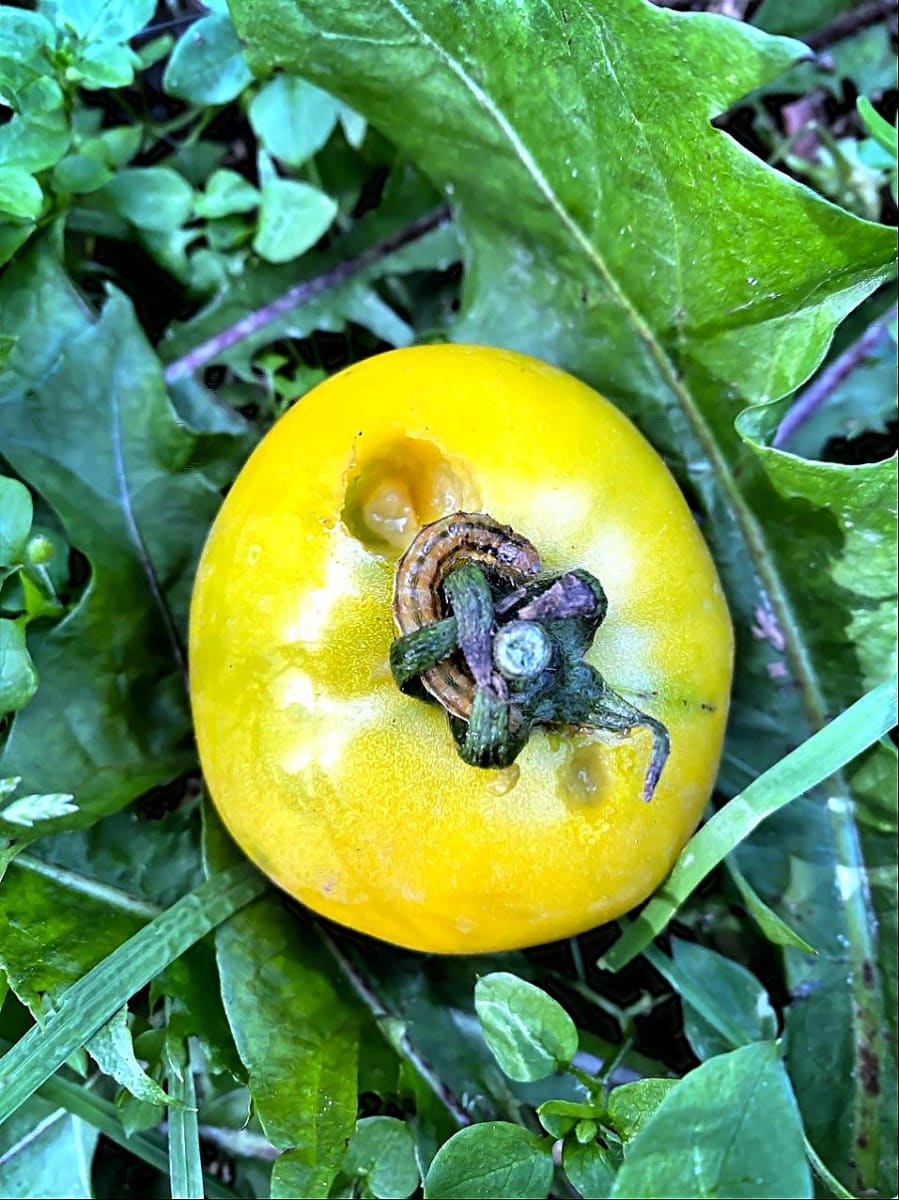
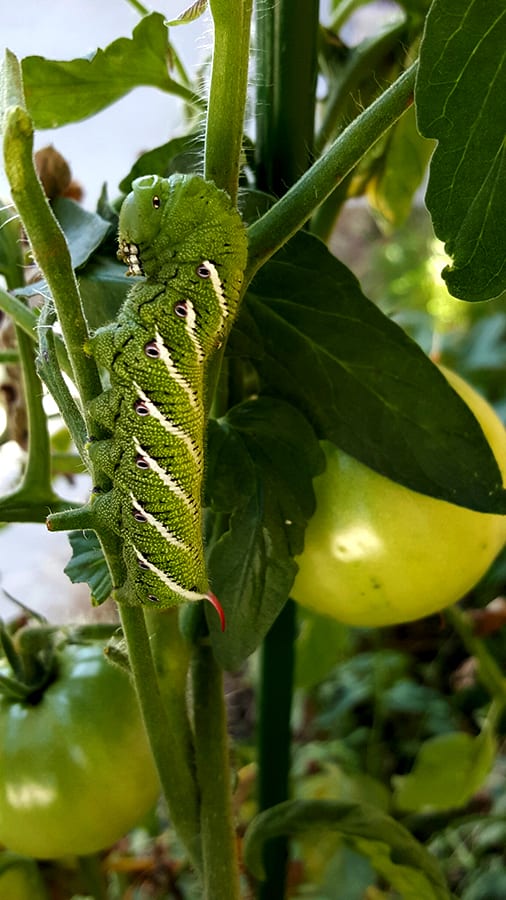
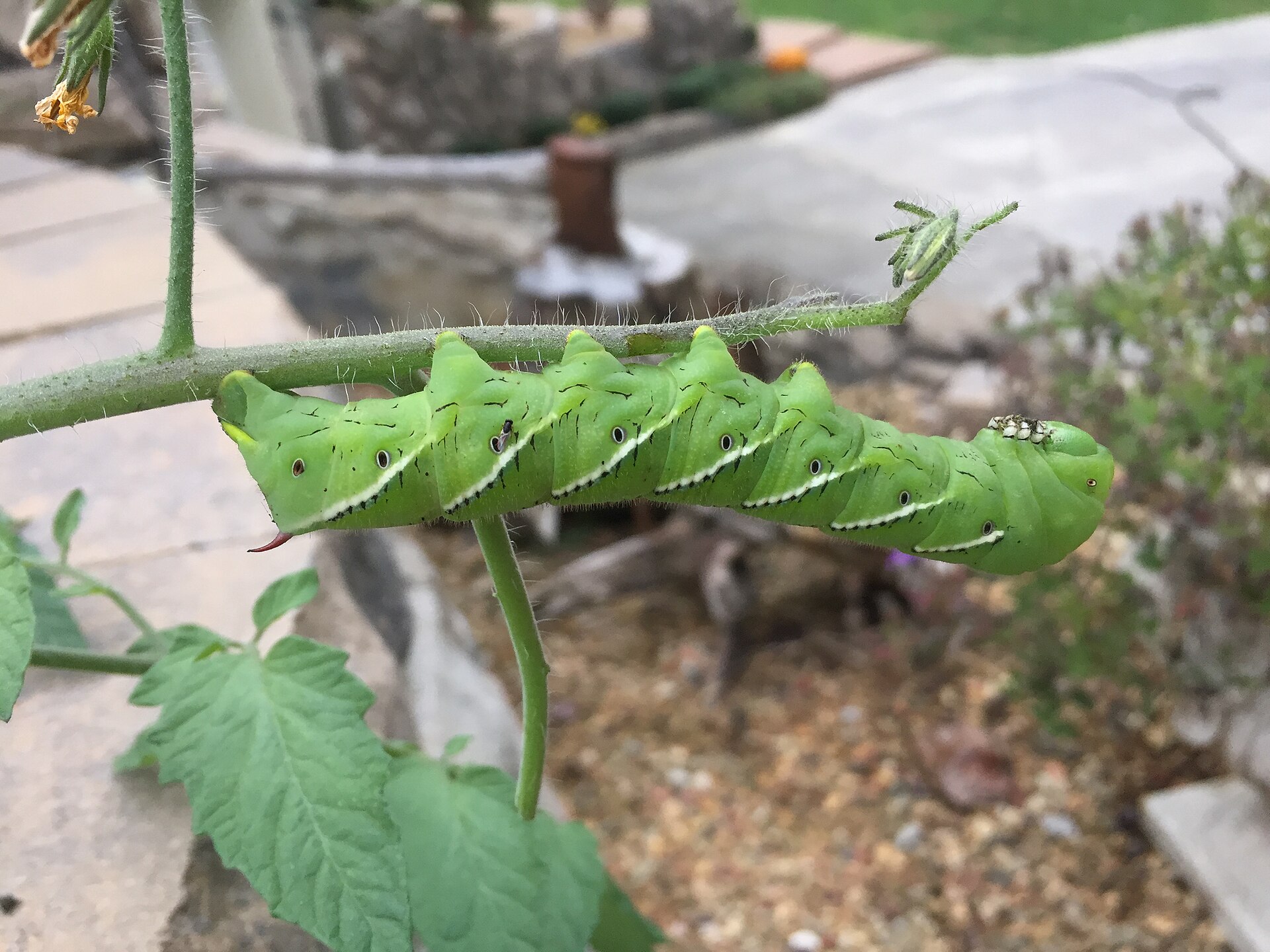
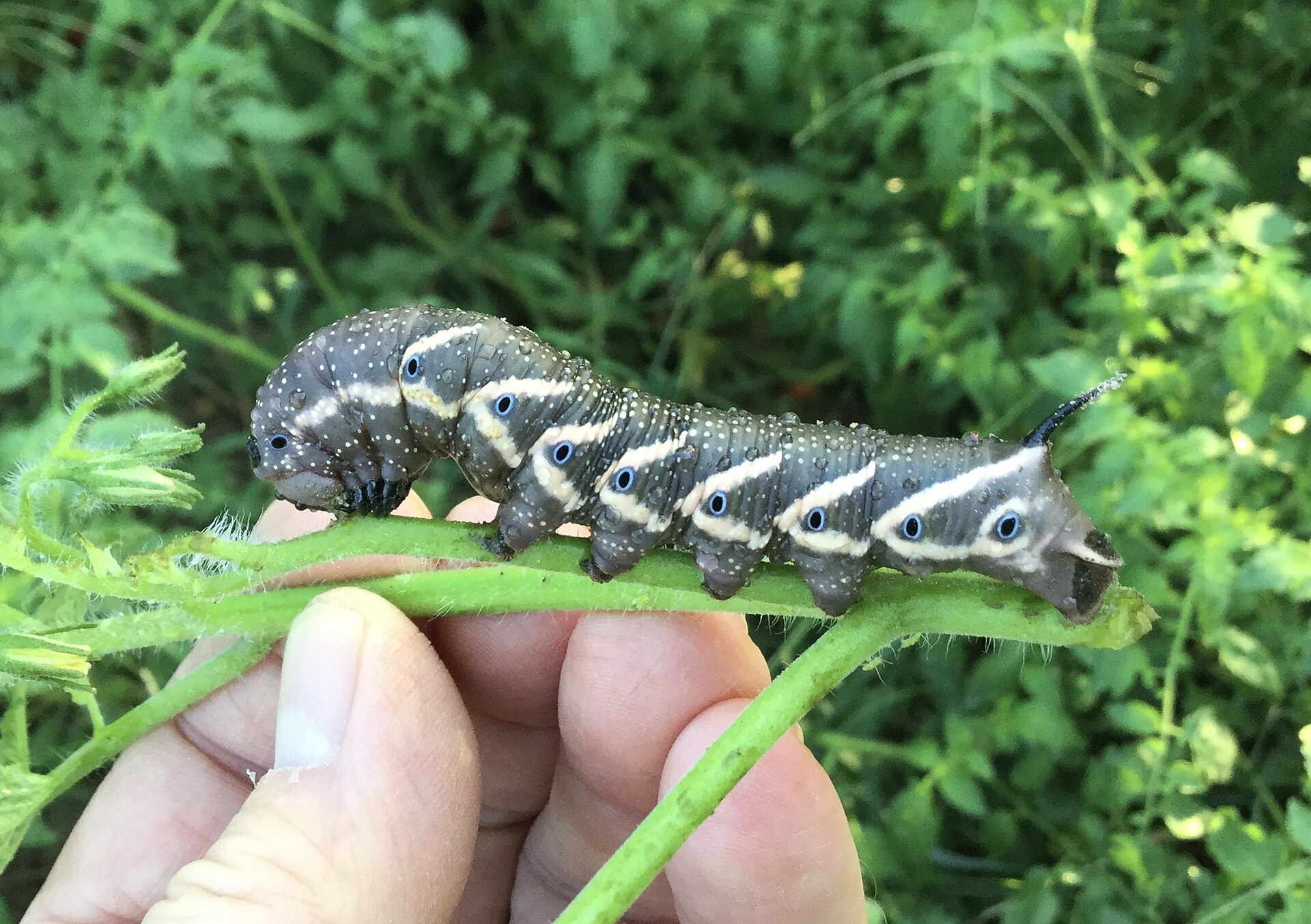
Caterpillars are the juvenile form of moths and butterflies, and they are known for their voracious appetite for plant foliage. They use their strong mandibles to chew through leaves, often leaving behind irregular holes and ragged edges. Caterpillars can cause significant damage, especially if they occur in large numbers. While they are often confused with other leaf-eating pests, such as beetles and sawflies, caterpillars can be distinguished by their soft, segmented bodies and the presence of prolegs. Control measures are necessary to prevent extensive defoliation, but they can be managed effectively with a combination of cultural, organic, and chemical treatments.
Symptoms
- Holes in leaves
- Chewed leaf edges
- Visible insects on the plant
- Leaf drop
Cause
Caterpillars originate from eggs laid by adult moths and butterflies. They are attracted to plants by the presence of lush, healthy foliage, which provides an abundant food source.
Conditions that favour it
- Warm temperatures
- Abundant foliage
- Lack of natural predators
- Dense plantings
Plants most affected
- Tomato
- Cabbage
- Apple
- Roses
- Oak
- Maple
- Corn
- Soybean
- Cotton
- Lettuce
- Peas
- Beans
Treatment
Educational information only, and not a substitute for professional diagnosis. Identify the problem before treating it, and check that any product is registered for this plant and this use where you live.
Cultural control
- Handpicking caterpillars off plants
- Encouraging beneficial insects
- Maintaining plant spacing for airflow
- Regular monitoring of plants
Organic options
- Bacillus thuringiensis
- Neem oil
- Spinosad
Chemical options
- Carbaryl Effective for controlling caterpillars
Read and follow the product label. The label is the legally binding instruction. Confirm the product is registered for this plant and for this use in your area before applying it.
Prevention
- Regularly inspect plants for eggs and larvae
- Encourage natural predators like birds
- Use row covers to protect plants
- Rotate crops to disrupt lifecycle