Fungi
18 entries
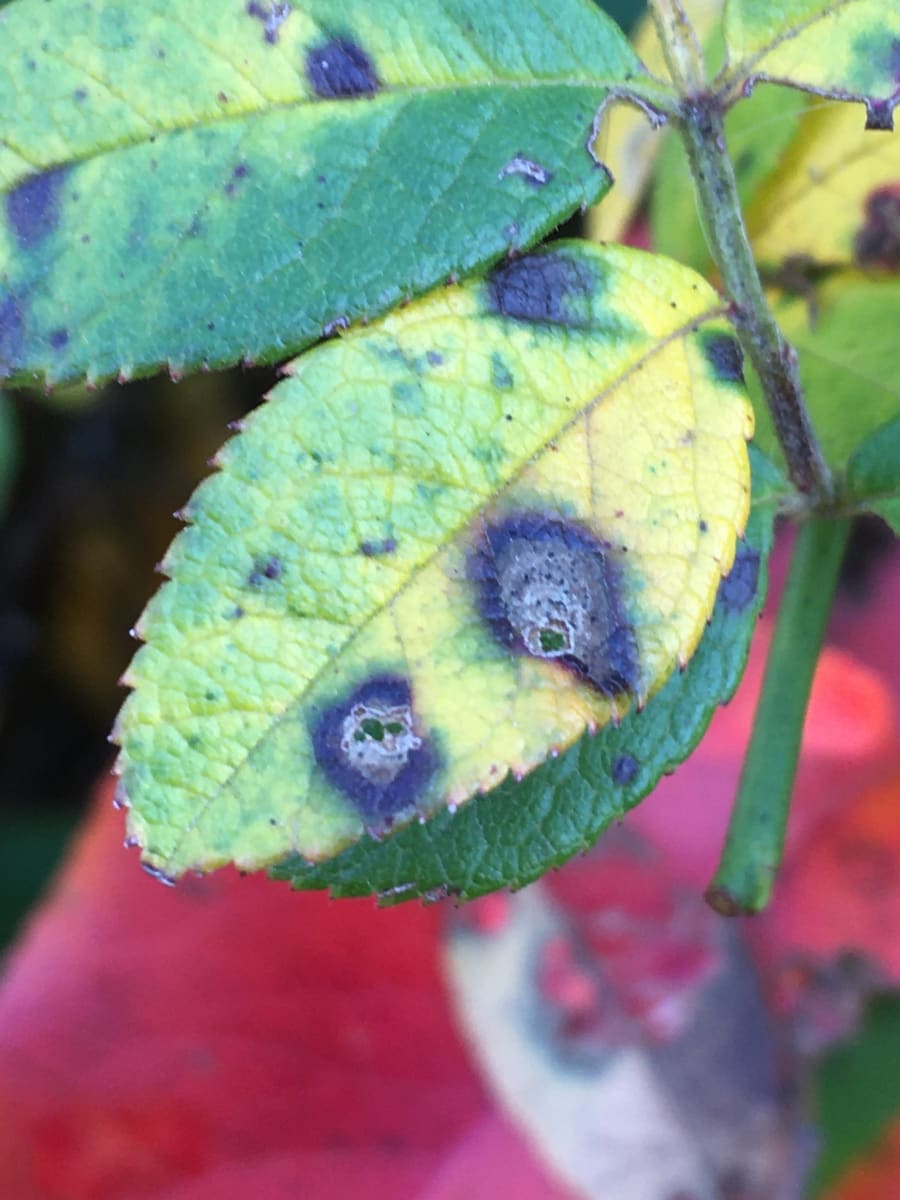
Black spot of rose
Diplocarpon rosae
Black spot of rose is a common fungal disease caused by Diplocarpon rosae, characterized by black spots on the leaves of rose plants. It can lead to leaf drop and reduced plant vigor if not managed properly.
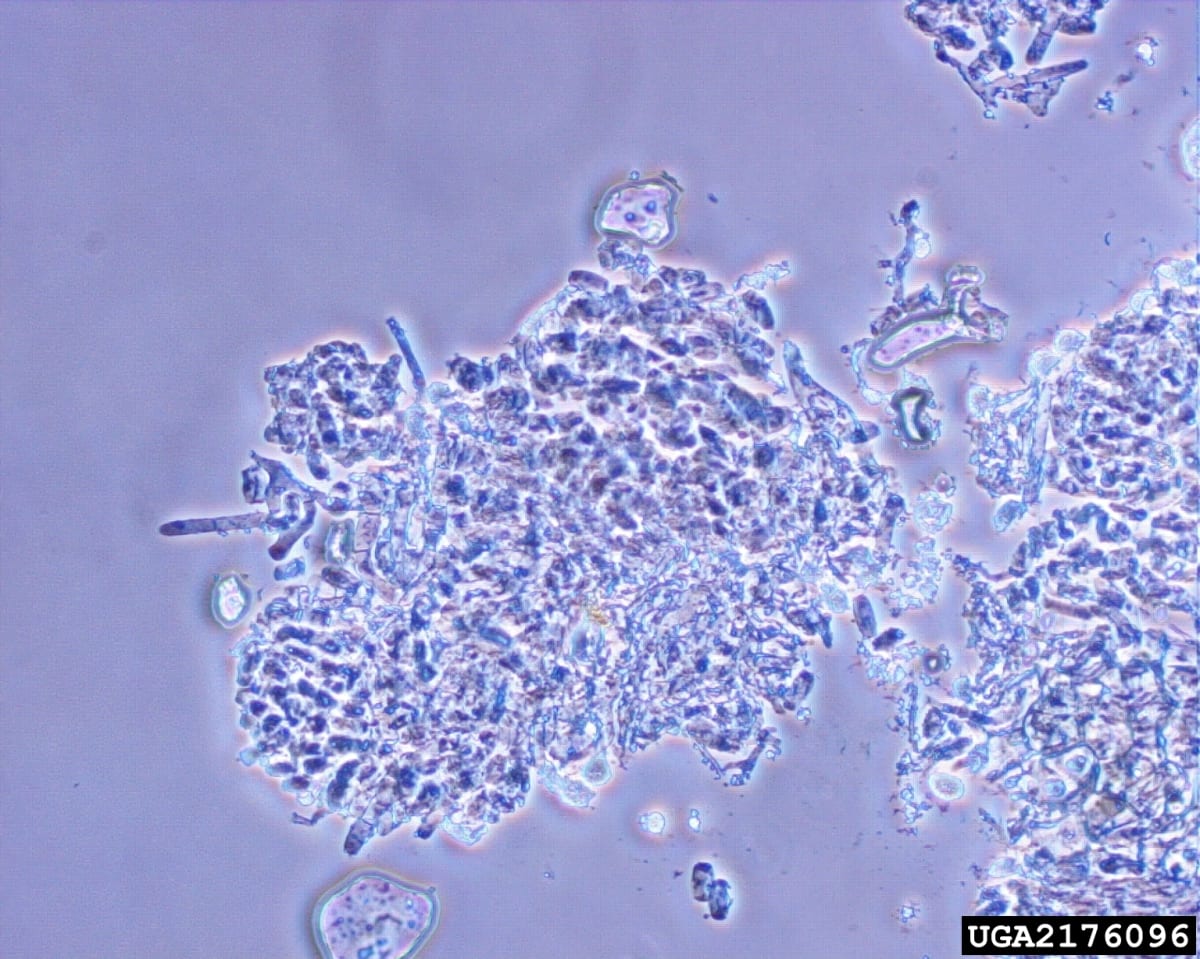
Powdery mildew
Erysiphales
Powdery mildew is a common fungal disease caused by Erysiphales, characterized by white, powdery spots on leaves and stems. It affects a wide range of plants, leading to reduced growth and vigor.
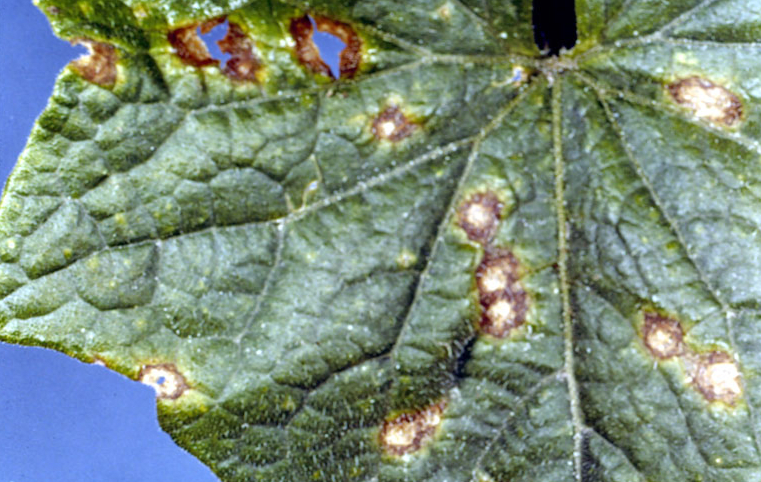
Anthracnose
Colletotrichum
Anthracnose is a fungal disease caused by Colletotrichum species, affecting a wide range of plants. It manifests as dark, sunken lesions on leaves, stems, flowers, and fruits, often leading to defoliation and reduced plant vigor.
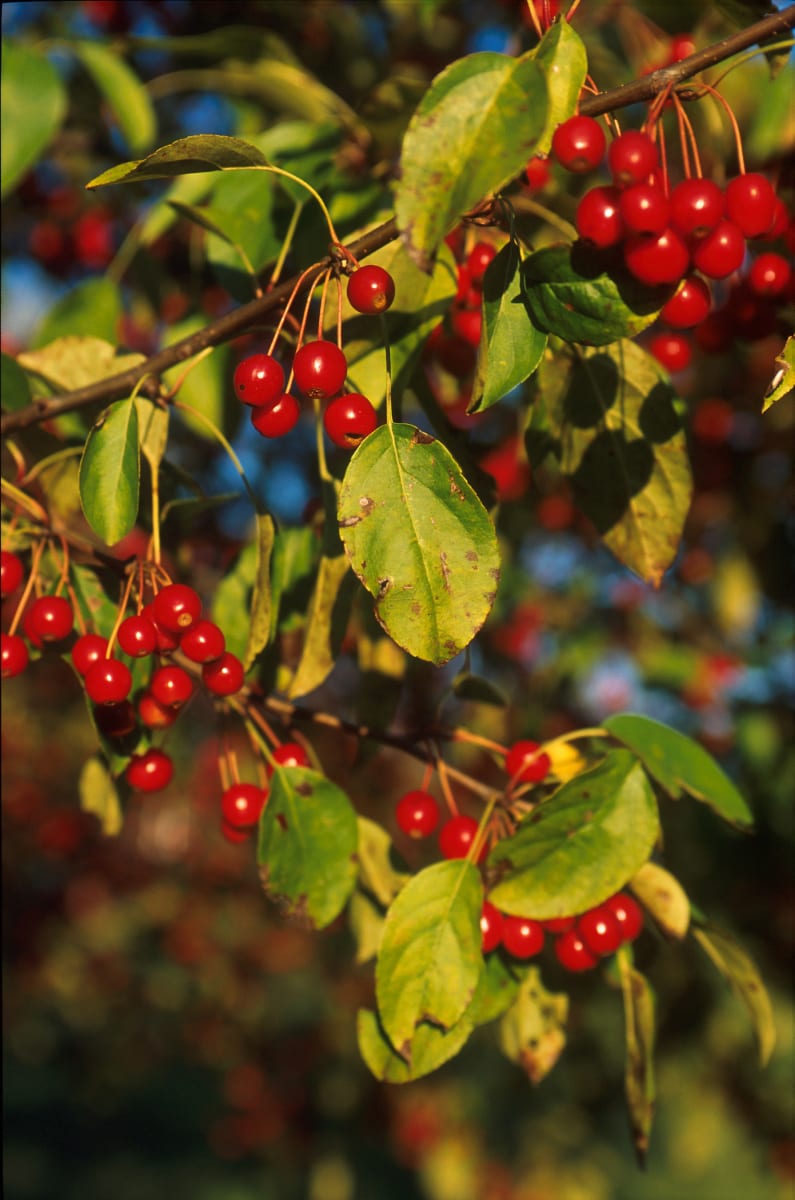
Apple scab
Venturia inaequalis
Apple scab is a fungal disease caused by Venturia inaequalis, primarily affecting apple trees. It manifests as dark, olive-green to black spots on leaves and fruit, leading to cosmetic damage and potential yield loss.
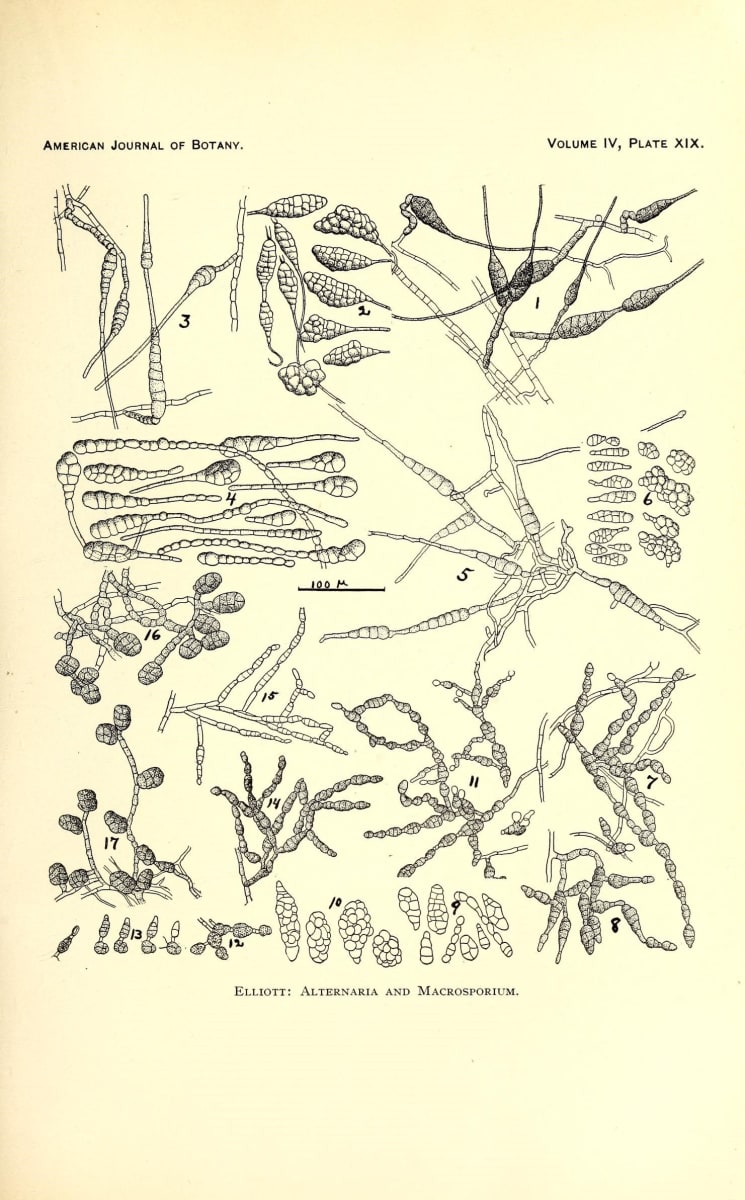
Early blight
Alternaria solani
Early blight, caused by the fungus Alternaria solani, is a common disease affecting tomatoes and potatoes. It is characterized by dark, concentric rings on leaves, stems, and fruits, leading to defoliation and reduced yield.
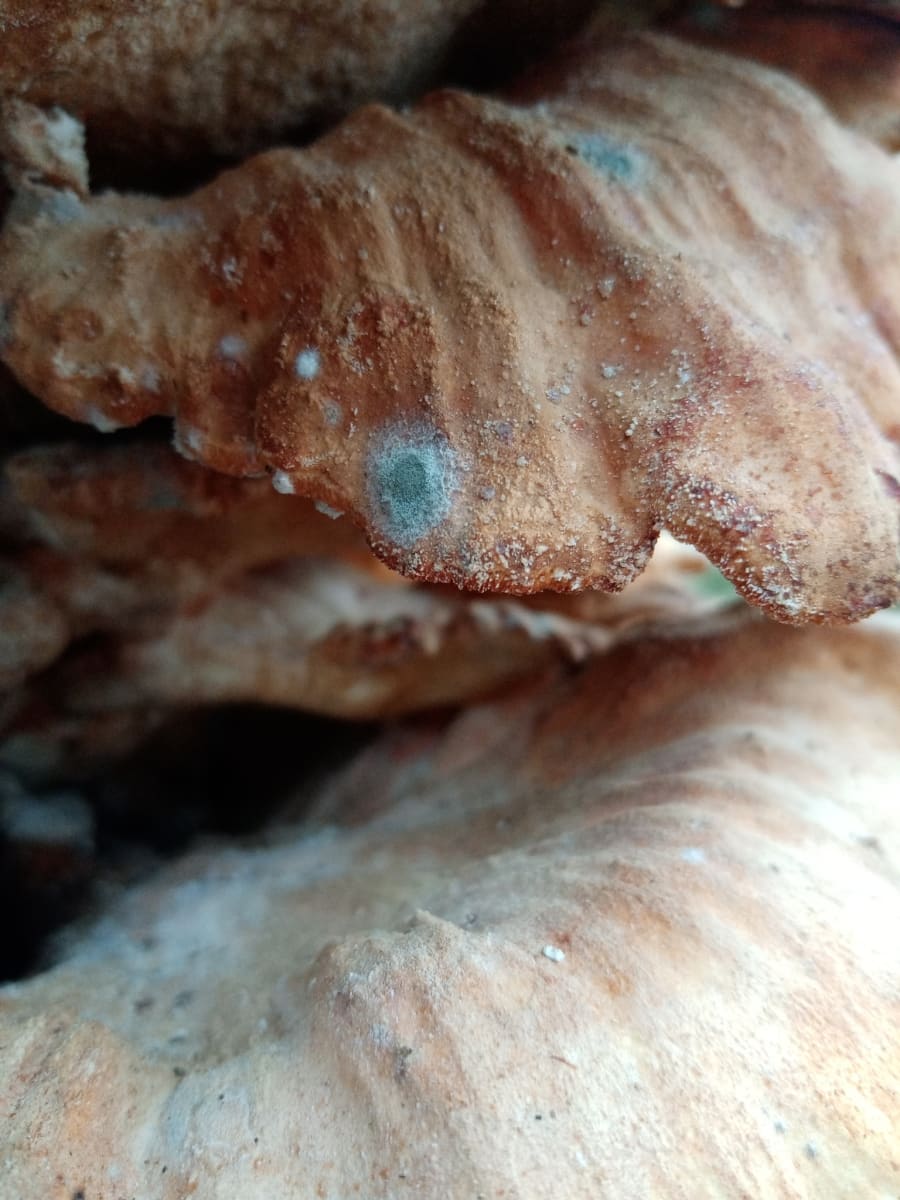
Gray mold
Botrytis cinerea
Gray mold, caused by the fungus Botrytis cinerea, is a common plant disease that appears as a fuzzy gray mold on leaves, stems, flowers, and fruits. It thrives in cool, damp conditions and can lead to significant crop losses if not managed properly.
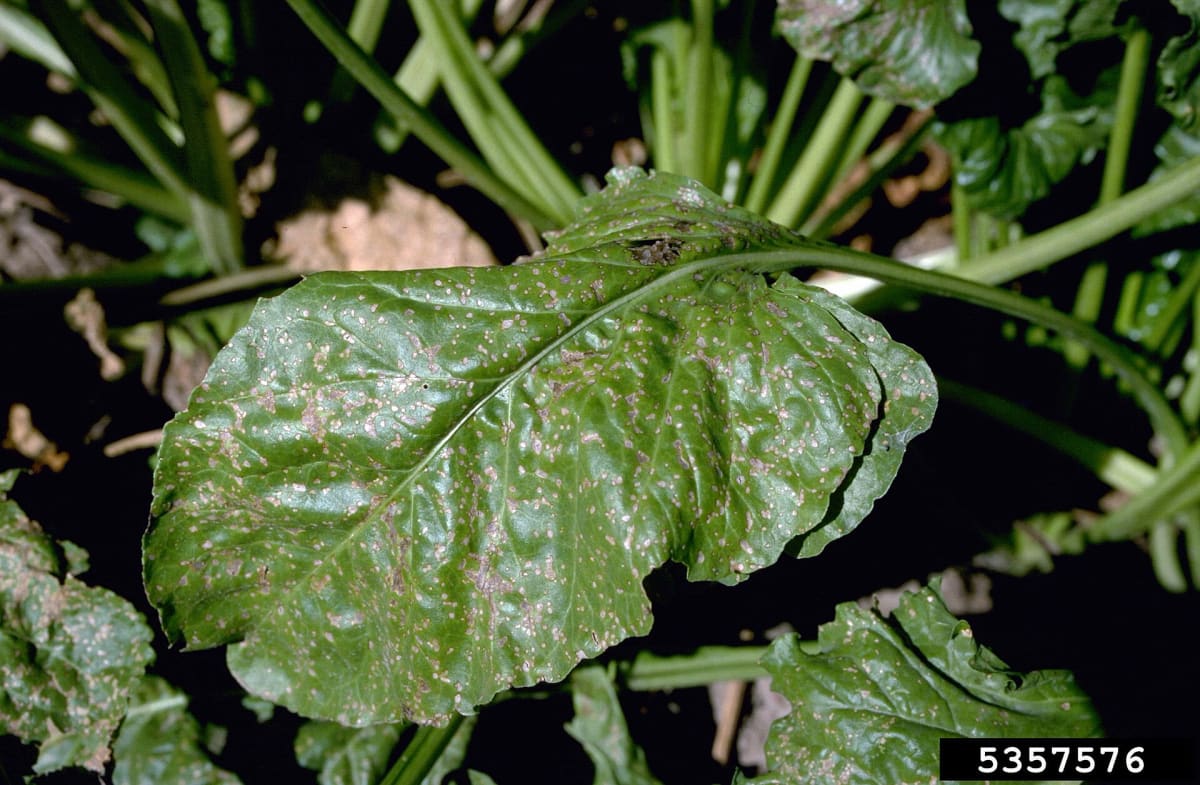
Cercospora leaf spot
Cercospora
Cercospora leaf spot is a fungal disease caused by the Cercospora species, characterized by small, circular to irregular brown spots on leaves. These spots can coalesce, leading to larger areas of necrosis and potentially causing premature leaf drop, affecting the plant's overall health and yield.
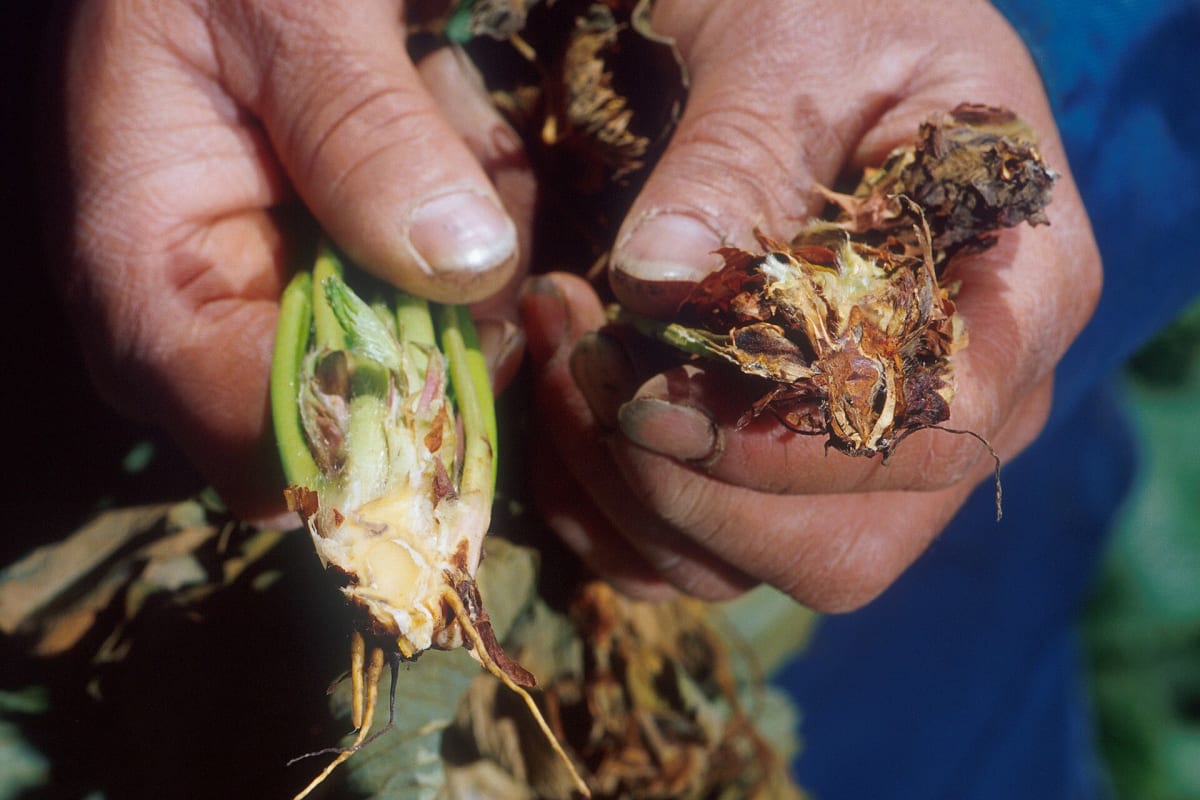
Fusarium wilt
Fusarium oxysporum
Fusarium wilt is a plant disease caused by the soil-borne fungus Fusarium oxysporum. It primarily affects the vascular system of plants, leading to wilting, yellowing, and eventual death of the plant. The disease is characterized by one-sided wilting and yellowing of leaves, often starting from the lower leaves and progressing upwards.
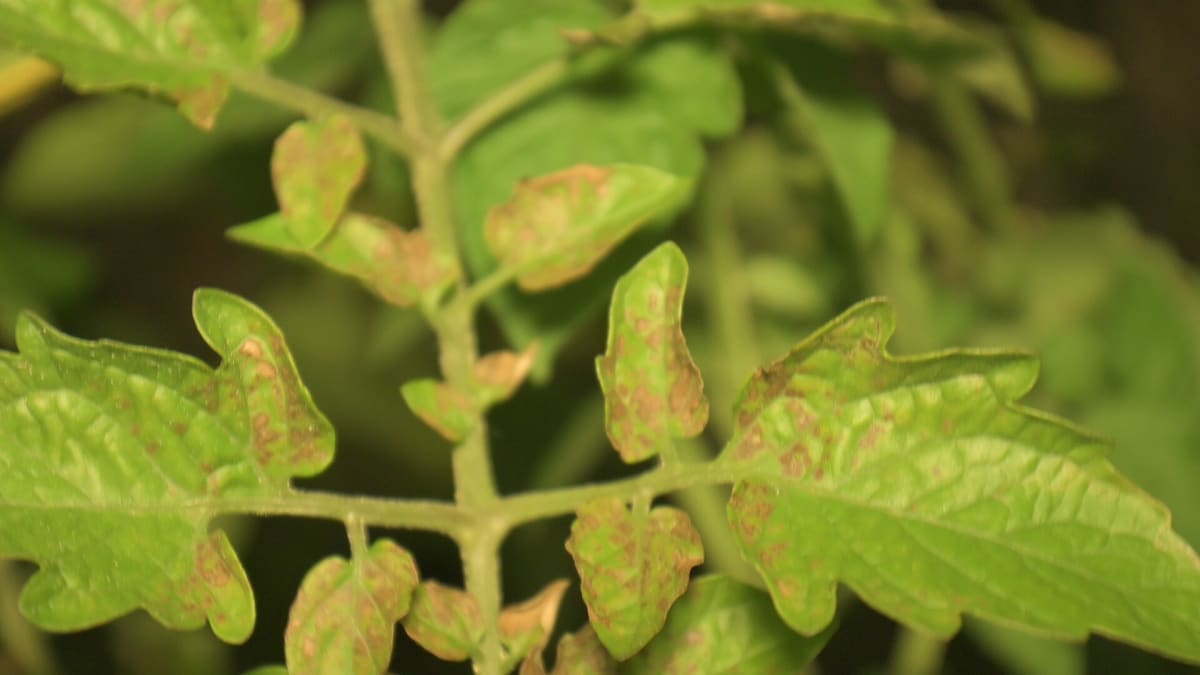
Leaf spot
Leaf spot is a fungal disease that manifests as small, discolored spots on plant leaves. These spots can vary in color, often appearing brown, black, or yellow, and may lead to premature leaf drop if severe.
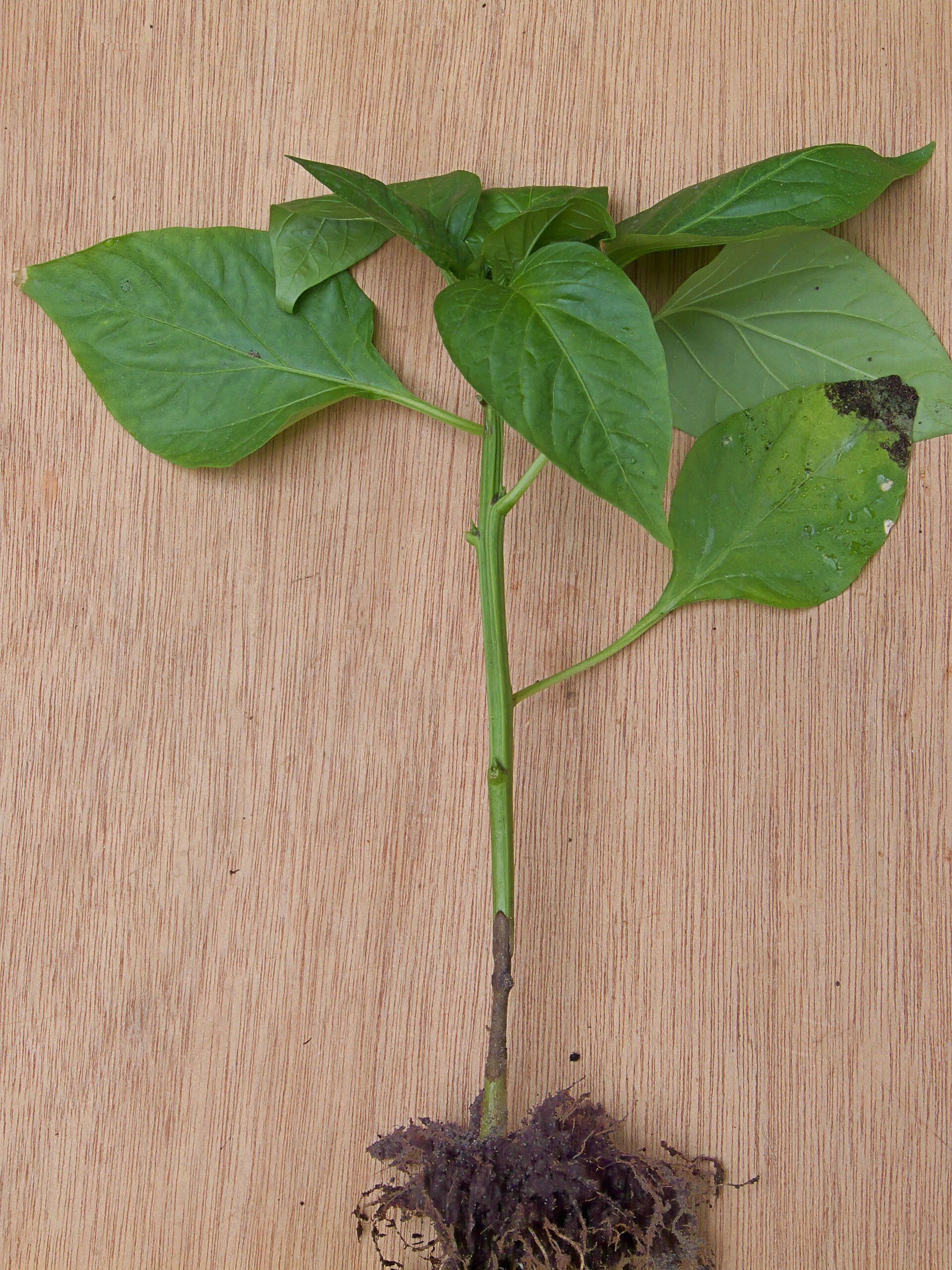
Rhizoctonia damping-off
Rhizoctonia solani
Rhizoctonia damping-off is a fungal disease caused by Rhizoctonia solani, primarily affecting seedlings. It manifests as wilting, stunted growth, and stem rot, often leading to seedling death before or shortly after emergence.
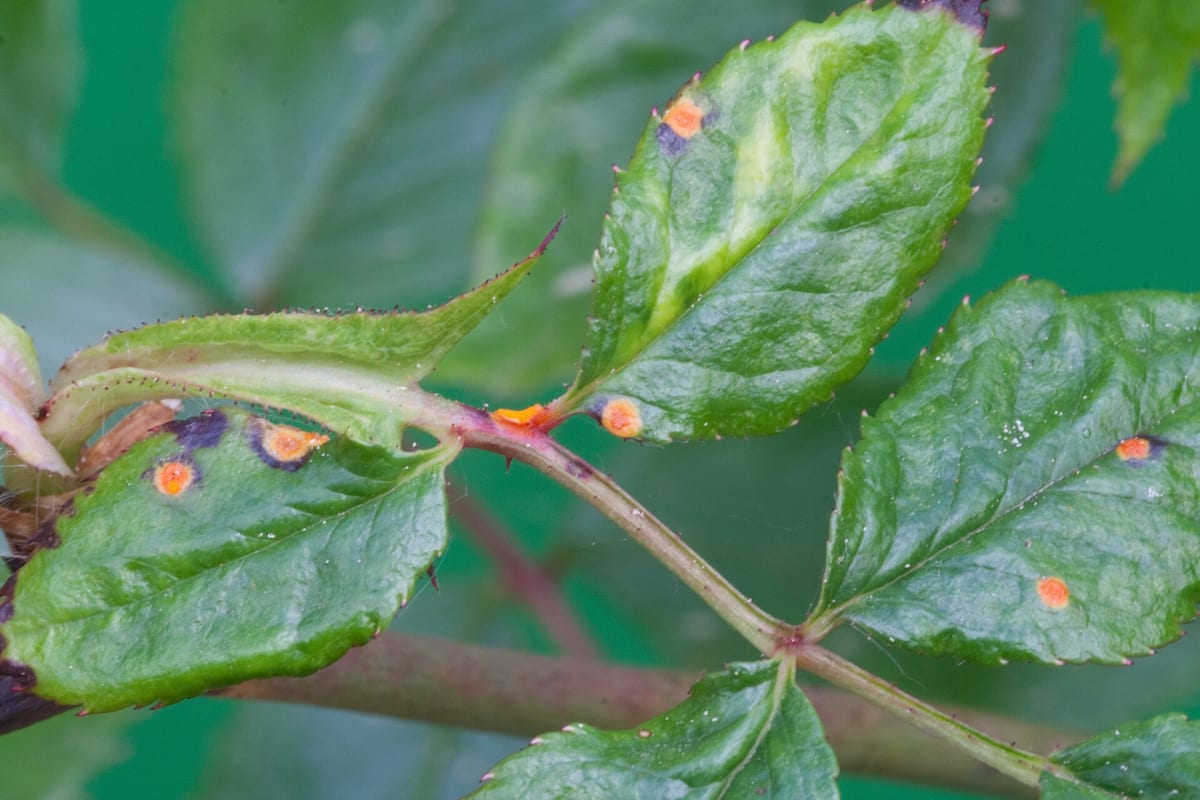
Rust
Pucciniales
Rust is a fungal disease caused by Pucciniales, characterized by orange or rust-colored pustules on leaves and stems. It affects a wide range of plants and can lead to reduced vigor and yield if not managed properly.
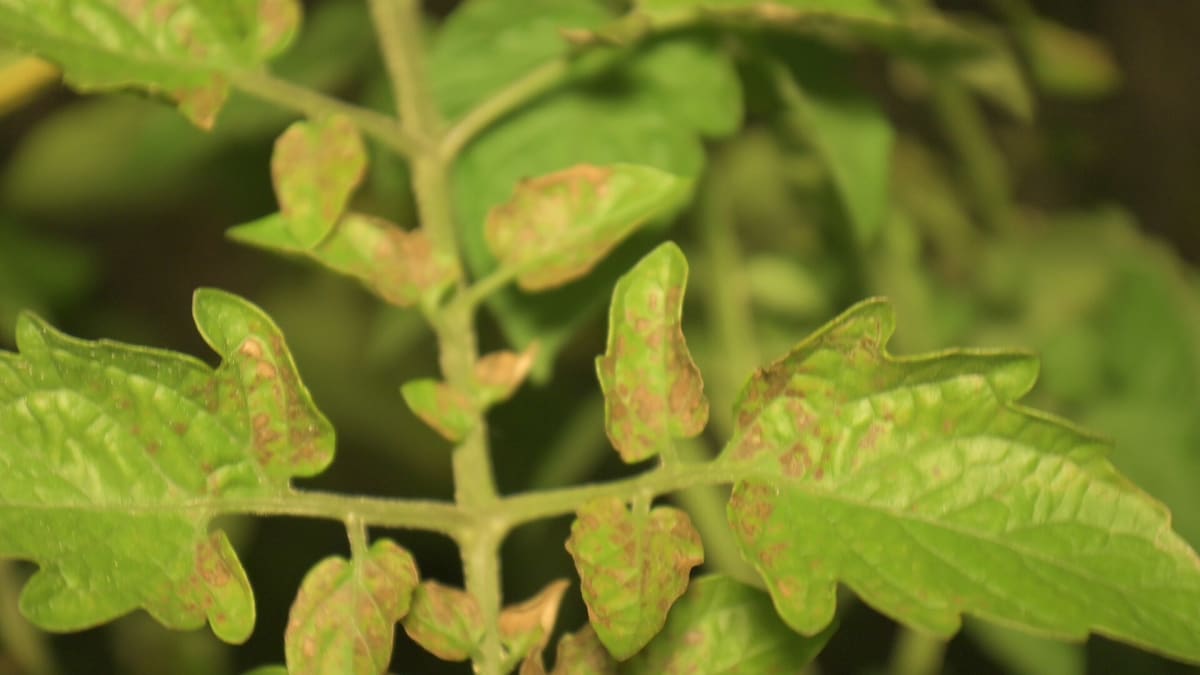
Septoria leaf spot
Septoria
Septoria leaf spot is a fungal disease caused by the pathogen Septoria. It primarily affects the leaves of plants, creating small, circular spots that are usually brown with a lighter center. Over time, these spots can coalesce, leading to leaf yellowing and premature leaf drop.
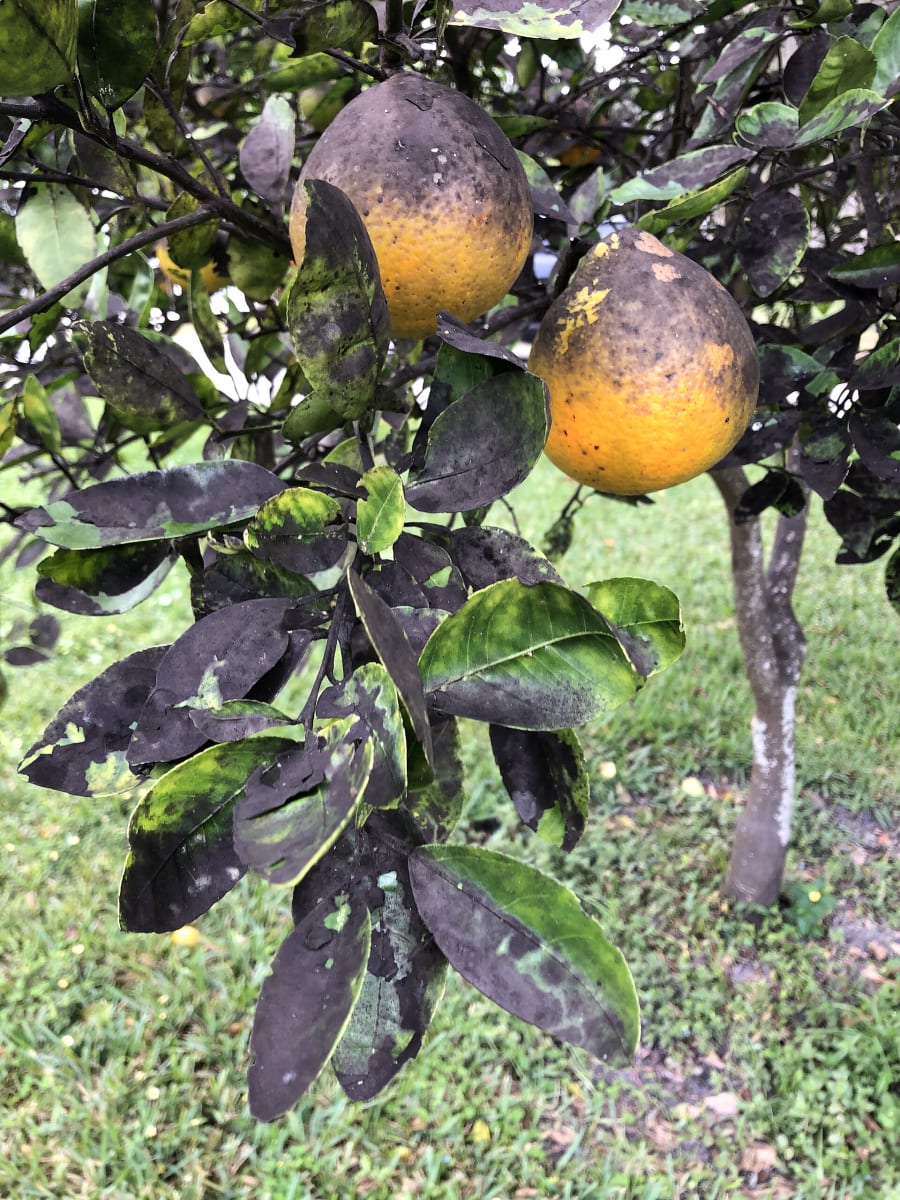
Sooty mold
Capnodiales
Sooty mold is a fungal disease caused by Capnodiales, characterized by a black, soot-like coating on the surfaces of leaves, stems, and fruits. It does not infect the plant directly but grows on the honeydew excreted by sap-sucking insects.

Verticillium wilt
Verticillium dahliae
Verticillium wilt is a soil-borne fungal disease caused by Verticillium dahliae. It affects a wide range of plants, causing wilting, yellowing, and eventual death of leaves and branches. Infected plants often show symptoms on one side first, with leaves turning yellow and wilting before dying.
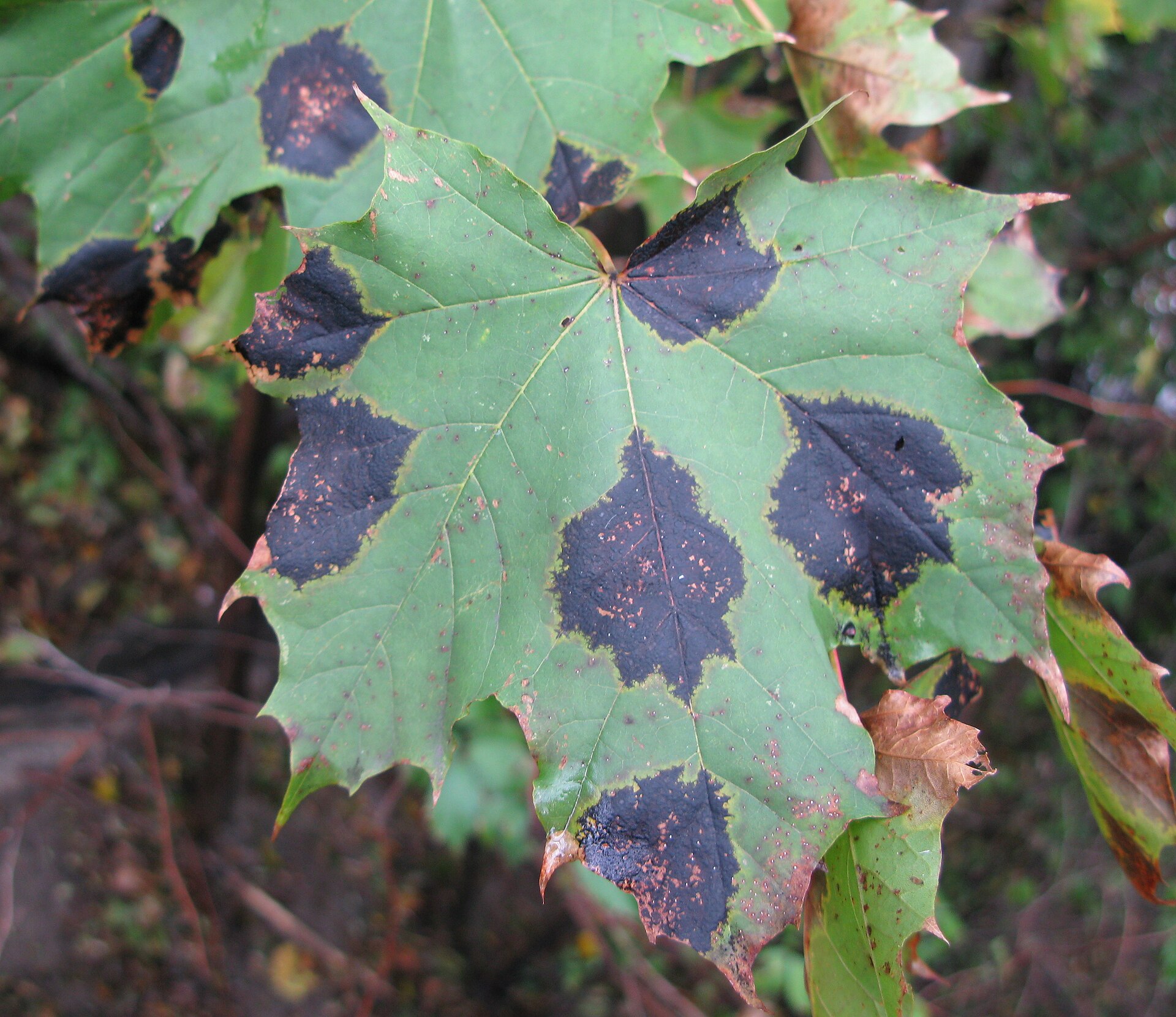
Tar spot of maple
Rhytisma acerinum
Tar spot of maple is a fungal disease caused by Rhytisma acerinum, characterized by distinct black spots on the leaves of maple trees. These spots resemble drops of tar and are primarily a cosmetic issue, not significantly affecting the tree's overall health.
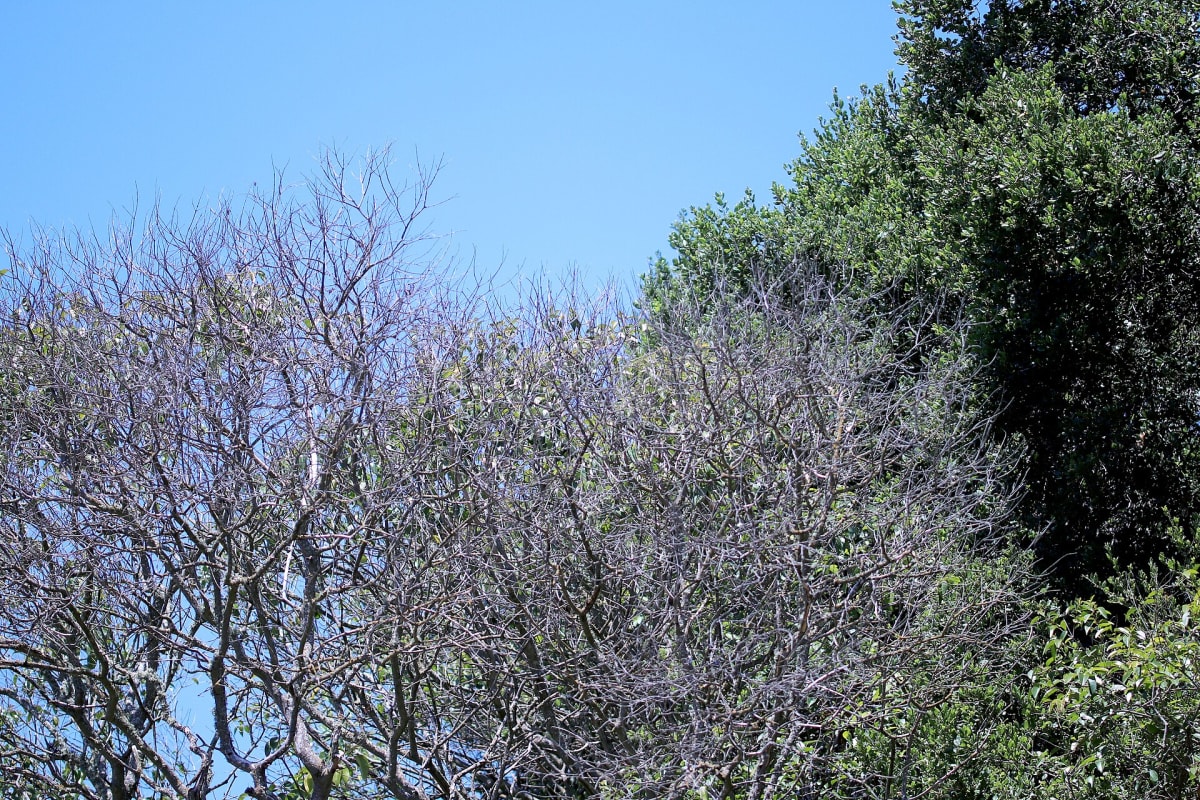
Armillaria root rot
Armillaria mellea
Armillaria root rot is a fungal disease caused by Armillaria mellea, affecting a wide range of woody plants. It is characterized by the decay of roots and lower stems, leading to wilting, yellowing leaves, and eventual plant death.
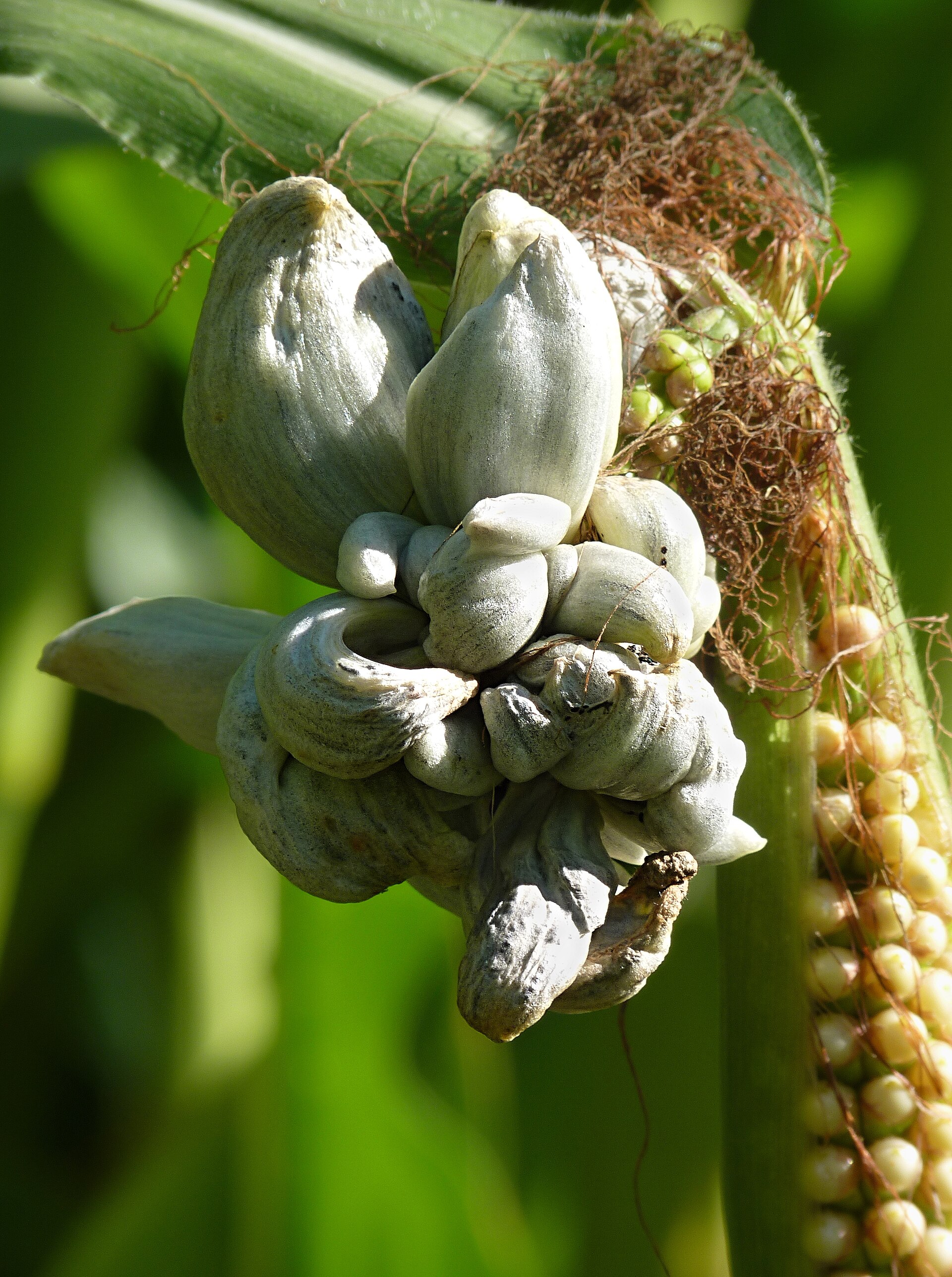
Corn smut
Ustilago maydis
Corn smut is a fungal disease caused by Ustilago maydis that affects corn plants, leading to the formation of distinctive galls or swellings on various parts of the plant, including ears, leaves, and tassels. These galls are initially white and fleshy, later turning black and powdery as they mature.
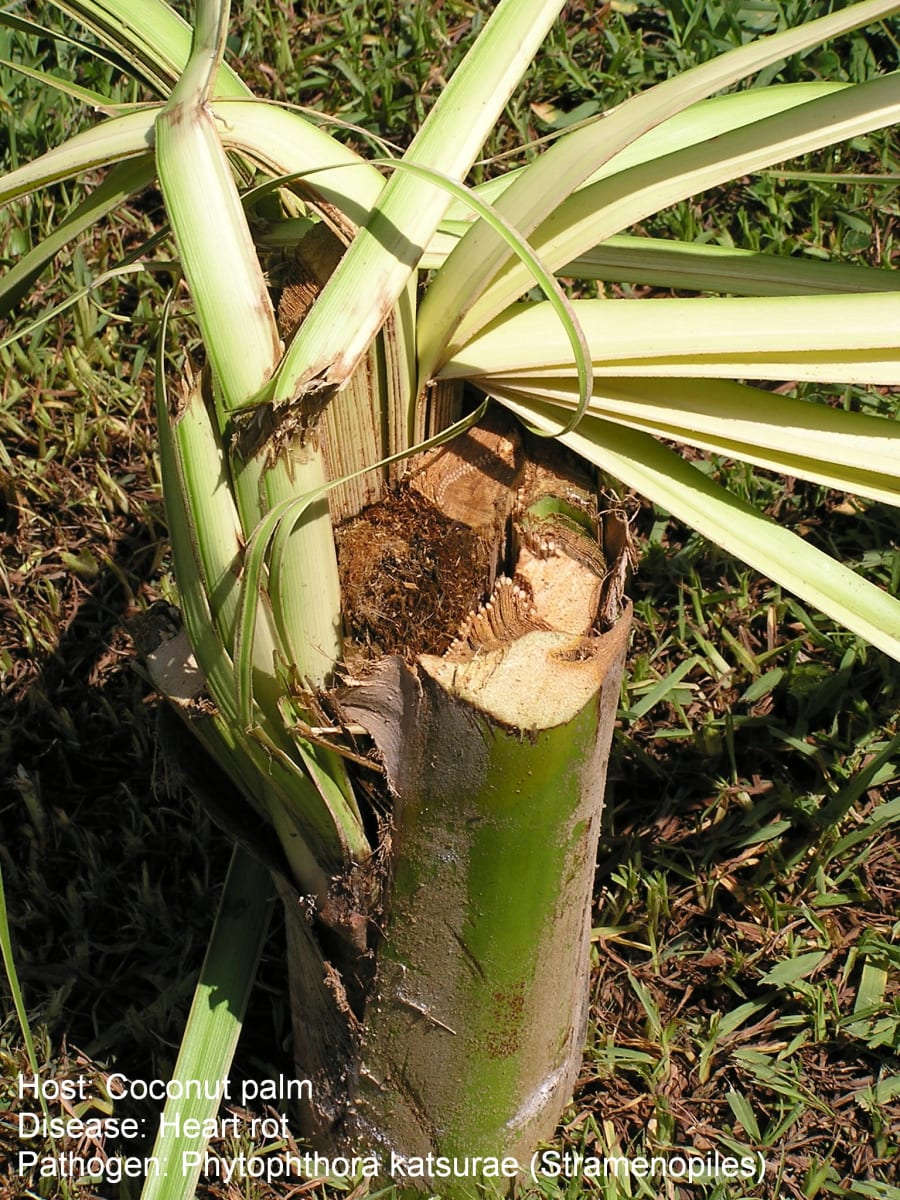
Heart rot
Heart rot is a fungal disease that affects the inner wood of trees, leading to decay and structural weakness. It is often not visible externally until the tree shows signs of decline, such as branch dieback or breakage.