Powdery mildew
Powdery mildew is a common fungal disease caused by Erysiphales, characterized by white, powdery spots on leaves and stems. It affects a wide range of plants, leading to reduced growth and vigor.
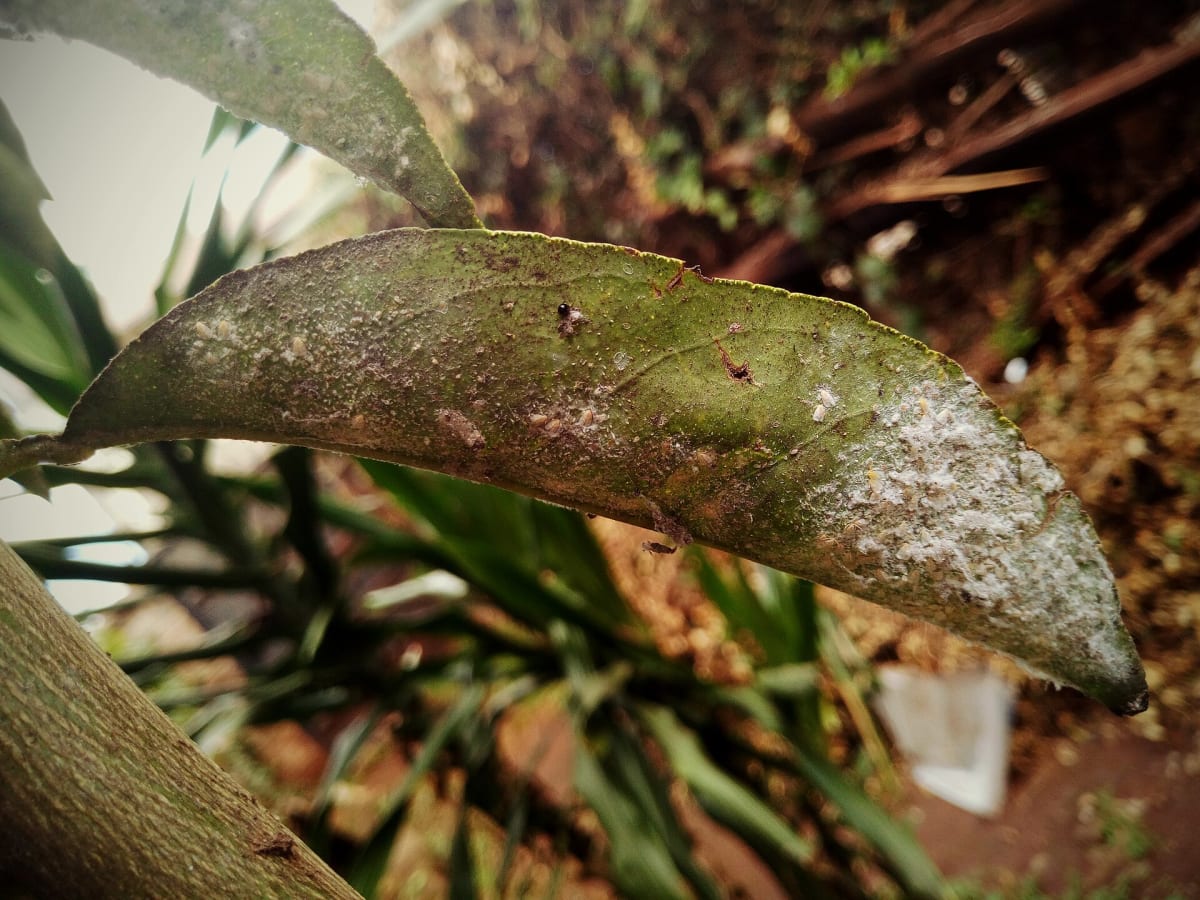
About this problem
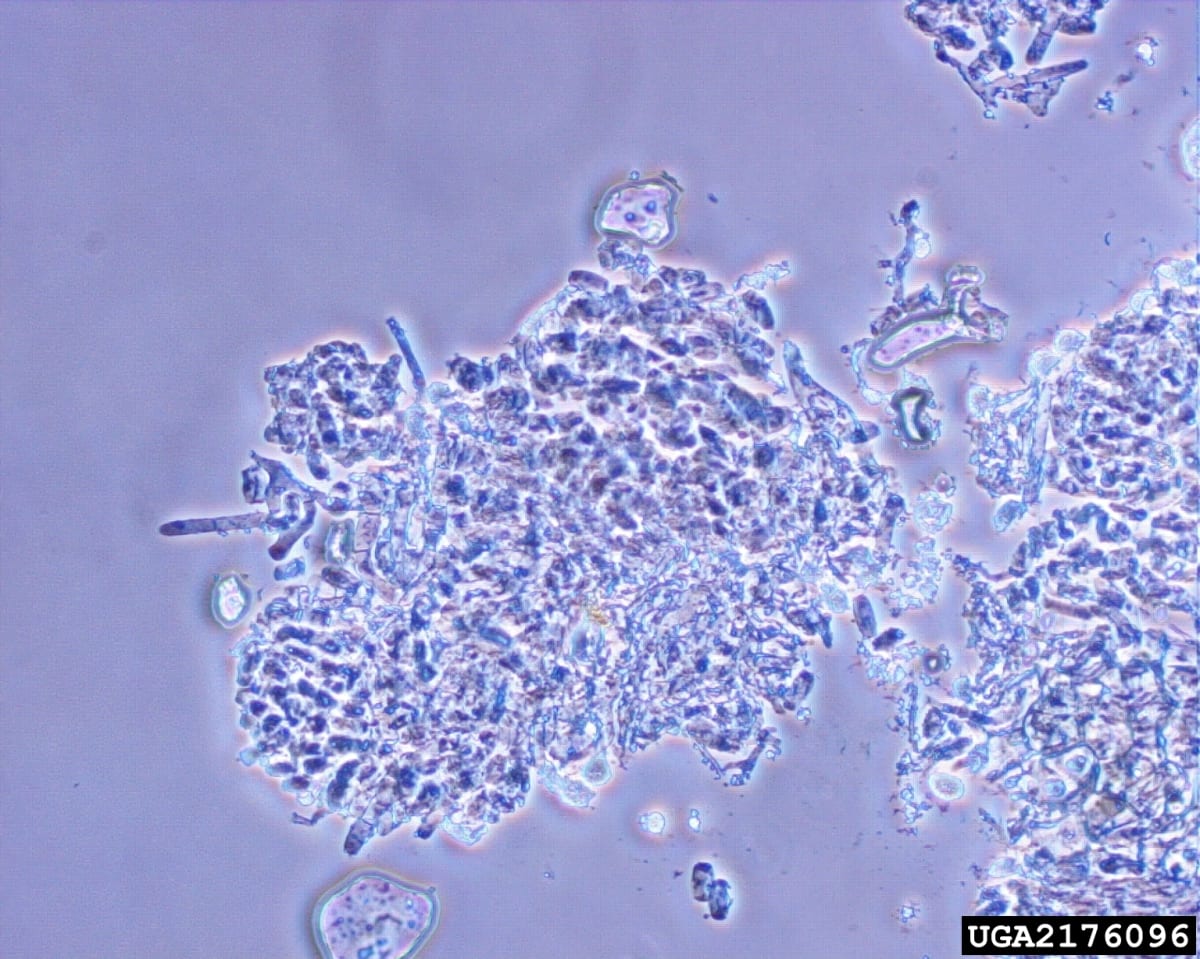
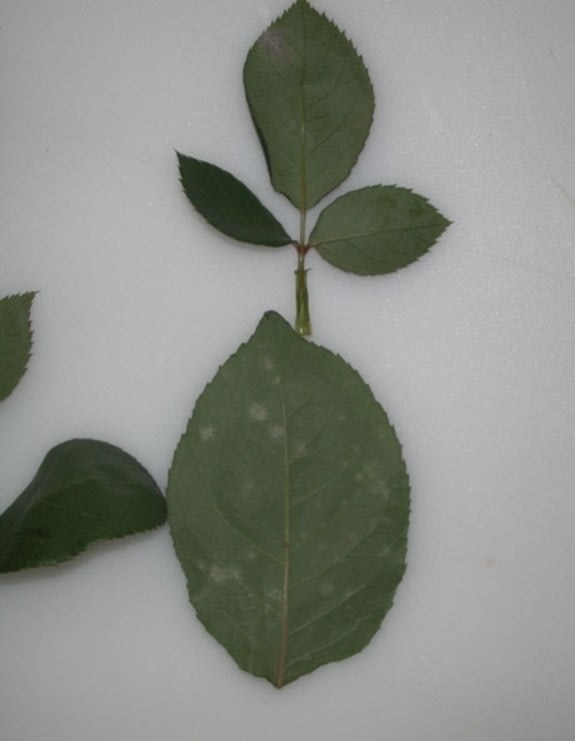
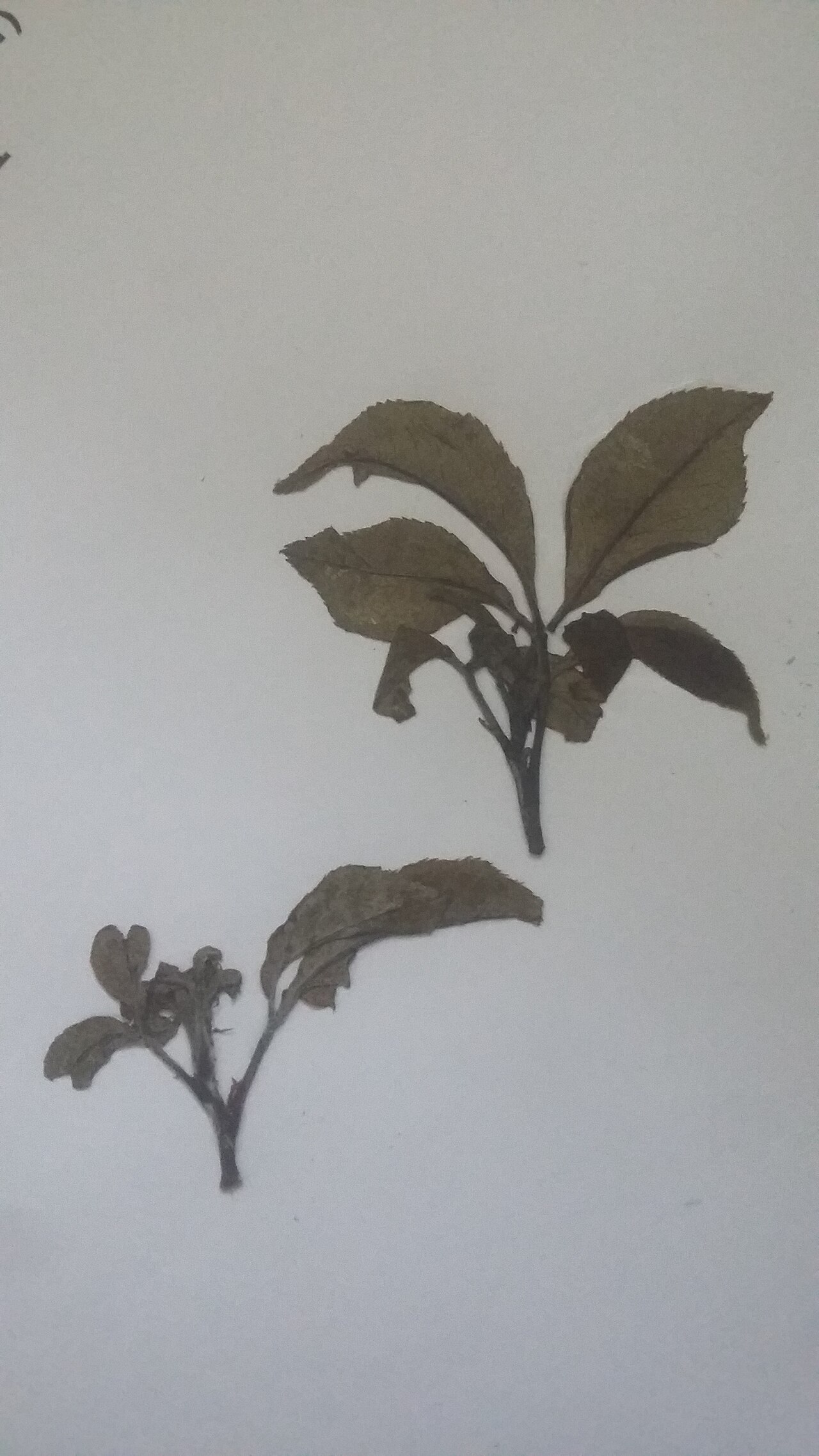
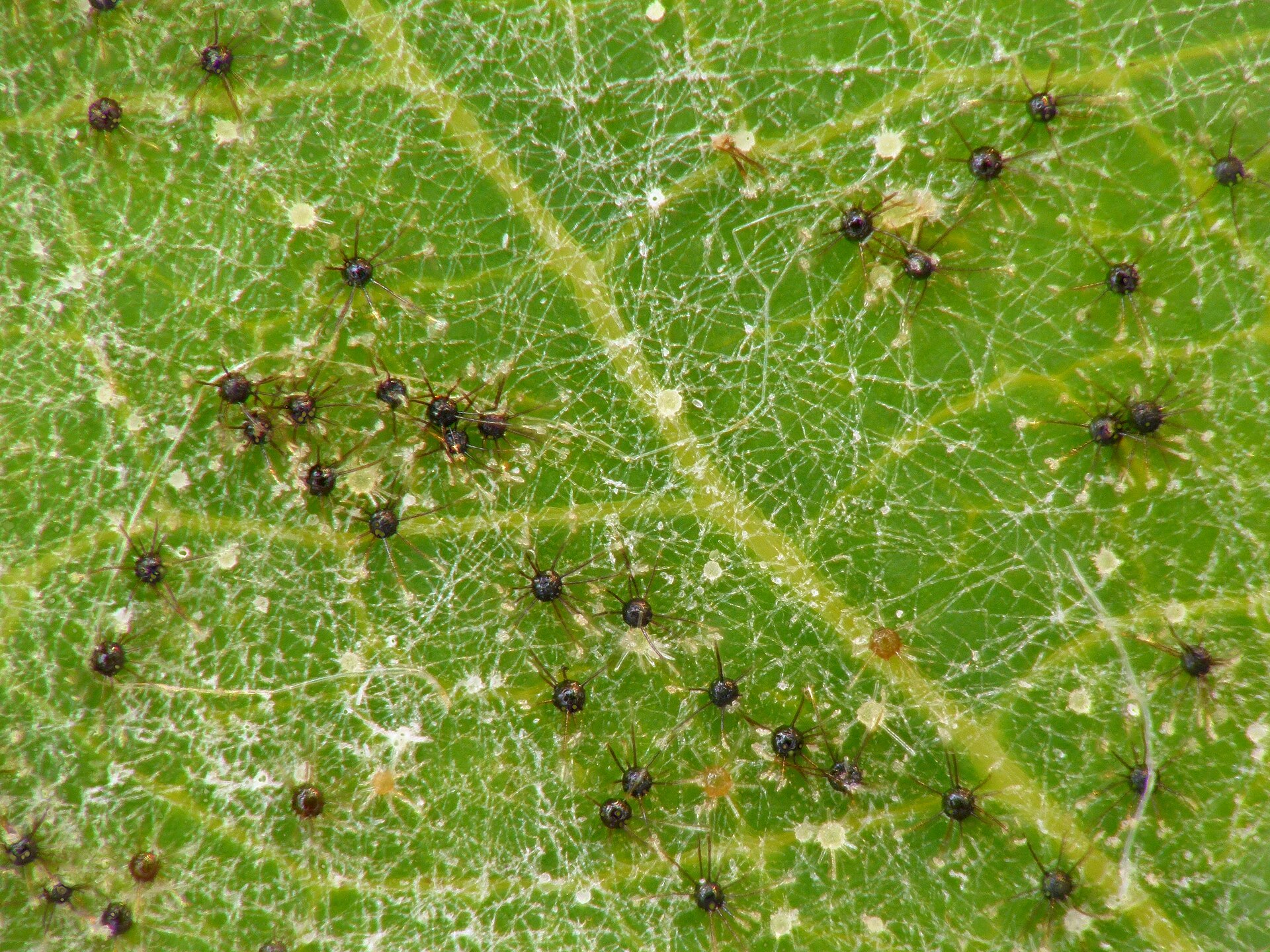
Powdery mildew is caused by various species within the order Erysiphales and is one of the most widespread and easily recognizable plant diseases. It thrives in warm, dry conditions, though high humidity can also promote its development. The disease manifests as white, powdery fungal growth on the surface of leaves, stems, and sometimes flowers and fruit. Initially, small white spots appear, which can quickly spread to cover large areas of the plant. Over time, infected leaves may become distorted, yellow, and drop prematurely, reducing photosynthesis and overall plant health. Powdery mildew can be confused with other fungal diseases, but its distinctive powdery appearance helps in its identification.
Symptoms
- White powdery spots on leaves
- Distorted or curled leaves
- Yellowing of leaves
- Premature leaf drop
- Reduced plant vigor
- Stunted growth
Cause
Powdery mildew is caused by fungi in the order Erysiphales. It is favored by warm, dry days and cool, humid nights, which allow spores to germinate and infect plant tissues.
Conditions that favour it
- Warm, dry weather
- High humidity
- Poor air circulation
- Dense plantings
- Shaded areas
Lifecycle and spread
Powdery mildew spreads through airborne spores that can travel long distances. It overwinters in plant debris and can re-infect plants in the spring. Breaking the cycle involves removing infected plant material and improving air circulation.
Plants most affected
- Roses
- Grapes
- Cucumbers
- Squash
- Lilacs
- Zinnias
- Peas
- Pumpkins
- Apples
- Strawberries
Treatment
Educational information only, and not a substitute for professional diagnosis. Identify the problem before treating it, and check that any product is registered for this plant and this use where you live.
Cultural control
- Increase plant spacing to improve air circulation
- Prune affected areas to reduce disease spread
- Water plants at the base to keep foliage dry
- Remove and destroy infected plant debris
- Ensure plants receive adequate sunlight
Organic options
- Neem oil
- Potassium bicarbonate
- Sulfur-based fungicides
- Horticultural oils
Chemical options
- Myclobutanil Used to control powdery mildew infections
- Trifloxystrobin Effective against powdery mildew
Read and follow the product label. The label is the legally binding instruction. Confirm the product is registered for this plant and for this use in your area before applying it.
Prevention
- Select resistant plant varieties
- Maintain proper plant spacing
- Avoid overhead watering
- Regularly inspect plants for early signs
- Implement crop rotation