Sooty mold
Sooty mold is a fungal disease caused by Capnodiales, characterized by a black, soot-like coating on the surfaces of leaves, stems, and fruits. It does not infect the plant directly but grows on the honeydew excreted by sap-sucking insects.
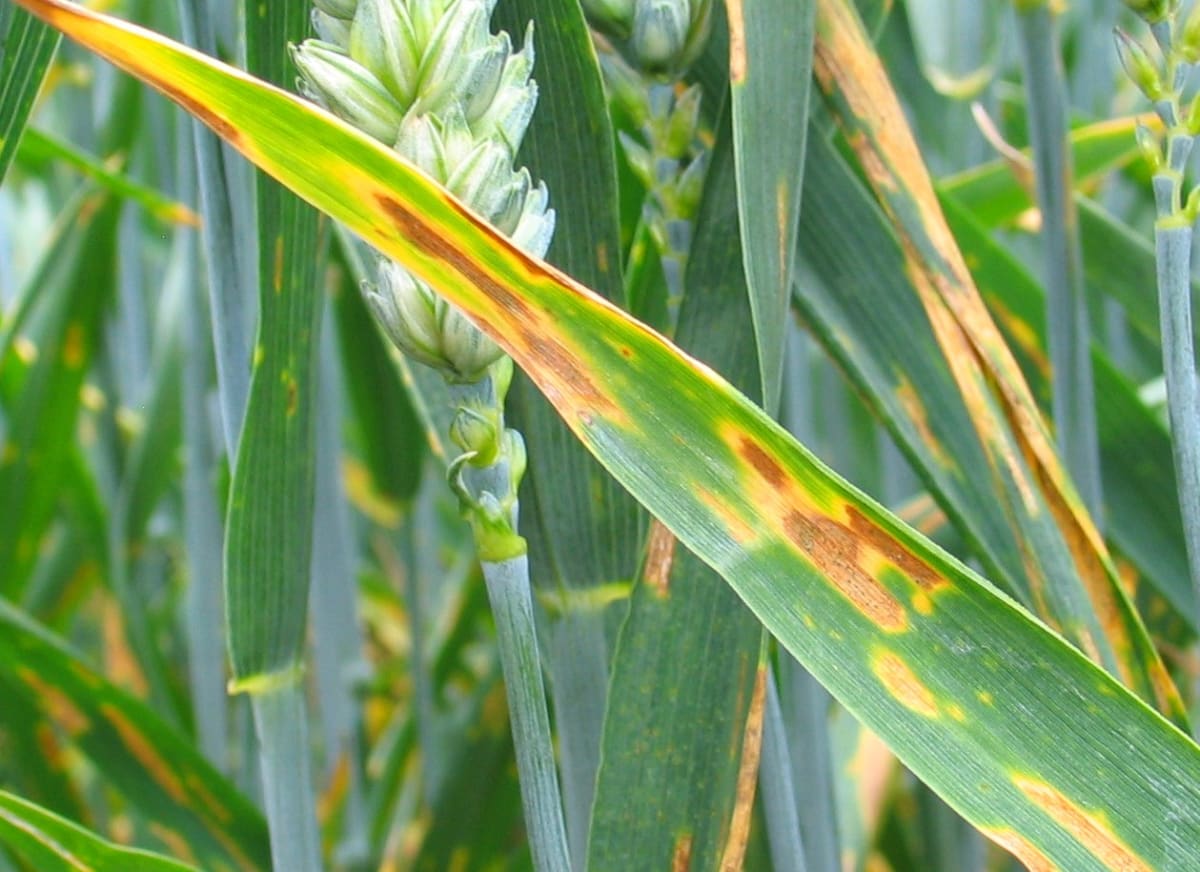
About this problem
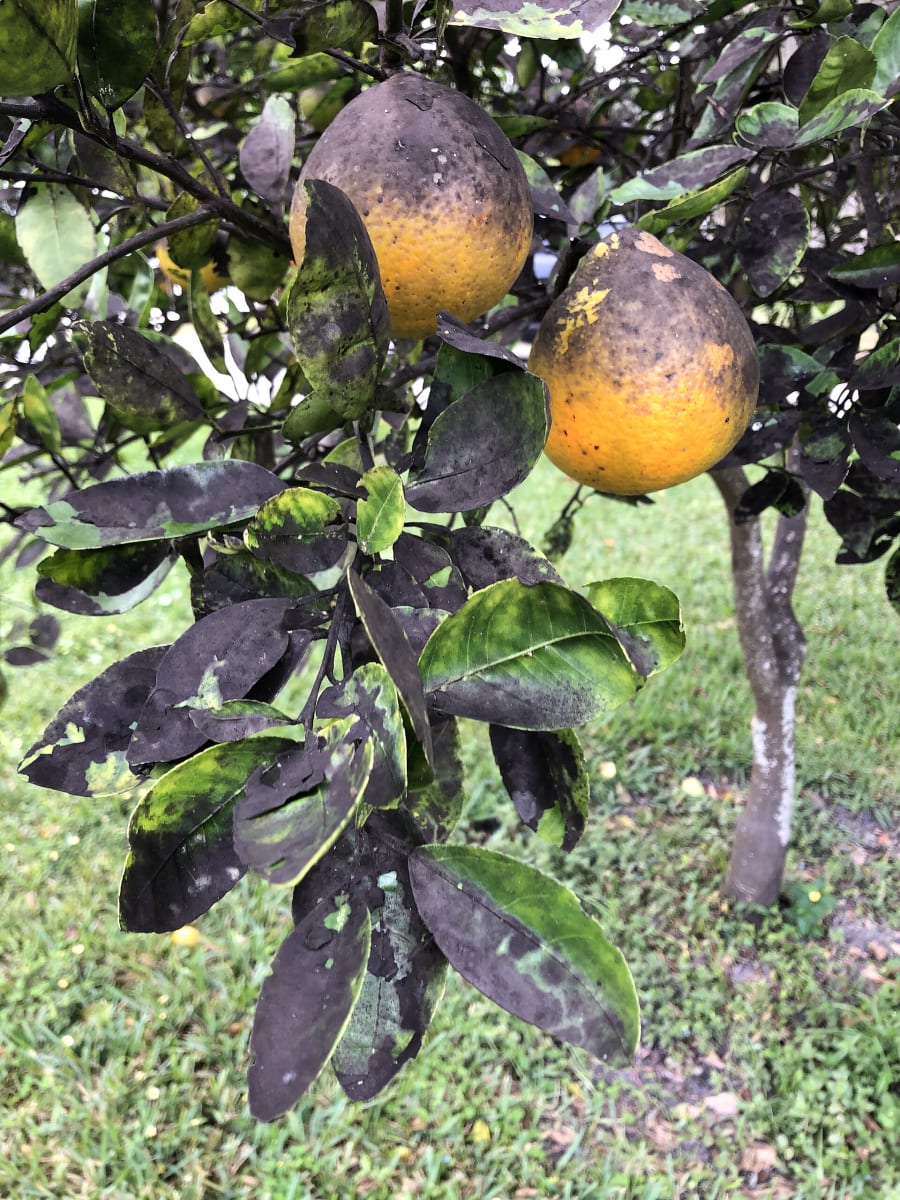
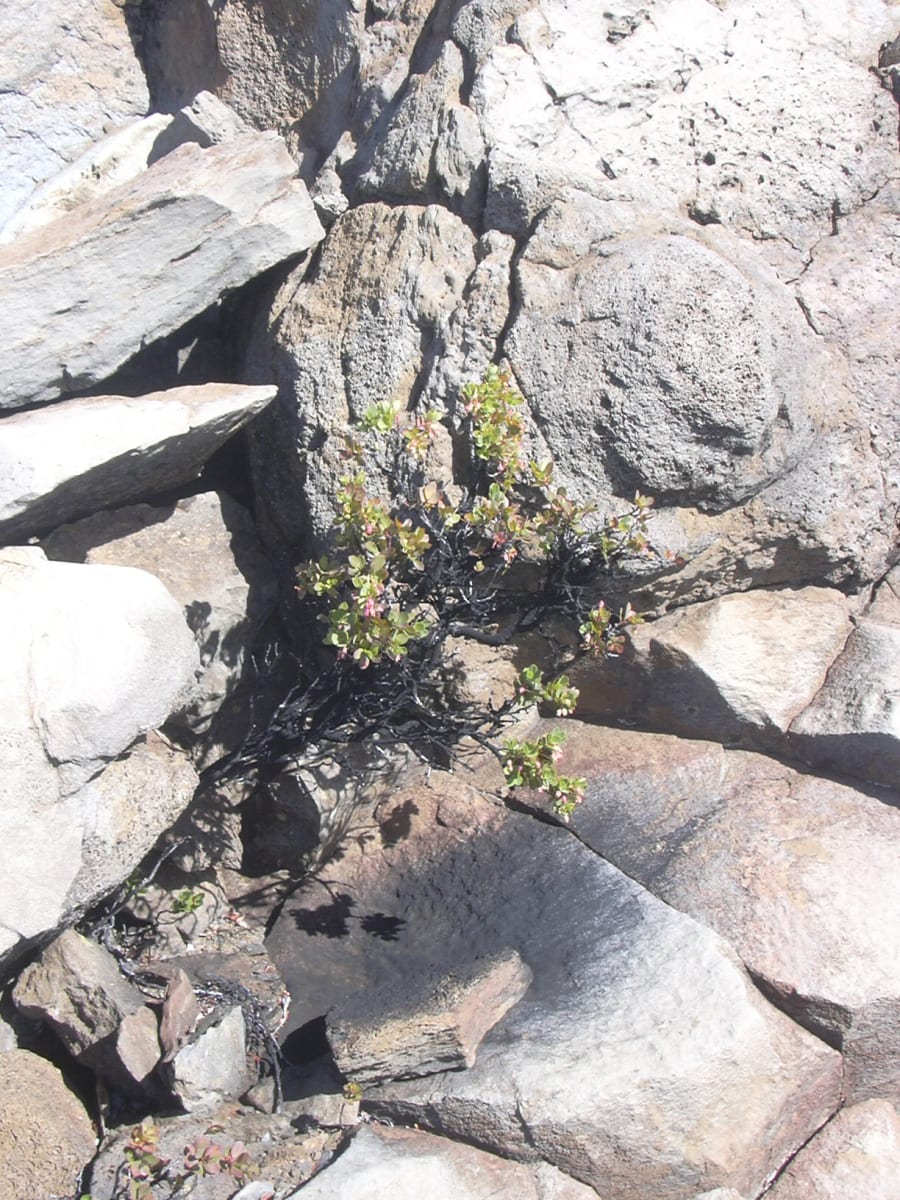
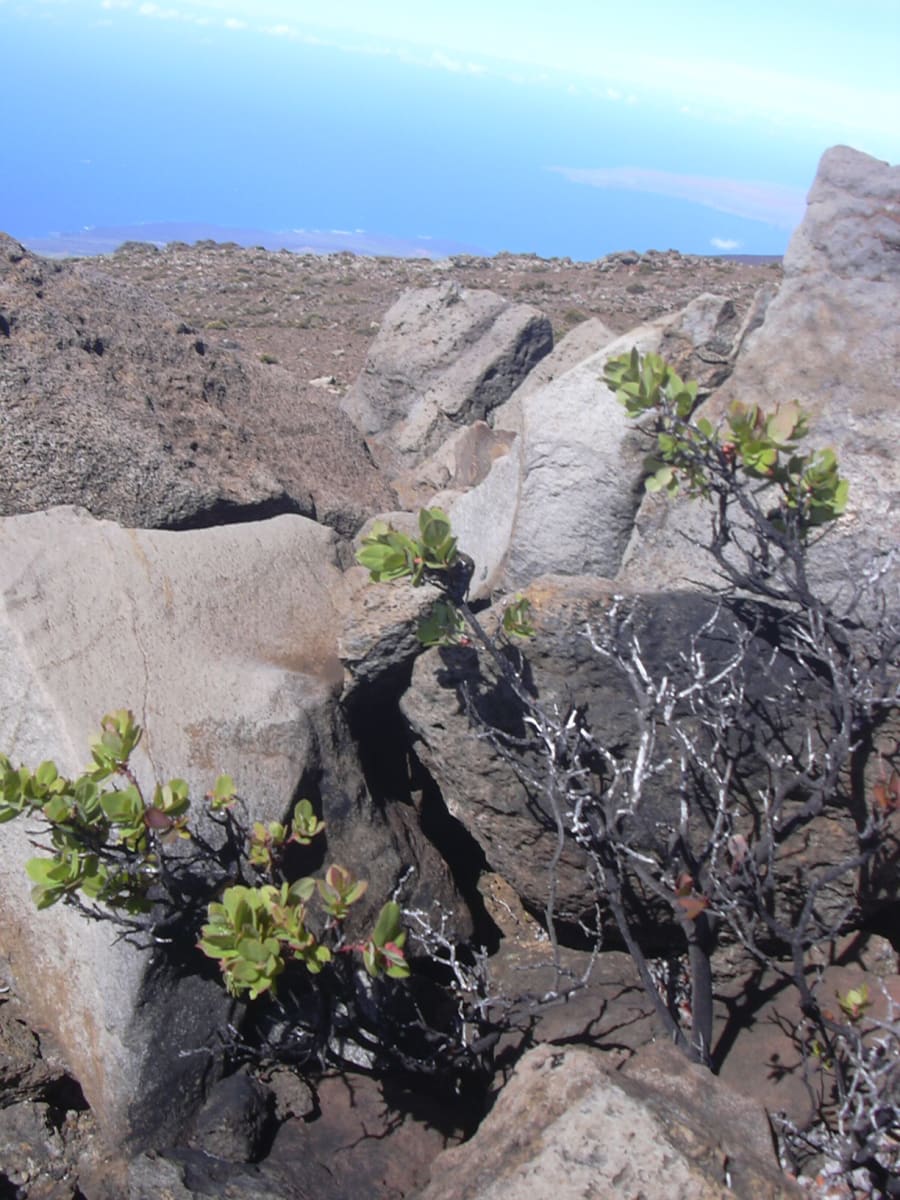
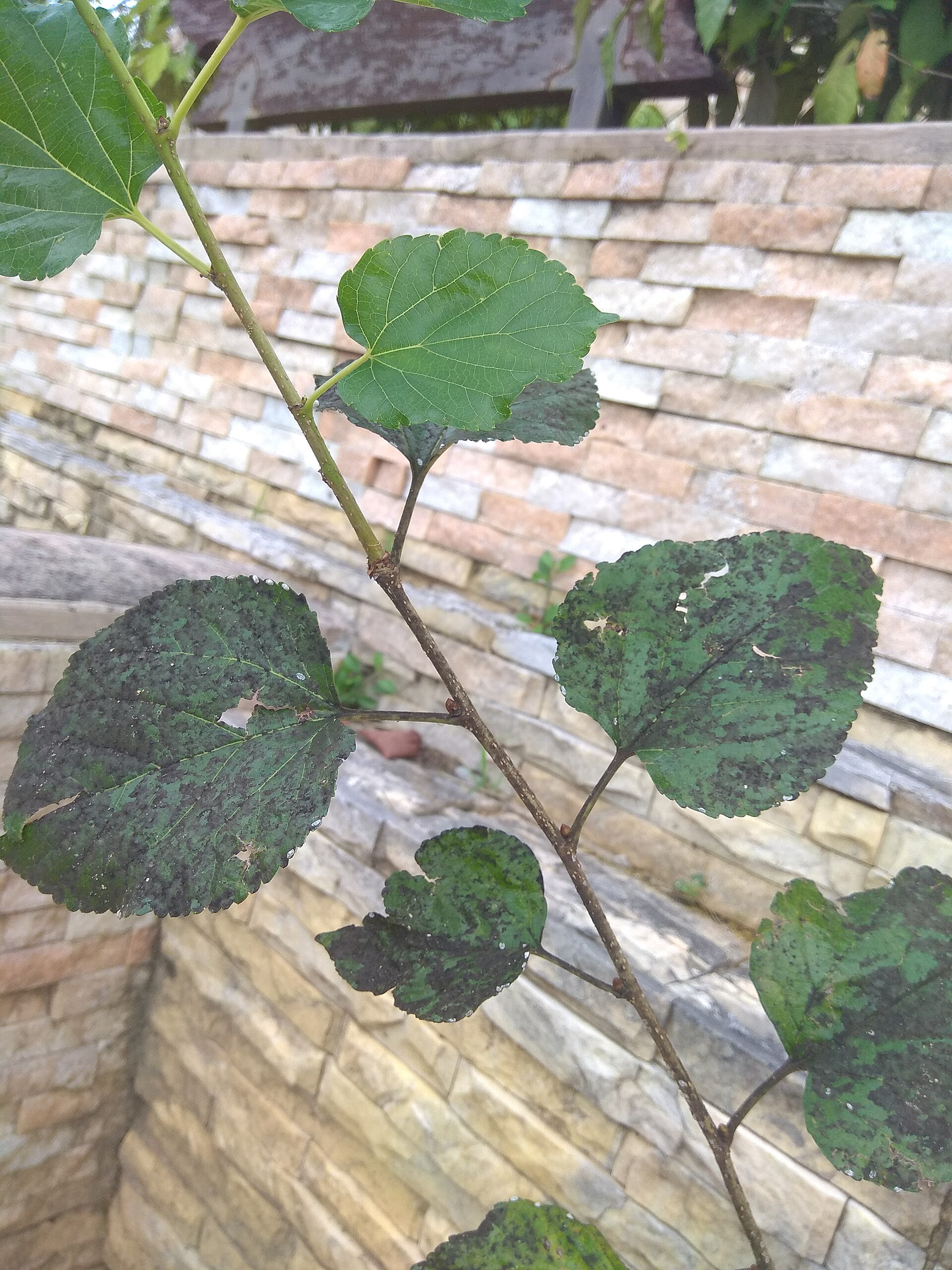
Sooty mold is a common fungal disease affecting a wide range of plants, caused by fungi in the order Capnodiales. These fungi do not penetrate plant tissues but instead grow on the sugary excretions, known as honeydew, produced by insects such as aphids, whiteflies, and scale insects. The presence of sooty mold is often an indicator of an insect infestation. The black coating can reduce photosynthesis by blocking sunlight, potentially affecting plant growth and vigor. Over time, the mold can cover large areas of the plant, making it unsightly and reducing its aesthetic value. It is often confused with other black fungal diseases, but unlike those, sooty mold can be wiped off, revealing the healthy plant tissue beneath.
Symptoms
- Black, soot-like coating on leaves
- Black coating on stems
- Black coating on fruits
- Reduced plant vigor
- Blocked sunlight to leaves
- Presence of honeydew
- Insect infestation signs
Cause
Sooty mold is caused by fungi in the order Capnodiales, which grow on the honeydew produced by sap-sucking insects like aphids, whiteflies, and scale insects.
Conditions that favour it
- High insect activity
- Warm temperatures
- High humidity
- Poor air circulation
- Presence of honeydew
Lifecycle and spread
Sooty mold fungi spread through spores that are carried by wind and water. They thrive in warm, humid conditions and can persist as long as honeydew is present. Breaking the cycle involves managing the insect population that produces honeydew.
Plants most affected
- Azalea
- Camellia
- Citrus
- Gardenia
- Hibiscus
- Maple
- Oak
- Rhododendron
- Rose
- Sycamore
- Tulip tree
- Viburnum
Treatment
Educational information only, and not a substitute for professional diagnosis. Identify the problem before treating it, and check that any product is registered for this plant and this use where you live.
Cultural control
- Improve air circulation around plants
- Prune affected areas to increase light penetration
- Regularly wash leaves with water to remove honeydew
- Encourage beneficial insects that prey on sap-sucking pests
Organic options
- Neem oil for insect control
- Insecticidal soap to reduce insect population
- Horticultural oil to smother insects
Chemical options
- Imidacloprid For controlling sap-sucking insects
Read and follow the product label. The label is the legally binding instruction. Confirm the product is registered for this plant and for this use in your area before applying it.
Prevention
- Monitor for insect infestations regularly
- Maintain plant health to reduce susceptibility
- Encourage natural predators of sap-sucking insects
- Avoid over-fertilization which can attract pests