Tar spot of maple
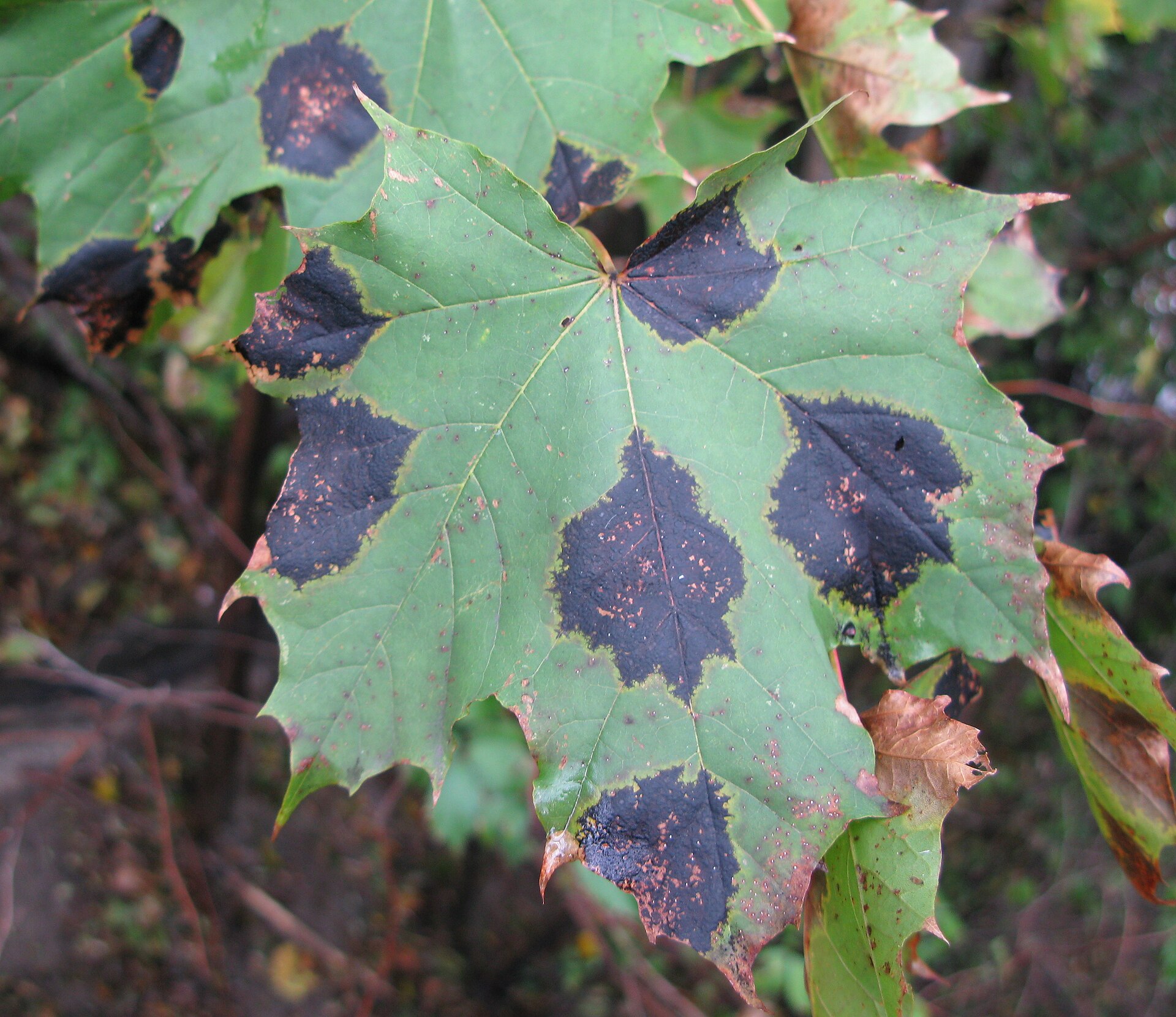
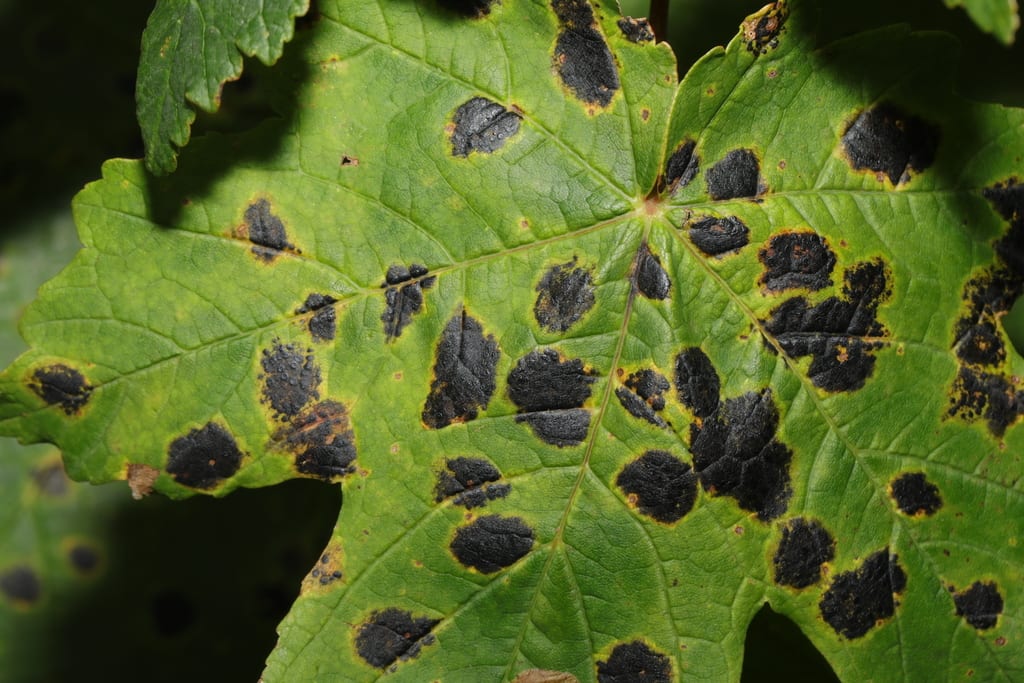
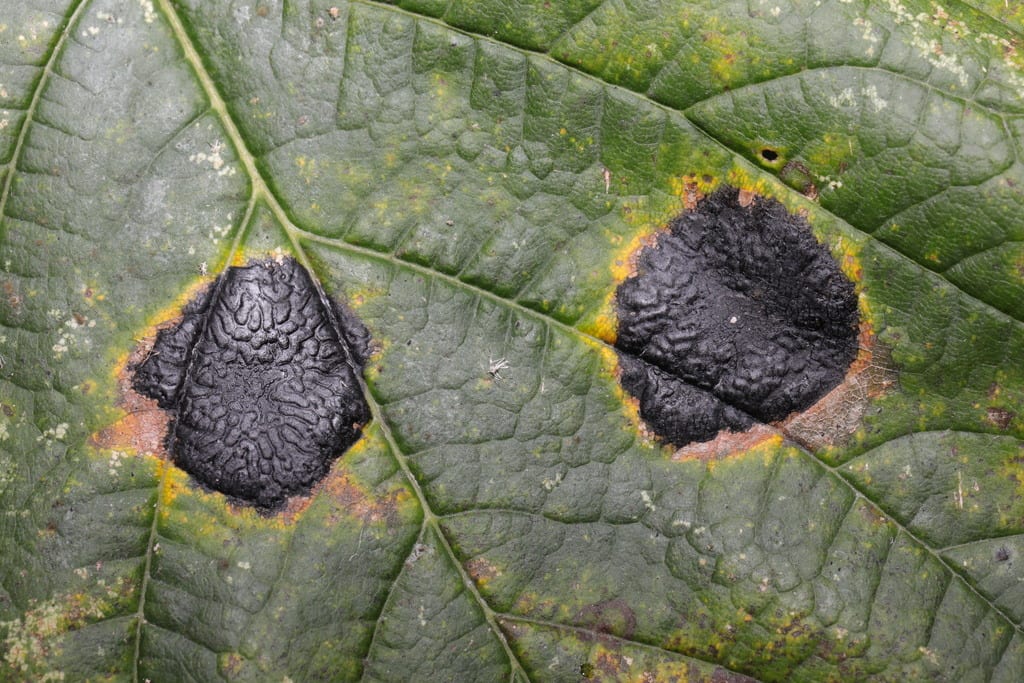
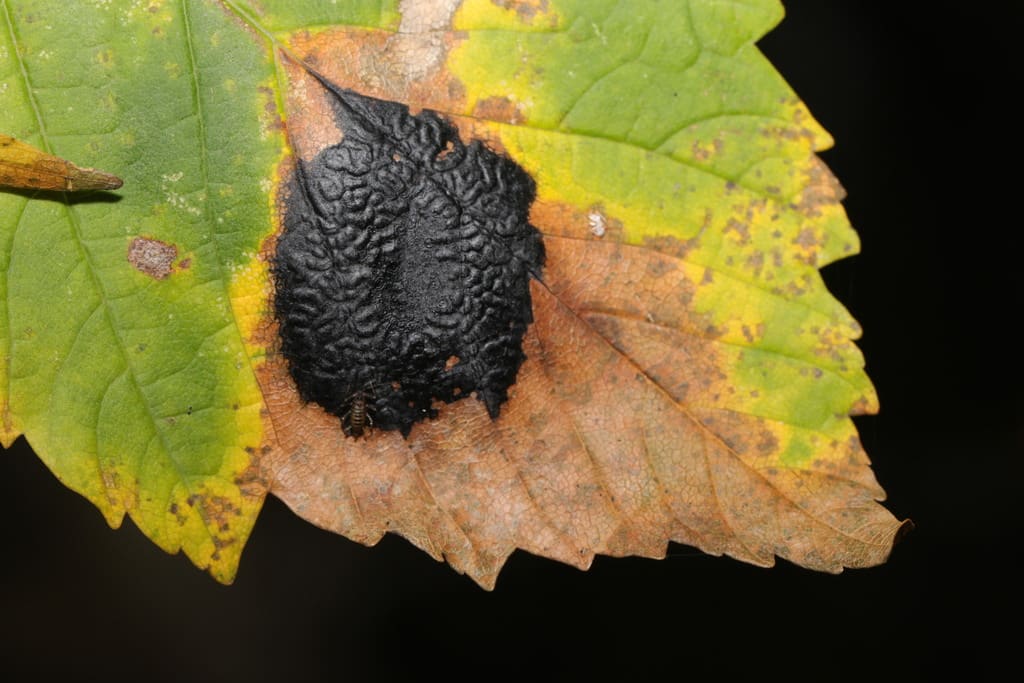
Tar spot of maple is a fungal disease caused by Rhytisma acerinum, characterized by distinct black spots on the leaves of maple trees. These spots resemble drops of tar and are primarily a cosmetic issue, not significantly affecting the tree's overall health.
About this problem
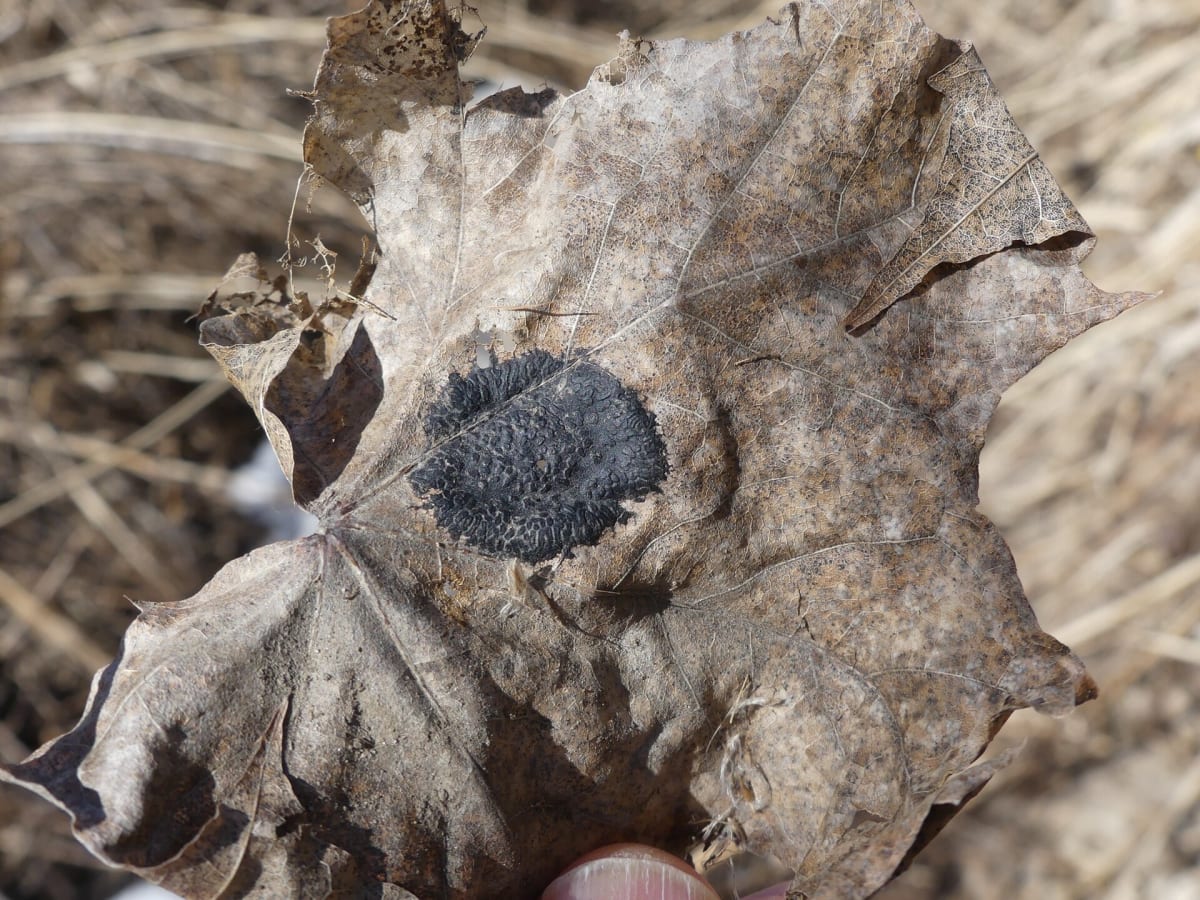
Tar spot of maple is a fungal disease caused by Rhytisma acerinum, which primarily affects maple trees. The disease manifests as black, tar-like spots on the leaves, which can be alarming in appearance but generally do not harm the tree's health. The fungus overwinters in fallen leaves and releases spores in the spring, which infect new leaves. The disease is often mistaken for other leaf spot diseases, but its distinctive black spots make it relatively easy to identify. While the presence of tar spot can reduce the aesthetic value of the tree, it rarely causes serious damage or affects the tree's growth.
Symptoms
- Black tar-like spots on leaves
- Yellowing around the spots
- Premature leaf drop
- Spots increase in size over time
Cause
The disease is caused by the fungus Rhytisma acerinum. It thrives in conditions where fallen infected leaves are not removed, allowing the fungus to overwinter and release spores in the spring.
Conditions that favour it
- Wet and humid weather
- Presence of infected fallen leaves
- Cool temperatures in spring
- Dense foliage
Lifecycle and spread
The fungus overwinters in fallen leaves and releases spores in the spring, which are carried by wind to infect new leaves. Breaking the cycle involves removing and destroying infected leaves in the fall.
Plants most affected
- Sugar maple
- Norway maple
- Silver maple
- Red maple
- Japanese maple
- Boxelder
Treatment
Educational information only, and not a substitute for professional diagnosis. Identify the problem before treating it, and check that any product is registered for this plant and this use where you live.
Cultural control
- Rake and destroy fallen leaves
- Ensure good air circulation
- Avoid overhead watering
- Prune to reduce tree density
Organic options
- Neem oil
- Horticultural oil
- Baking soda spray
Chemical options
- Chlorothalonil Used to prevent fungal infections
Read and follow the product label. The label is the legally binding instruction. Confirm the product is registered for this plant and for this use in your area before applying it.
Prevention
- Regularly remove and destroy fallen leaves
- Maintain proper tree spacing
- Promote good air circulation
- Monitor and manage humidity levels