Apple scab
Apple scab is a fungal disease caused by Venturia inaequalis, primarily affecting apple trees. It manifests as dark, olive-green to black spots on leaves and fruit, leading to cosmetic damage and potential yield loss.
About this problem
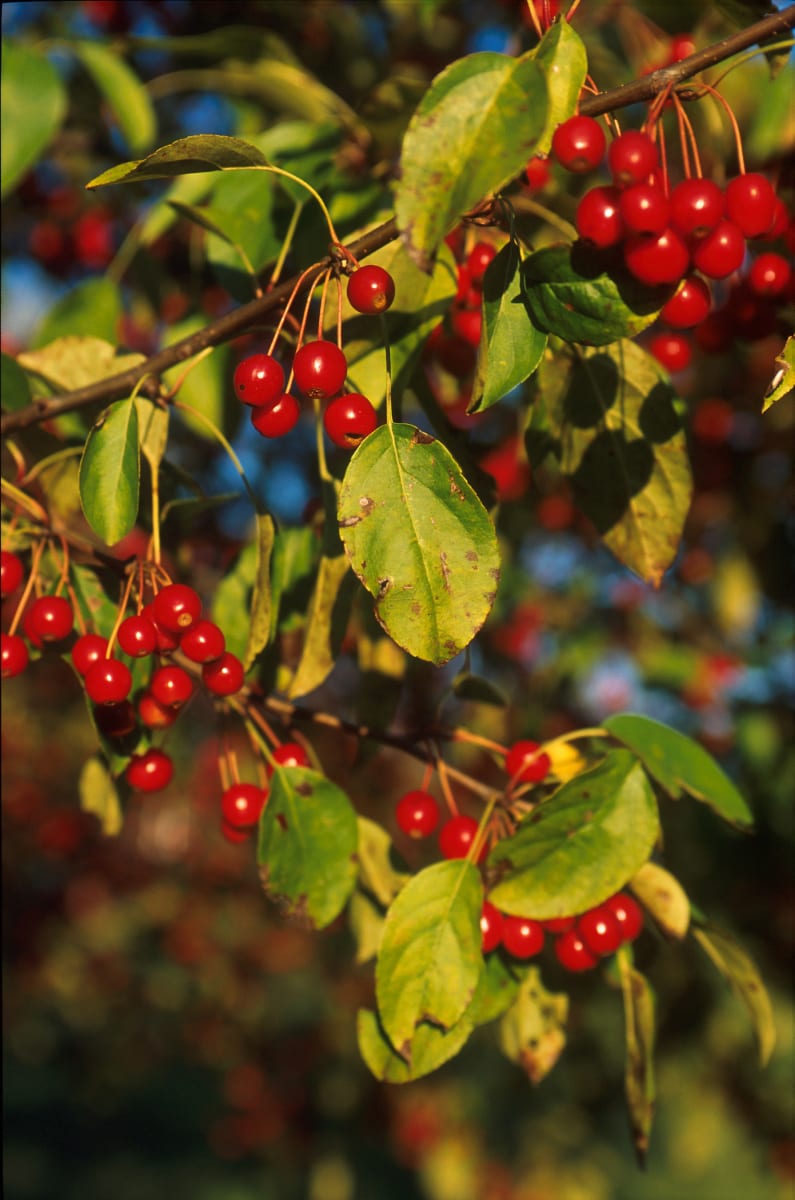
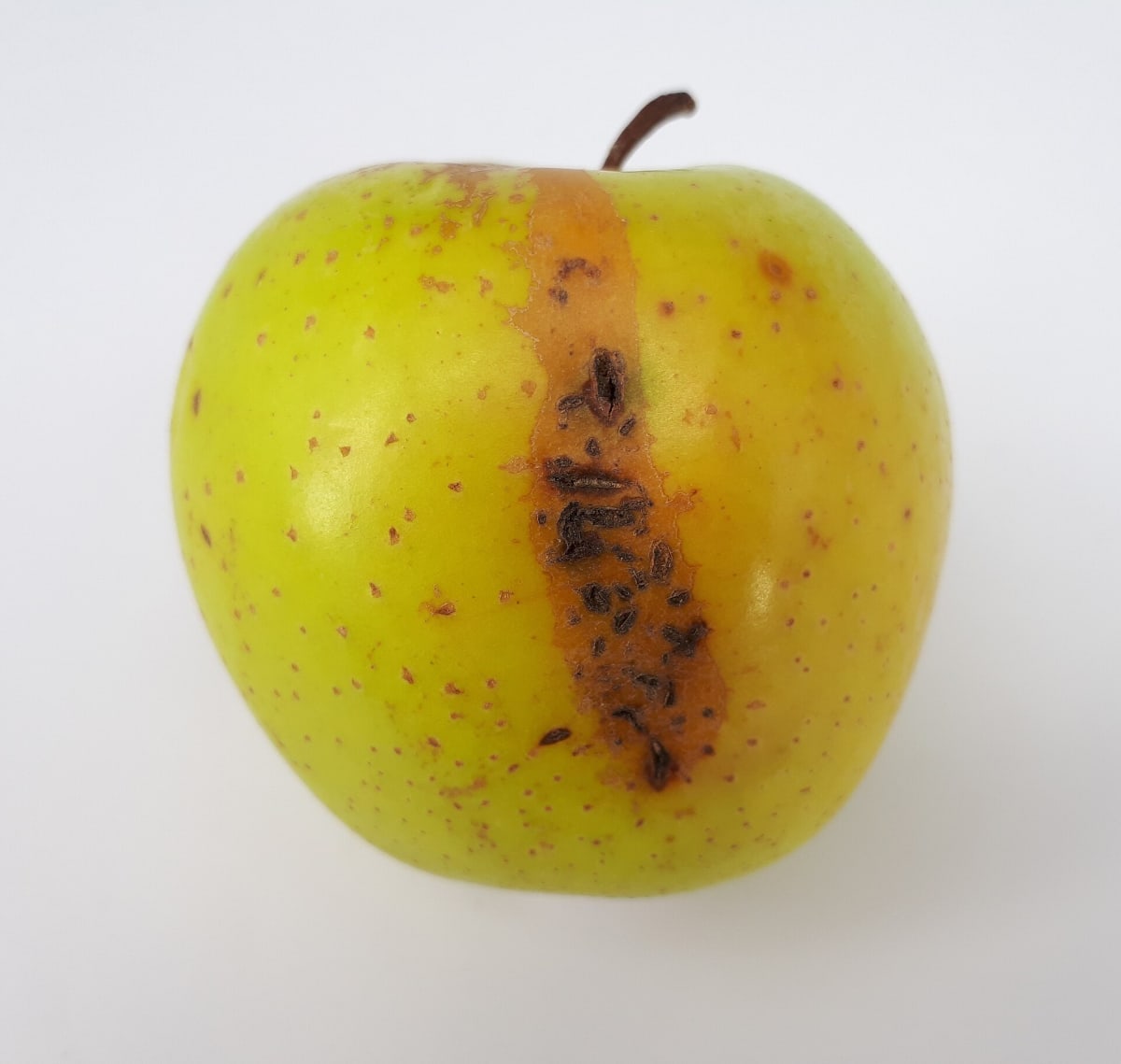
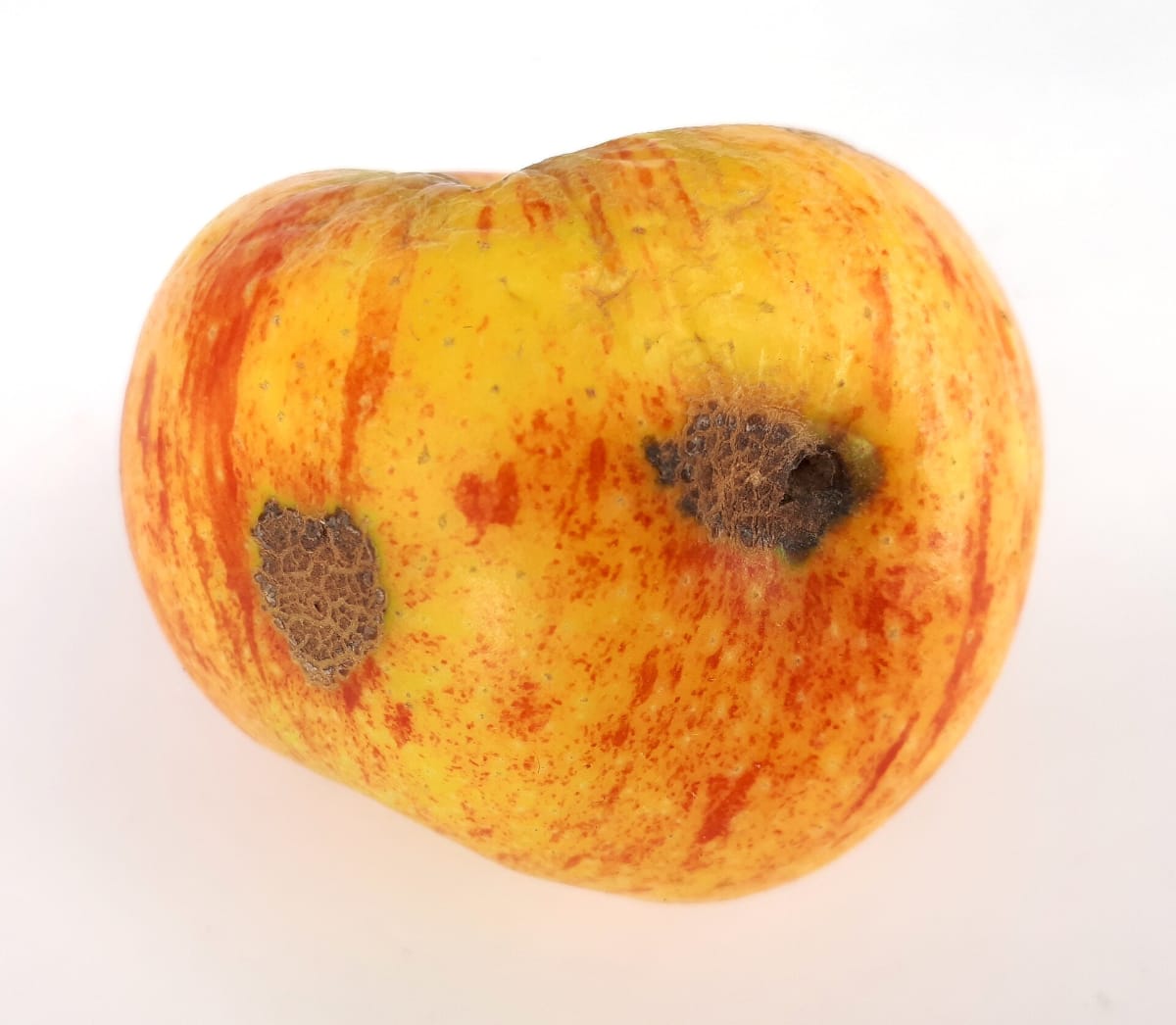
Apple scab is a common fungal disease affecting apple trees, caused by the pathogen Venturia inaequalis. It primarily attacks the leaves and fruit, creating dark, olive-green to black spots that can merge and cause significant cosmetic damage. Over time, infected leaves may become distorted and fall prematurely, while affected fruits may crack and become deformed. The disease is often confused with other leaf spot diseases, but its distinctive dark spots and the timing of its appearance in spring are key identifiers. Apple scab thrives in cool, wet conditions, making it a persistent issue in regions with such climates.
Symptoms
- Dark, olive-green to black spots on leaves
- Black spots on fruit
- Premature leaf drop
- Distorted leaves
- Cracked and deformed fruit
Cause
Apple scab is caused by the fungus Venturia inaequalis. The disease thrives in cool, wet conditions, particularly during the spring when spores are released and spread by rain and wind.
Conditions that favour it
- Cool, wet weather
- High humidity
- Poor air circulation
- Dense foliage
- Presence of infected plant debris
Lifecycle and spread
Venturia inaequalis overwinters in fallen leaves and fruit on the ground. In spring, the fungus releases spores that are spread by wind and rain to new growth. The cycle can be broken by removing infected debris and ensuring good air circulation.
Plants most affected
- Apple
- Crabapple
- Hawthorn
- Mountain ash
- Pear
- Cotoneaster
Treatment
Educational information only, and not a substitute for professional diagnosis. Identify the problem before treating it, and check that any product is registered for this plant and this use where you live.
Cultural control
- Prune trees to improve air circulation
- Remove and destroy fallen leaves and fruit
- Space trees adequately to reduce humidity
- Select resistant varieties
- Ensure proper sunlight exposure
Organic options
- Sulfur-based fungicides
- Neem oil
- Bicarbonate solutions
Chemical options
- Myclobutanil Used to manage fungal infections
Read and follow the product label. The label is the legally binding instruction. Confirm the product is registered for this plant and for this use in your area before applying it.
Prevention
- Plant resistant varieties
- Maintain good sanitation by removing debris
- Ensure proper tree spacing
- Prune regularly to enhance airflow
- Watch the forecast for long wet periods