Black spot of rose
Black spot of rose is a common fungal disease caused by Diplocarpon rosae, characterized by black spots on the leaves of rose plants. It can lead to leaf drop and reduced plant vigor if not managed properly.
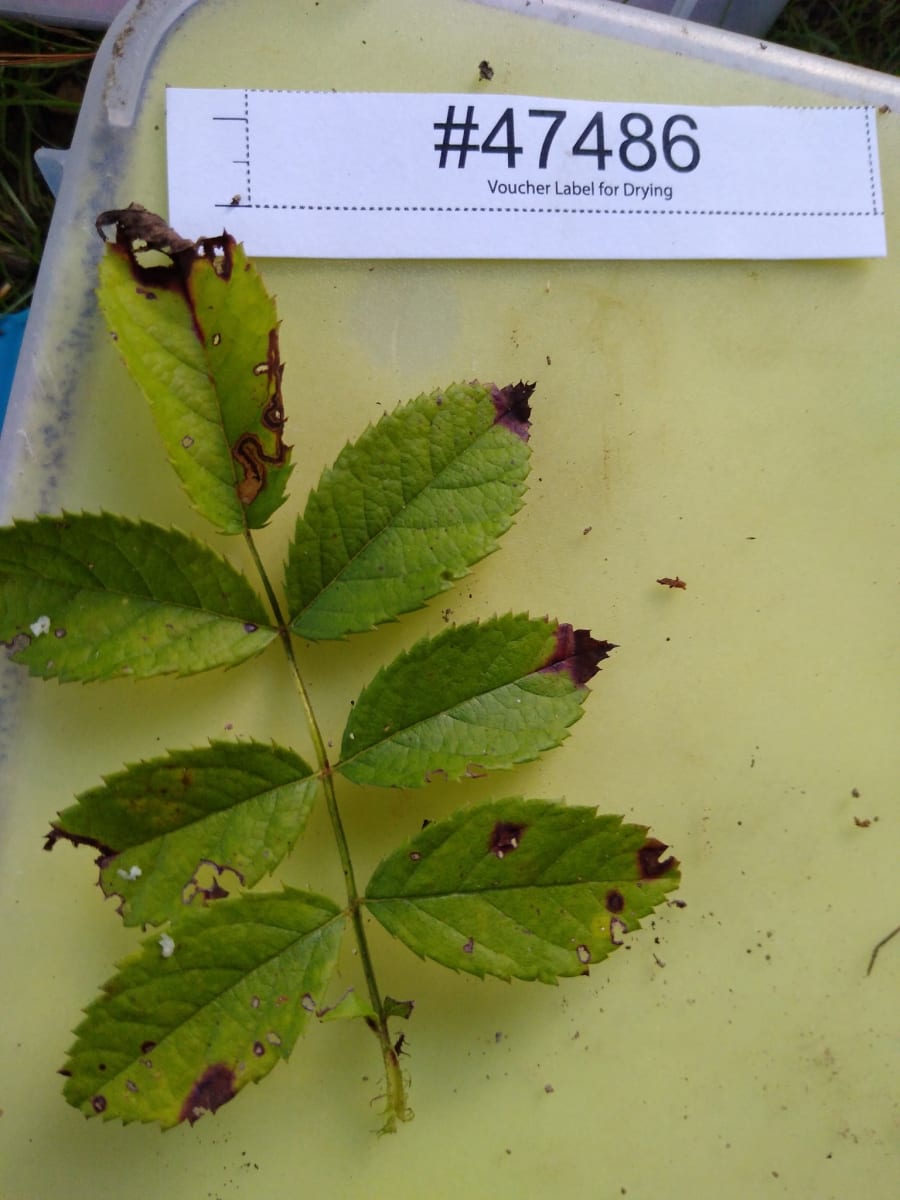
About this problem
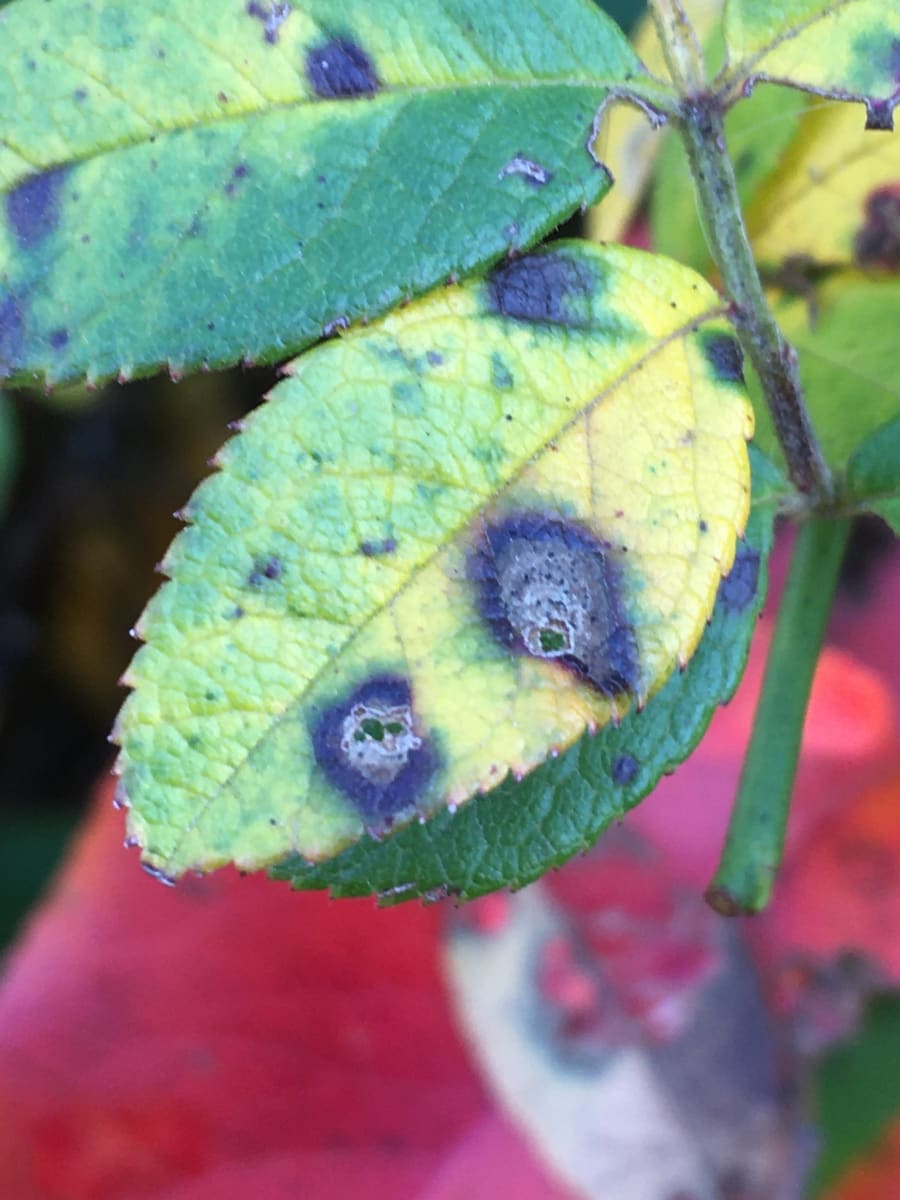
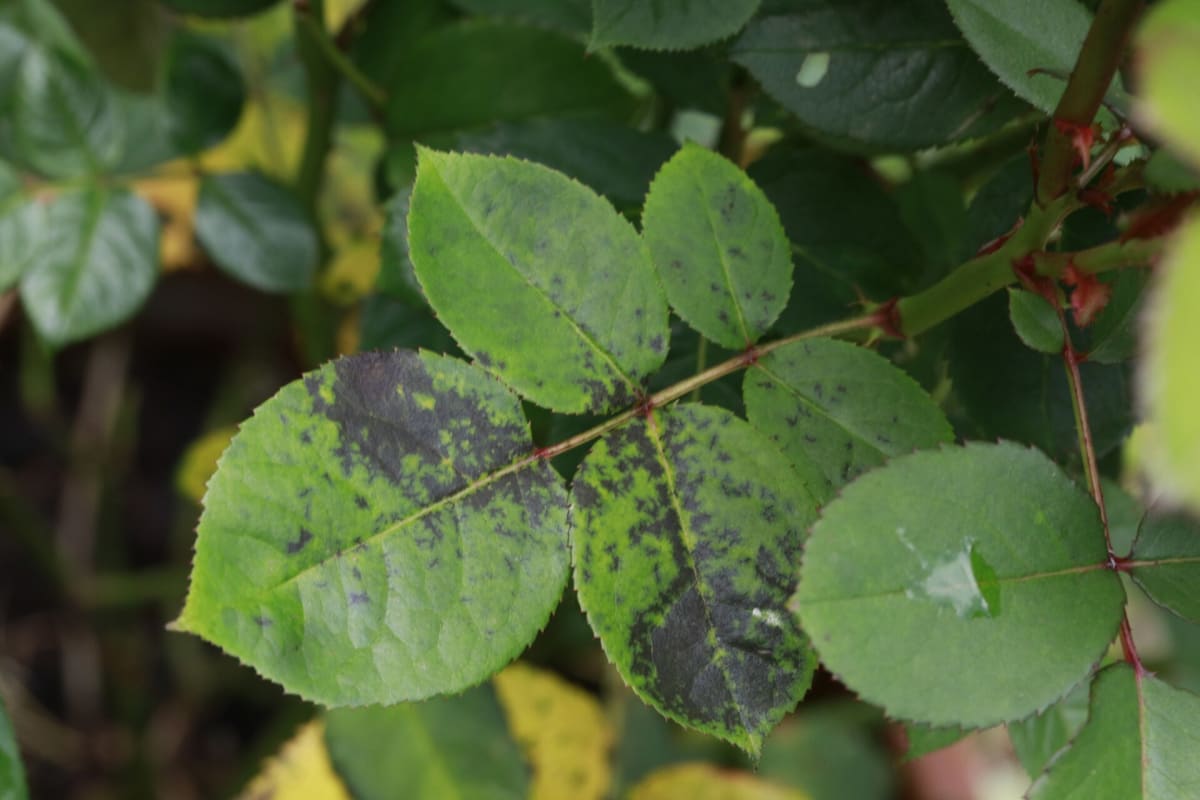
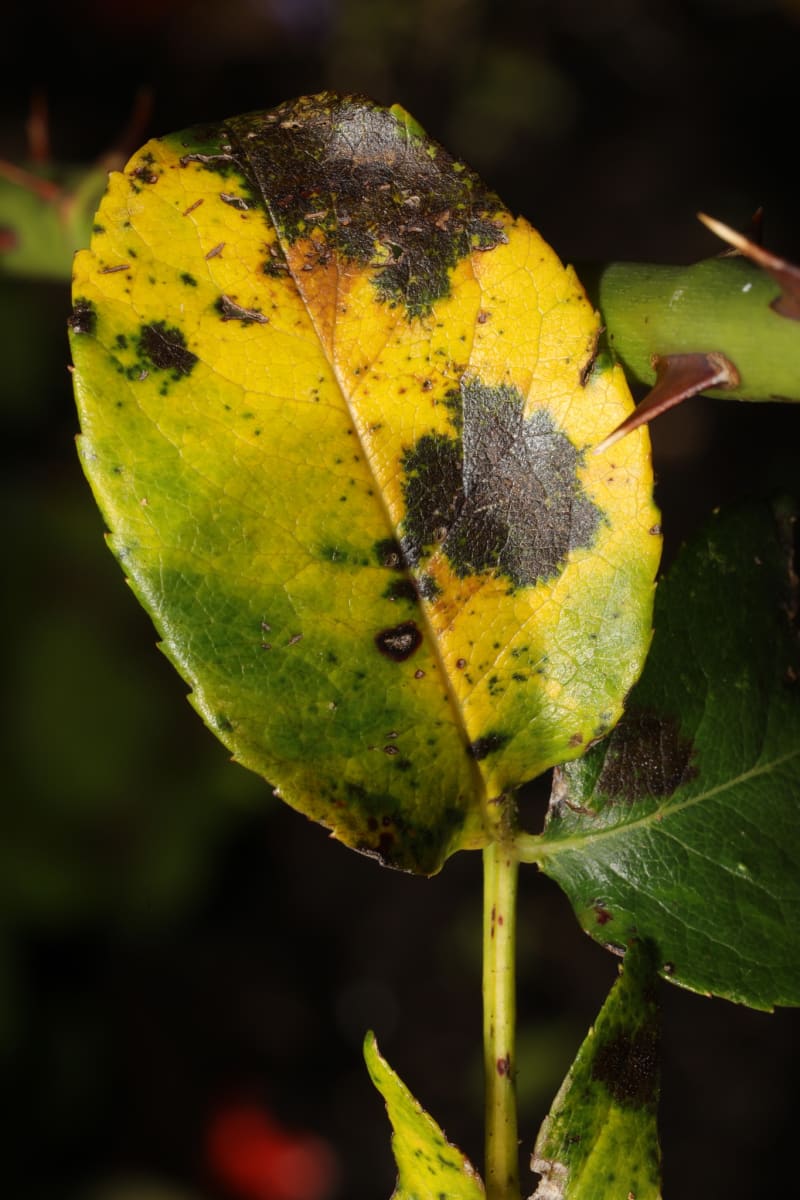
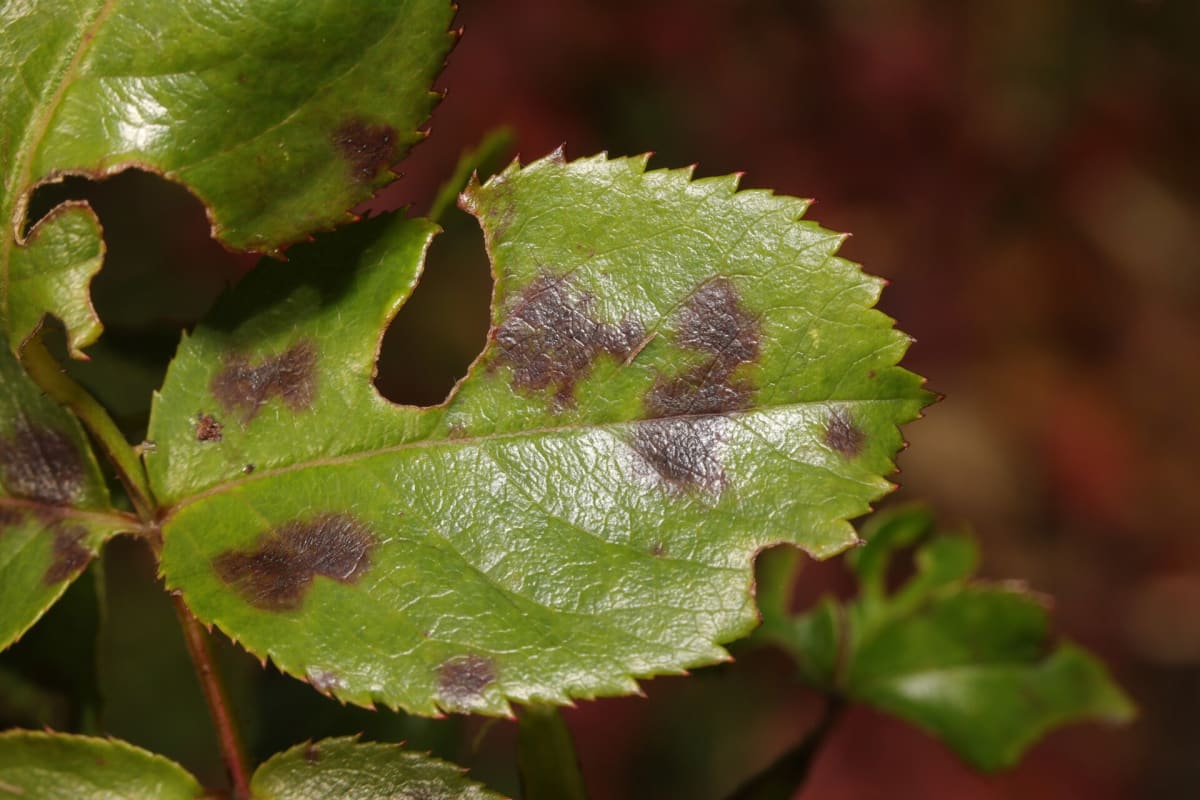
Black spot of rose is a fungal disease caused by Diplocarpon rosae, which primarily affects the leaves of rose plants. The disease manifests as circular black spots with fringed edges on the upper side of the leaves. Over time, these spots can coalesce, causing the leaves to yellow and drop prematurely. This defoliation weakens the plant, reducing its vigor and flowering potential. The disease is often confused with other leaf spot diseases, but its distinctive black spots help in accurate identification. Effective management involves cultural practices and, if necessary, fungicidal treatments.
Symptoms
- Black spots on leaves
- Yellowing of leaves
- Premature leaf drop
- Reduced flowering
- Weakened plant vigor
Cause
The disease is caused by the fungus Diplocarpon rosae, which thrives in warm, humid conditions. It spreads through water splashes and can overwinter on fallen leaves and infected canes.
Conditions that favour it
- High humidity
- Frequent rainfall
- Poor air circulation
- Dense foliage
- Overhead watering
Lifecycle and spread
Diplocarpon rosae spreads through spores that are dispersed by water splashes. The fungus overwinters on fallen leaves and infected canes, resuming activity in the spring. Breaking the cycle involves removing and destroying infected plant debris and improving air circulation.
Plants most affected
- Hybrid tea rose
- Floribunda rose
- Grandiflora rose
- Climbing rose
- Shrub rose
- Miniature rose
- Old garden rose
- Rugosa rose
- English rose
- Polyantha rose
Treatment
Educational information only, and not a substitute for professional diagnosis. Identify the problem before treating it, and check that any product is registered for this plant and this use where you live.
Cultural control
- Prune to improve air circulation
- Remove and destroy fallen leaves
- Avoid overhead watering
- Space plants to reduce humidity
- Select resistant rose varieties
Organic options
- Neem oil
- Horticultural oil
- Baking soda spray
- Sulfur-based fungicide
Chemical options
- Chlorothalonil Used to manage fungal diseases
- Myclobutanil Effective against black spot
Read and follow the product label. The label is the legally binding instruction. Confirm the product is registered for this plant and for this use in your area before applying it.
Prevention
- Plant disease-resistant varieties
- Ensure good air circulation
- Water at the base of the plant
- Regularly inspect and remove infected leaves
- Maintain proper plant spacing