Rust
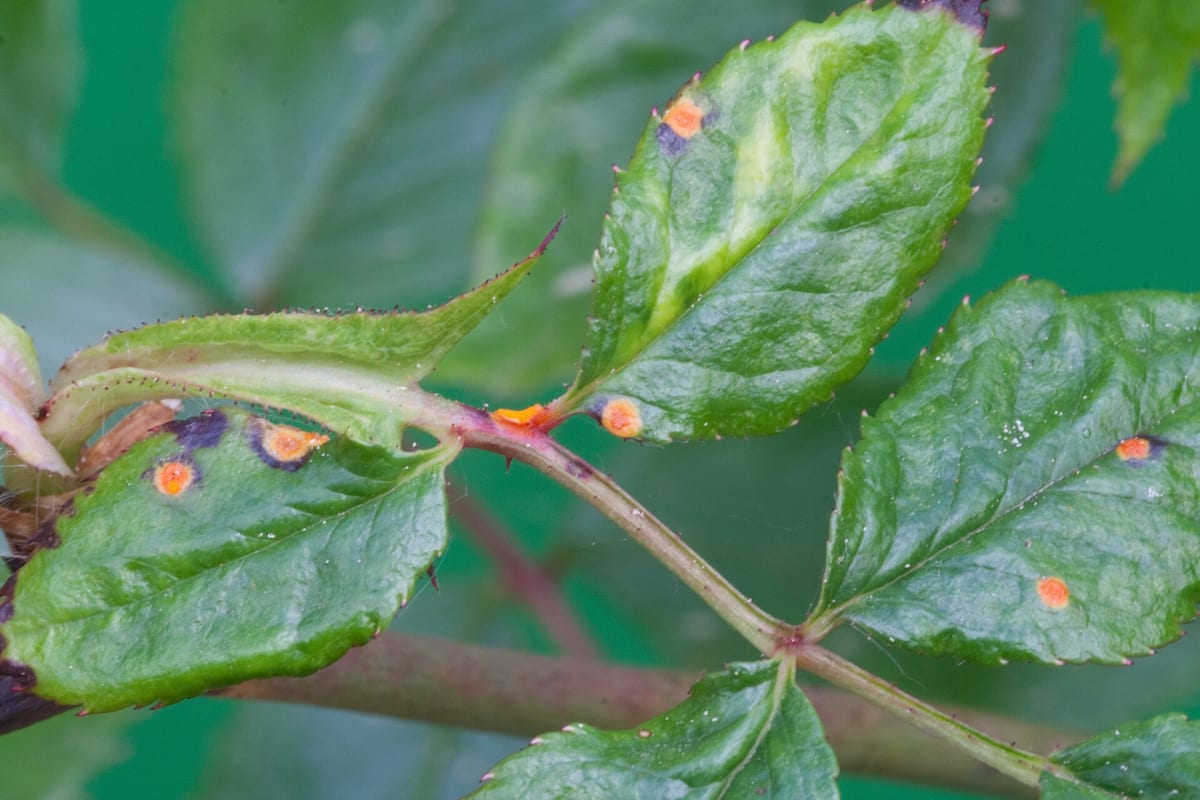
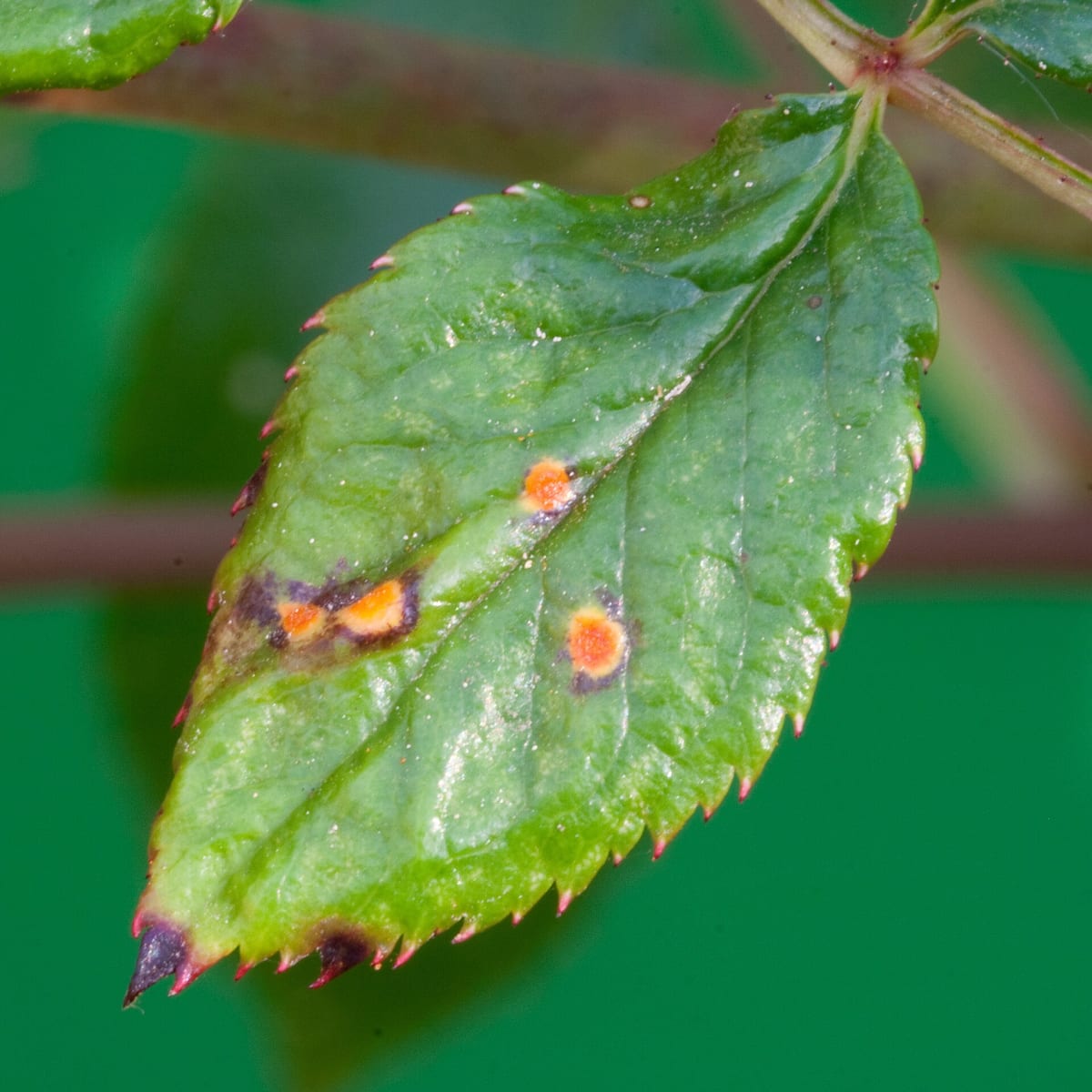
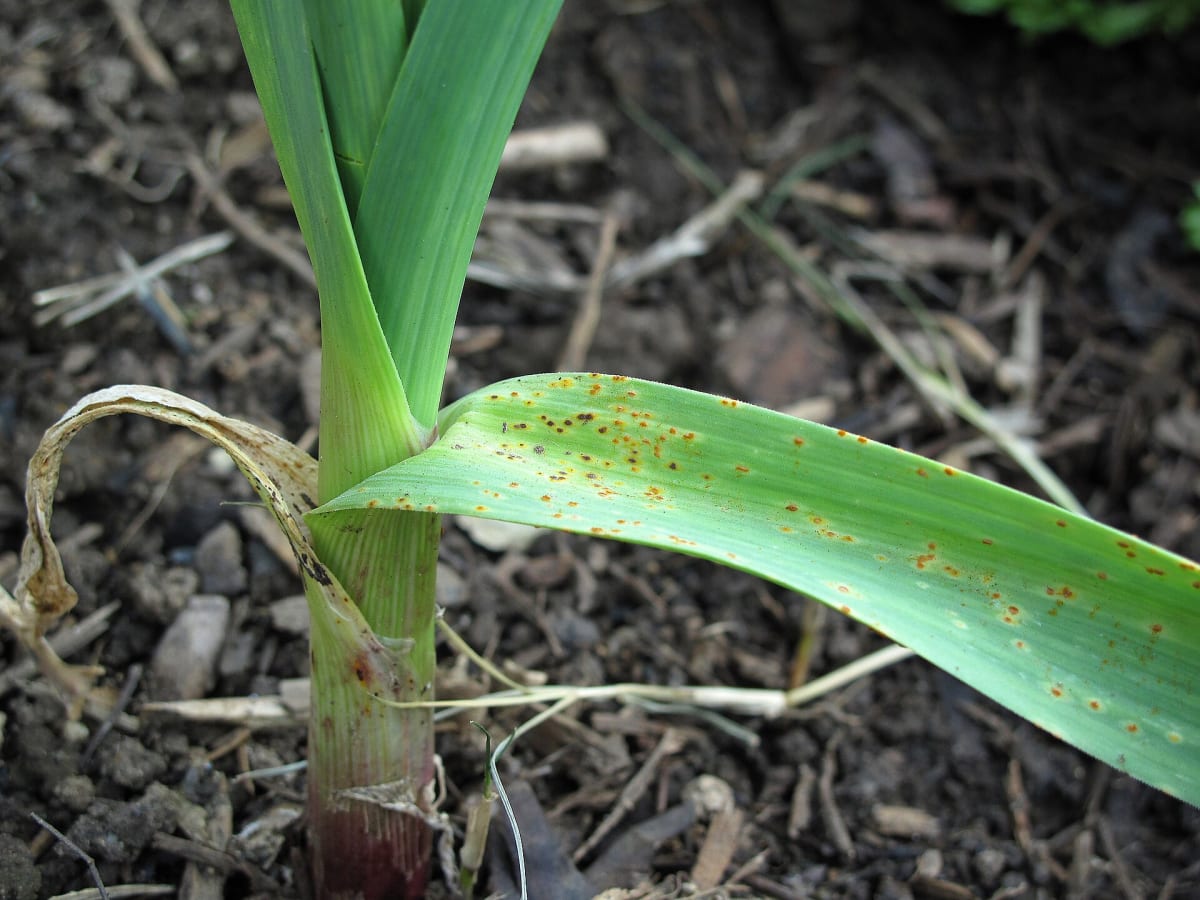
Rust is a fungal disease caused by Pucciniales, characterized by orange or rust-colored pustules on leaves and stems. It affects a wide range of plants and can lead to reduced vigor and yield if not managed properly.
About this problem
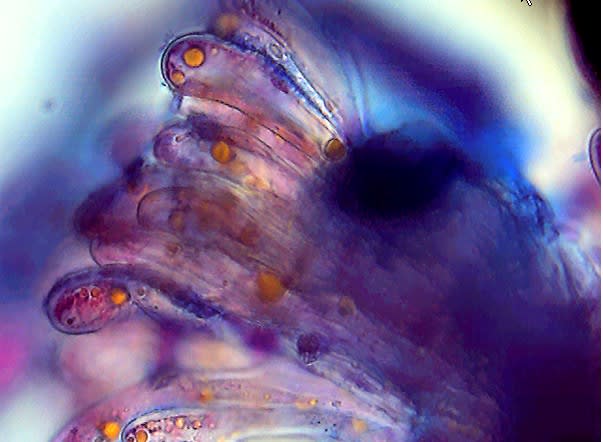
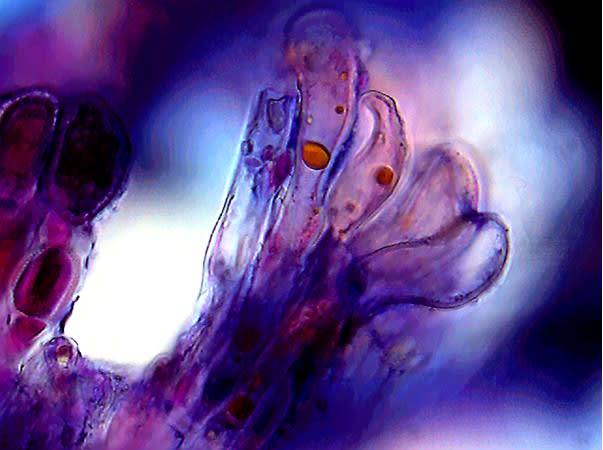
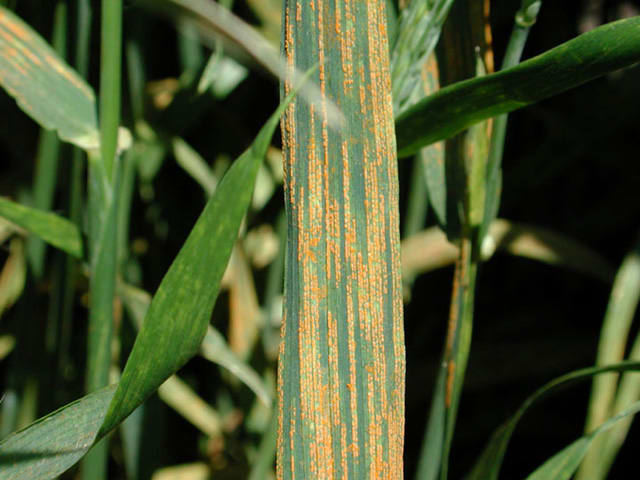
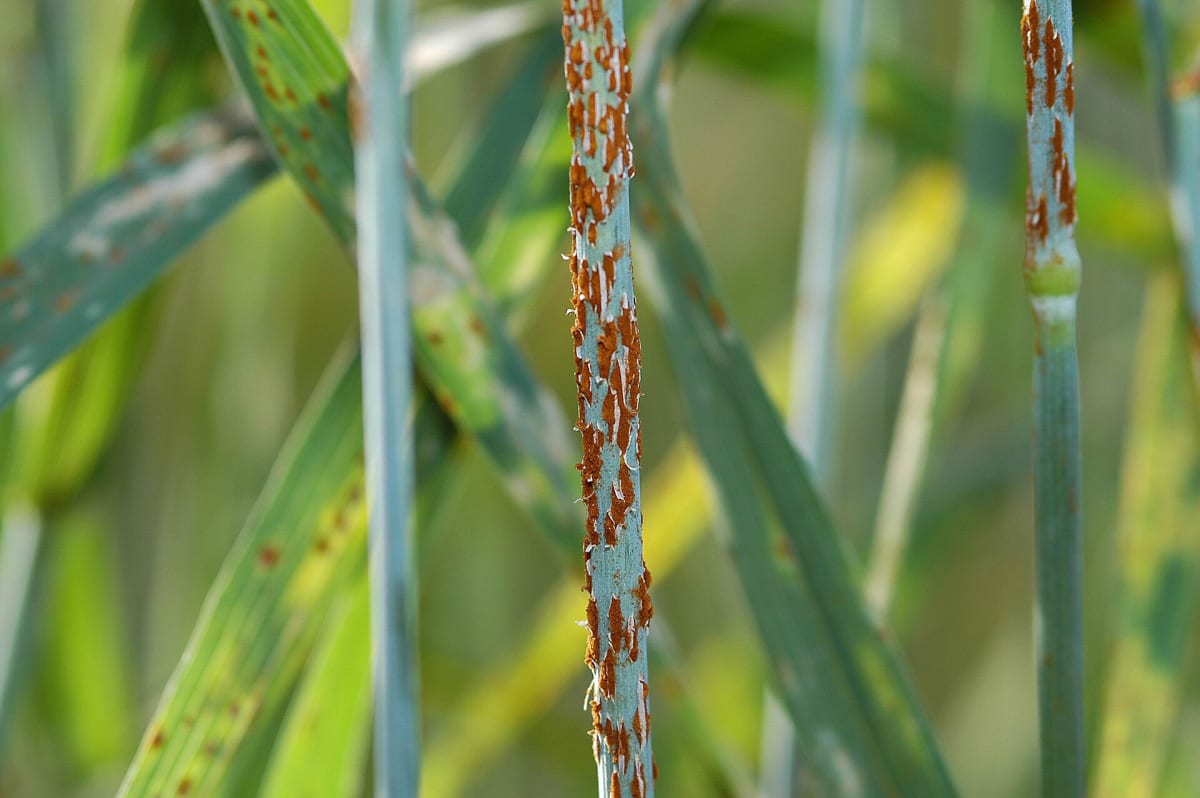
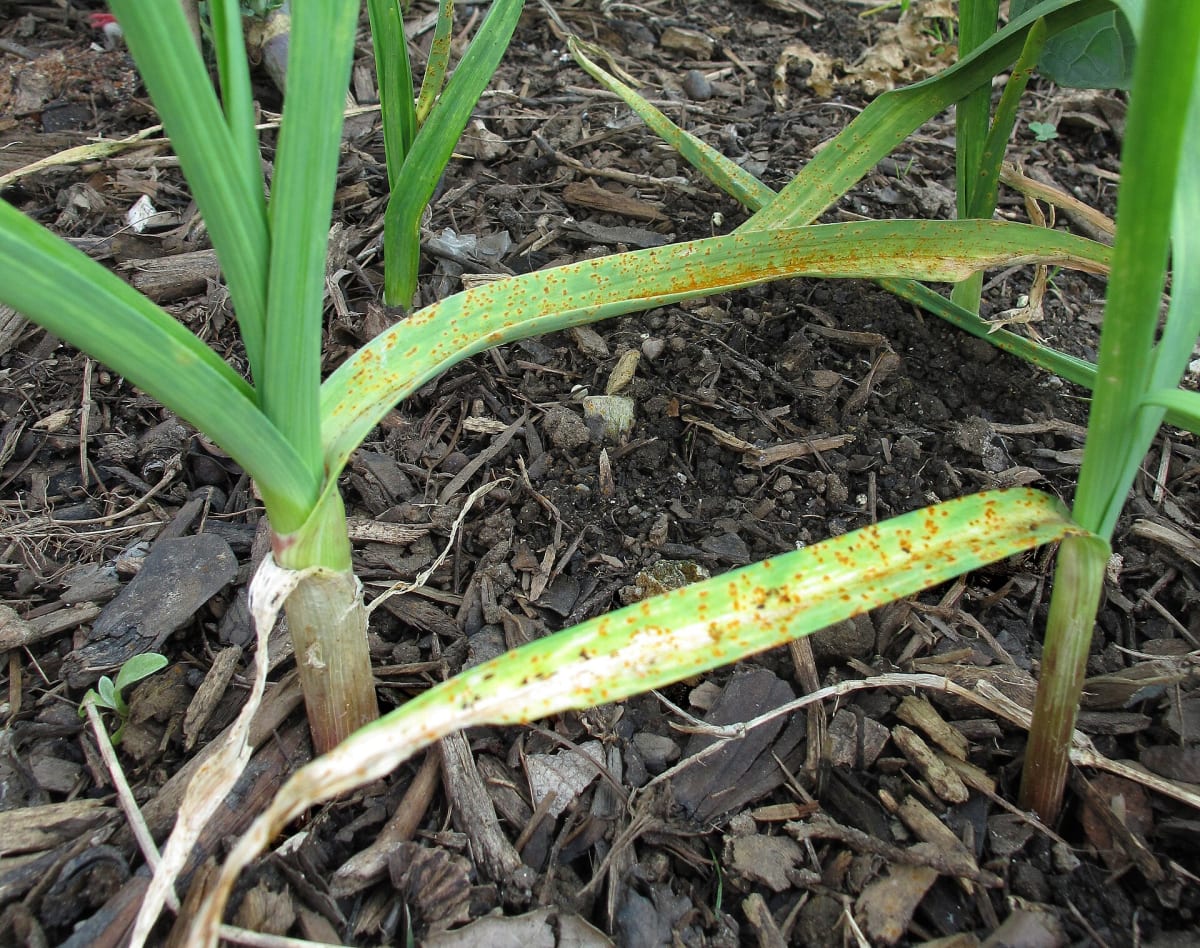
Rust is a common fungal disease caused by various species within the order Pucciniales. It primarily affects the leaves and stems of plants, appearing as small, orange or rust-colored pustules. These pustules are filled with spores that can spread the infection to other parts of the plant or nearby plants. Over time, the affected areas may turn yellow, and the leaves may drop prematurely. Rust is often confused with other foliar diseases, but its distinctive pustules help in accurate identification. While rust rarely kills plants, it can significantly reduce their vigor and yield if left untreated.
Symptoms
- Orange or rust-colored pustules on leaves
- Yellowing of leaves
- Premature leaf drop
- Reduced plant vigor
- Stunted growth
Cause
Rust is caused by fungi in the order Pucciniales. These fungi thrive in warm, moist conditions and spread through windborne spores. The disease often takes hold when plants are overcrowded, leading to poor air circulation.
Conditions that favour it
- Warm temperatures
- High humidity
- Poor air circulation
- Overcrowded planting
- Presence of susceptible host plants
Lifecycle and spread
Rust fungi spread through spores that are carried by the wind. They overwinter in plant debris and can infect new growth in the spring. Breaking the cycle involves removing infected plant material and ensuring good air circulation.
Plants most affected
- Roses
- Snapdragons
- Hollyhocks
- Beans
- Wheat
- Corn
- Geraniums
- Daylilies
- Fuchsias
- Apples
- Pears
- Plums
Treatment
Educational information only, and not a substitute for professional diagnosis. Identify the problem before treating it, and check that any product is registered for this plant and this use where you live.
Cultural control
- Increase spacing between plants for better air circulation
- Prune affected leaves and stems
- Remove and destroy infected plant debris
- Avoid overhead watering
- Rotate crops to prevent buildup
Organic options
- Neem oil
- Sulfur-based fungicides
- Baking soda solution
- Compost tea
Chemical options
- Chlorothalonil Used to manage rust infections
Read and follow the product label. The label is the legally binding instruction. Confirm the product is registered for this plant and for this use in your area before applying it.
Prevention
- Select rust-resistant plant varieties
- Maintain good garden hygiene
- Ensure proper plant spacing
- Monitor plants regularly for early signs
- Implement crop rotation