Rhizoctonia damping-off
Rhizoctonia damping-off is a fungal disease caused by Rhizoctonia solani, primarily affecting seedlings. It manifests as wilting, stunted growth, and stem rot, often leading to seedling death before or shortly after emergence.
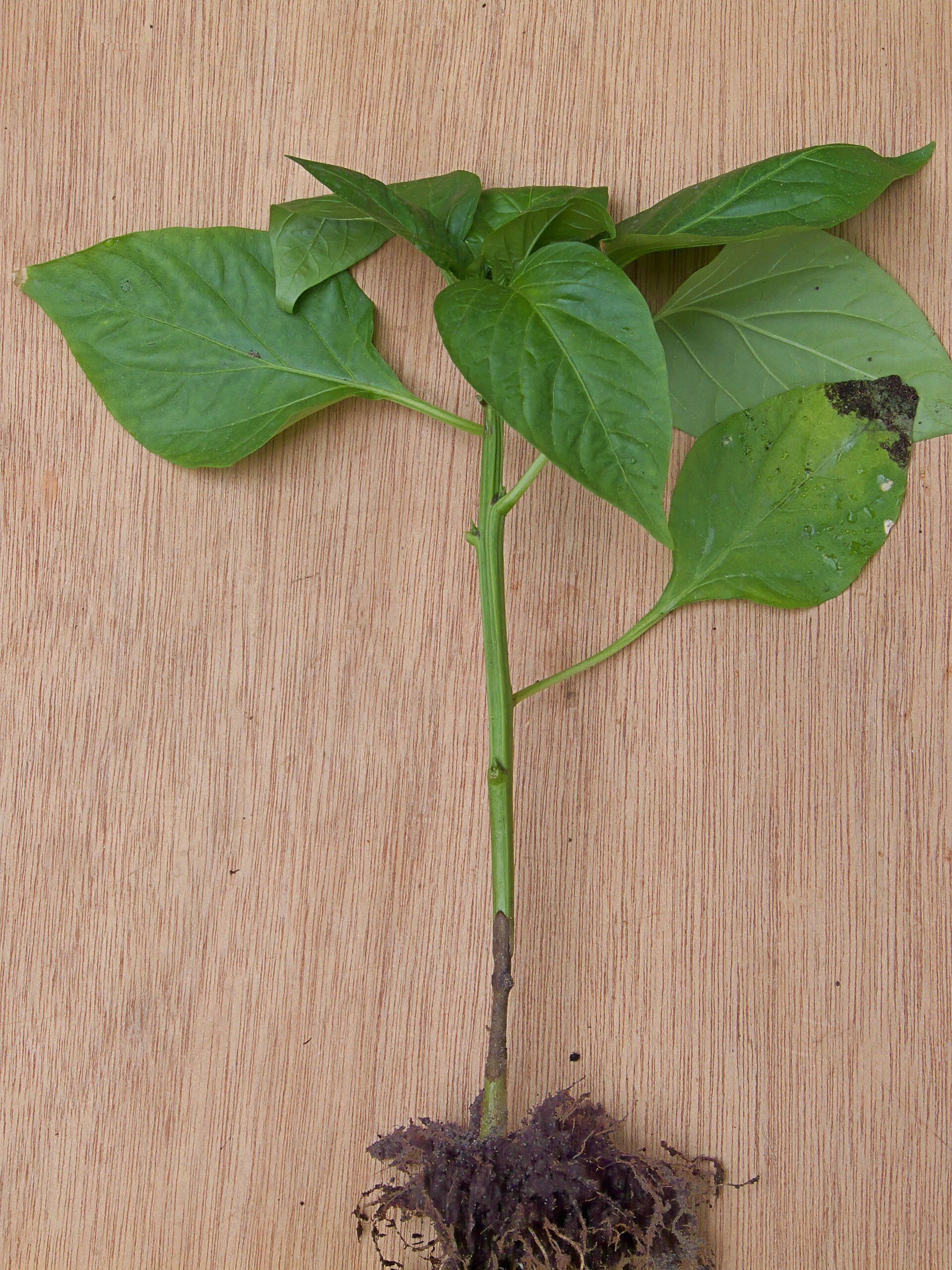
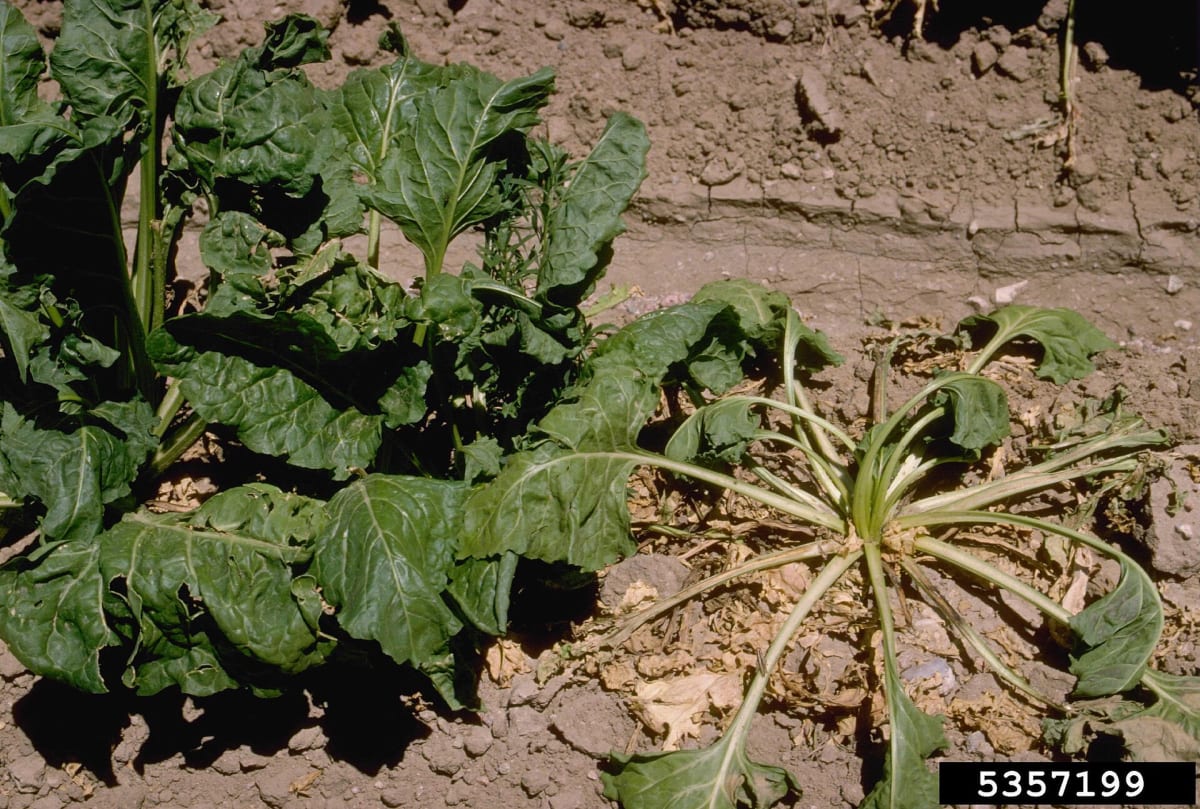
About this problem
Rhizoctonia damping-off is a serious disease caused by the soil-borne fungus Rhizoctonia solani. This pathogen primarily targets seedlings, causing pre-emergence and post-emergence damping-off. In pre-emergence damping-off, seeds may rot before they can germinate, while post-emergence damping-off affects young seedlings, causing them to collapse and die. The disease is often confused with other damping-off pathogens like Pythium and Fusarium. However, Rhizoctonia is distinguished by its preference for warmer, drier conditions. The fungus attacks the stem at the soil line, leading to brown, sunken lesions and eventual stem collapse. This disease can be devastating in nurseries and greenhouses, where dense planting and high humidity create ideal conditions for its spread.
Symptoms
- Wilting of seedlings
- Stunted growth
- Brown, sunken lesions on stems
- Seedling collapse
- Rotting seeds
Cause
Rhizoctonia solani is the causative organism. It thrives in warm, dry soil conditions and can persist in soil or plant debris for extended periods.
Conditions that favour it
- Warm soil temperatures
- Poor soil drainage
- High humidity
- Dense planting
- Presence of plant debris
Lifecycle and spread
Rhizoctonia solani spreads through soil and plant debris. It survives in the soil as sclerotia, which are resistant structures that can persist for years. The cycle is broken by crop rotation, sanitation, and improving soil drainage.
Plants most affected
- Tomato
- Lettuce
- Cabbage
- Beans
- Carrots
- Radishes
- Peppers
- Cucumbers
- Spinach
- Broccoli
- Cauliflower
- Squash
Treatment
Educational information only, and not a substitute for professional diagnosis. Identify the problem before treating it, and check that any product is registered for this plant and this use where you live.
Cultural control
- Improve soil drainage
- Ensure proper spacing of plants
- Avoid overwatering
- Remove plant debris
- Use raised beds
Organic options
- Neem oil
- Compost tea
- Trichoderma-based products
Chemical options
- Azoxystrobin For controlling fungal growth
- Fludioxonil Used to protect seedlings from damping-off
Read and follow the product label. The label is the legally binding instruction. Confirm the product is registered for this plant and for this use in your area before applying it.
Prevention
- Use sterilized soil or seed starting mix
- Avoid growing the same crop in the same ground
- Avoid planting in overly wet conditions
- Maintain good air circulation
- Monitor soil temperature