Cercospora leaf spot
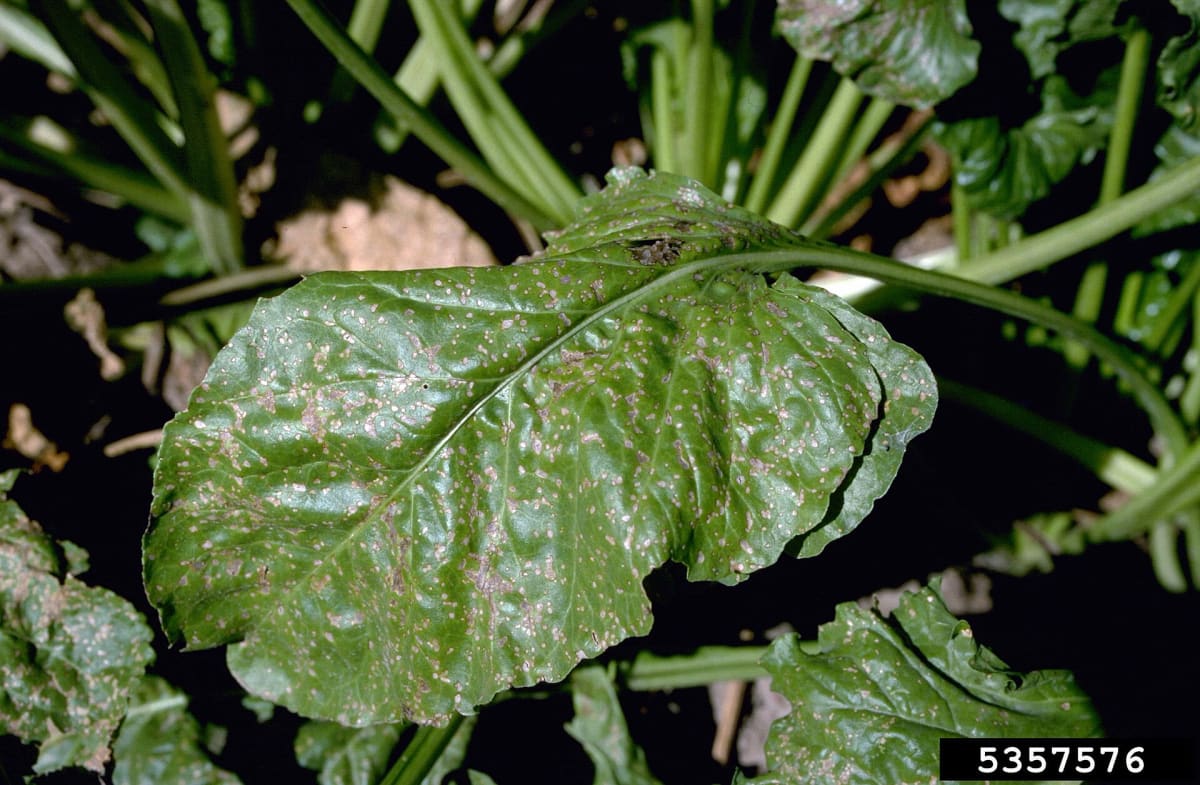
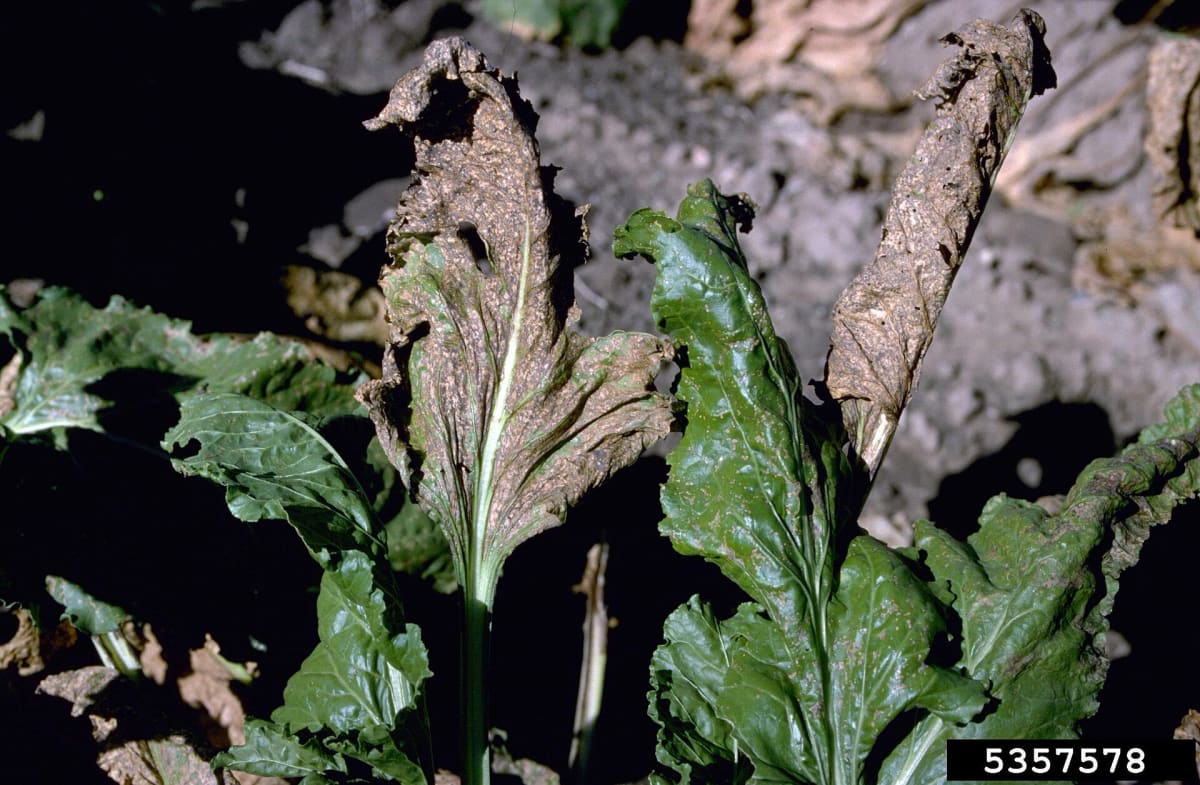
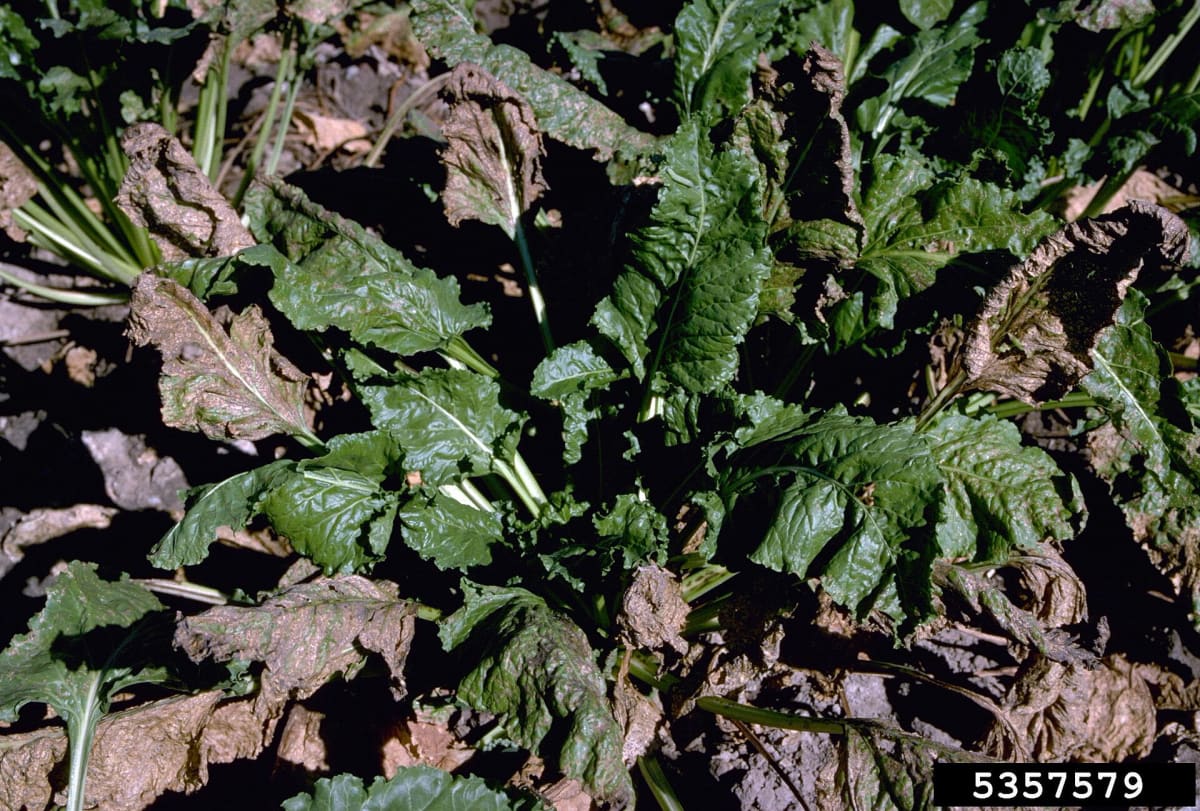
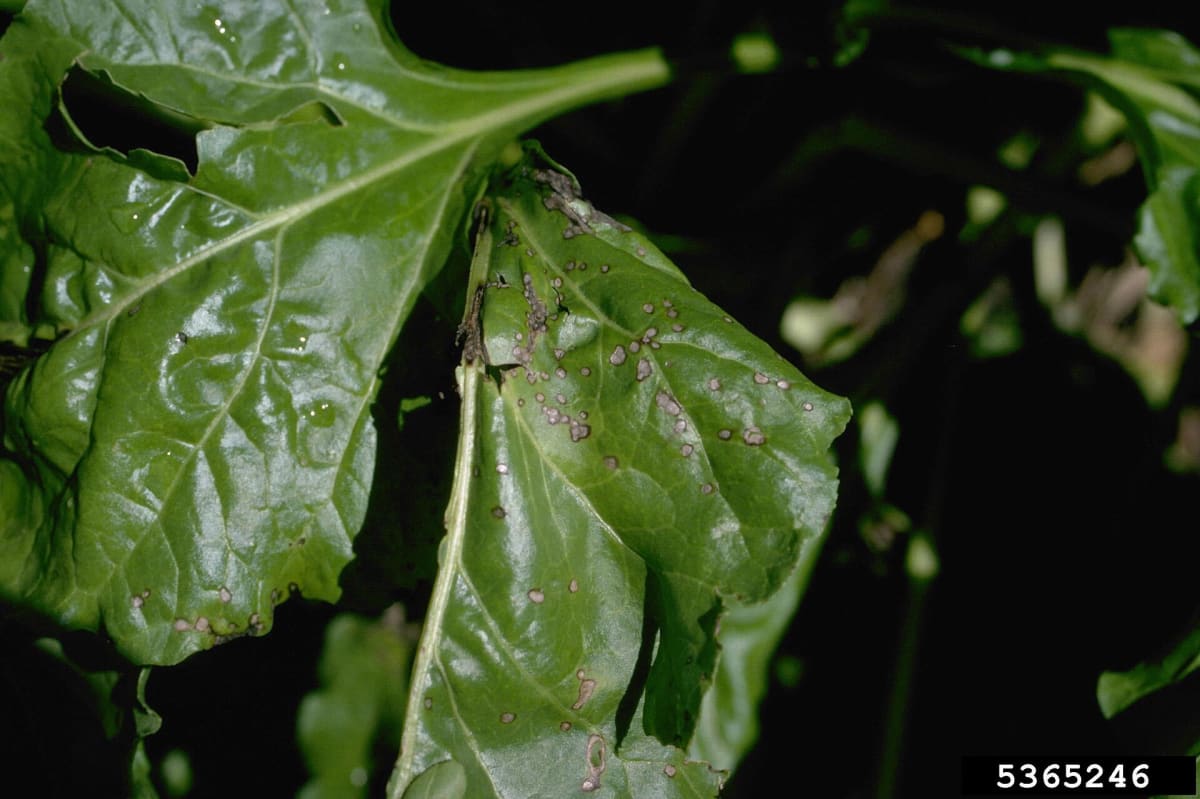
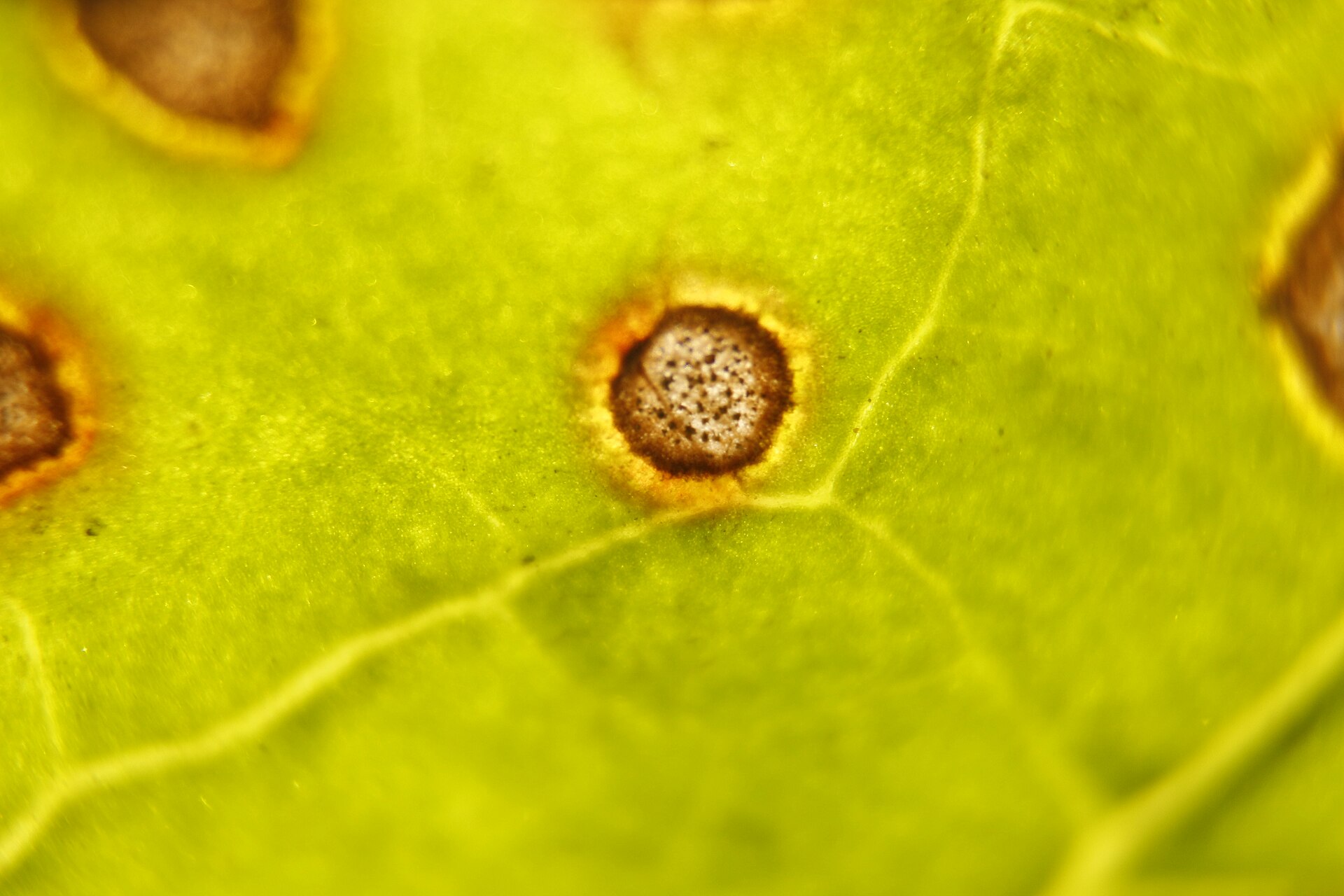
Cercospora leaf spot is a fungal disease caused by the Cercospora species, characterized by small, circular to irregular brown spots on leaves. These spots can coalesce, leading to larger areas of necrosis and potentially causing premature leaf drop, affecting the plant's overall health and yield.
About this problem
Cercospora leaf spot is a common fungal disease affecting a wide range of plants, including vegetables, ornamentals, and field crops. The disease is caused by various species of the Cercospora fungus, which thrive in warm, humid conditions. The pathogen primarily attacks the foliage, leading to the development of small, circular to irregular brown spots that may have a lighter center and a dark margin. Over time, these spots can merge, causing larger areas of leaf tissue to die and fall off. This defoliation can weaken the plant, reduce photosynthesis, and ultimately impact yield and aesthetic value. The disease is often confused with other leaf spot diseases, such as those caused by Alternaria or Septoria species. However, Cercospora leaf spots are typically smaller and more numerous. The presence of a grayish center in older lesions is a distinguishing feature. Infected plants may show symptoms throughout the growing season, but the disease is most prevalent during periods of high humidity and warm temperatures. It is crucial for growers to recognize the signs early and implement management strategies to prevent severe outbreaks.
Symptoms
- Small brown spots on leaves
- Irregular leaf lesions
- Spots with lighter centers
- Premature leaf drop
- Coalescing spots leading to larger necrotic areas
Cause
Cercospora species are the causative agents of Cercospora leaf spot. The fungi thrive in warm, humid environments and can spread rapidly under favorable conditions.
Conditions that favour it
- High humidity
- Warm temperatures
- Overhead irrigation
- Poor air circulation
- Dense plantings
Lifecycle and spread
Cercospora fungi spread through spores that are dispersed by wind, rain, or irrigation water. The pathogen overwinters in plant debris and soil, making sanitation crucial. Breaking the cycle involves removing infected debris and rotating crops.
Plants most affected
- Beet
- Carrot
- Celery
- Soybean
- Peanut
- Eggplant
- Tomato
- Spinach
- Swiss chard
- Okra
- Ornamental plants
Treatment
Educational information only, and not a substitute for professional diagnosis. Identify the problem before treating it, and check that any product is registered for this plant and this use where you live.
Cultural control
- Increase plant spacing for better air circulation
- Avoid overhead watering
- Remove and destroy infected plant debris
- Rotate crops with non-host plants
- Ensure proper drainage
Organic options
- Neem oil
- Copper-based fungicides
- Bacillus subtilis formulations
Chemical options
- Chlorothalonil Used to manage fungal leaf spots
- Mancozeb Effective against a range of fungal diseases
Read and follow the product label. The label is the legally binding instruction. Confirm the product is registered for this plant and for this use in your area before applying it.
Prevention
- Practice crop rotation
- Use resistant plant varieties
- Implement proper sanitation practices
- Monitor humidity levels
- Apply mulches to reduce soil splash