Gray mold
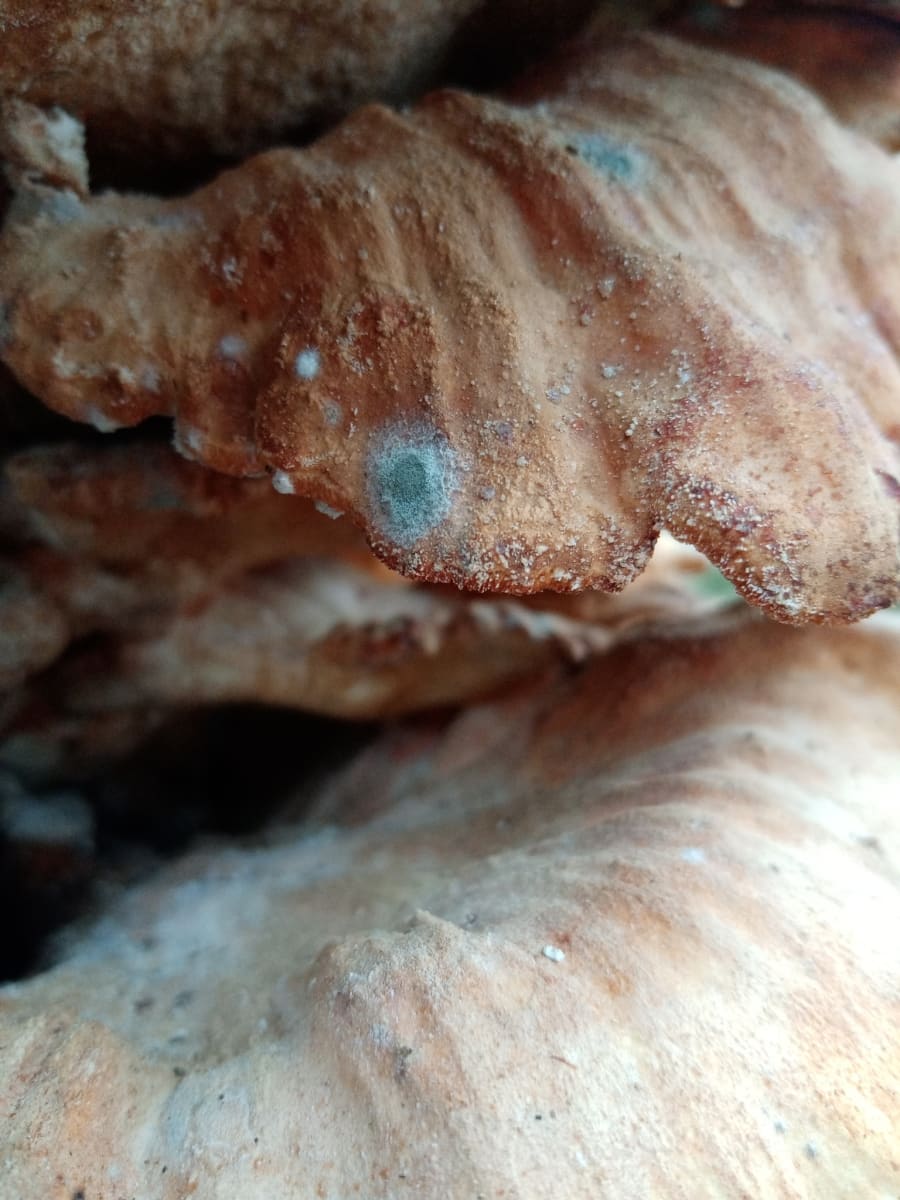
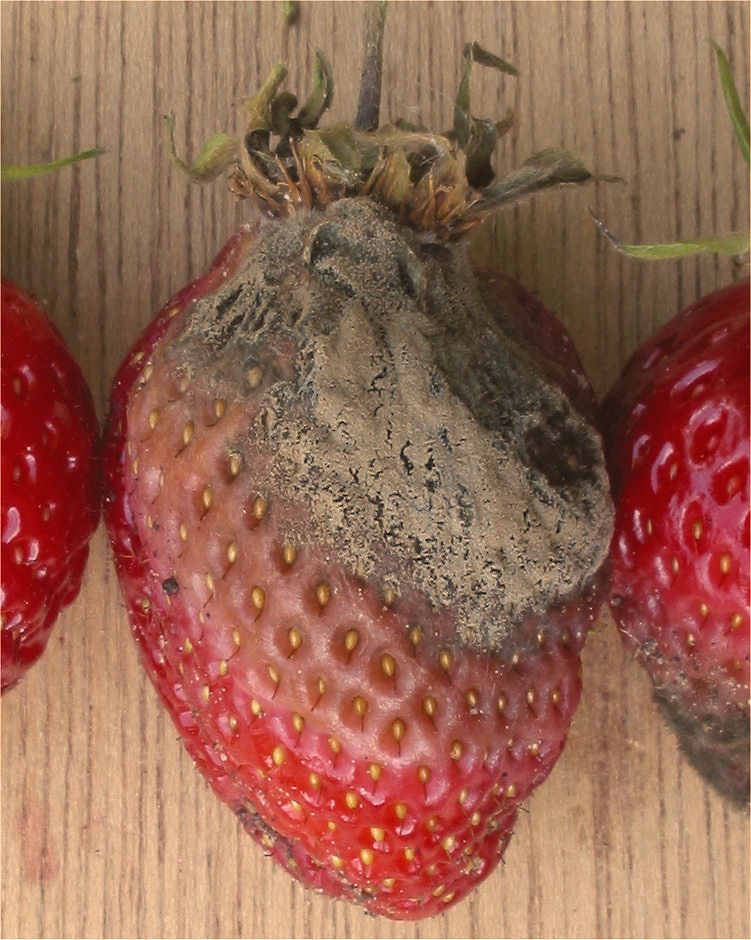
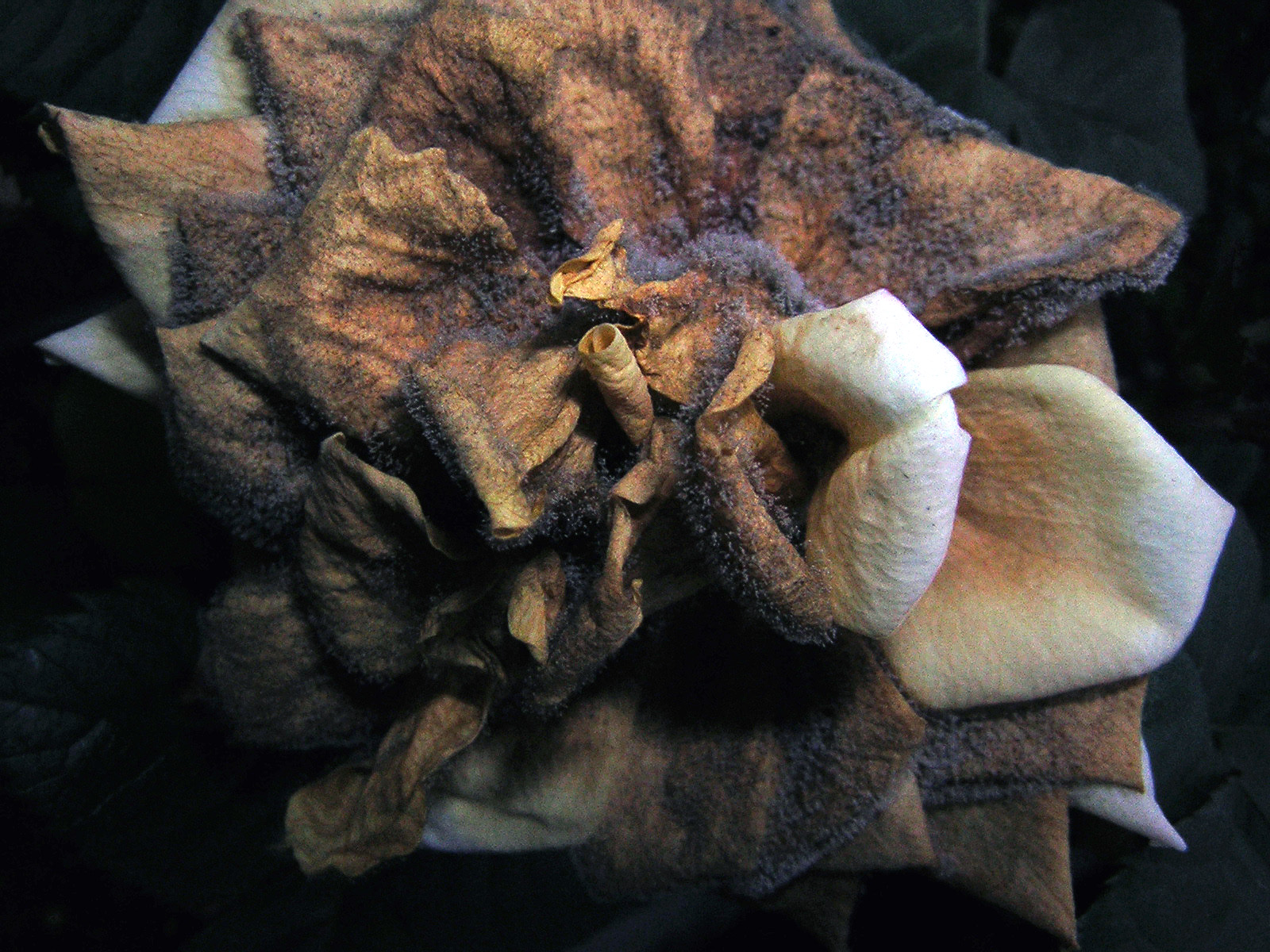
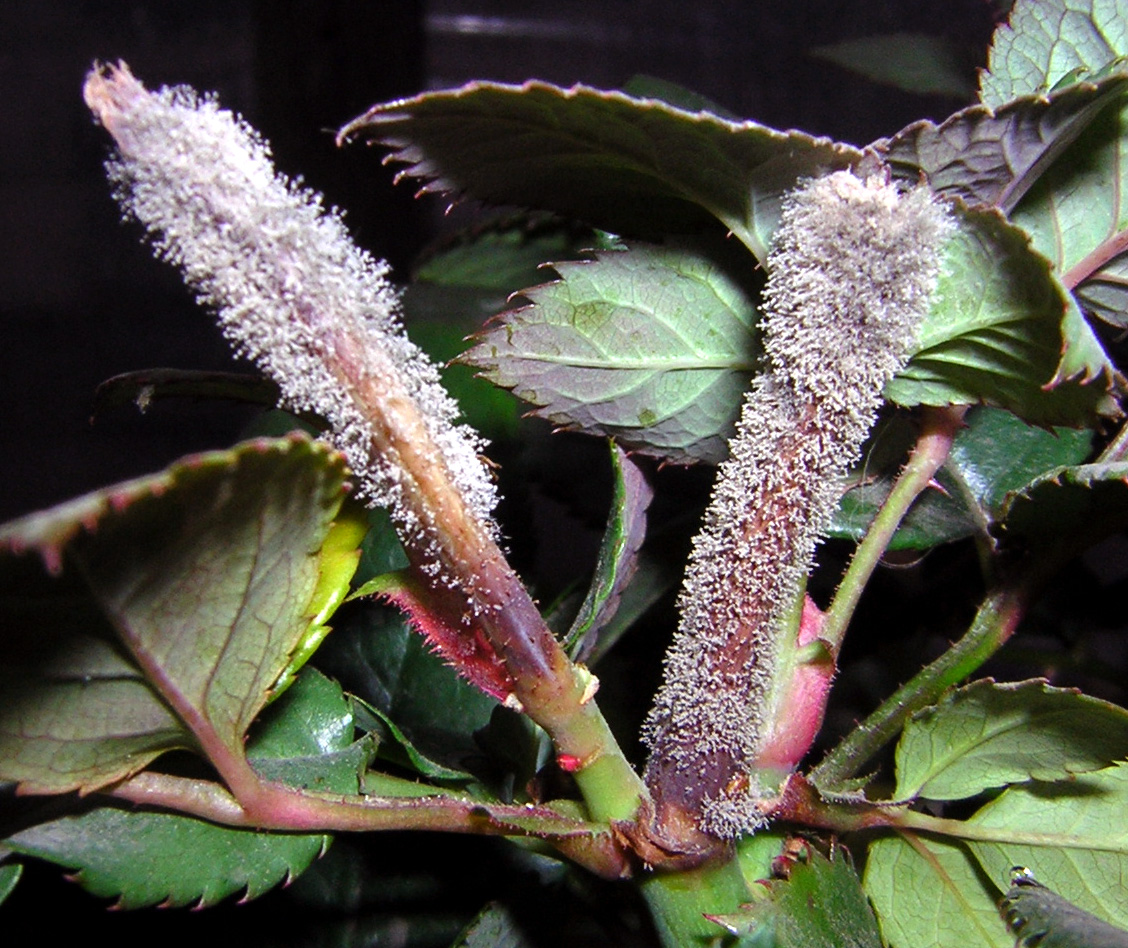
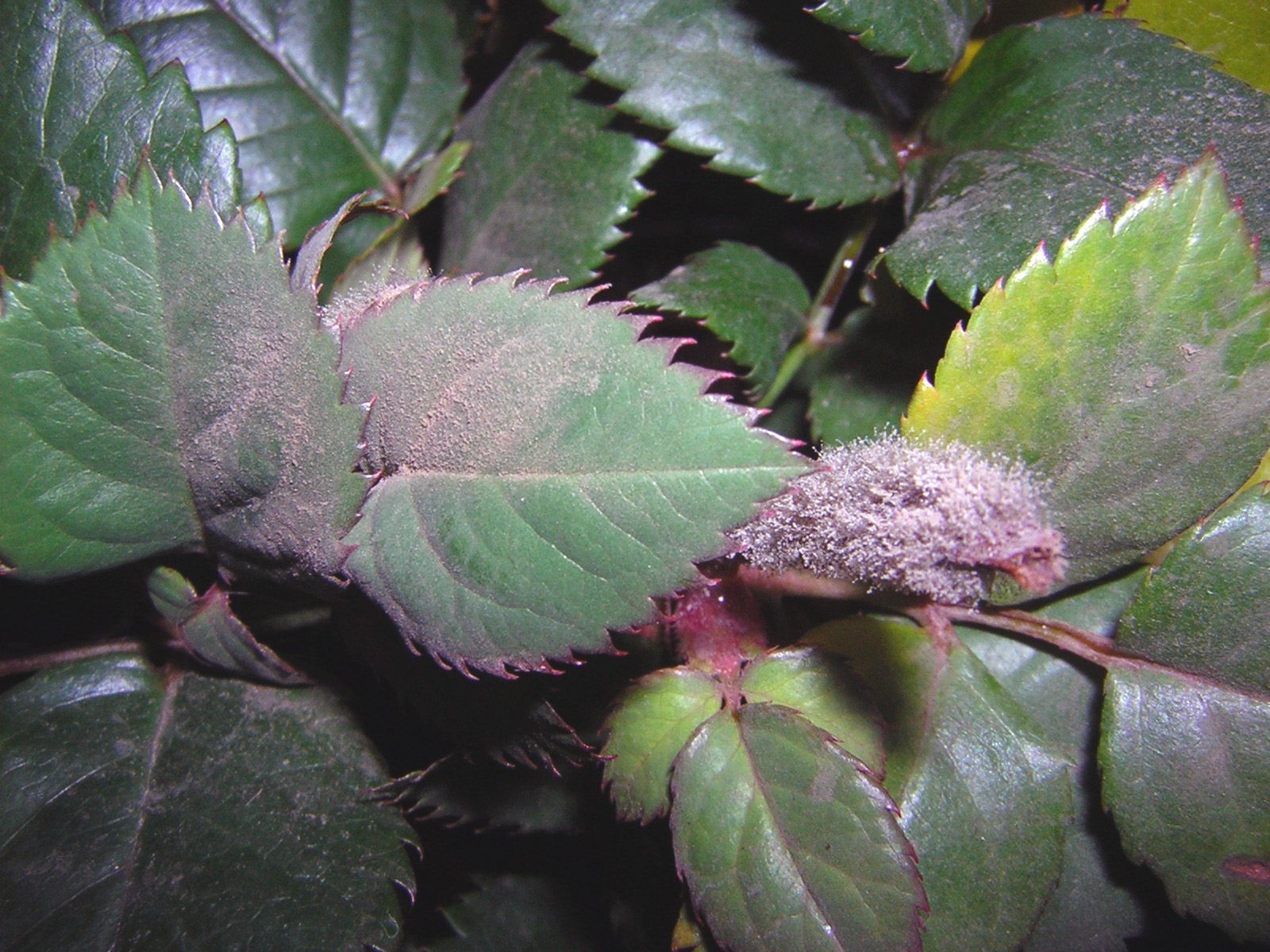
Gray mold, caused by the fungus Botrytis cinerea, is a common plant disease that appears as a fuzzy gray mold on leaves, stems, flowers, and fruits. It thrives in cool, damp conditions and can lead to significant crop losses if not managed properly.
About this problem
Gray mold is a fungal disease caused by Botrytis cinerea, which affects a wide range of plants, including vegetables, fruits, and ornamentals. The fungus thrives in cool, wet environments and is particularly problematic in greenhouses and during periods of prolonged rain. Initially, infected plant parts develop water-soaked spots that quickly become covered with a gray, fuzzy mold. As the disease progresses, it can cause blighting of flowers, fruit rot, and stem cankers. Gray mold is often confused with other fungal diseases, but its characteristic gray, fuzzy appearance helps in its identification. The disease is spread by wind, water, and contaminated tools, and it can overwinter in plant debris, making sanitation crucial for control.
Symptoms
- Gray fuzzy mold on leaves and stems
- Water-soaked spots on plant tissue
- Blighting of flowers
- Fruit rot
- Stem cankers
Cause
Gray mold is caused by the fungus Botrytis cinerea, which thrives in cool, damp conditions. It spreads through spores carried by wind, water, and contaminated tools.
Conditions that favour it
- High humidity
- Cool temperatures
- Poor air circulation
- Overcrowded plants
- Prolonged leaf wetness
Lifecycle and spread
Botrytis cinerea spreads through airborne spores that land on susceptible plant surfaces. It overwinters in plant debris and can be reactivated in the spring under favorable conditions. Breaking the cycle involves removing infected plant material and improving air circulation.
Plants most affected
- Tomato
- Strawberry
- Grape
- Rose
- Lettuce
- Peony
- Geranium
- Bean
- Pepper
- Cucumber
Treatment
Educational information only, and not a substitute for professional diagnosis. Identify the problem before treating it, and check that any product is registered for this plant and this use where you live.
Cultural control
- Improve air circulation by spacing plants appropriately
- Prune to remove infected plant parts
- Avoid overhead watering
- Ensure proper drainage
- Remove plant debris regularly
Organic options
- Neem oil
- Copper-based fungicides
- Bacillus subtilis
- Sulfur-based products
Chemical options
- Chlorothalonil For controlling fungal growth
- Iprodione To manage gray mold outbreaks
Read and follow the product label. The label is the legally binding instruction. Confirm the product is registered for this plant and for this use in your area before applying it.
Prevention
- Maintain good air circulation
- Avoid overcrowding plants
- Water plants at the base
- Remove and destroy infected plant material
- Use resistant plant varieties when available