Armillaria root rot
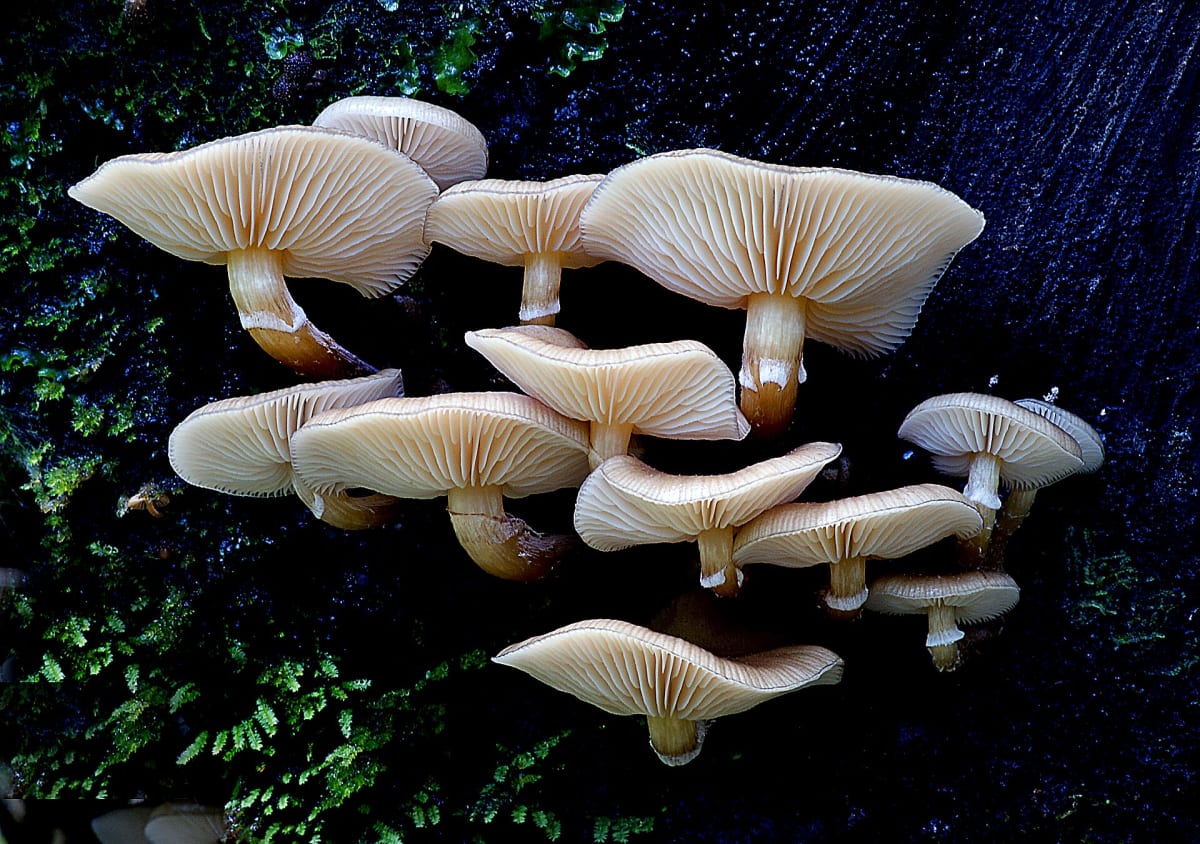
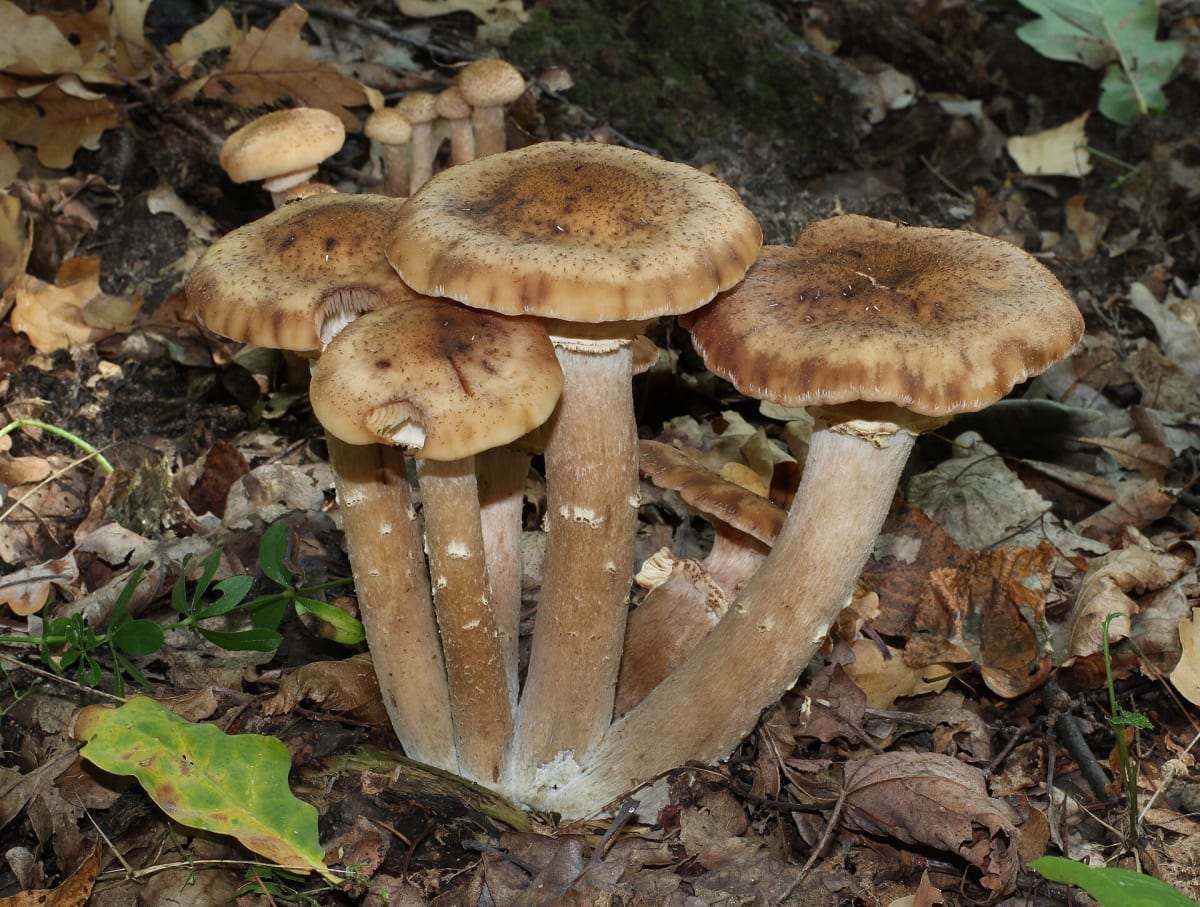
Armillaria root rot is a fungal disease caused by Armillaria mellea, affecting a wide range of woody plants. It is characterized by the decay of roots and lower stems, leading to wilting, yellowing leaves, and eventual plant death.
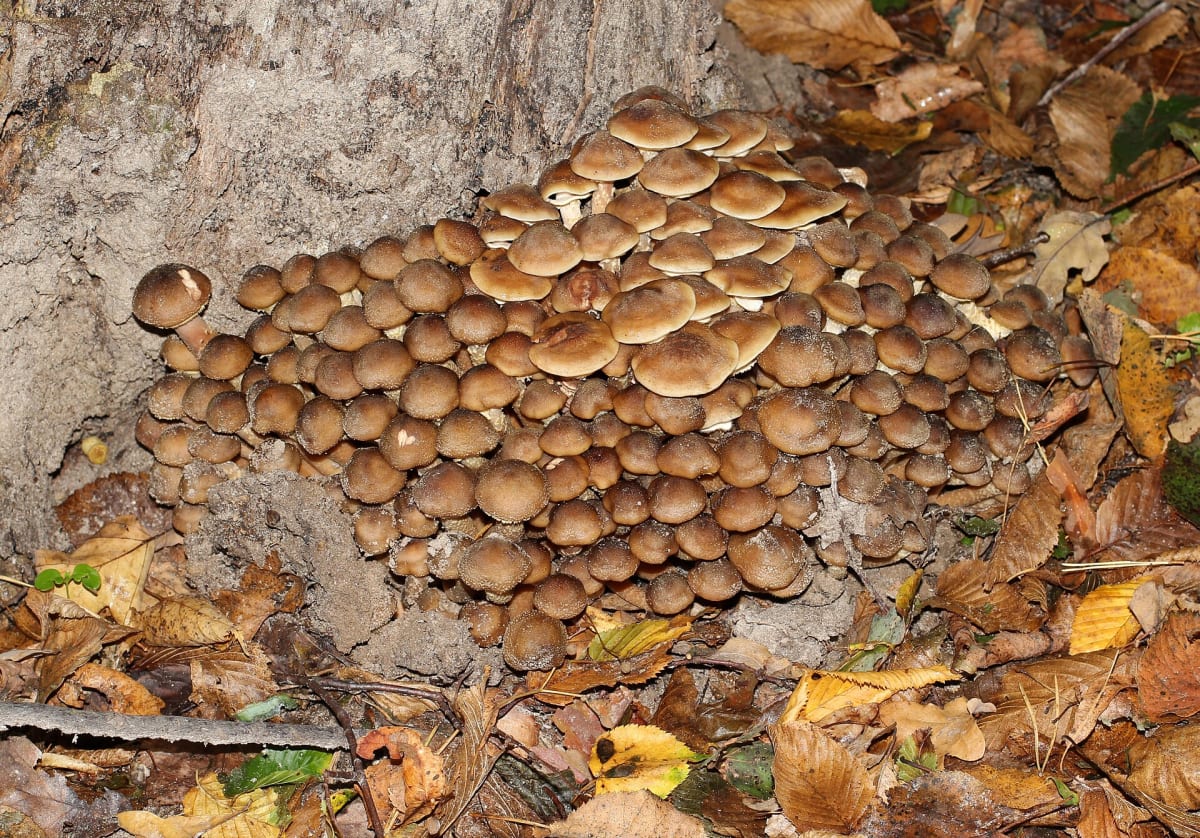
About this problem
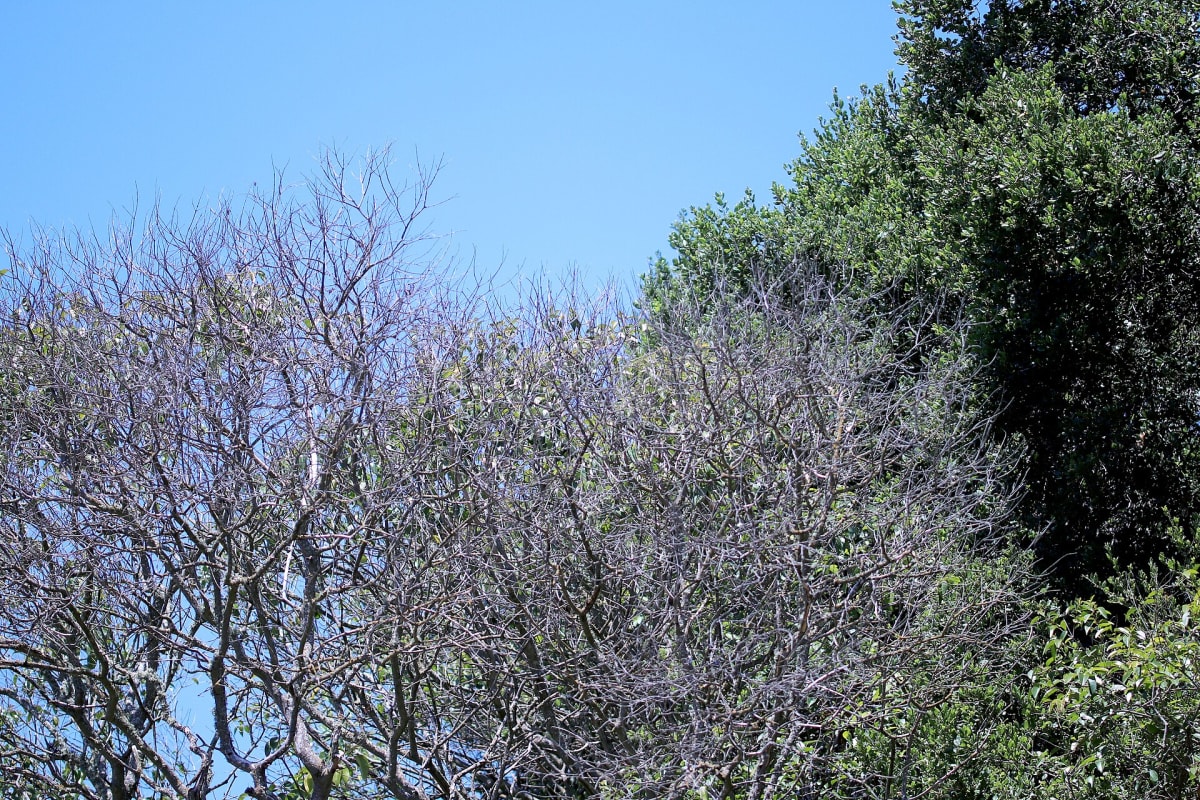
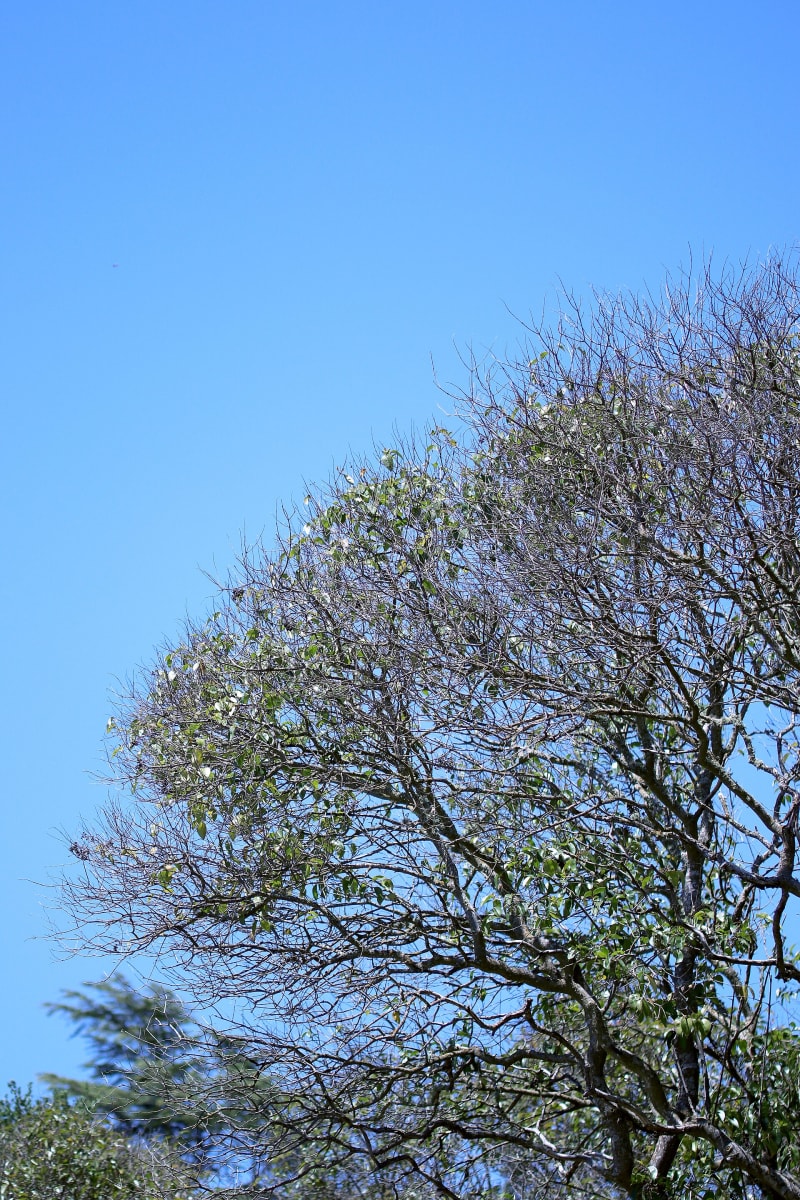
Armillaria root rot is a destructive fungal disease caused by the pathogen Armillaria mellea. This fungus primarily attacks the roots and lower stems of woody plants, causing decay and weakening the plant's structural integrity. The disease often goes unnoticed until significant damage has occurred, as the initial symptoms are subtle. Over time, infected plants exhibit wilting, yellowing of leaves, and dieback of branches. In severe cases, the entire plant may die. Armillaria root rot is often confused with other root diseases or environmental stress factors, but the presence of white mycelial fans under the bark and black rhizomorphs in the soil are distinctive indicators.
Symptoms
- Wilting
- Yellowing leaves
- Dieback of branches
- White mycelial fans under bark
- Black rhizomorphs in soil
- Root discoloration
- Stunted growth
Cause
Armillaria mellea is the causative organism, thriving in moist, poorly drained soils. The fungus spreads through root-to-root contact and can persist in the soil for many years, making it difficult to eradicate once established.
Conditions that favour it
- Moist, poorly drained soils
- Cool temperatures
- Presence of infected plant material
- High soil organic matter
- Dense planting
Lifecycle and spread
Armillaria mellea spreads through root-to-root contact and by producing spores. It overwinters in infected roots and stumps, and the cycle is broken by removing infected plant material and improving soil drainage.
Plants most affected
- Oak
- Maple
- Pine
- Apple
- Cherry
- Peach
- Grapevine
- Rhododendron
- Azalea
- Rose
- Lilac
- Elm
Treatment
Educational information only, and not a substitute for professional diagnosis. Identify the problem before treating it, and check that any product is registered for this plant and this use where you live.
Cultural control
- Improve soil drainage
- Remove infected stumps and roots
- Avoid dense planting
- Ensure proper spacing for airflow
- Reduce soil moisture
Organic options
- Trichoderma-based products
- Beneficial nematodes
- Compost teas
Chemical options
- Fungicide containing thiophanate-methyl For managing fungal growth
Read and follow the product label. The label is the legally binding instruction. Confirm the product is registered for this plant and for this use in your area before applying it.
Prevention
- Select resistant plant varieties
- Maintain healthy soil conditions
- Avoid overwatering
- Regularly inspect plants for symptoms
- Remove and destroy infected plant material