Corn smut
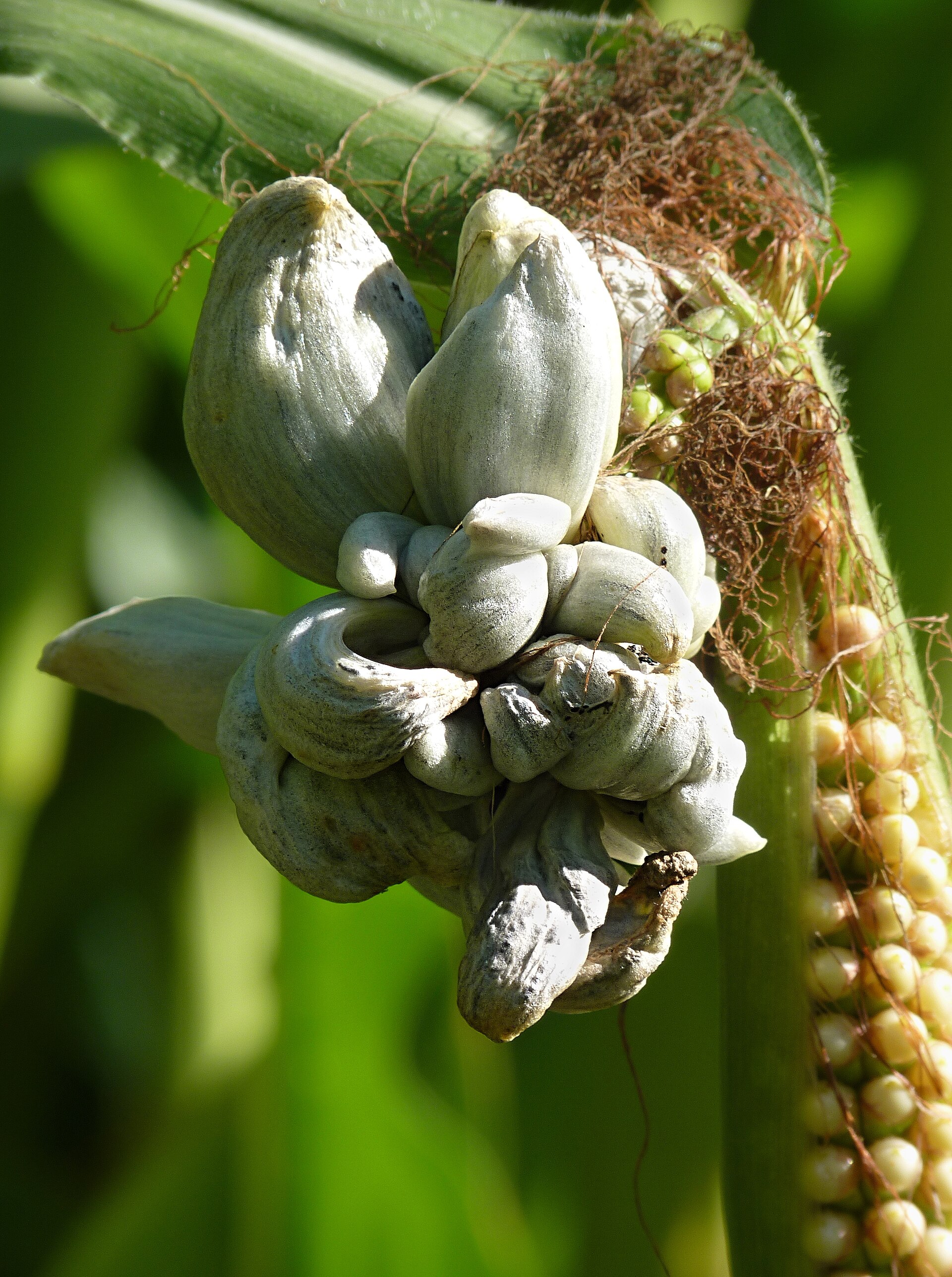
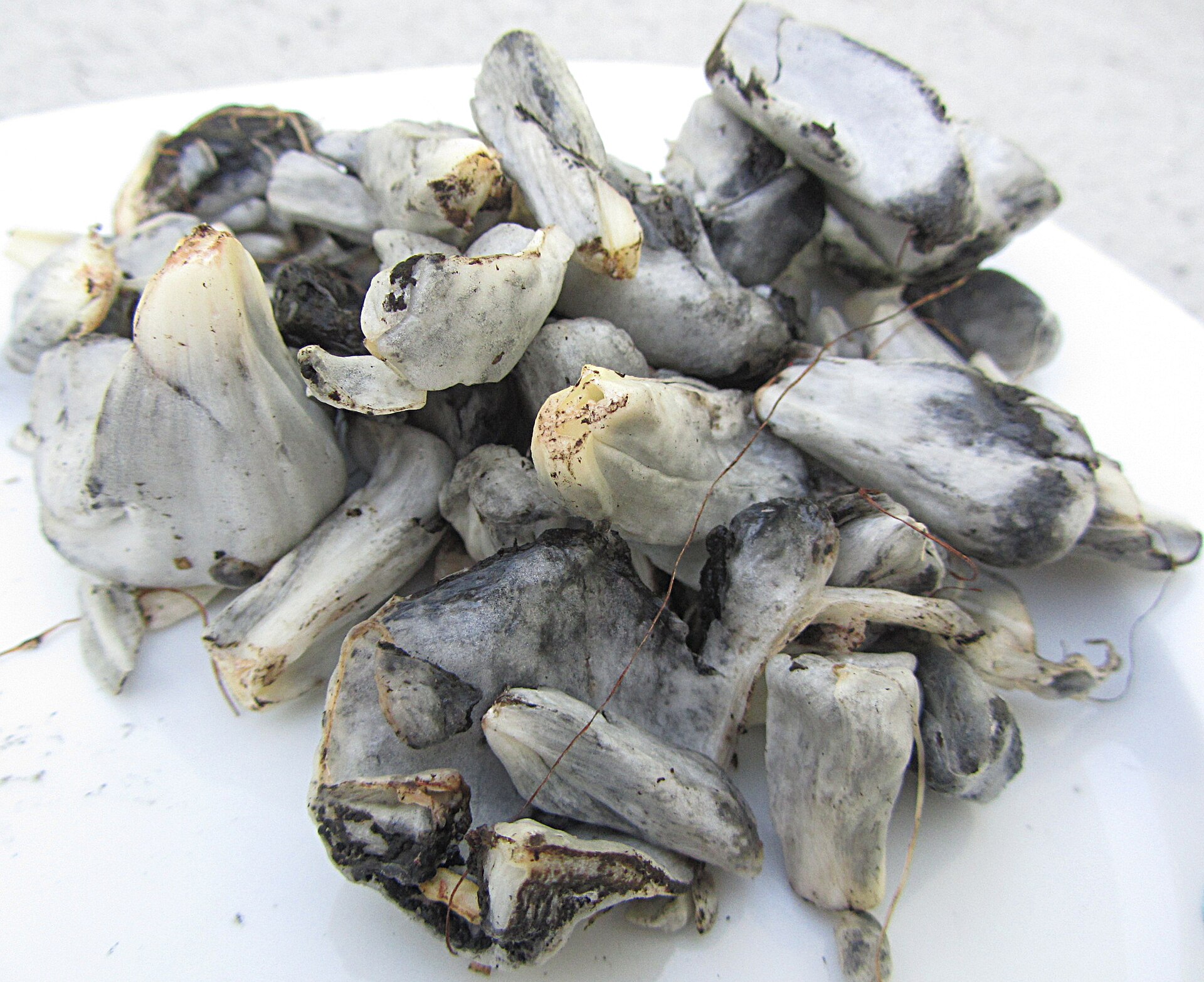
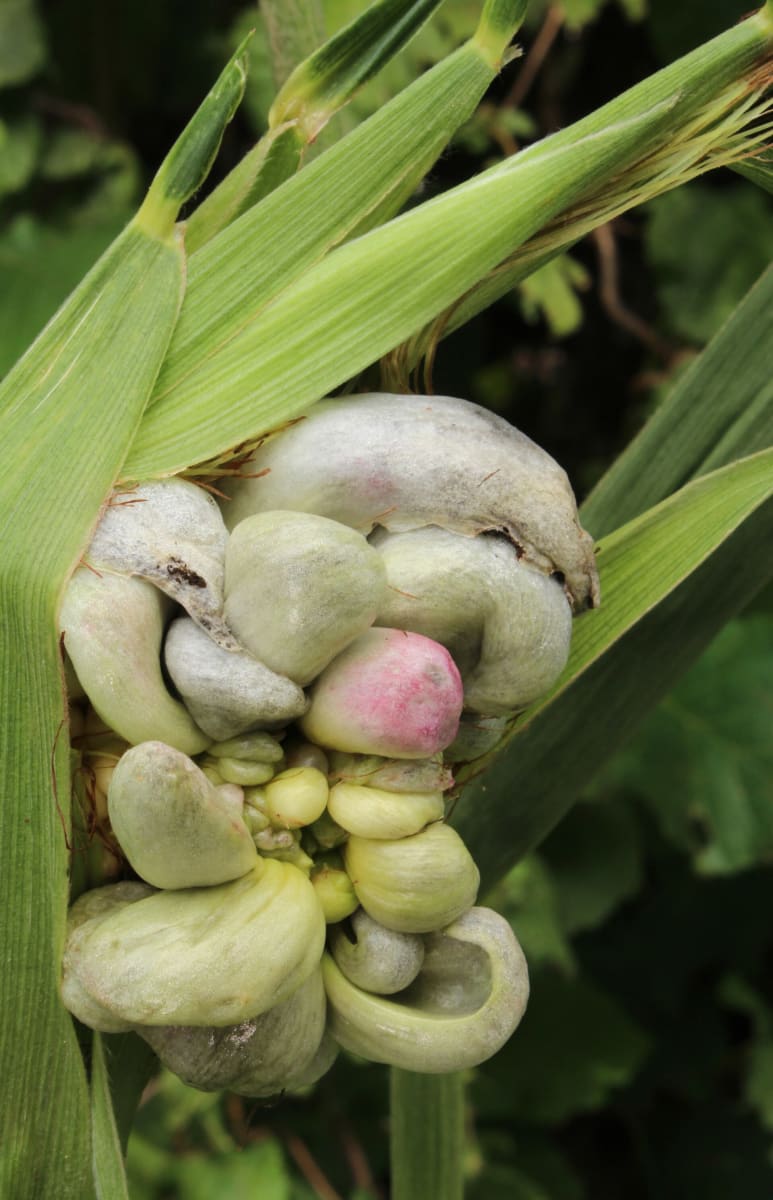
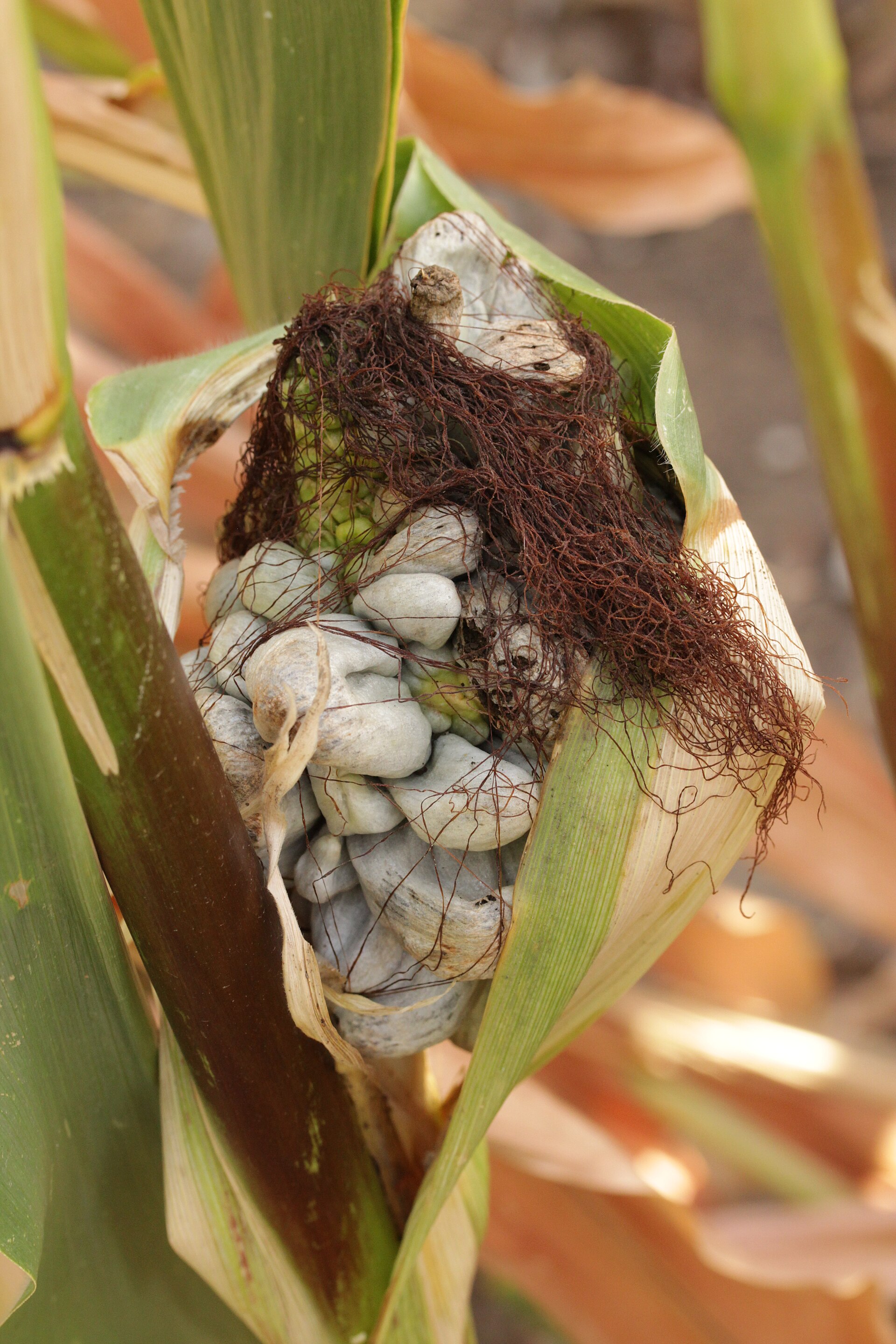
Corn smut is a fungal disease caused by Ustilago maydis that affects corn plants, leading to the formation of distinctive galls or swellings on various parts of the plant, including ears, leaves, and tassels. These galls are initially white and fleshy, later turning black and powdery as they mature.
About this problem
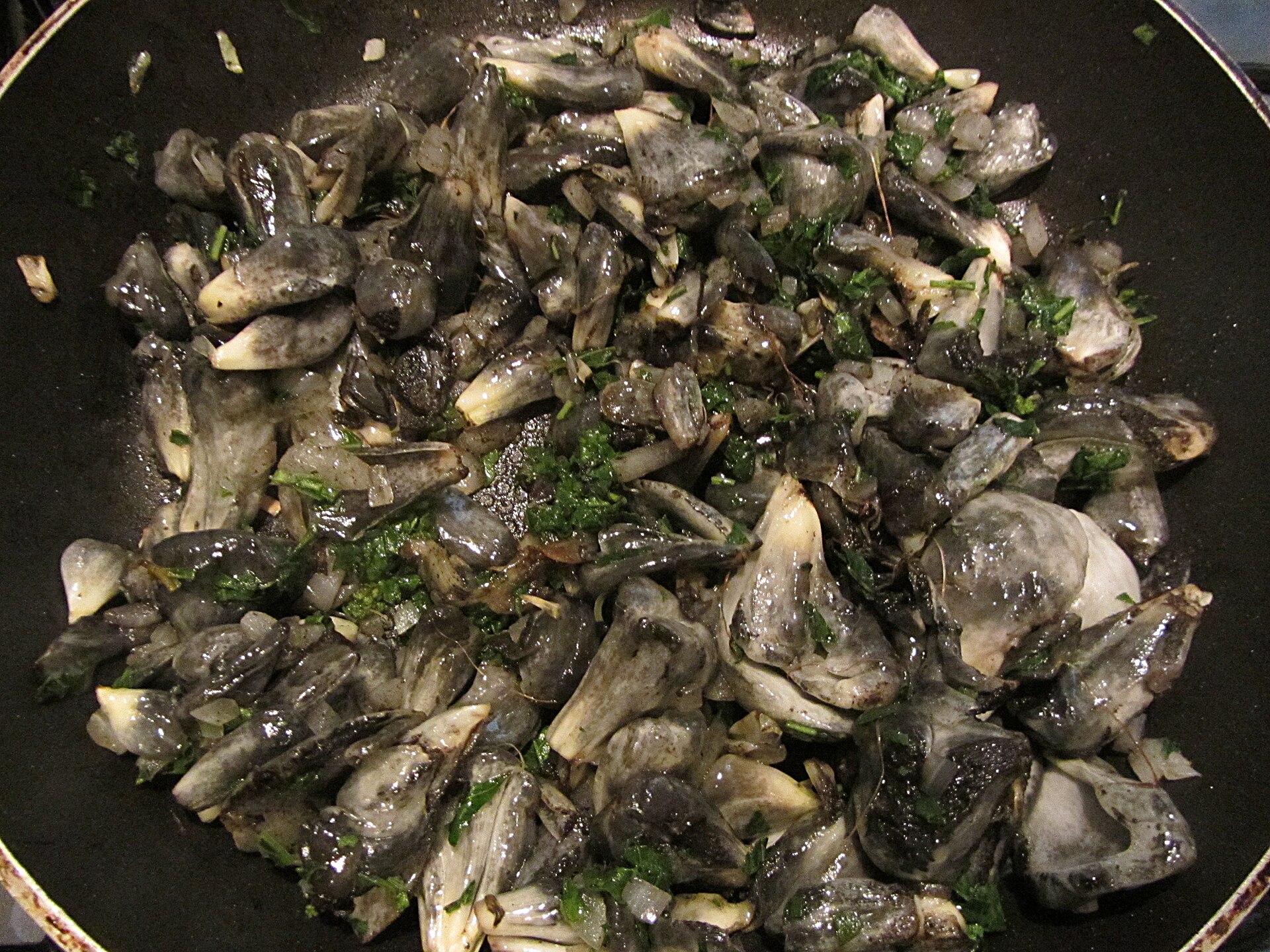
Corn smut, caused by the fungus Ustilago maydis, is a common disease affecting corn plants. It is characterized by the development of galls on the ears, leaves, stems, and tassels of the plant. Initially, these galls appear as white, fleshy growths that gradually enlarge and darken, eventually becoming filled with black, powdery spores. The disease is most noticeable when it affects the ears, where it can significantly reduce yield and quality. Corn smut is often confused with other fungal diseases, but its distinctive galls make it relatively easy to identify. The fungus overwinters in the soil and plant debris, and infection is favored by warm, dry conditions followed by rain or high humidity. While the disease can be managed, it is important for growers to recognize the symptoms early to prevent significant crop loss.
Symptoms
- White, fleshy galls on ears, leaves, or stems
- Galls turning black and powdery
- Distorted plant growth
- Reduced yield and quality of corn
Cause
Corn smut is caused by the fungus Ustilago maydis. The fungus infects corn plants through wounds or natural openings and thrives in warm, dry conditions followed by rain or high humidity.
Conditions that favour it
- Warm temperatures
- Dry weather followed by rain
- High humidity
- Presence of plant wounds
Lifecycle and spread
Ustilago maydis overwinters in the soil and plant debris as spores. These spores infect young corn plants through wounds or natural openings. The fungus spreads through the plant, forming galls that release spores when mature, continuing the cycle. Crop rotation and removal of infected debris can help break the cycle.
Plants most affected
- Corn
- Sweet corn
- Field corn
- Popcorn
- Flint corn
- Dent corn
Treatment
Educational information only, and not a substitute for professional diagnosis. Identify the problem before treating it, and check that any product is registered for this plant and this use where you live.
Cultural control
- Rotate crops to reduce soil-borne spores
- Remove and destroy infected plant debris
- Ensure proper spacing for air circulation
- Avoid wounding plants during cultivation
Organic options
- Neem oil
- Bacillus subtilis
- Compost tea
Chemical options
- Mancozeb Used to protect plants from fungal infections
Read and follow the product label. The label is the legally binding instruction. Confirm the product is registered for this plant and for this use in your area before applying it.
Prevention
- Use resistant corn varieties
- Practice crop rotation
- Maintain good field sanitation
- Monitor and manage plant health regularly