Heart rot
Heart rot is a fungal disease that affects the inner wood of trees, leading to decay and structural weakness. It is often not visible externally until the tree shows signs of decline, such as branch dieback or breakage.
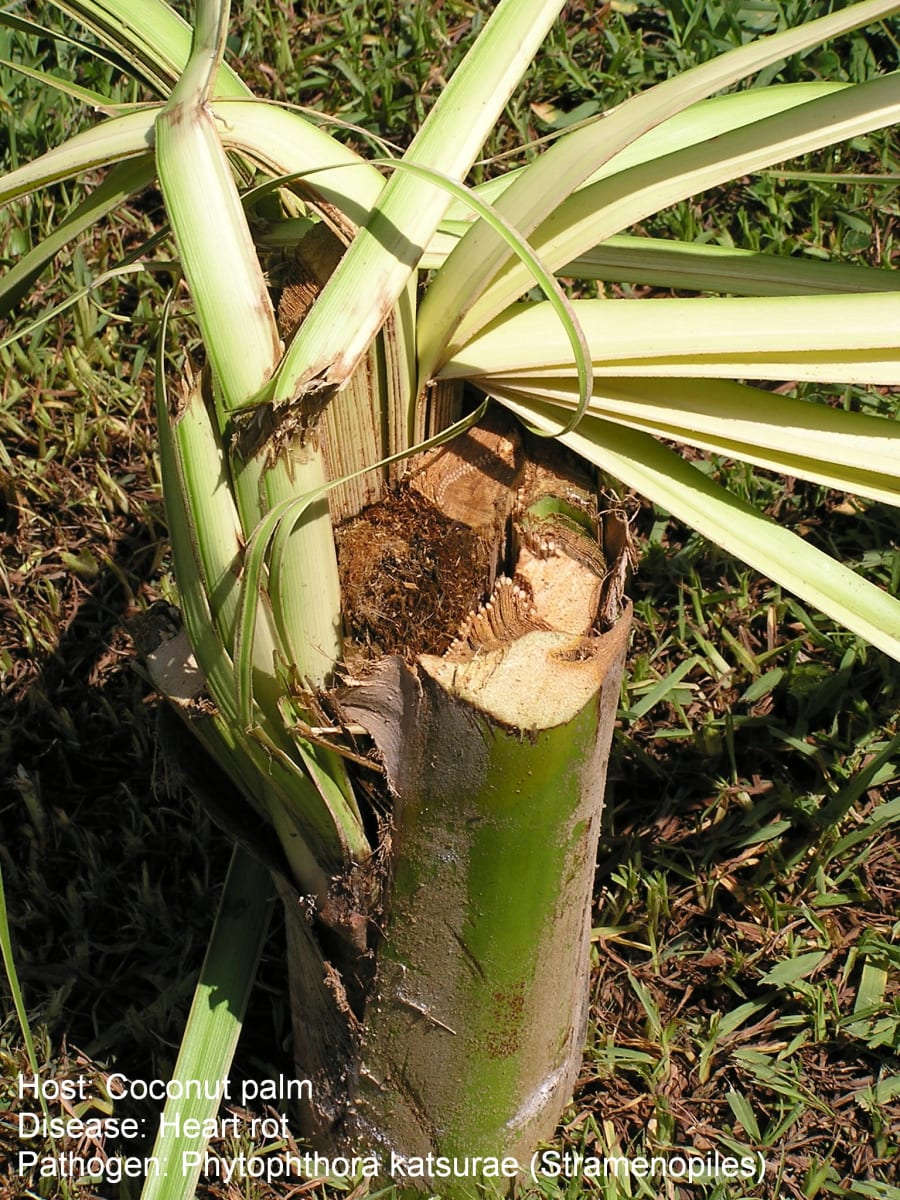
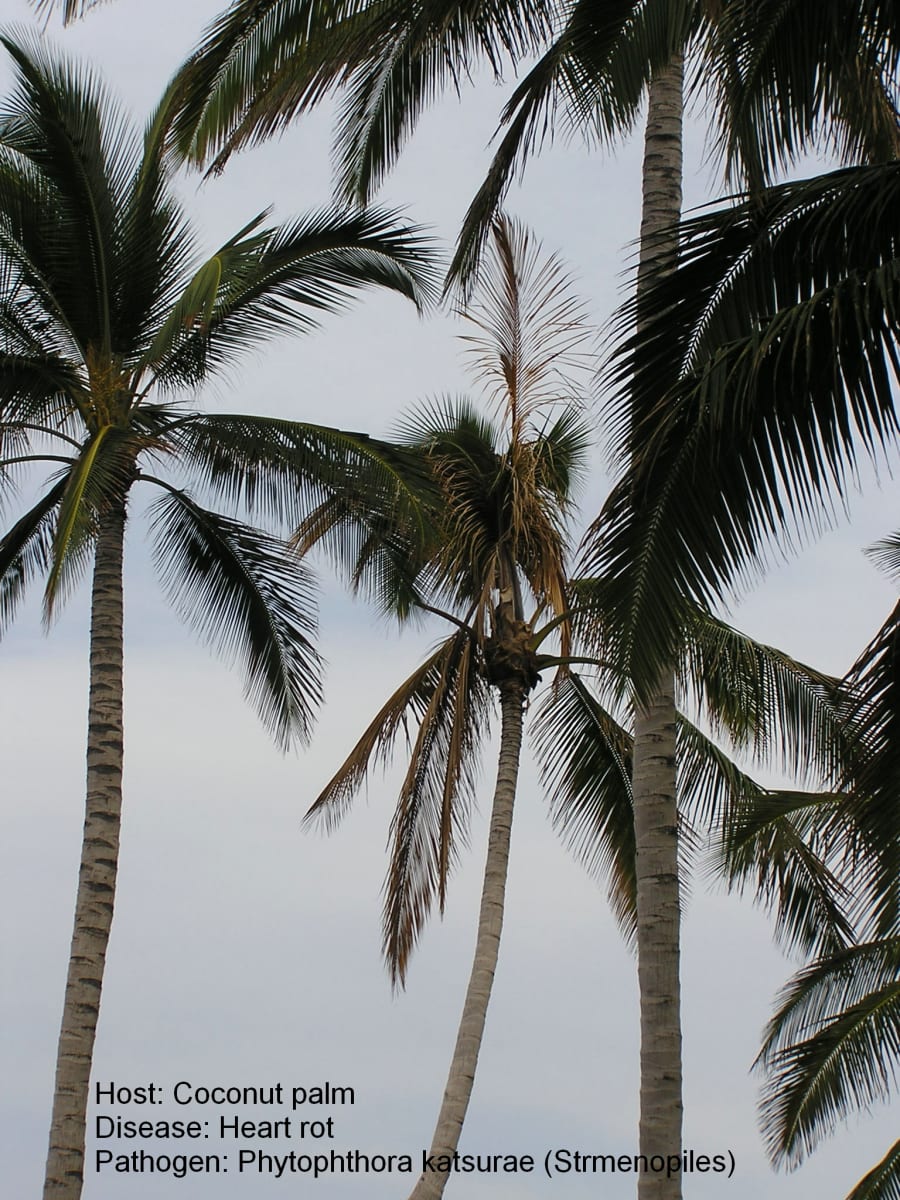
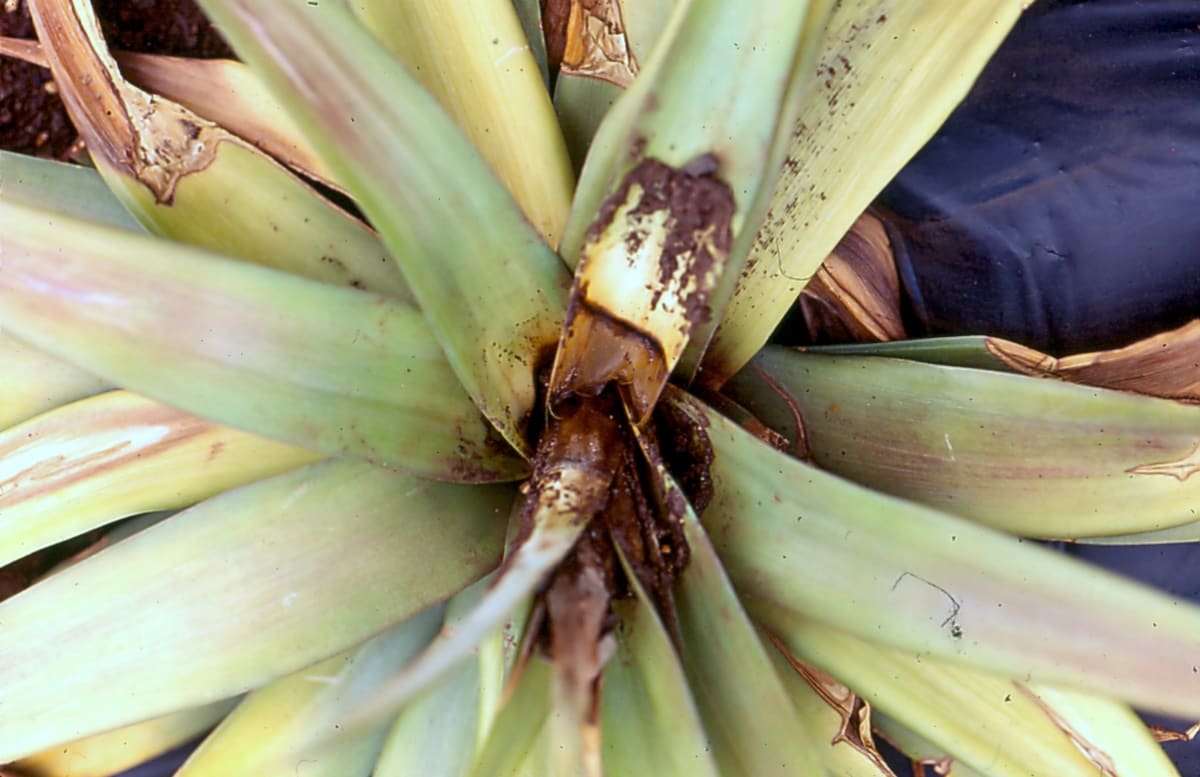
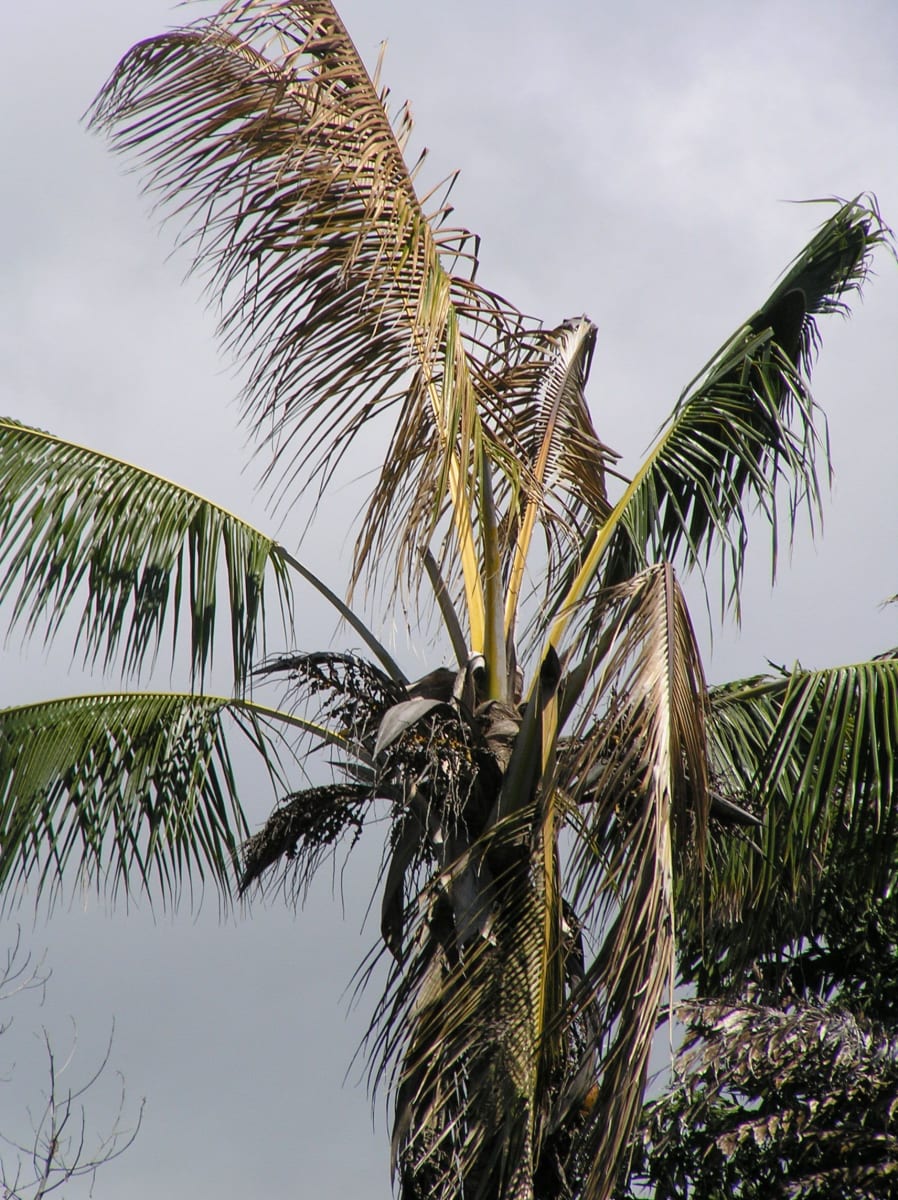
About this problem
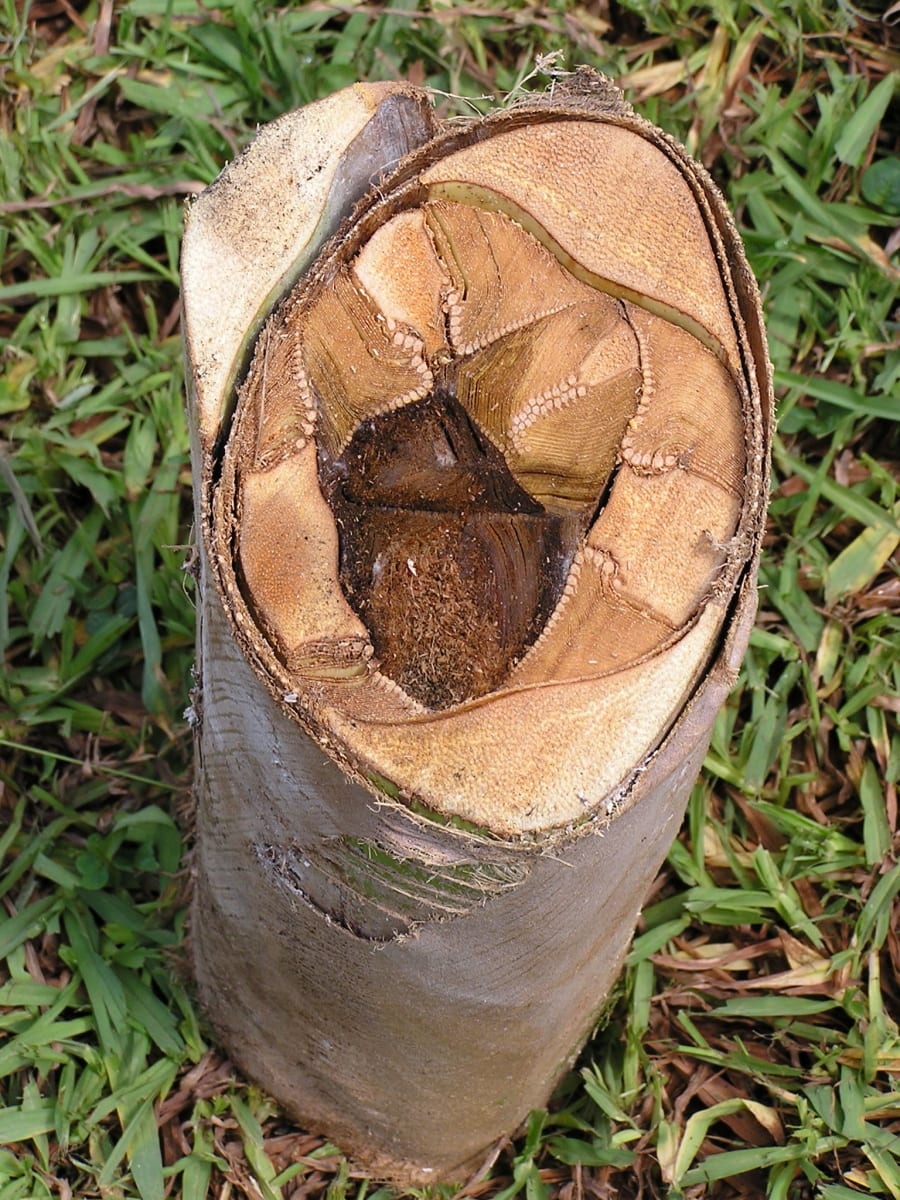
Heart rot is caused by various fungi that invade the heartwood of trees, leading to decay from the inside out. This disease is particularly problematic in older trees, where the decay can compromise the structural integrity of the tree, making it susceptible to windthrow or breakage. The fungi responsible for heart rot enter through wounds in the bark, often caused by pruning, storm damage, or other mechanical injuries. Once inside, the fungi decompose the lignin and cellulose in the wood, resulting in a spongy, weakened core. Symptoms of heart rot may not be immediately apparent, as the decay occurs internally. Over time, affected trees may exhibit external signs such as fungal fruiting bodies (conks or mushrooms) on the trunk or branches, indicating the presence of the fungus. These fruiting bodies can vary in shape, size, and color depending on the specific fungal species involved. As the disease progresses, trees may show signs of decline, including reduced vigor, dieback of branches, and increased susceptibility to wind damage. Heart rot is often confused with other forms of rot or decay, but it specifically refers to the decay of the central heartwood. Proper identification of the fungal species involved is crucial for management, as different fungi may require different control strategies.
Symptoms
- Fungal fruiting bodies on trunk or branches
- Branch dieback
- Reduced tree vigor
- Increased susceptibility to wind damage
- Structural weakness in tree
- Internal wood decay
Cause
Heart rot is caused by fungi that invade through wounds in the tree's bark. Common fungi include species of Ganoderma, Phellinus, and Armillaria. Conditions that favor the disease include high humidity and the presence of wounds or damage to the tree.
Conditions that favour it
- High humidity
- Presence of wounds or damage
- Older tree age
- Poor tree health
- Dense planting
Lifecycle and spread
Heart rot fungi spread through spores that enter the tree via wounds. The fungi overwinter in the wood and continue to decay the heartwood over time. Breaking the cycle involves preventing wounds and managing tree health to resist infection.
Plants most affected
- Oak
- Maple
- Pine
- Birch
- Spruce
- Beech
- Elm
- Fir
- Poplar
- Willow
- Ash
- Cherry
Treatment
Educational information only, and not a substitute for professional diagnosis. Identify the problem before treating it, and check that any product is registered for this plant and this use where you live.
Cultural control
- Avoid wounding trees during pruning
- Ensure proper spacing for airflow
- Remove dead or infected branches promptly
- Maintain tree health through proper watering
- Reduce compaction around tree roots
Organic options
- Apply beneficial fungi to outcompete pathogens
- Use compost tea to enhance tree health
- Implement mulching to retain moisture and reduce stress
Chemical options
- Fungicide Applied to prevent fungal entry through wounds
Read and follow the product label. The label is the legally binding instruction. Confirm the product is registered for this plant and for this use in your area before applying it.
Prevention
- Regularly inspect trees for signs of decay
- Prune during dry weather to reduce infection risk
- Seal large wounds with appropriate sealant
- Avoid mechanical damage to trees
- Enhance tree vigor through balanced fertilization