Abiotic
17 entries
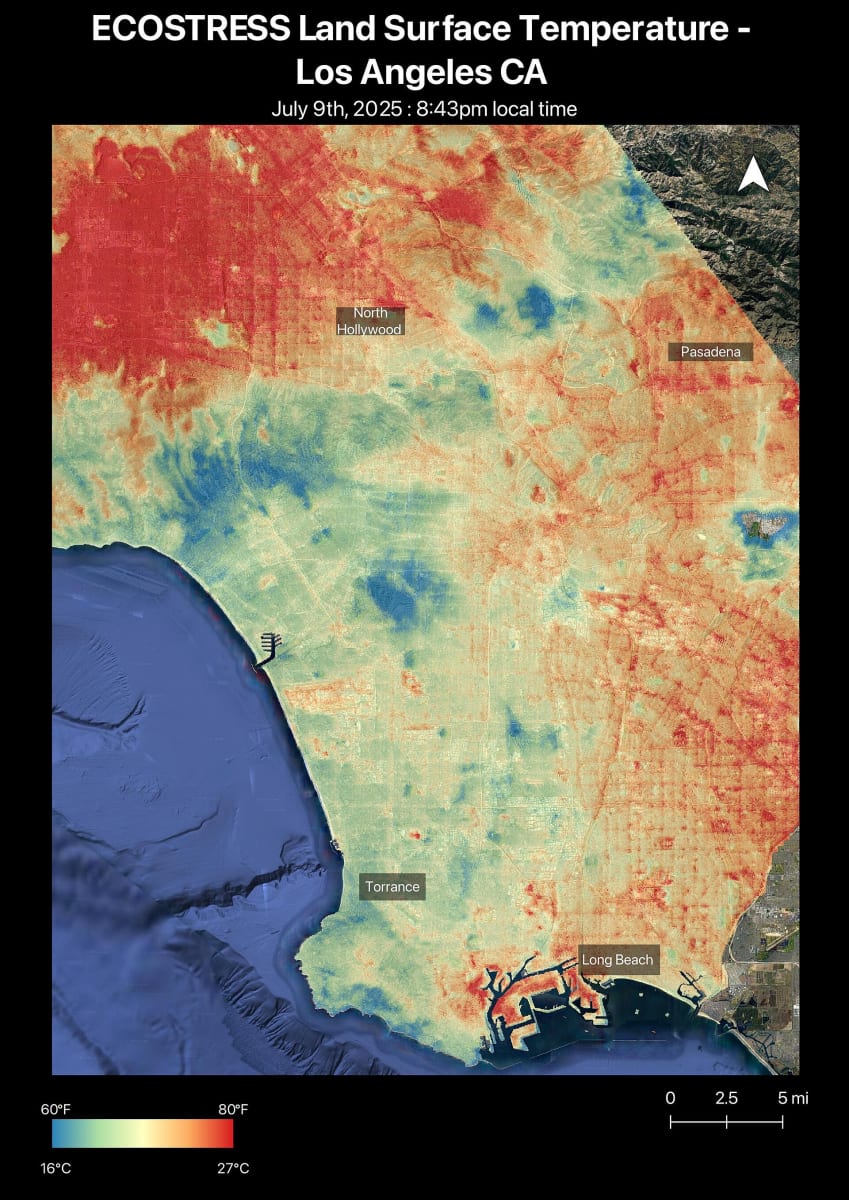
Heat stress
Heat stress in plants occurs when temperatures exceed the optimal range for growth, causing wilting, leaf scorch, and stunted growth. This happens because high temperatures increase transpiration rates, leading to water loss and reduced photosynthesis.
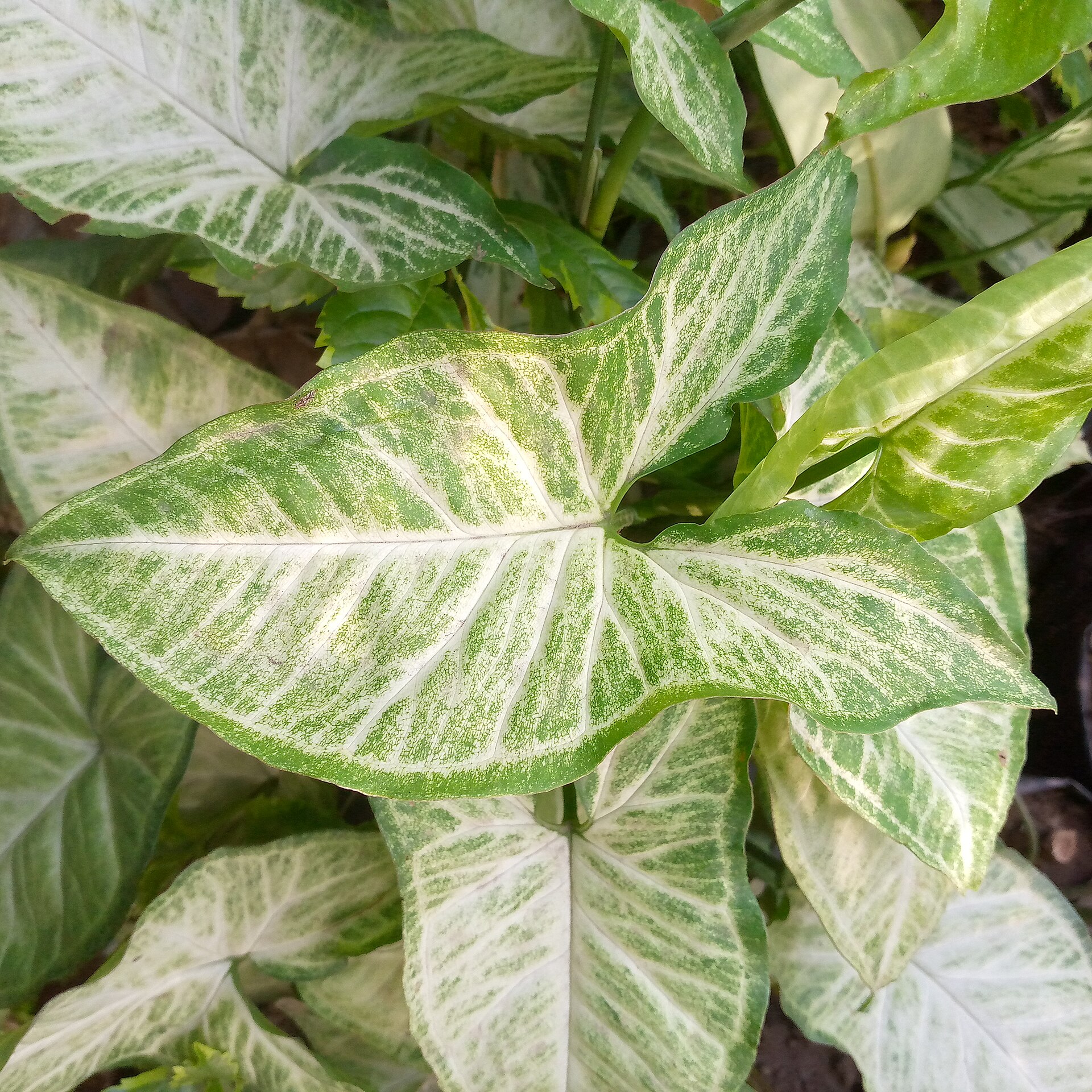
Overwatering
Overwatering occurs when a plant receives more water than it can effectively use, leading to symptoms such as wilting, yellowing leaves, and root rot. This happens because excess water fills the air spaces in the soil, depriving roots of oxygen.
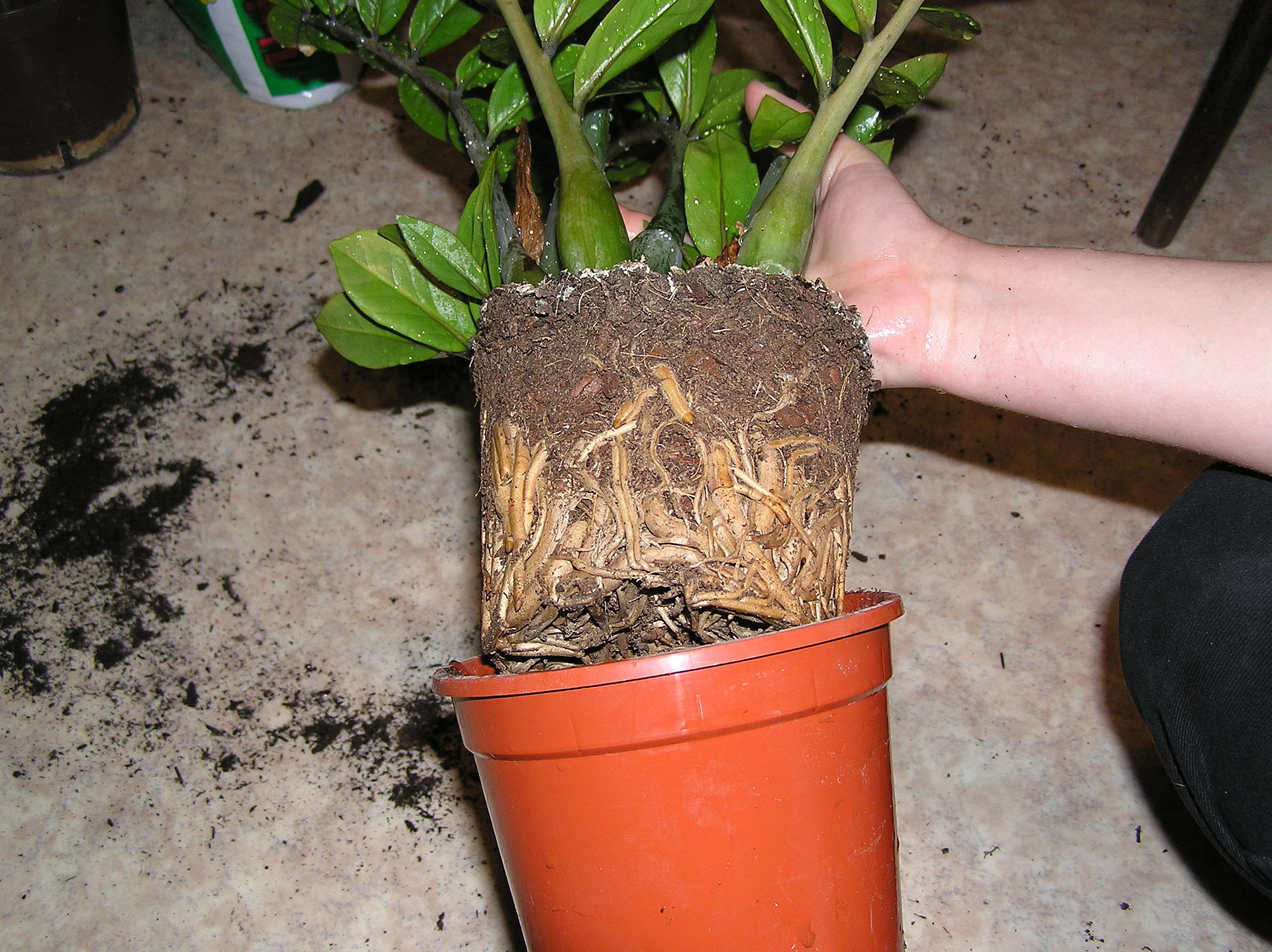
Transplant shock
Transplant shock occurs when a plant is moved from one location to another, causing stress that results in wilting, yellowing leaves, and stunted growth. This happens because the plant's roots are disturbed, affecting its ability to absorb water and nutrients.
Underwatering
Underwatering occurs when a plant does not receive enough water, leading to symptoms such as wilting, leaf drop, and scorched leaf edges. This condition is common in plants that are not watered regularly or are in environments with high temperatures and low humidity.
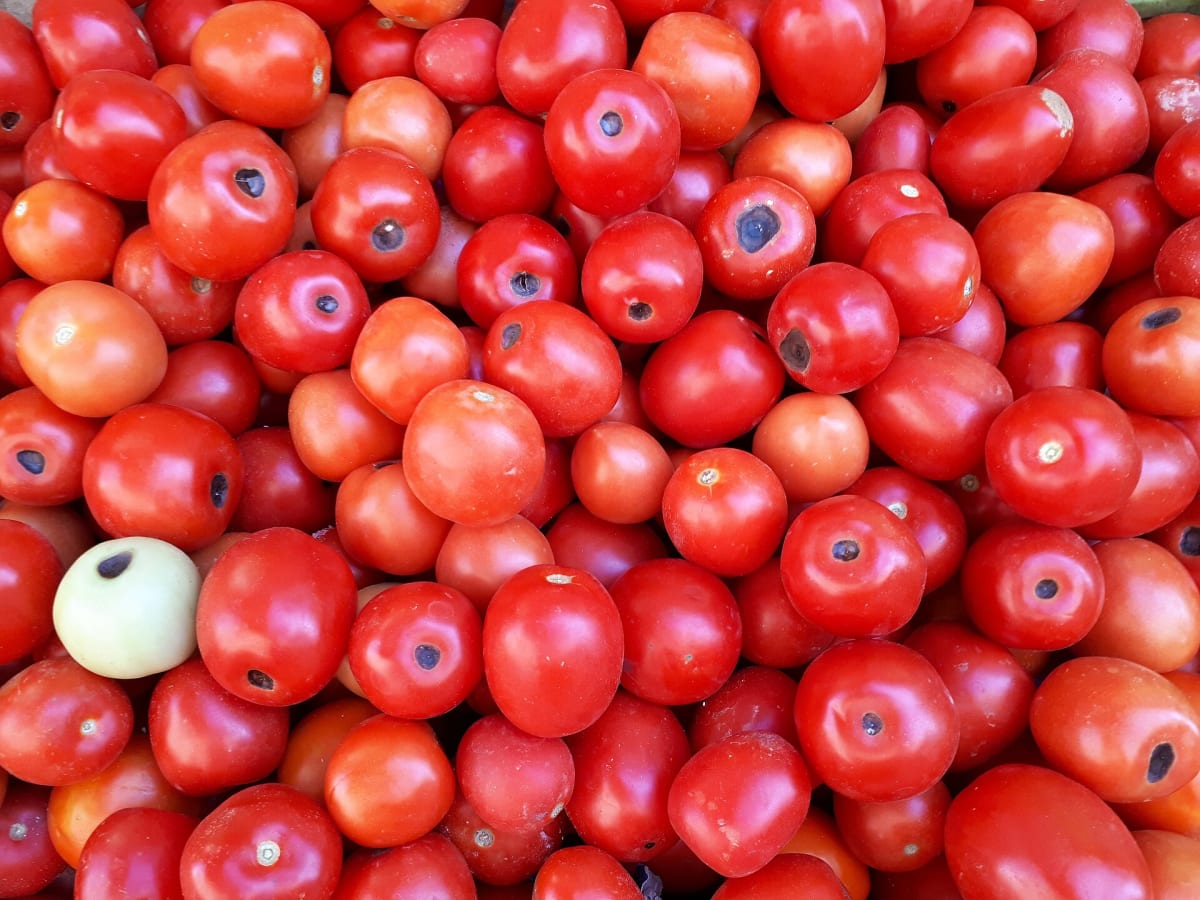
Blossom end rot
Blossom end rot is a common disorder in tomatoes, peppers, and squash, characterized by a dark, sunken spot at the blossom end of the fruit. It is caused by a calcium deficiency in the developing fruit, often due to inconsistent watering or rapid plant growth.
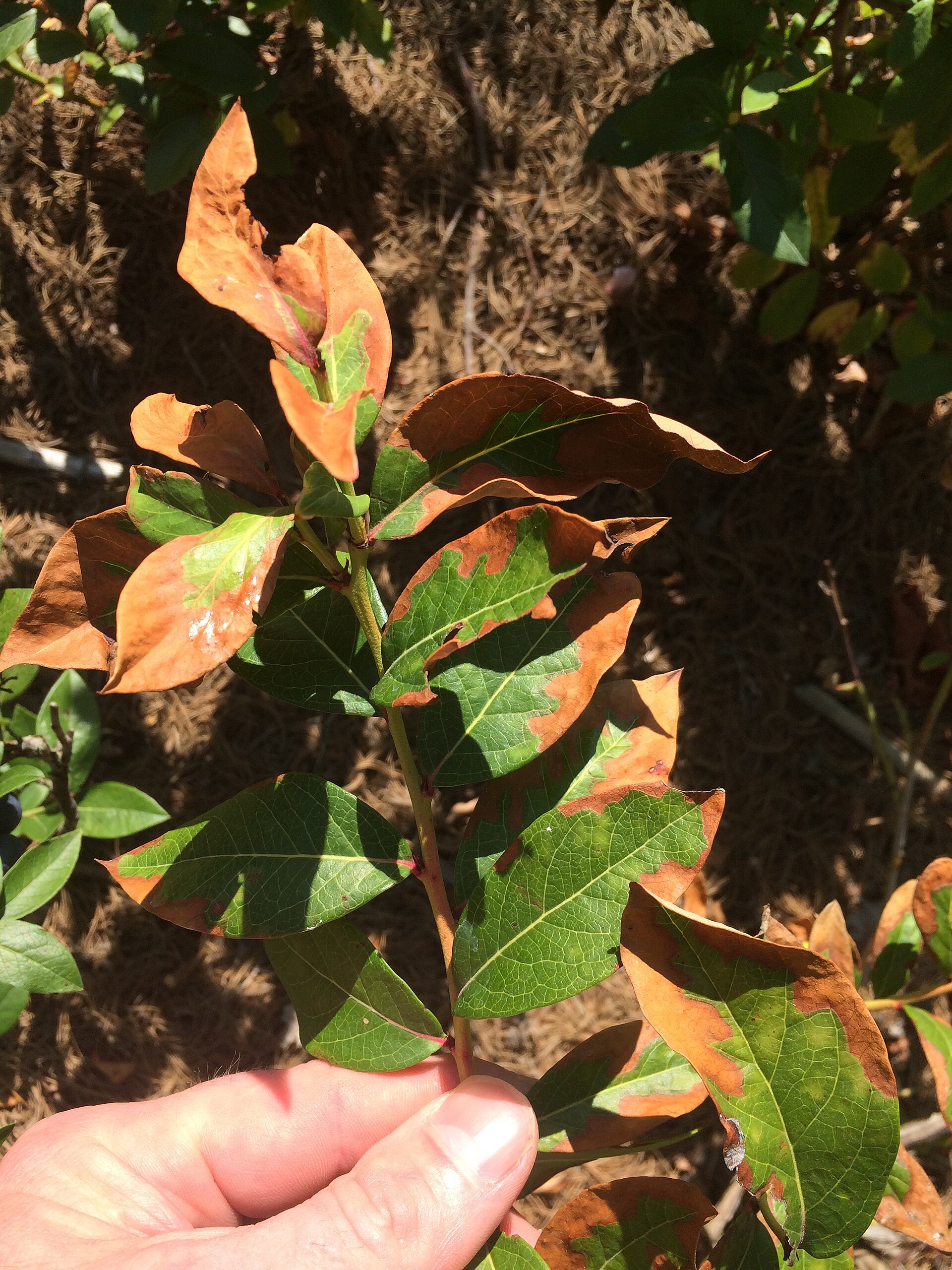
Fertilizer burn
Fertilizer burn occurs when excess fertilizer salts accumulate in the soil, causing damage to plant roots and foliage. This results in scorched leaf edges and stunted growth.
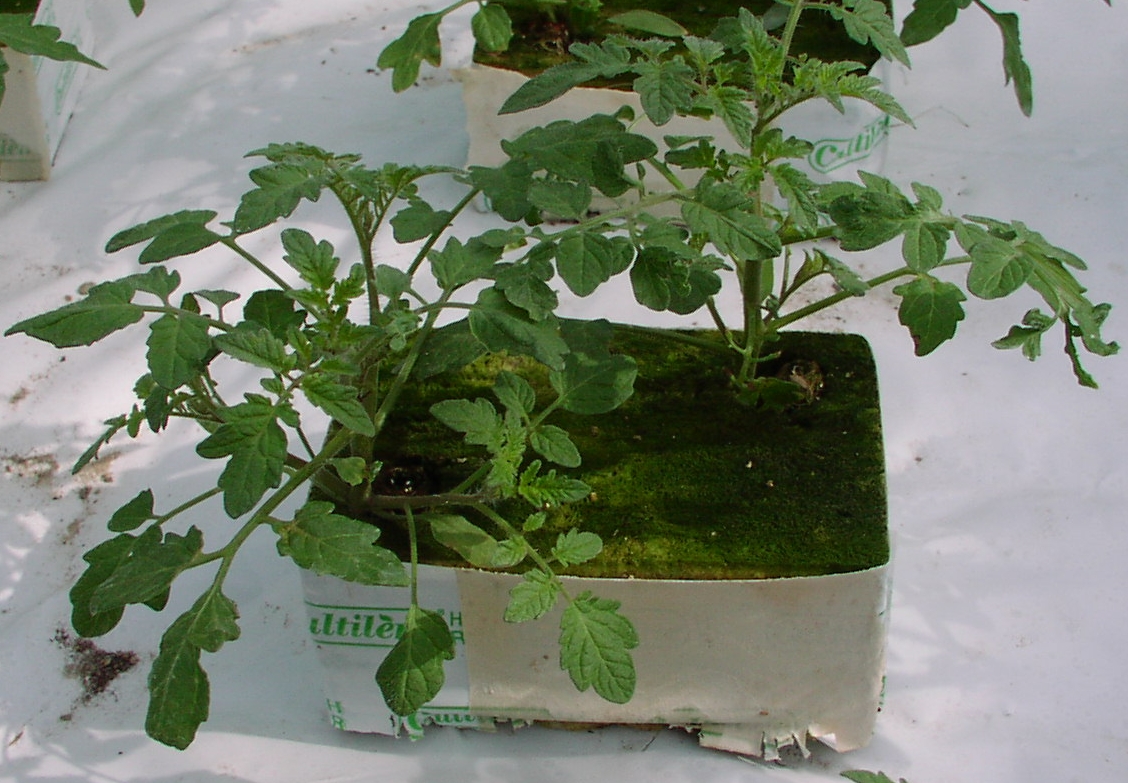
Frost damage
Frost damage occurs when plants are exposed to freezing temperatures, causing cell damage and tissue death. This often results in discolored leaves, wilting, and in severe cases, plant death.
Insufficient light
Plants receiving insufficient light often exhibit pale or leggy growth as they stretch towards a light source. This occurs when plants do not receive enough light energy to carry out photosynthesis effectively.
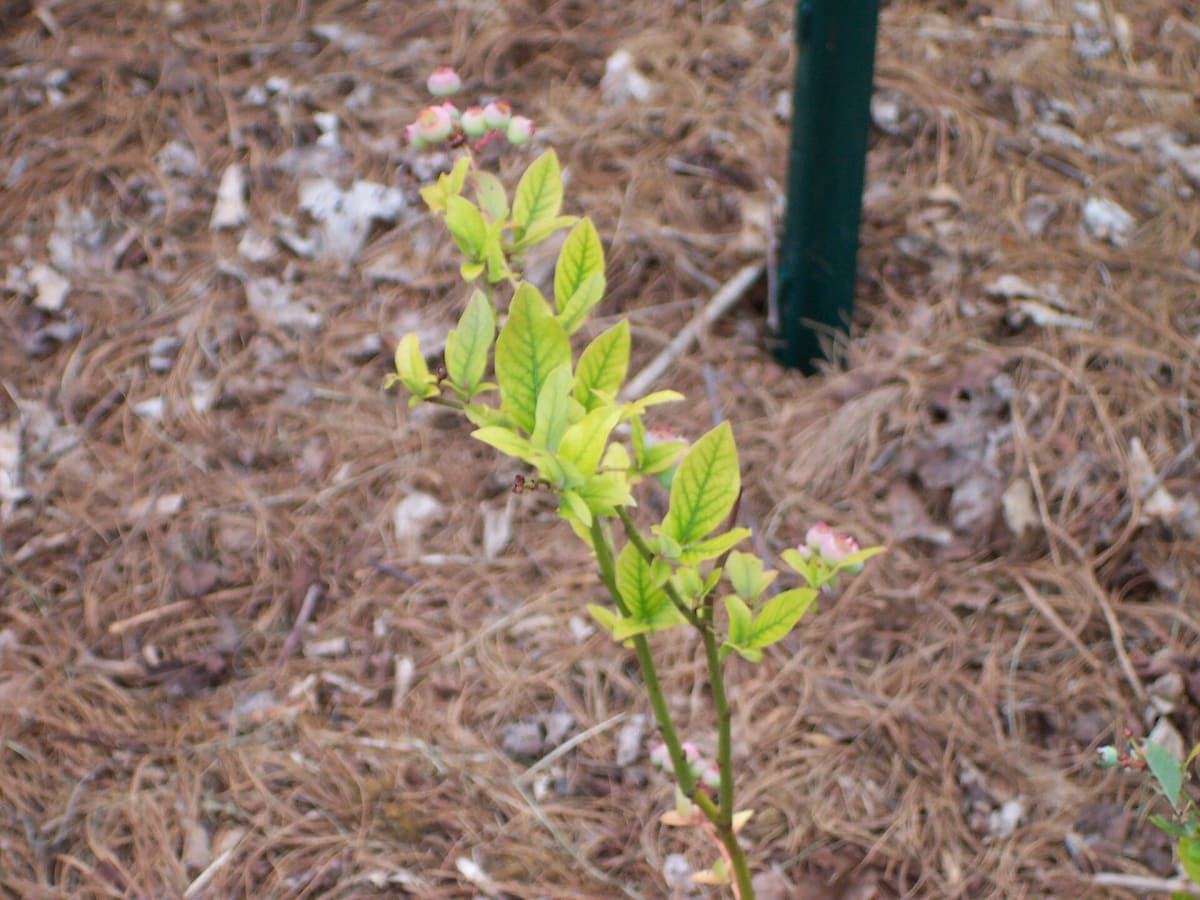
Iron chlorosis
Iron chlorosis is a condition where plants exhibit yellowing leaves due to iron deficiency, often caused by high soil pH or poor soil drainage.
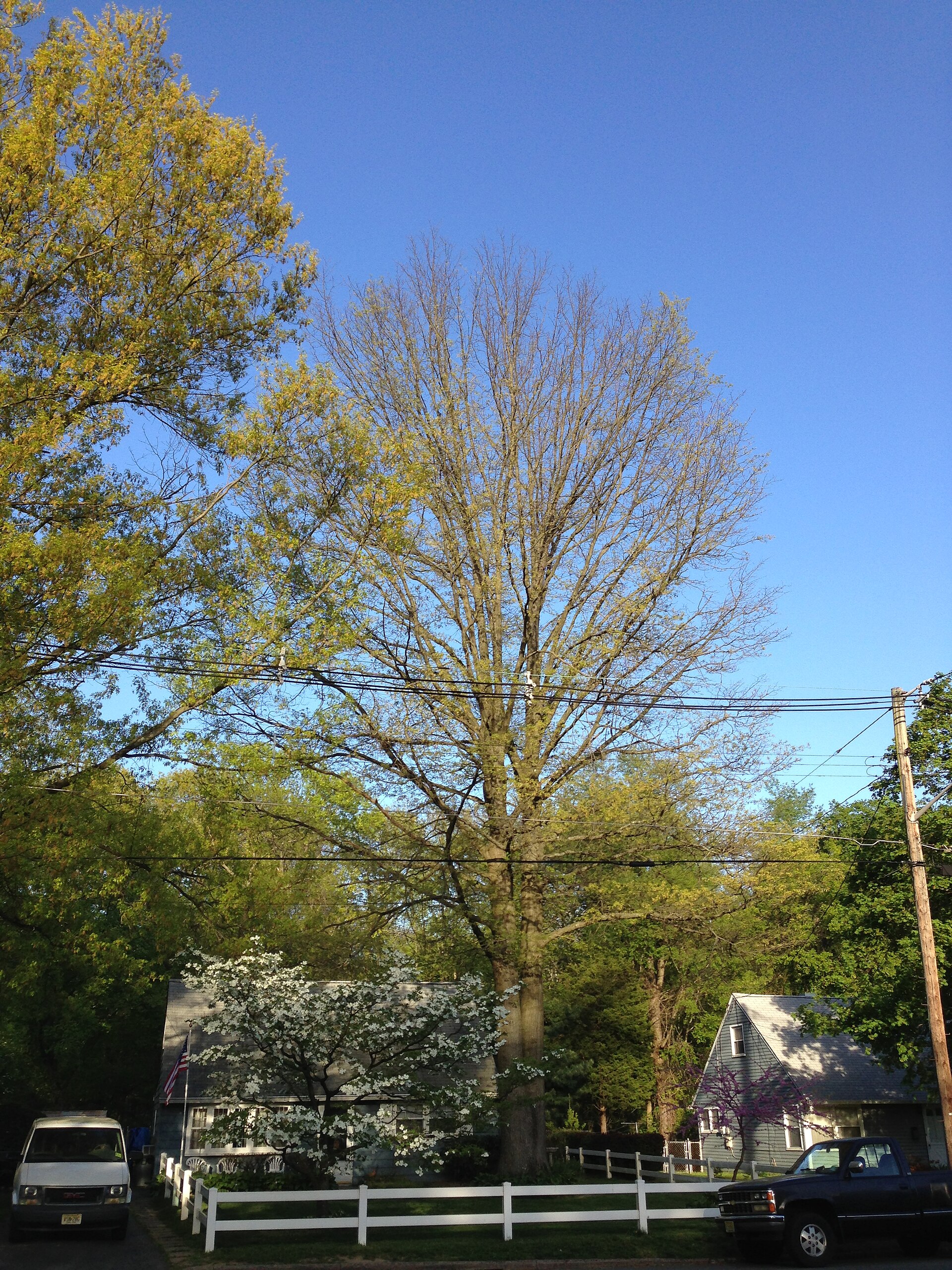
Leaf scorch
Leaf scorch is a condition where the edges of leaves turn brown and crispy due to environmental stress, often from water deficiency or heat stress.
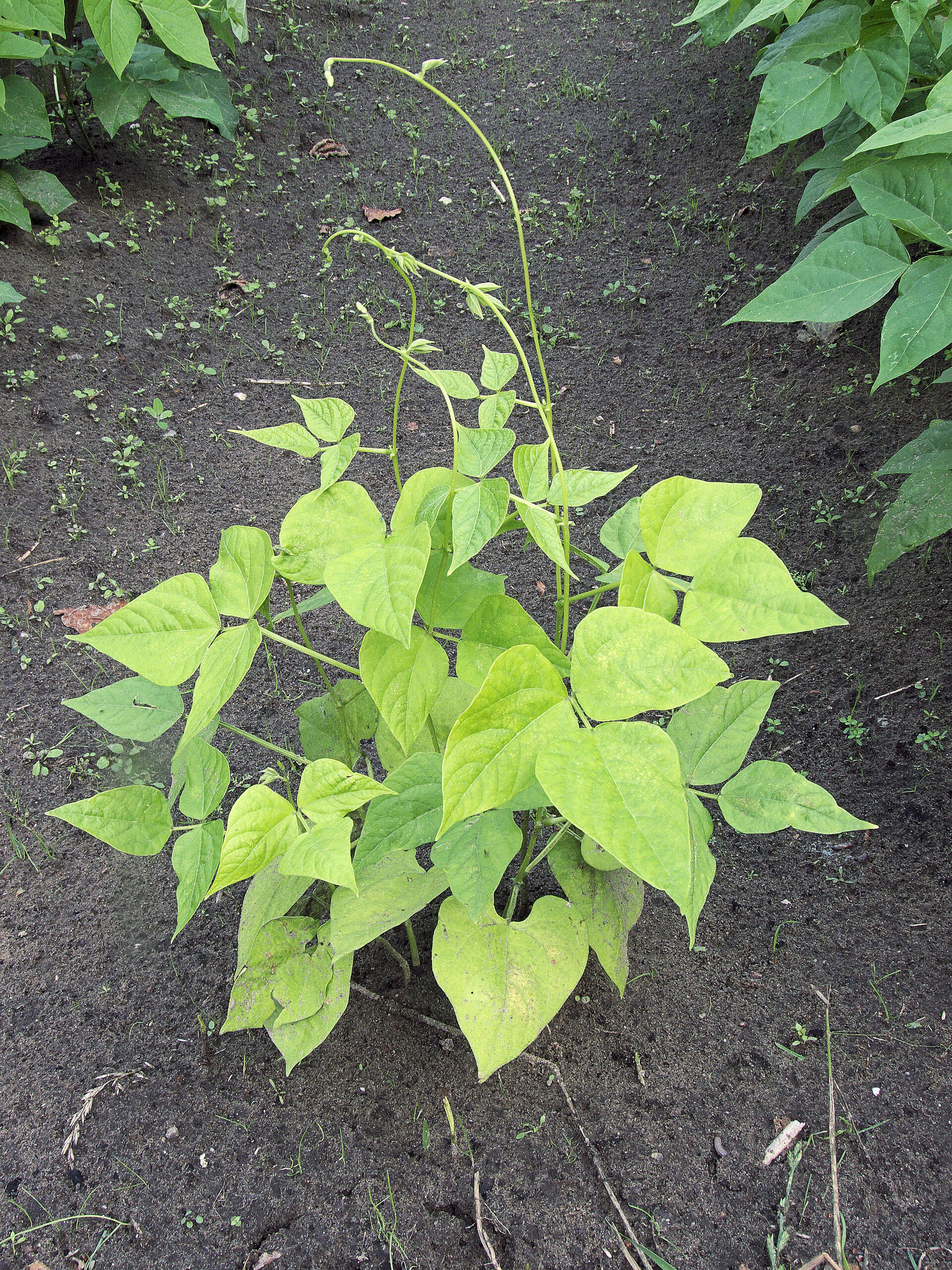
Nitrogen deficiency
Nitrogen deficiency in plants results in yellowing leaves and stunted growth due to insufficient nitrogen, an essential nutrient for plant development.
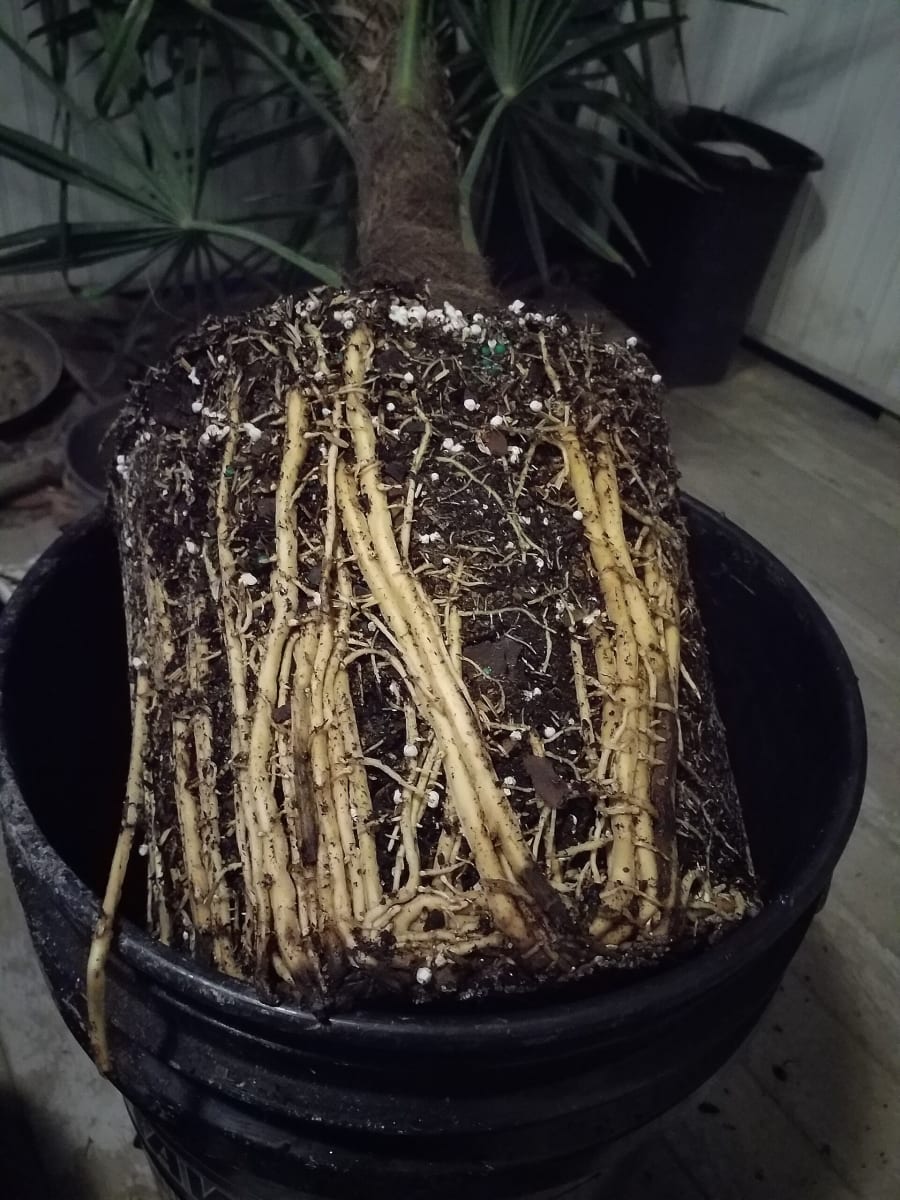
Root-bound plant
A root-bound plant is one where the roots have outgrown their container, becoming tangled and circling around the pot, which can lead to stunted growth and other issues.
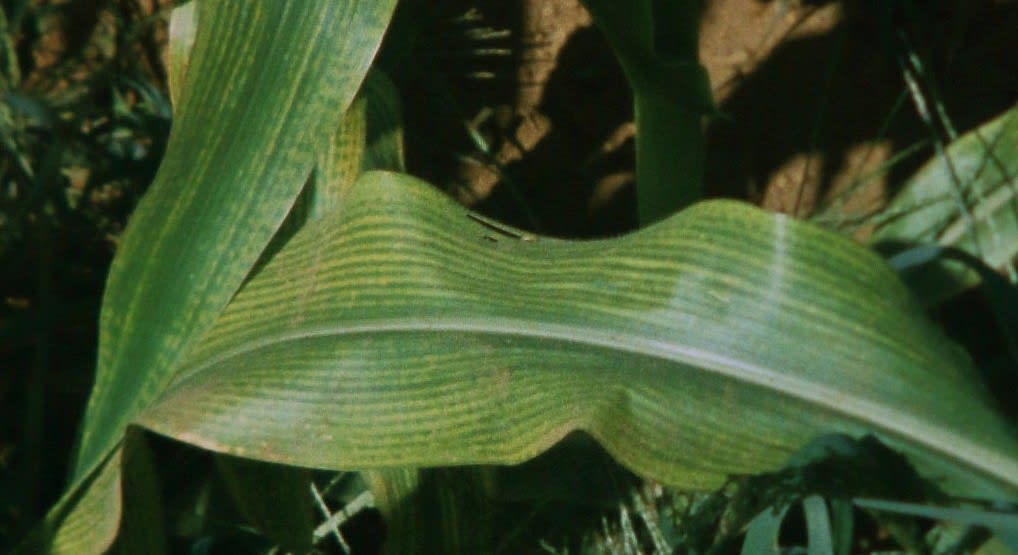
Magnesium deficiency
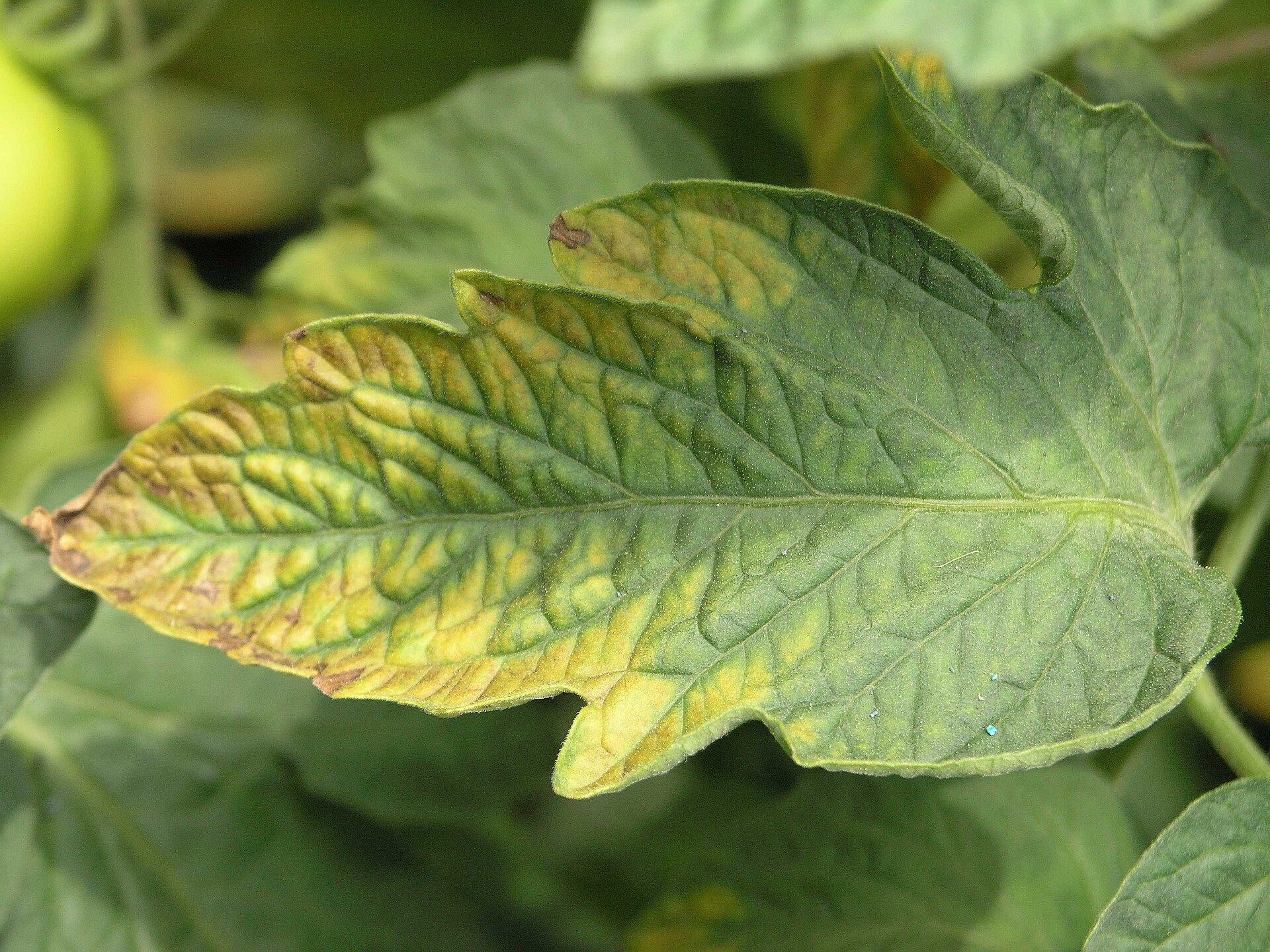
Magnesium deficiency in plants is characterized by yellowing leaves, particularly between the veins, while the veins themselves remain green. This occurs because magnesium is a vital component of chlorophyll, and its deficiency disrupts photosynthesis.
Potassium deficiency
Potassium deficiency in plants leads to yellowing and browning of leaf edges, stunted growth, and poor fruit development. It occurs due to insufficient potassium in the soil, affecting the plant's ability to regulate water and nutrient uptake.

Wind and hail damage
Wind and hail damage occurs when plants are exposed to strong winds or hailstorms, leading to physical injuries such as broken stems, torn leaves, and bruised fruits. These injuries can affect the plant's appearance and growth but are not caused by pathogens.
Herbicide damage
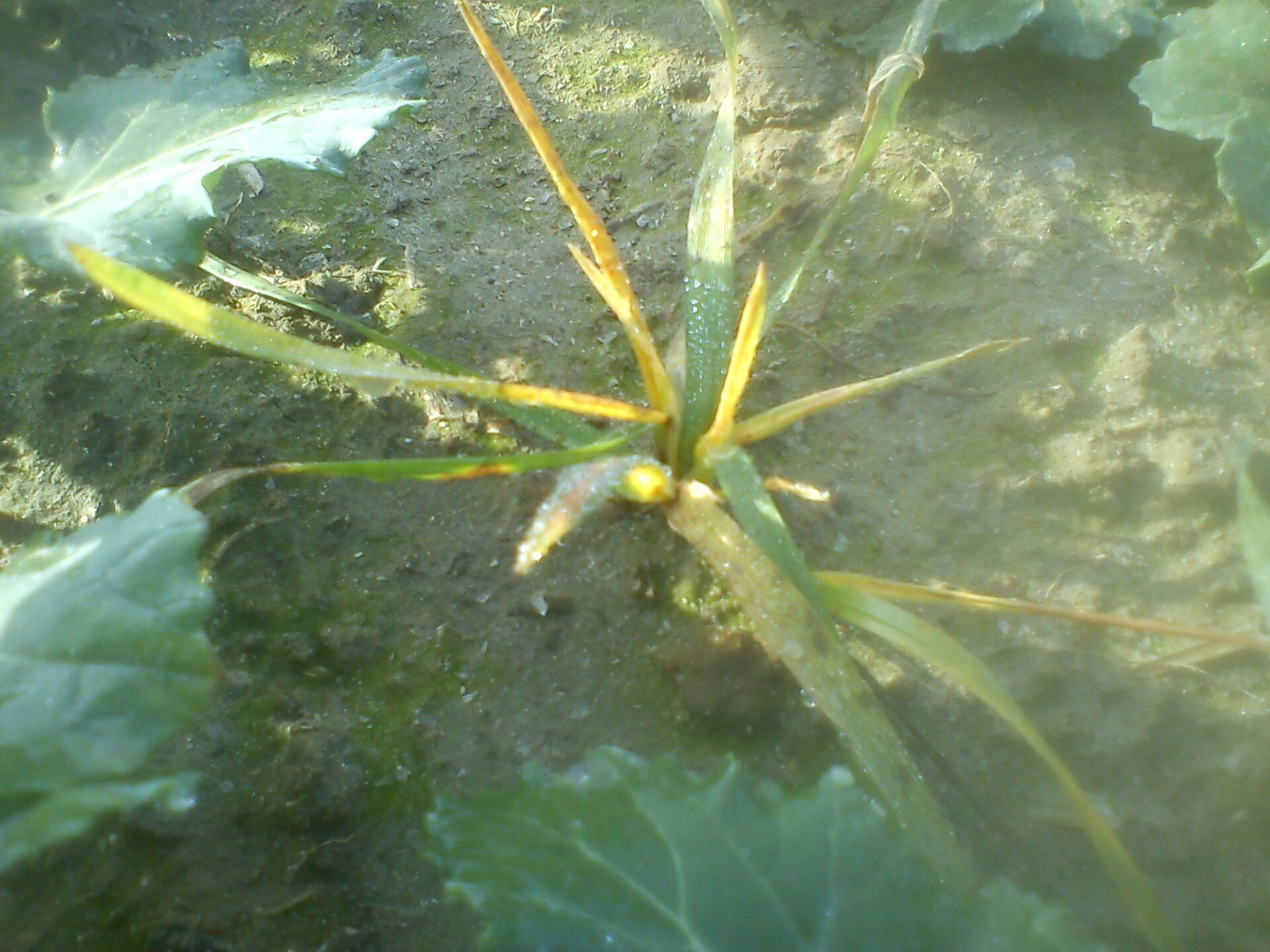
Herbicide damage occurs when non-target plants are inadvertently affected by herbicides, leading to symptoms like distorted growth and leaf discoloration.

Edema
Edema is a physiological disorder where plants develop small, water-soaked blisters on leaves and stems due to excessive water uptake. This condition is often seen when environmental conditions favor rapid water absorption but slow transpiration.