Transplant shock
Transplant shock occurs when a plant is moved from one location to another, causing stress that results in wilting, yellowing leaves, and stunted growth. This happens because the plant's roots are disturbed, affecting its ability to absorb water and nutrients.
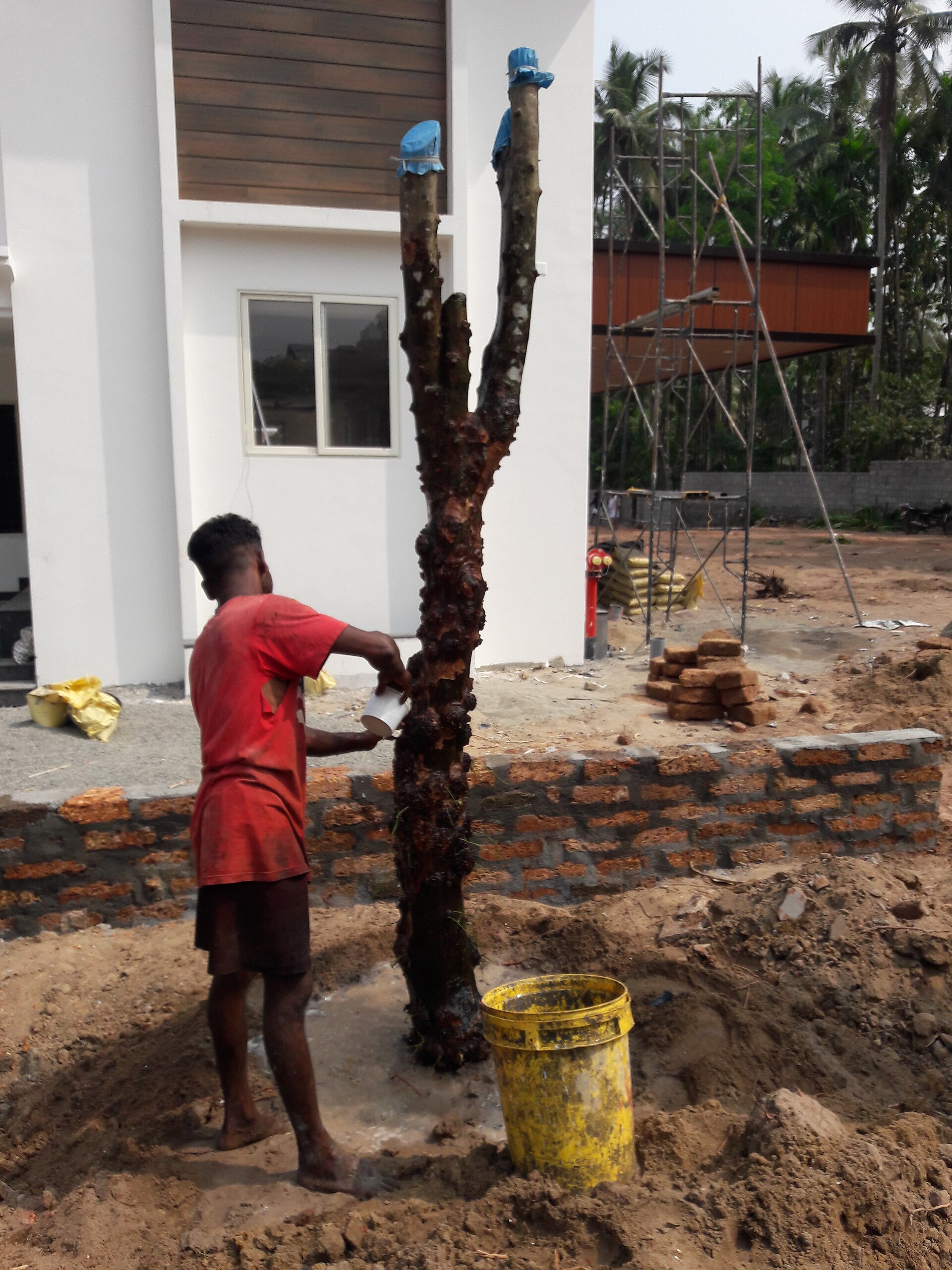
What you see
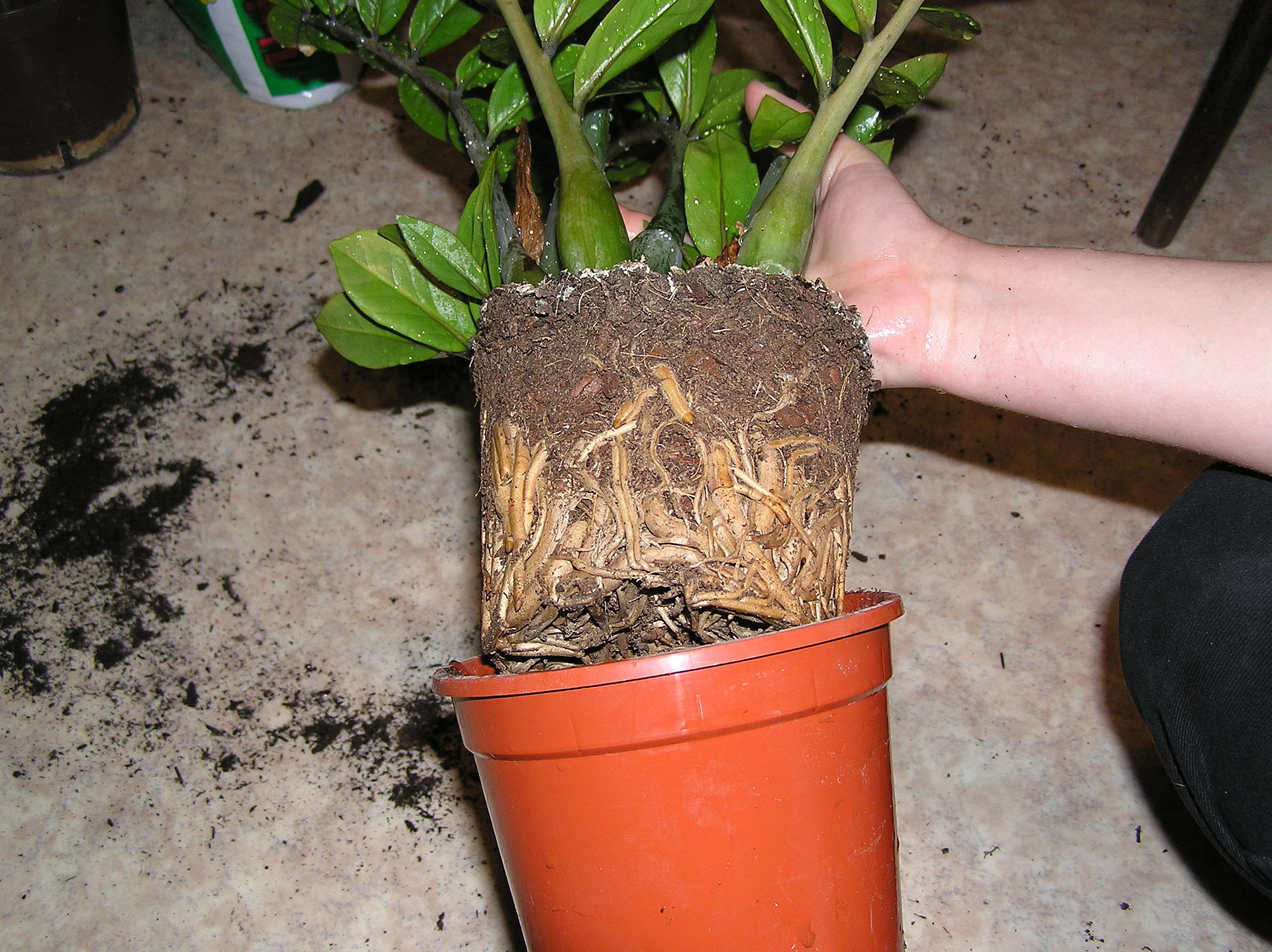
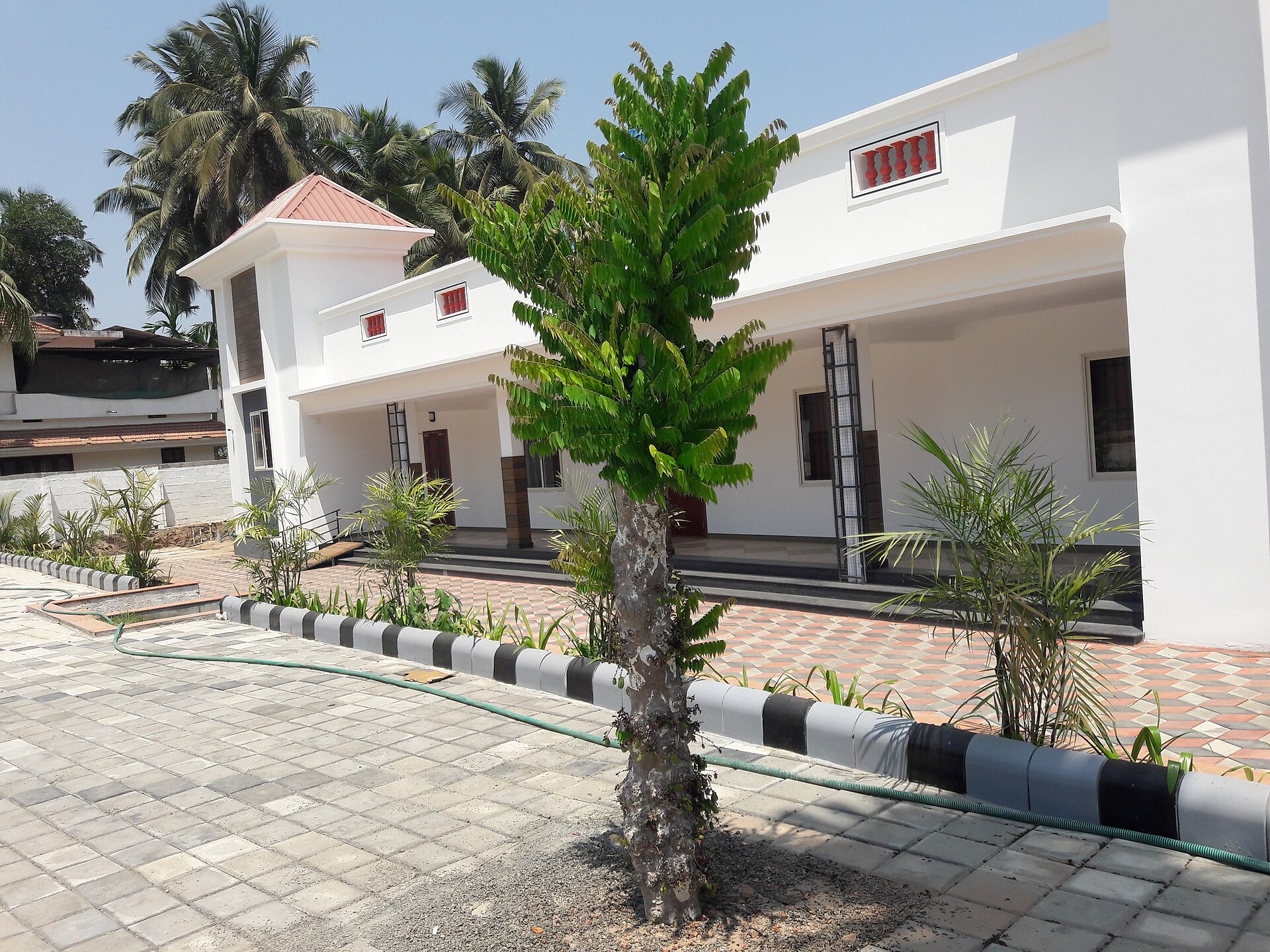
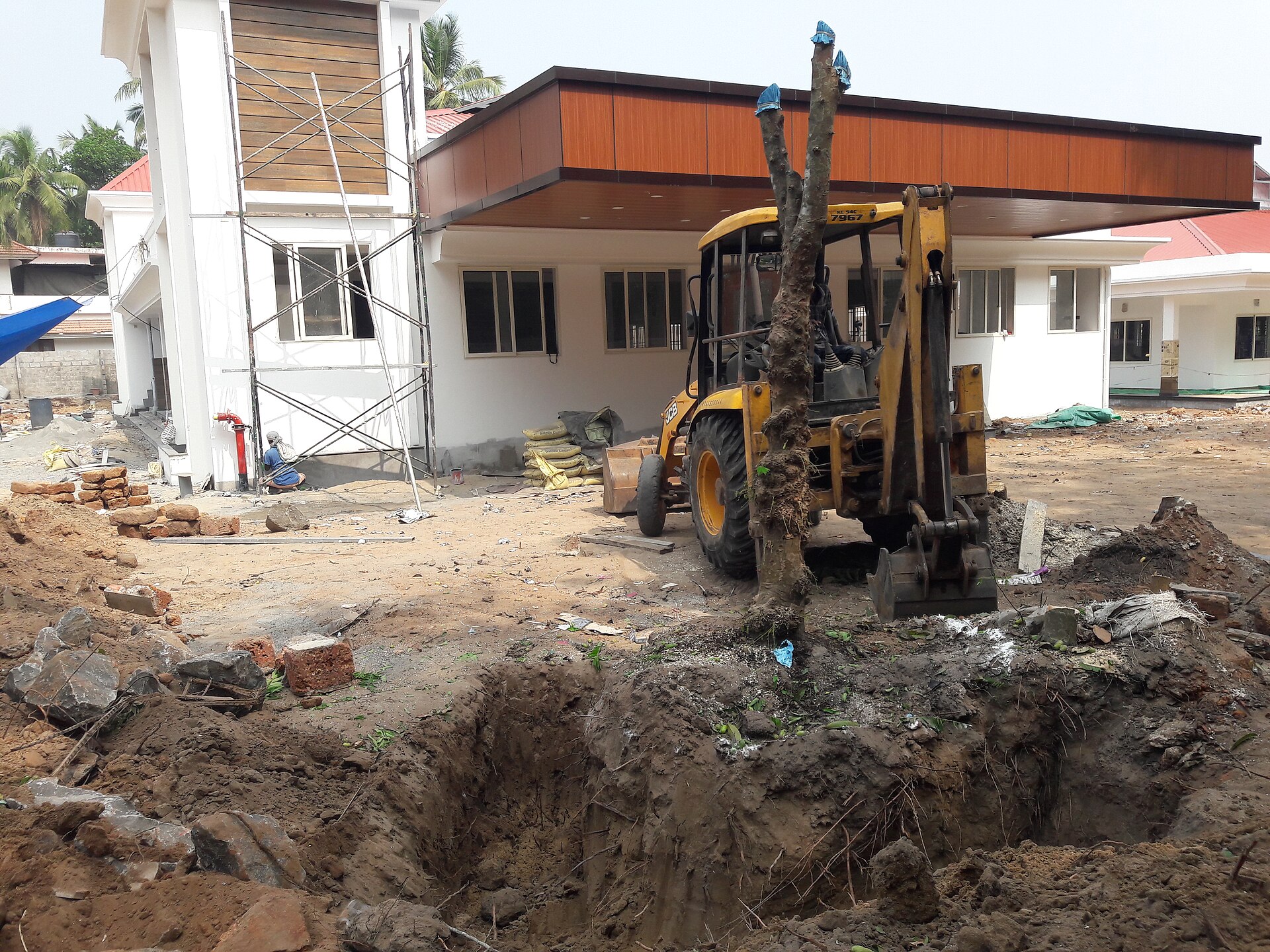
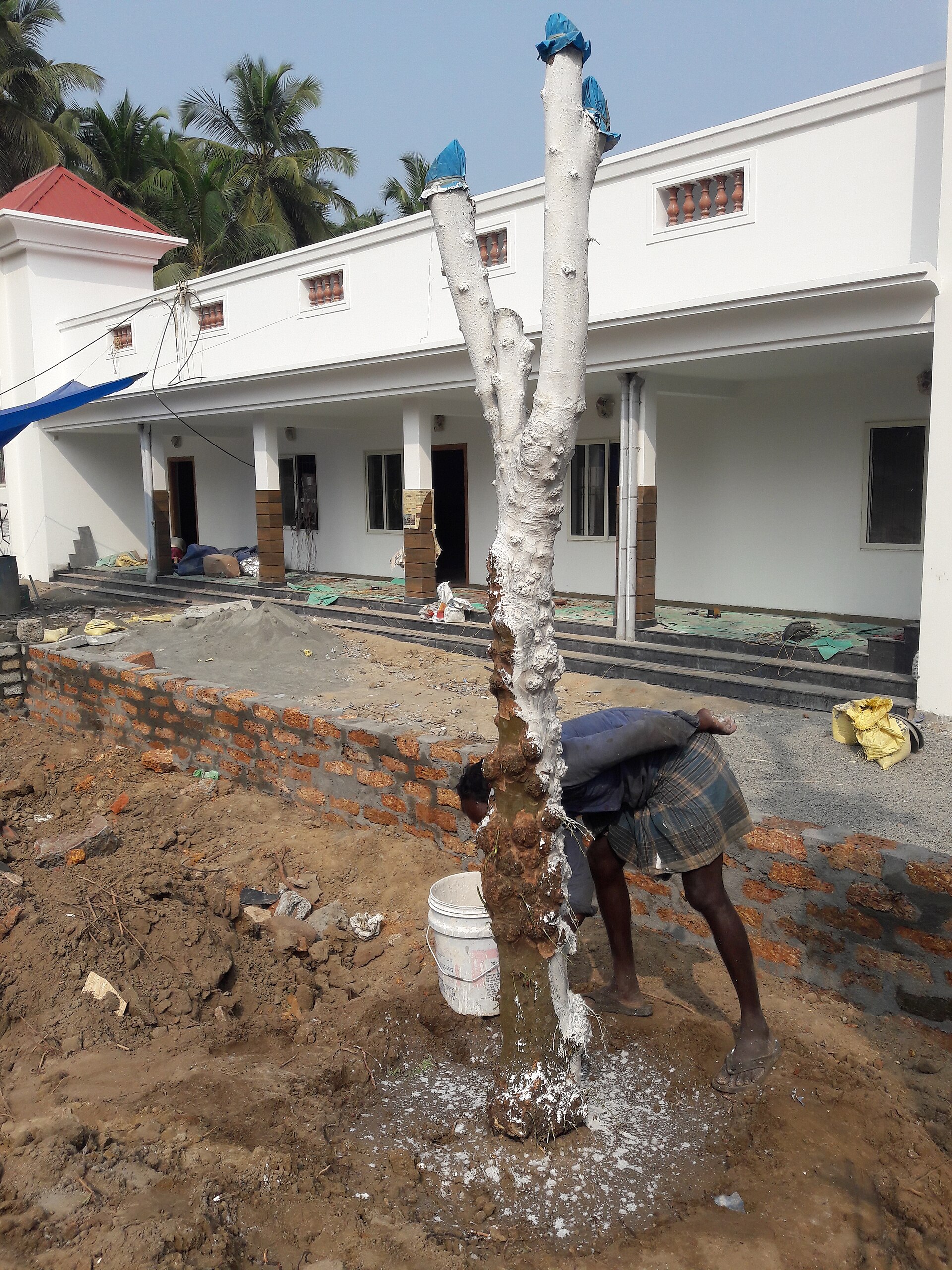
Transplant shock is a common issue that occurs when a plant is moved from one environment to another, such as from a pot to the ground or from one garden location to another. The disturbance to the root system during the transplanting process can lead to stress, as the roots may be damaged or unable to immediately adapt to the new soil conditions. This stress manifests as wilting, yellowing leaves, and stunted growth. Unlike diseases caused by pathogens, transplant shock is purely an abiotic issue, meaning it is not caused by any infectious agent. It is important to differentiate this from diseases, as the symptoms are a direct result of environmental changes rather than an infection. With proper care and adjustments, plants can recover from transplant shock over time.
Symptoms
- Wilting
- Yellowing leaves
- Stunted growth
- Leaf drop
Why it happens
The underlying cause of transplant shock is the disturbance of the plant's root system during the process of moving it from one location to another.
Conditions that favour it
- Transplanting during hot weather
- Inadequate watering after transplanting
- Poor soil conditions in the new location
- Transplanting without acclimatization
- Root damage during transplanting
Plants most affected
- Tomato
- Rose
- Azalea
- Maple
- Oak
- Fern
- Cucumber
- Pepper
- Petunia
- Basil
How to correct it
Educational information only, and not a substitute for professional diagnosis. Identify the problem before treating it, and check that any product is registered for this plant and this use where you live.
Cultural control
- Water the plant thoroughly after transplanting
- Provide shade if transplanting during hot weather
- Ensure proper soil drainage
- Avoid transplanting during the hottest part of the day
- Acclimate plants gradually to new conditions
Prevention
- Transplant during cooler parts of the day
- Water plants well before and after transplanting
- Minimize root disturbance
- Use mulch to retain soil moisture
- Gradually acclimate plants to new conditions