Iron chlorosis
Iron chlorosis is a condition where plants exhibit yellowing leaves due to iron deficiency, often caused by high soil pH or poor soil drainage.
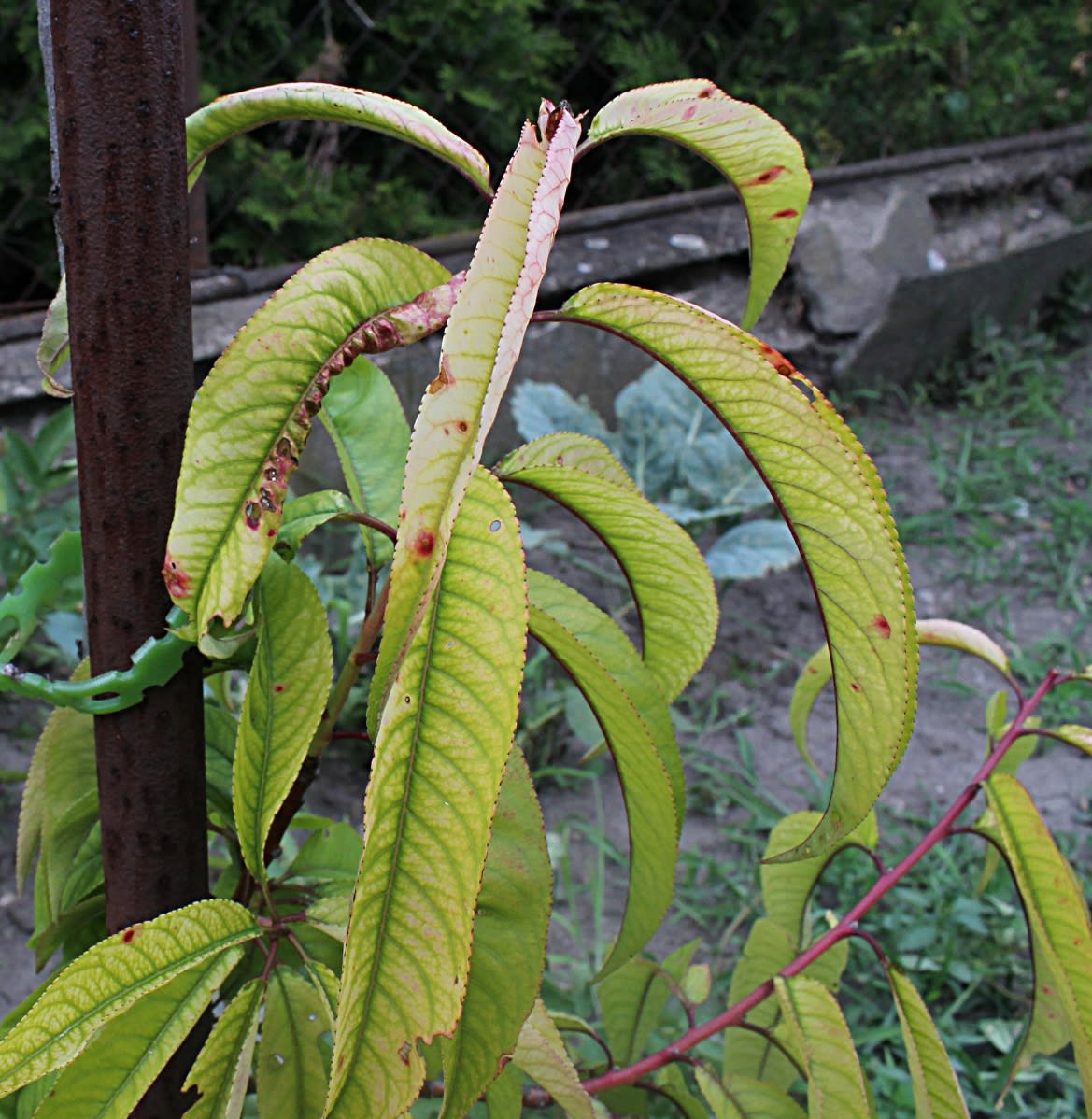
What you see
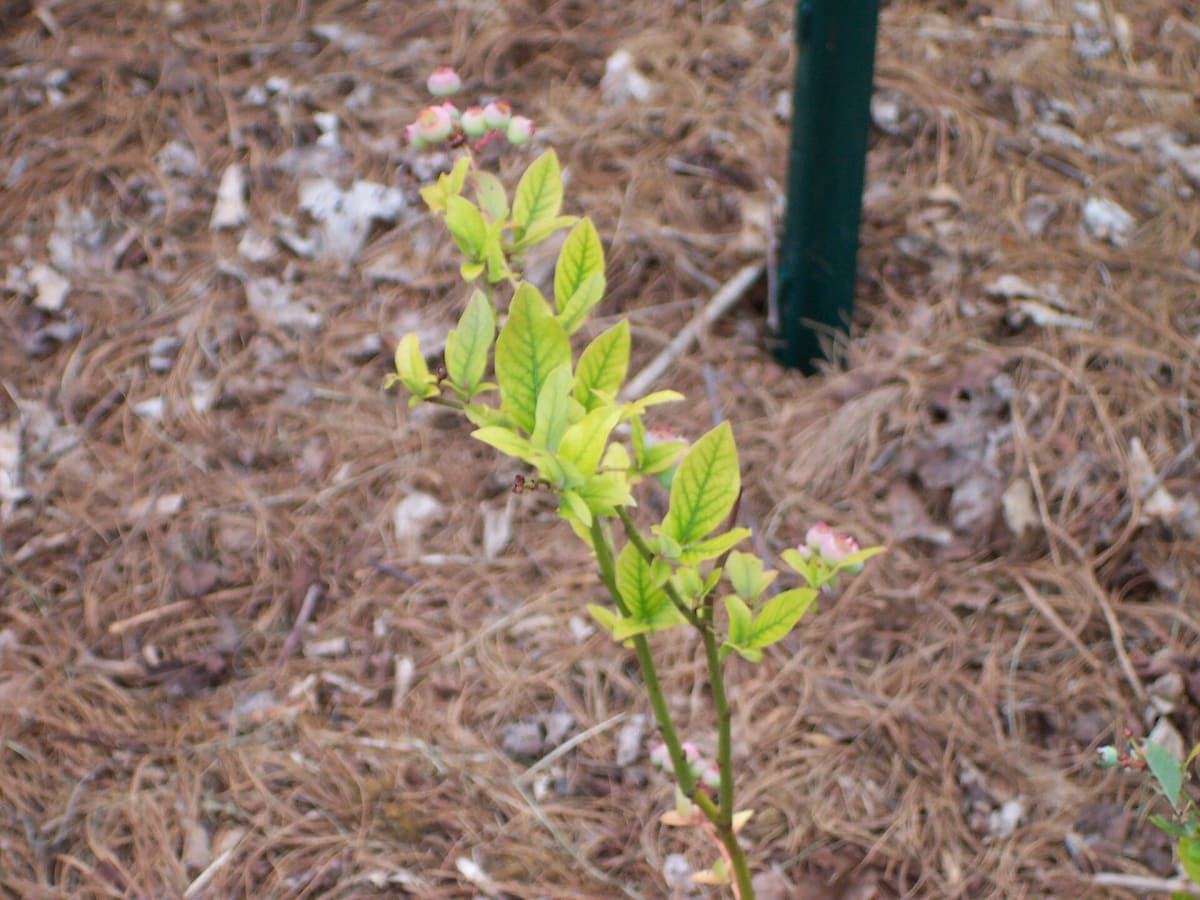
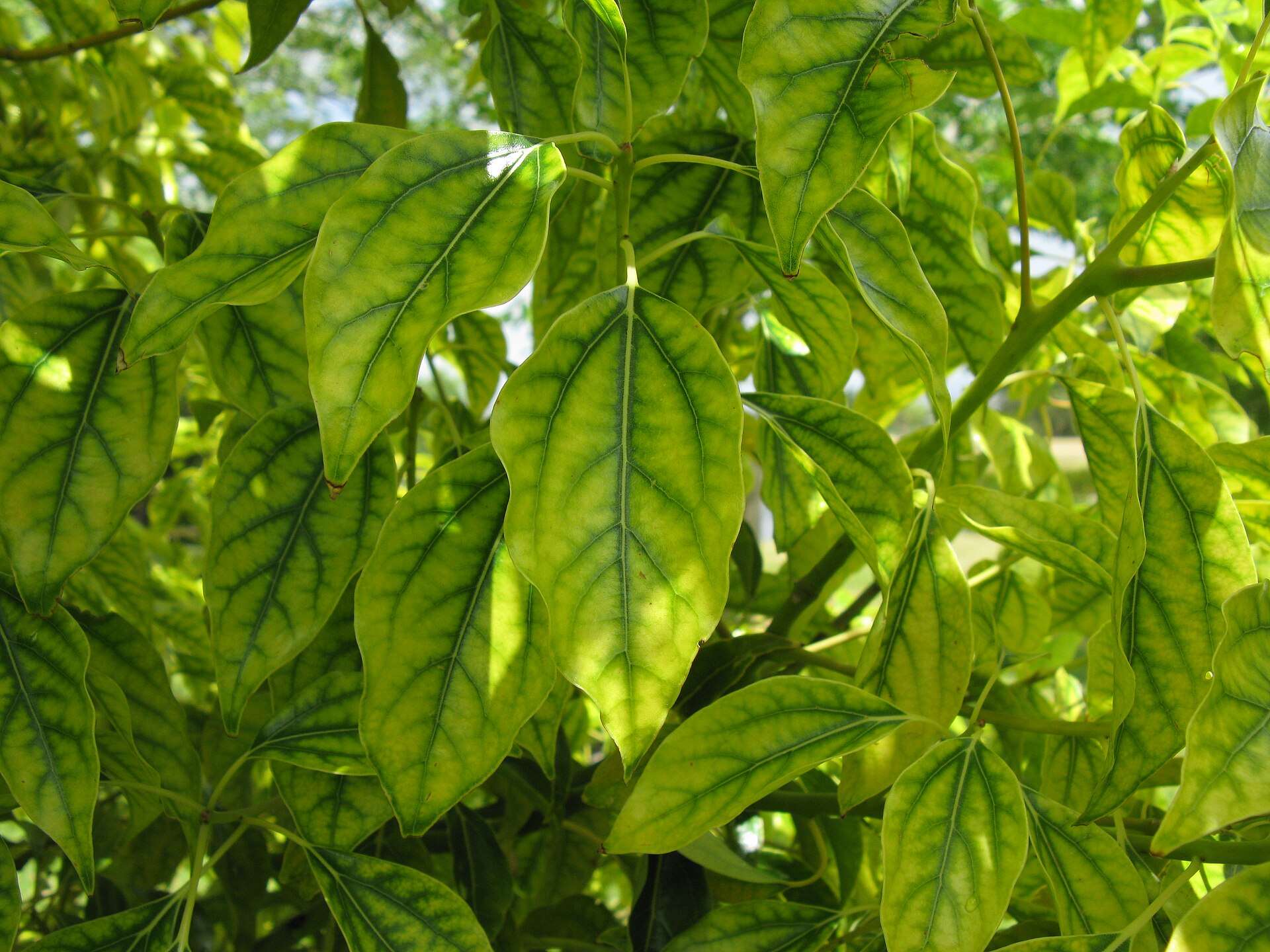
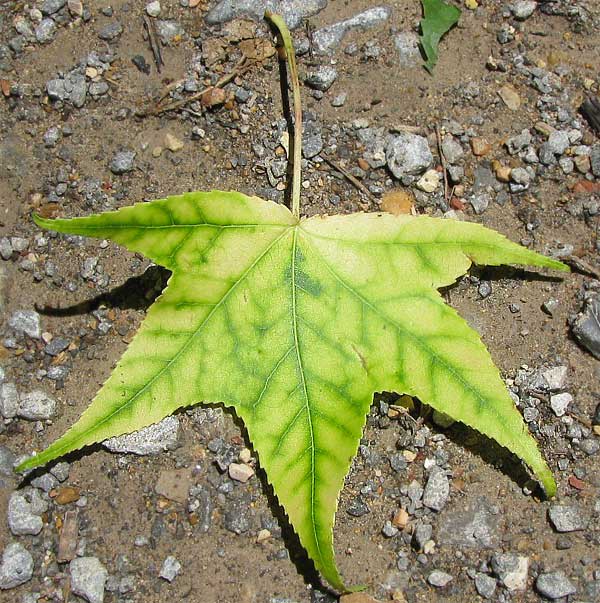
Iron chlorosis is a common nutritional disorder in plants, characterized by the yellowing of leaves while the veins remain green. This condition is primarily caused by an iron deficiency, which can occur even when iron is present in the soil. The deficiency often results from high soil pH levels that render iron insoluble and unavailable to plants. Poor soil drainage and compacted soil can also contribute to the problem by limiting root access to iron. Unlike diseases caused by pathogens, iron chlorosis does not involve any infectious agents. It is important to distinguish iron chlorosis from other yellowing conditions by noting the green veins and the specific pattern of leaf discoloration.
Symptoms
- Yellowing leaves with green veins
- Interveinal chlorosis
- Stunted growth
- Reduced fruit production
Why it happens
Iron deficiency due to high soil pH, poor soil drainage, or compacted soil.
Conditions that favour it
- High soil pH
- Poor soil drainage
- Compacted soil
- Calcareous soils
- Excessive watering
Plants most affected
- Azalea
- Rhododendron
- Blueberry
- Oak
- Maple
- Hydrangea
- Gardenia
- Camellia
- Peach
- Pear
- Apple
- Grapevine
How to correct it
Educational information only, and not a substitute for professional diagnosis. Identify the problem before treating it, and check that any product is registered for this plant and this use where you live.
Cultural control
- Improve soil drainage
- Aerate compacted soil
- Adjust watering practices to avoid waterlogging
Organic options
- Iron chelate
- Sulfur to lower soil pH
- Compost to improve soil structure
Prevention
- Test soil pH regularly
- Incorporate organic matter into soil
- Use mulch to maintain soil moisture
- Select plants suited to soil conditions
- Avoid overwatering