Potassium deficiency
Potassium deficiency in plants leads to yellowing and browning of leaf edges, stunted growth, and poor fruit development. It occurs due to insufficient potassium in the soil, affecting the plant's ability to regulate water and nutrient uptake.
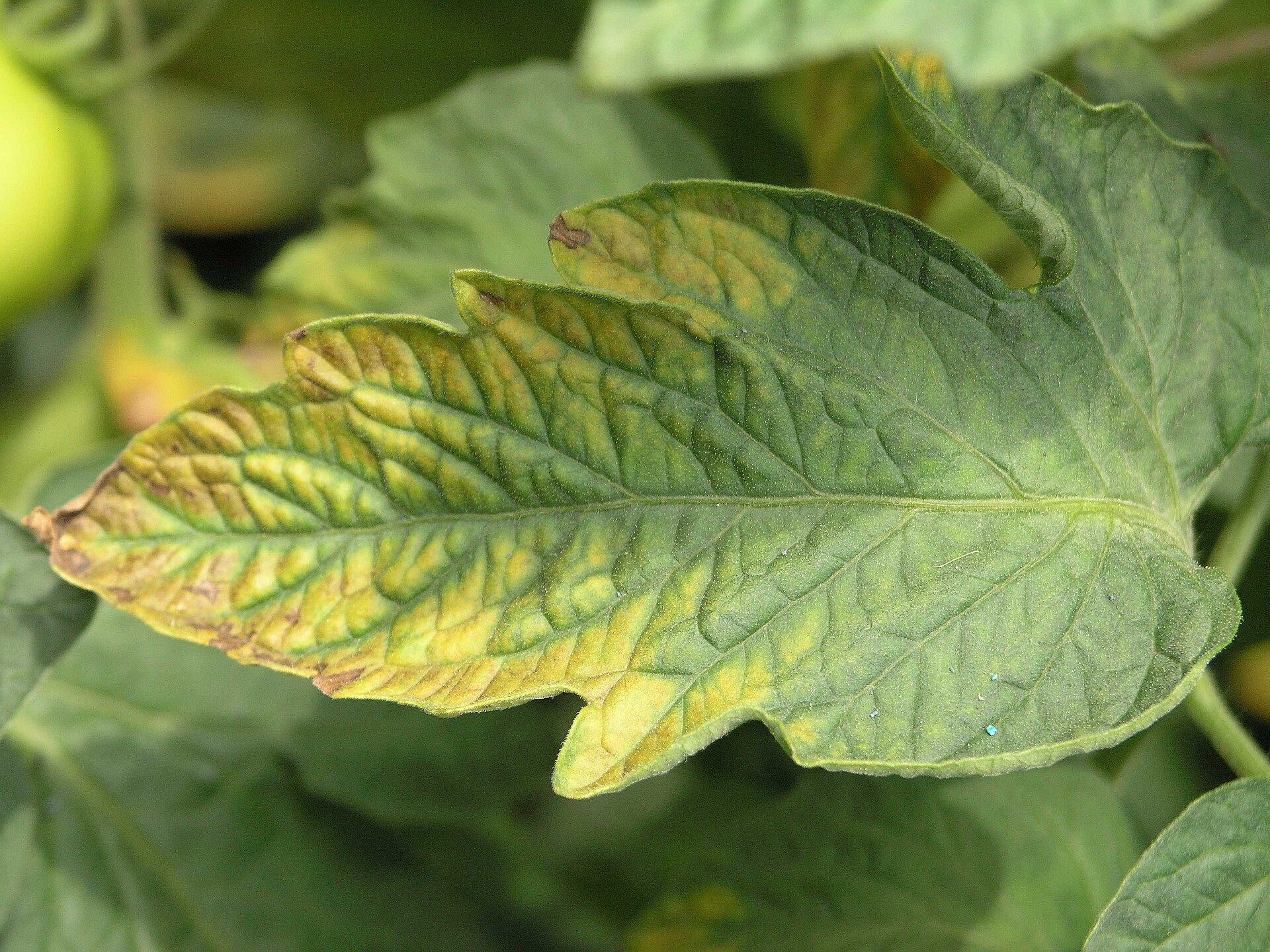
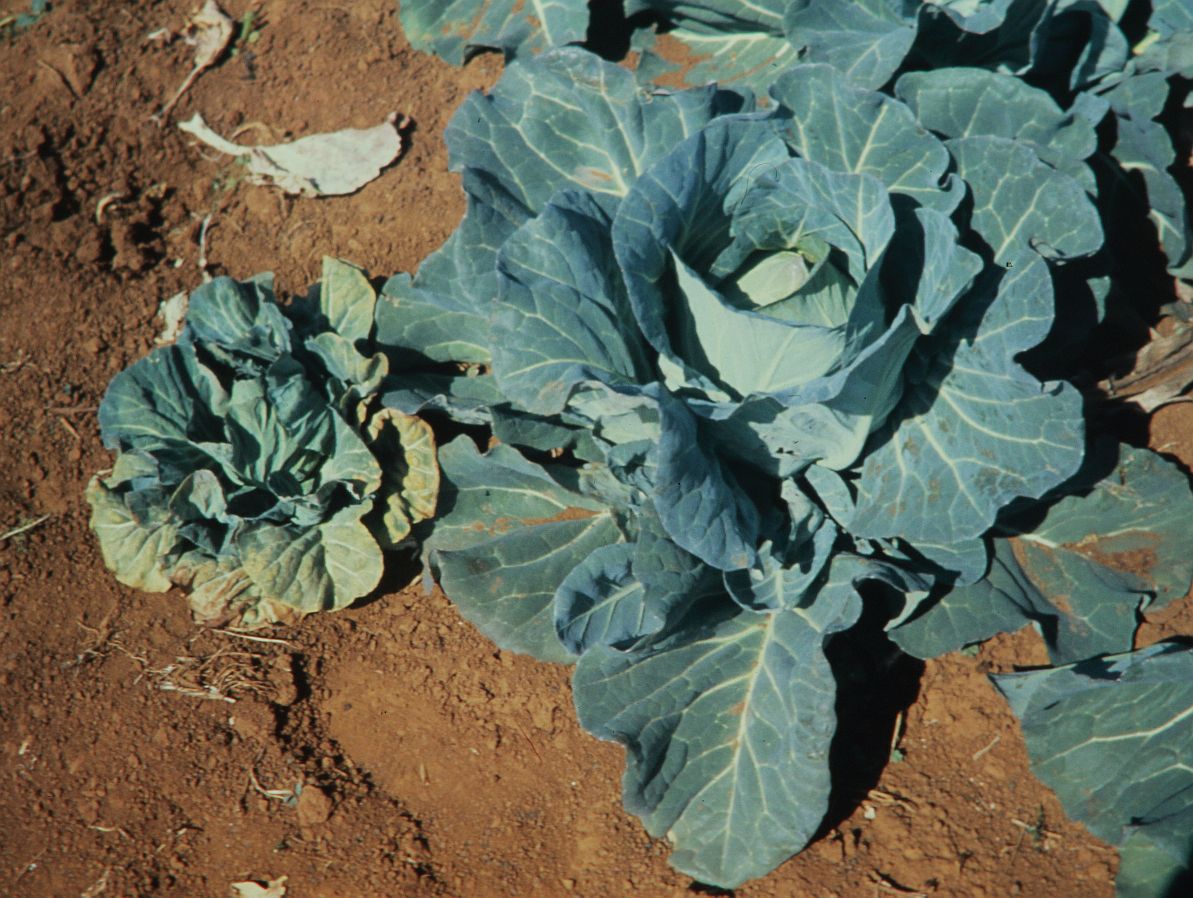
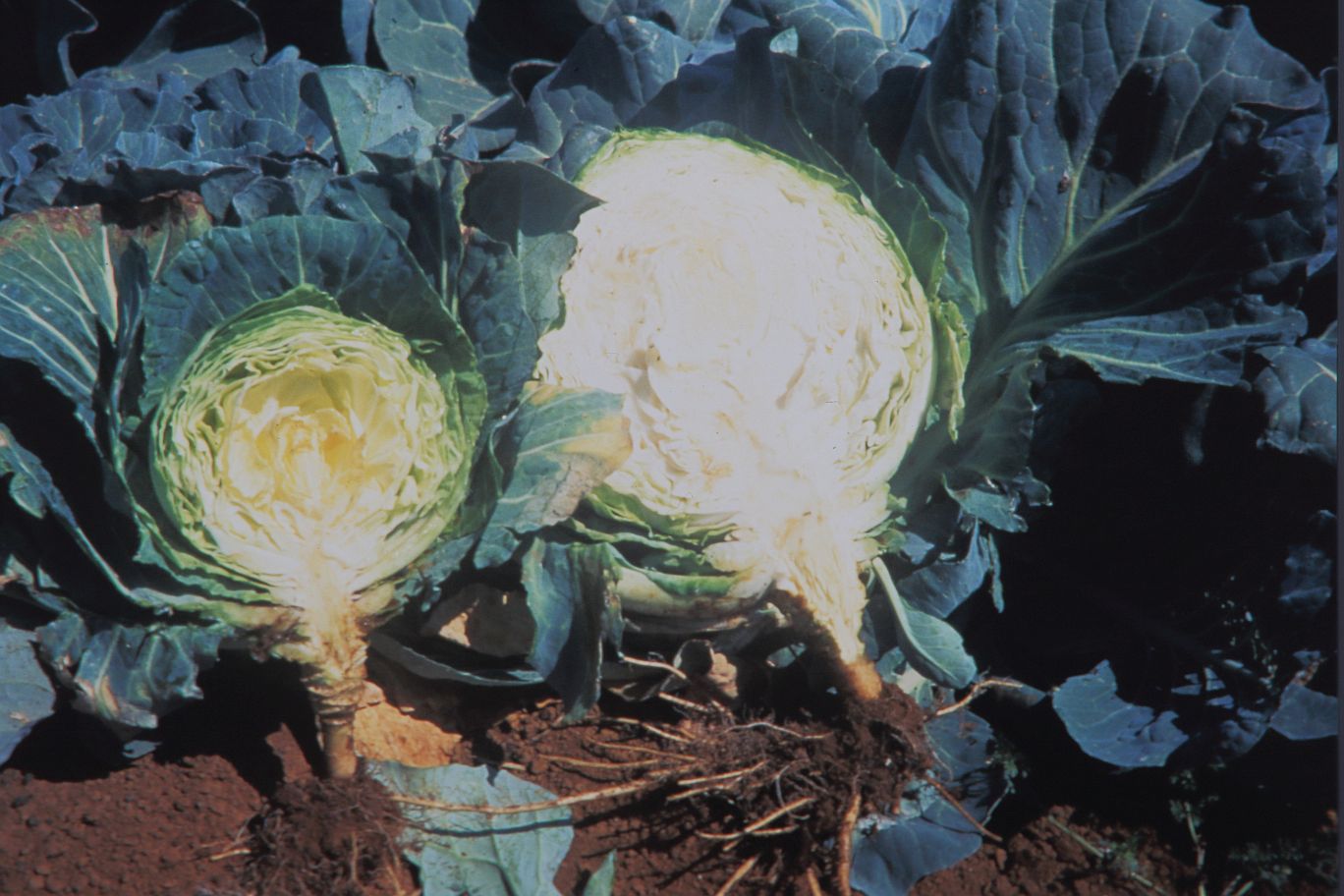
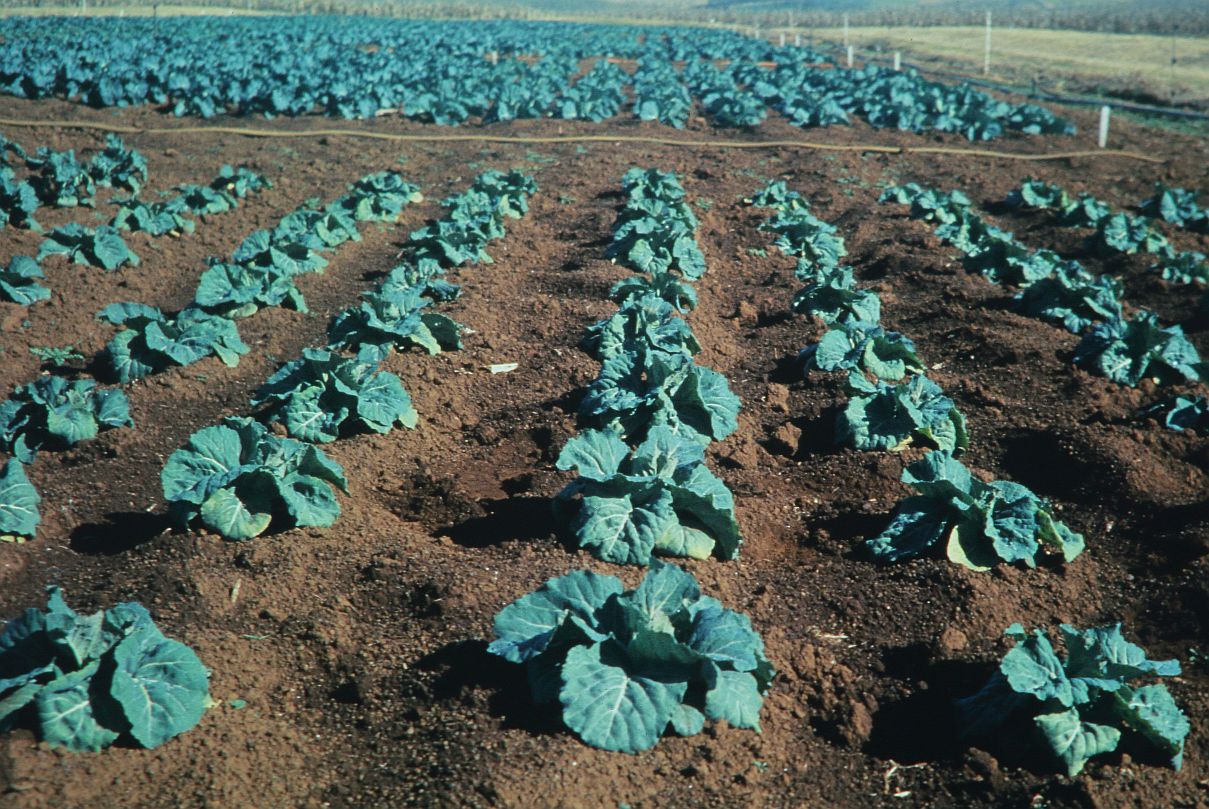
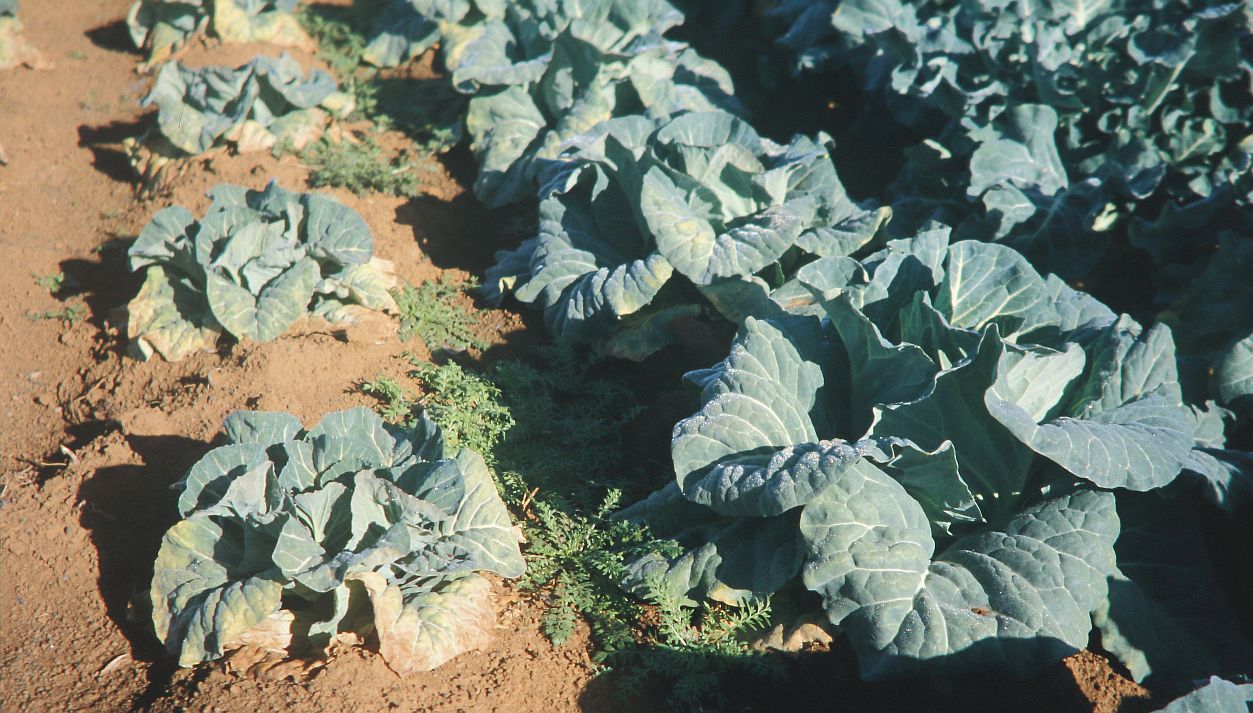
What you see
Potassium deficiency is a common nutritional problem in plants, characterized by the yellowing of leaf edges and tips, which can progress to browning and scorching. This deficiency affects the plant's ability to regulate water usage, enzyme activation, and photosynthesis, leading to stunted growth and poor fruit or flower development. Unlike diseases caused by pathogens, potassium deficiency does not spread from plant to plant but is a result of inadequate soil nutrient levels. Identifying potassium deficiency involves observing the specific symptoms on older leaves first, as potassium is a mobile nutrient within the plant.
Symptoms
- Yellowing of leaf edges
- Browning and scorching of leaf tips
- Stunted growth
- Poor fruit or flower development
- Weak stems
Why it happens
Insufficient potassium levels in the soil.
Conditions that favour it
- Sandy or light soils with low nutrient retention
- Excessive rainfall or irrigation leaching nutrients
- Imbalanced fertilization practices
- High soil salinity
- Soil compaction reducing root access to nutrients
Plants most affected
- Tomato
- Potato
- Corn
- Apple
- Grapevine
- Citrus
How to correct it
Educational information only, and not a substitute for professional diagnosis. Identify the problem before treating it, and check that any product is registered for this plant and this use where you live.
Cultural control
- Improve soil drainage
- Avoid overwatering
- Ensure proper soil aeration
Organic options
- Compost
- Kelp meal
- Wood ash
Prevention
- Regular soil testing to monitor nutrient levels
- Balanced fertilization practices
- Incorporate organic matter into the soil
- Use mulch to retain soil moisture
- Rotate crops to prevent nutrient depletion
Sources
- University of California Agriculture and Natural Resources
- Cornell University Cooperative Extension
- University of Minnesota Extension