Nitrogen deficiency
Nitrogen deficiency in plants results in yellowing leaves and stunted growth due to insufficient nitrogen, an essential nutrient for plant development.
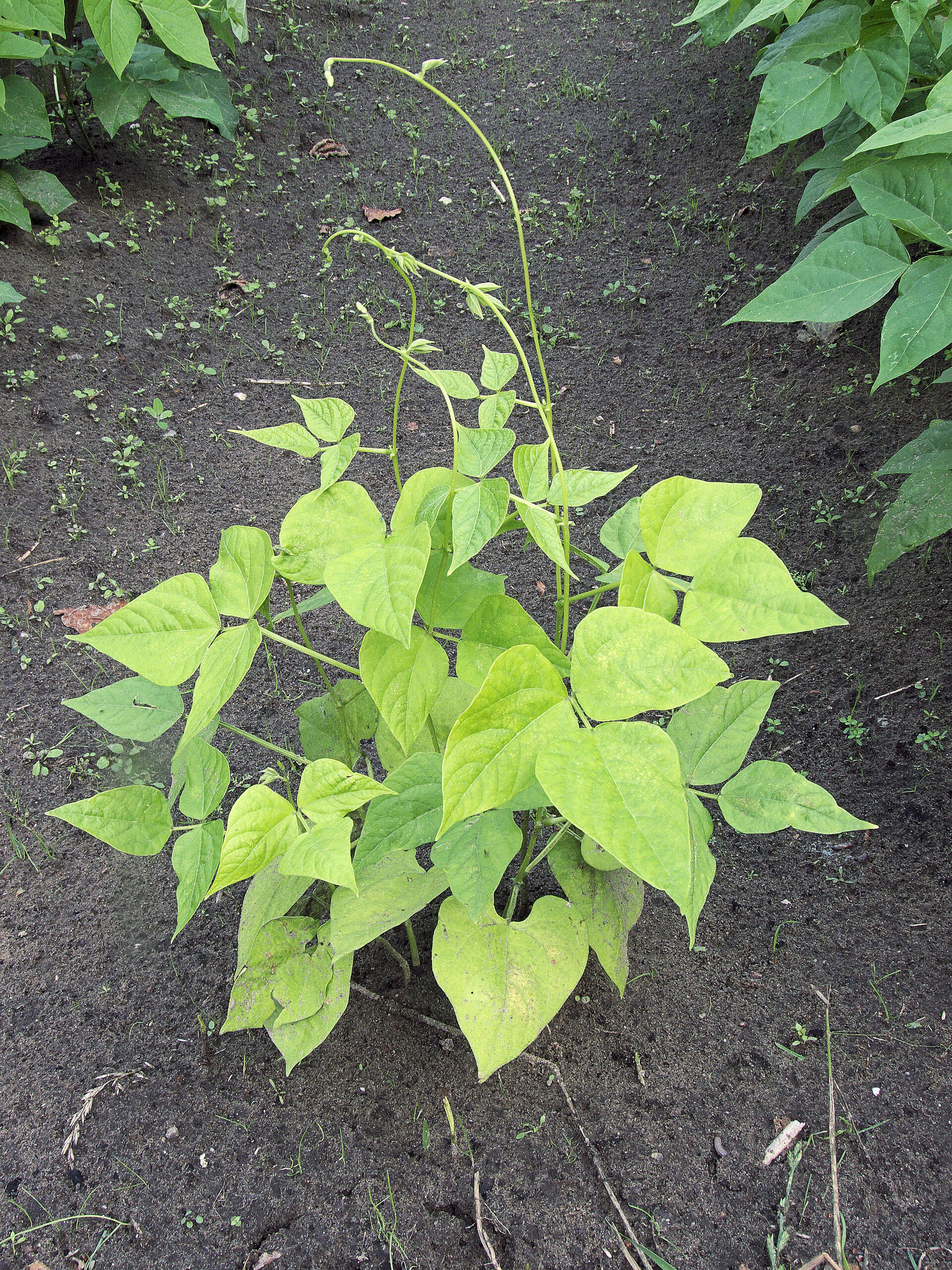
What you see
Nitrogen deficiency is a common nutritional problem in plants, characterized by yellowing leaves and stunted growth. Nitrogen is a crucial component of chlorophyll, the compound responsible for photosynthesis, and is vital for plant growth and development. Without adequate nitrogen, plants cannot produce sufficient chlorophyll, leading to chlorosis (yellowing) and reduced growth. Unlike diseases caused by pathogens, nitrogen deficiency does not involve any infectious agents, and symptoms are typically uniform across the plant. This deficiency can be distinguished from diseases by the absence of spots, lesions, or mold, and by the overall uniform yellowing of older leaves first. Addressing nitrogen deficiency involves improving soil fertility and ensuring plants receive adequate nitrogen through proper fertilization.
Symptoms
- Yellowing of older leaves
- Stunted growth
- Pale or leggy growth
- Leaf drop
Why it happens
Insufficient nitrogen in the soil, which is essential for chlorophyll production and plant growth.
Conditions that favour it
- Poor soil fertility
- Excessive rainfall leaching nutrients
- Sandy soils with low nutrient retention
- Improper fertilization practices
- High carbon-to-nitrogen ratio in soil
Plants most affected
- Tomato
- Corn
- Lettuce
- Roses
- Peppers
- Cucumbers
- Beans
- Squash
- Spinach
- Broccoli
- Cabbage
- Strawberries
How to correct it
Educational information only, and not a substitute for professional diagnosis. Identify the problem before treating it, and check that any product is registered for this plant and this use where you live.
Cultural control
- Improve soil drainage
- Rotate crops to balance nutrient use
- Incorporate organic matter into the soil
- Monitor and adjust watering practices
Organic options
- Compost
- Blood meal
- Fish emulsion
- Alfalfa meal
Prevention
- Regular soil testing
- Balanced fertilization program
- Use of nitrogen-fixing cover crops
- Incorporate organic matter regularly
- Avoid over-watering to prevent nutrient leaching