Fertilizer burn
Fertilizer burn occurs when excess fertilizer salts accumulate in the soil, causing damage to plant roots and foliage. This results in scorched leaf edges and stunted growth.
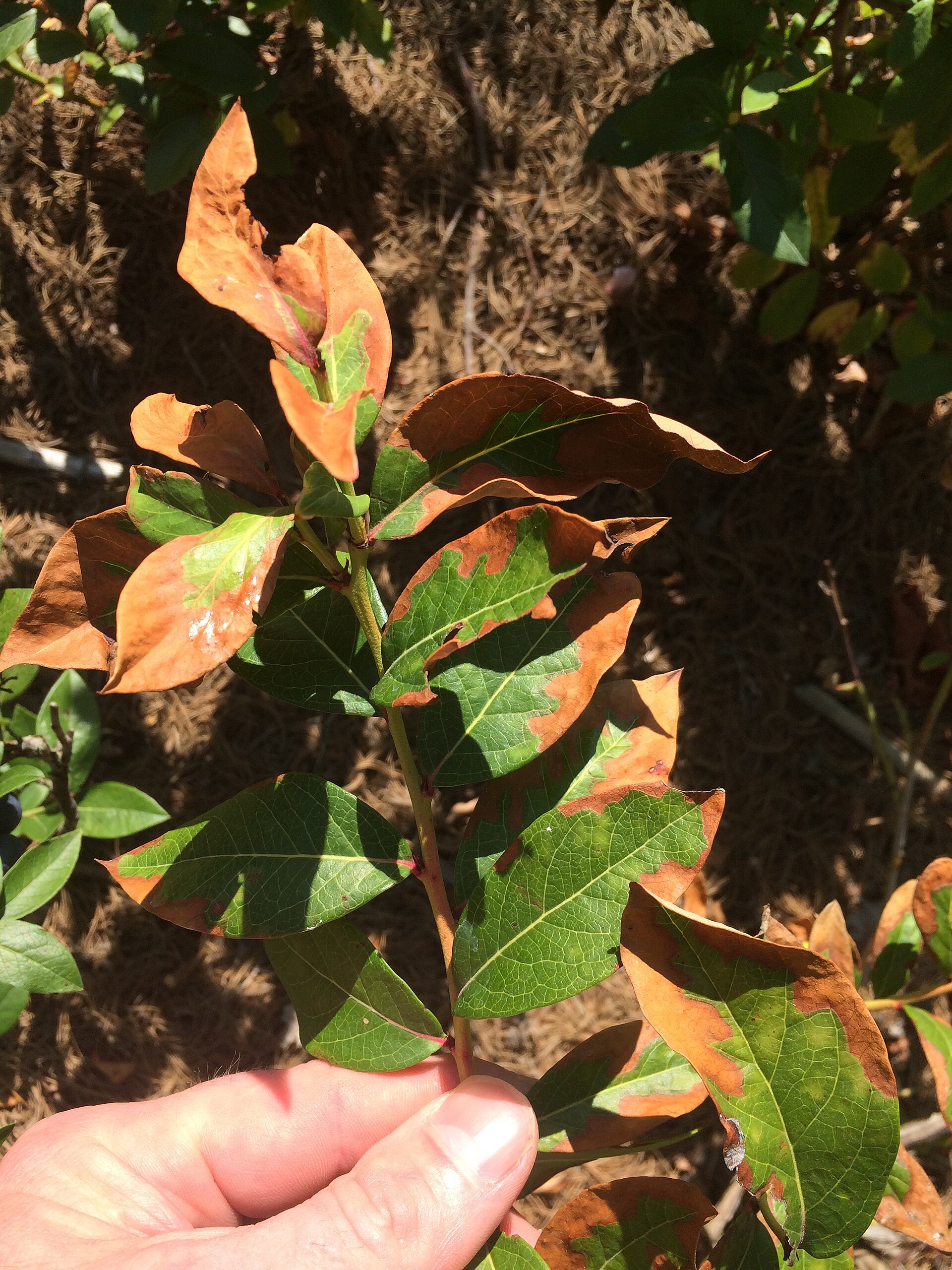
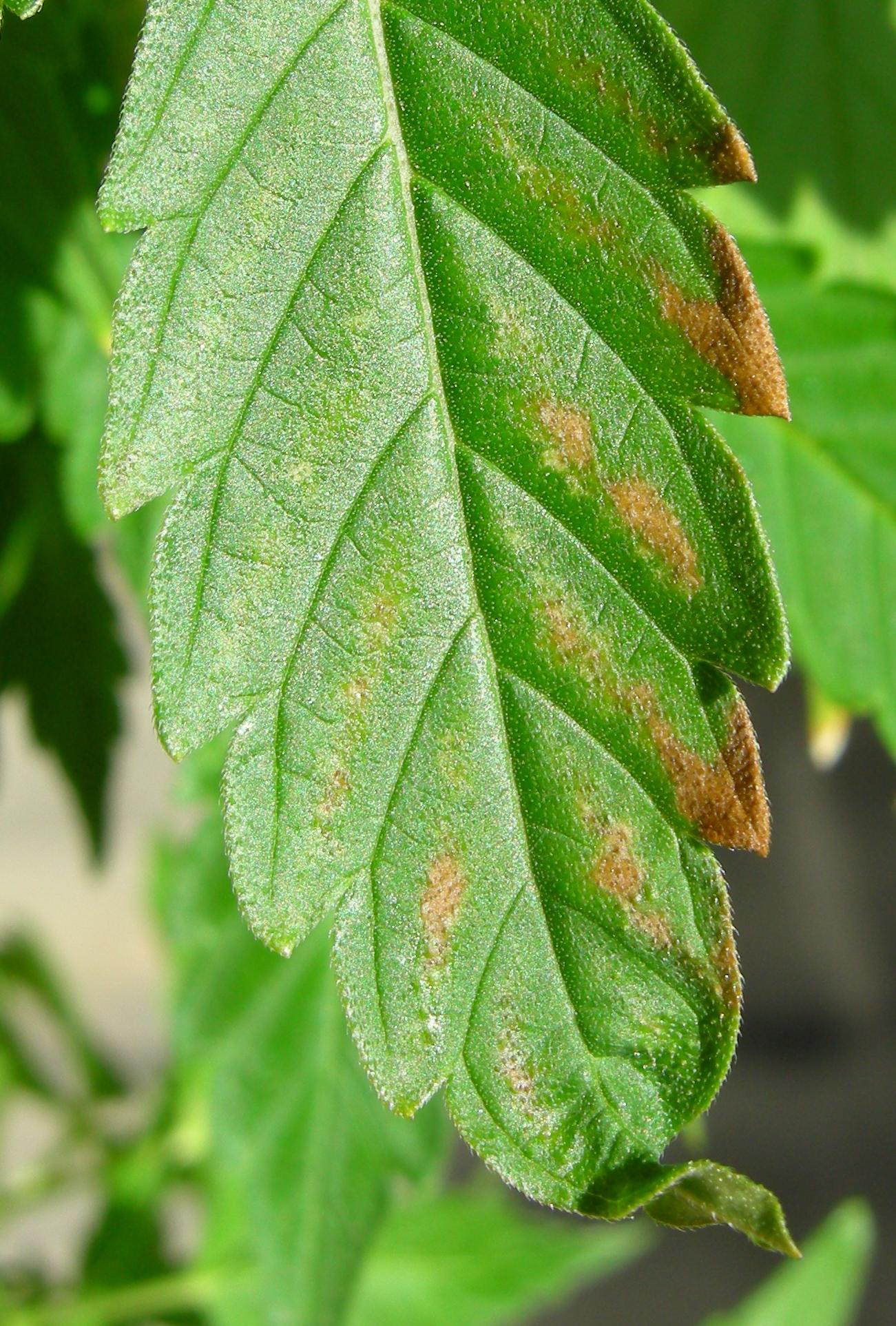
What you see
Fertilizer burn is a common issue that arises when too much fertilizer is applied to plants, leading to an accumulation of salts in the soil. This excess salt draws moisture away from plant roots, causing dehydration and damage. Unlike diseases caused by pathogens, fertilizer burn is a chemical injury resulting from nutrient excess. The symptoms can often be mistaken for drought stress or salt damage, but the key difference is the presence of a recent fertilization event. Identifying fertilizer burn involves looking for signs of leaf scorch and checking the soil for high salt levels. The damage is typically more pronounced in areas where fertilizer was applied heavily or unevenly.
Symptoms
- Scorched or crispy leaf edges
- Stunted growth
- Leaf drop
- Wilting
Why it happens
Excessive application of fertilizer leading to salt accumulation in the soil.
Conditions that favour it
- Over-application of granular or liquid fertilizers
- Poorly draining soil
- Infrequent watering
- High salt content in water supply
Plants most affected
- Tomato
- Rose
- Lawn grasses
- Cucumber
- Azalea
- Petunia
- Marigold
- Lettuce
- Peppers
- Orchids
How to correct it
Educational information only, and not a substitute for professional diagnosis. Identify the problem before treating it, and check that any product is registered for this plant and this use where you live.
Cultural control
- Flush the soil with plenty of water to leach out excess salts
- Ensure proper drainage in pots and garden beds
- Avoid fertilizing during hot, dry weather
- Space out fertilizer applications to prevent buildup
Prevention
- Test soil regularly to monitor nutrient levels
- Use slow-release fertilizers to minimize salt buildup
- Never exceed what the label allows
- Water plants thoroughly after fertilizing