Frost damage
Frost damage occurs when plants are exposed to freezing temperatures, causing cell damage and tissue death. This often results in discolored leaves, wilting, and in severe cases, plant death.
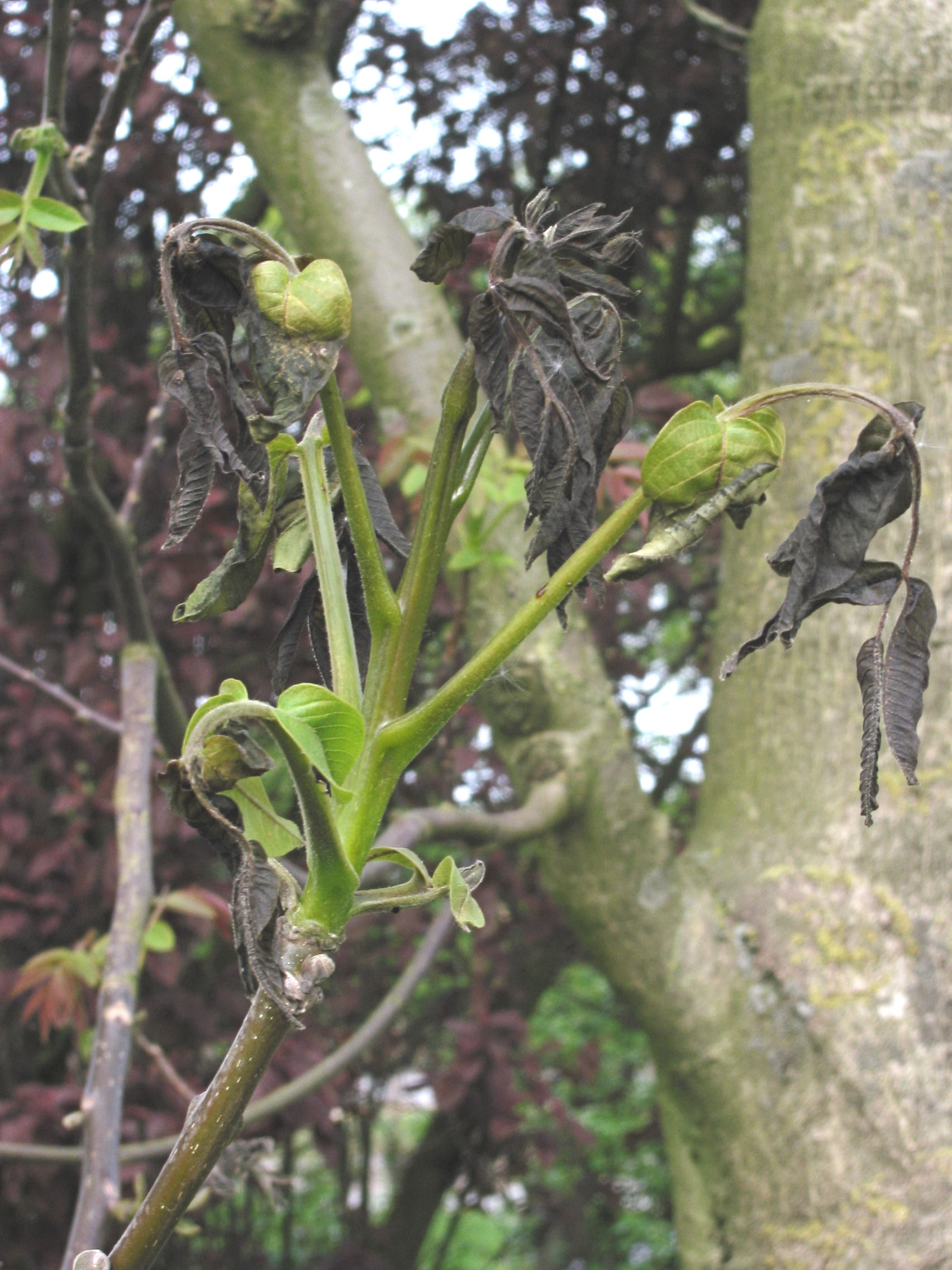
What you see
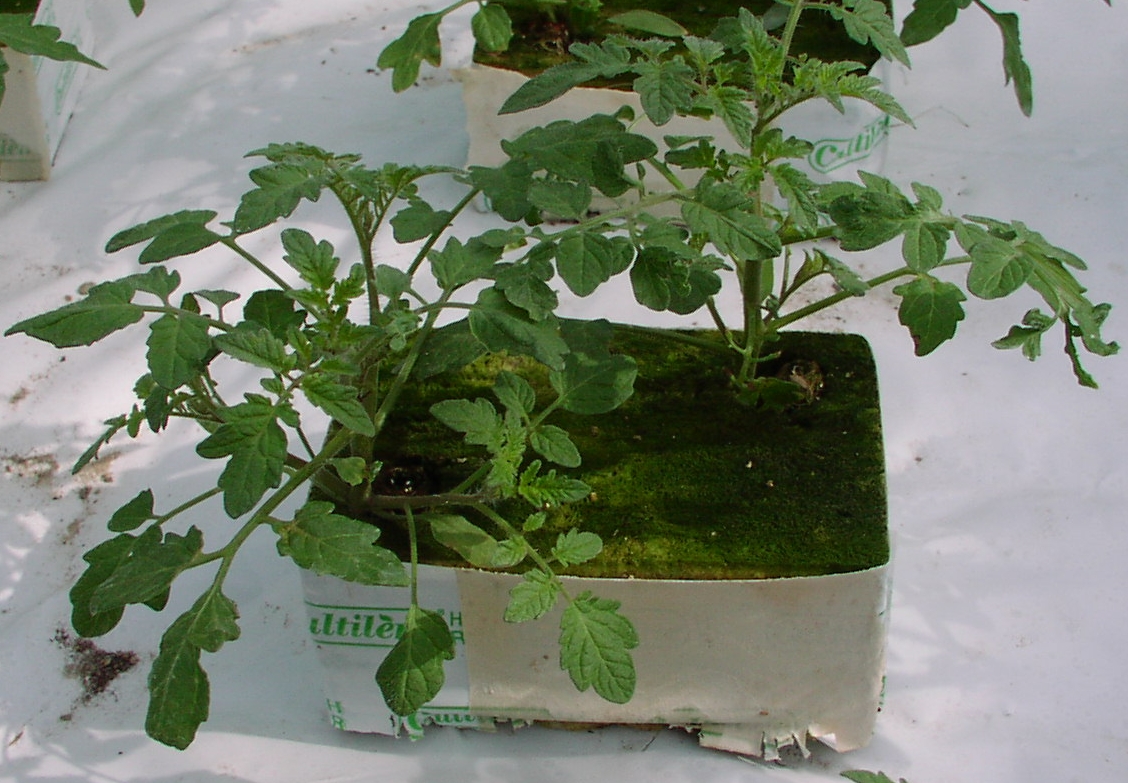
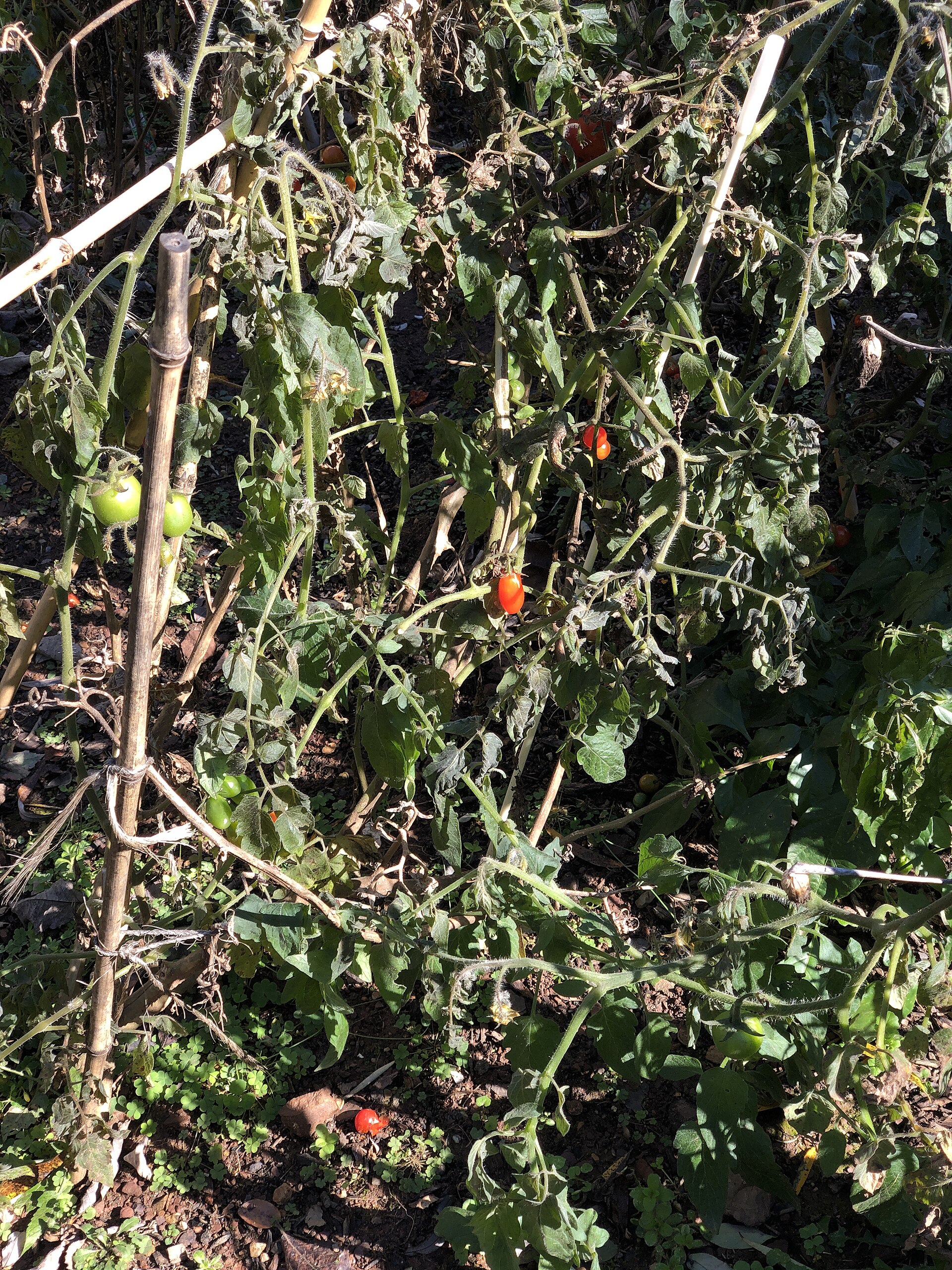
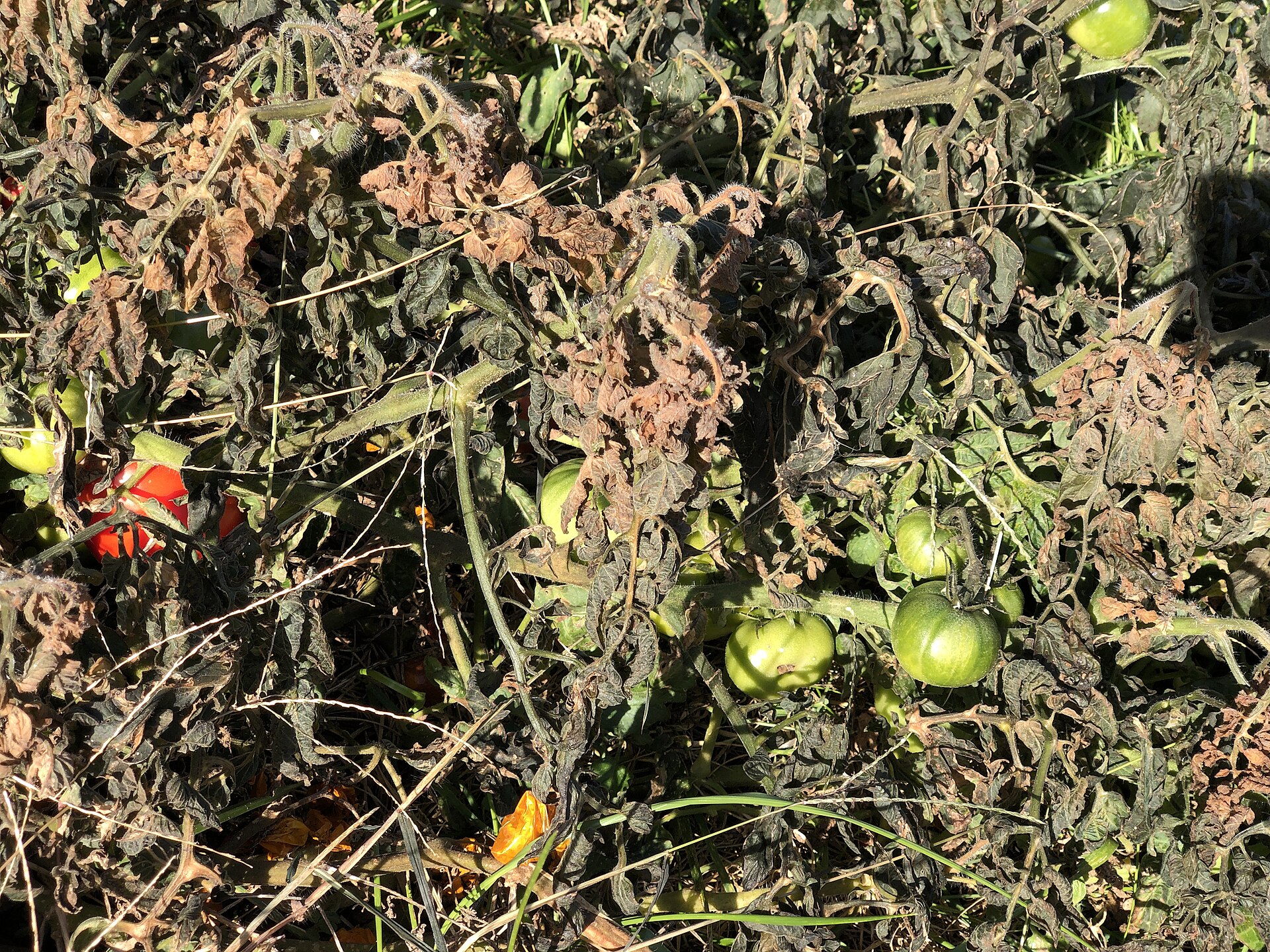
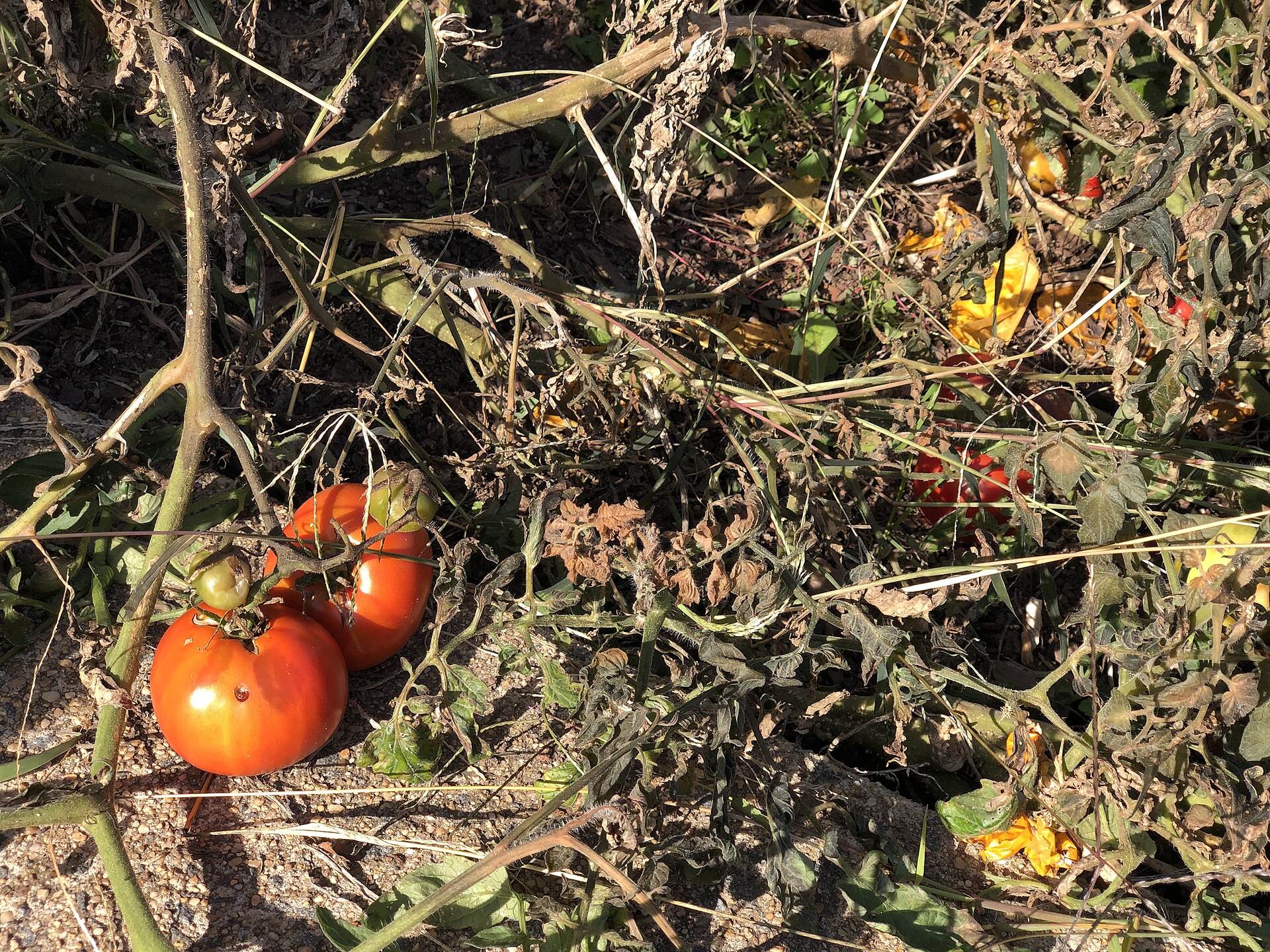
Frost damage is a common issue for plants exposed to freezing temperatures, especially during unexpected cold snaps in spring or fall. When temperatures drop below freezing, the water inside plant cells can freeze, expand, and rupture the cell walls, leading to tissue damage. This damage is often visible as blackened or wilted leaves and stems. Unlike diseases caused by pathogens, frost damage is purely environmental and does not spread from plant to plant. The extent of the damage depends on the plant species, the duration of the frost, and the plant's stage of growth. While some plants may recover with minimal intervention, others may suffer long-term effects or die if the damage is extensive.
Symptoms
- Blackened leaves
- Wilted stems
- Leaf drop
- Stunted growth
- Brown spots on leaves
Why it happens
Exposure to freezing temperatures that cause ice crystals to form within plant tissues, leading to cell damage.
Conditions that favour it
- Unexpected cold snaps
- Late spring frosts
- Early fall frosts
- Poorly acclimated plants
- Plants in exposed locations
Plants most affected
- Tomato
- Pepper
- Cucumber
- Begonia
- Impatiens
- Fuchsia
- Geranium
- Petunia
- Basil
- Zinnia
How to correct it
Educational information only, and not a substitute for professional diagnosis. Identify the problem before treating it, and check that any product is registered for this plant and this use where you live.
Cultural control
- Move potted plants indoors during frost warnings
- Cover plants with frost cloths or blankets overnight
- Water plants in the afternoon before a frost to retain heat
- Avoid pruning damaged areas until after the last frost
- Select frost-resistant plant varieties
Prevention
- Monitor weather forecasts for frost warnings
- Harden off plants before planting outdoors
- Use mulch to insulate soil and roots
- Plant in sheltered locations
- Install windbreaks to reduce exposure