Leaf scorch
Leaf scorch is a condition where the edges of leaves turn brown and crispy due to environmental stress, often from water deficiency or heat stress.
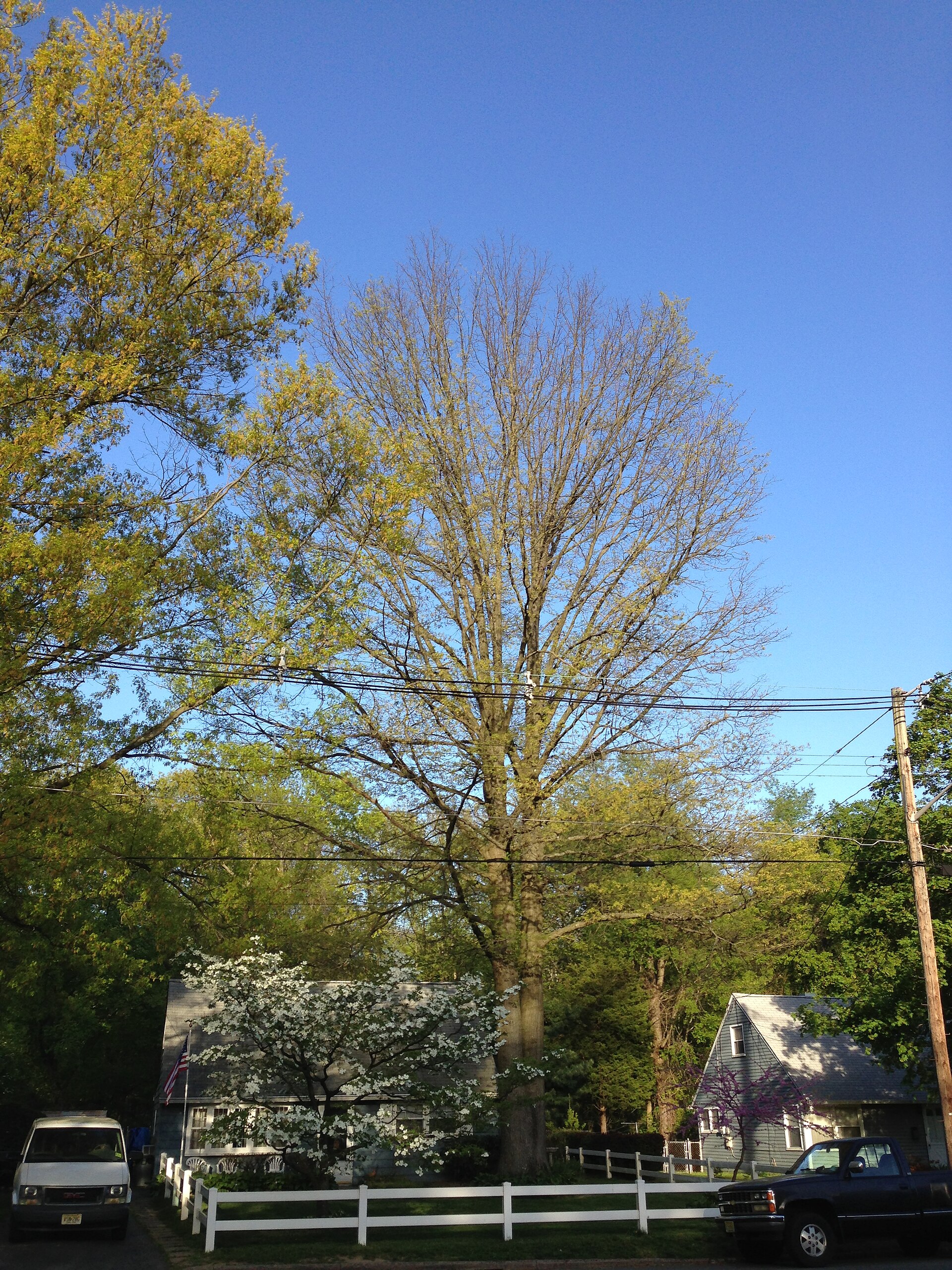
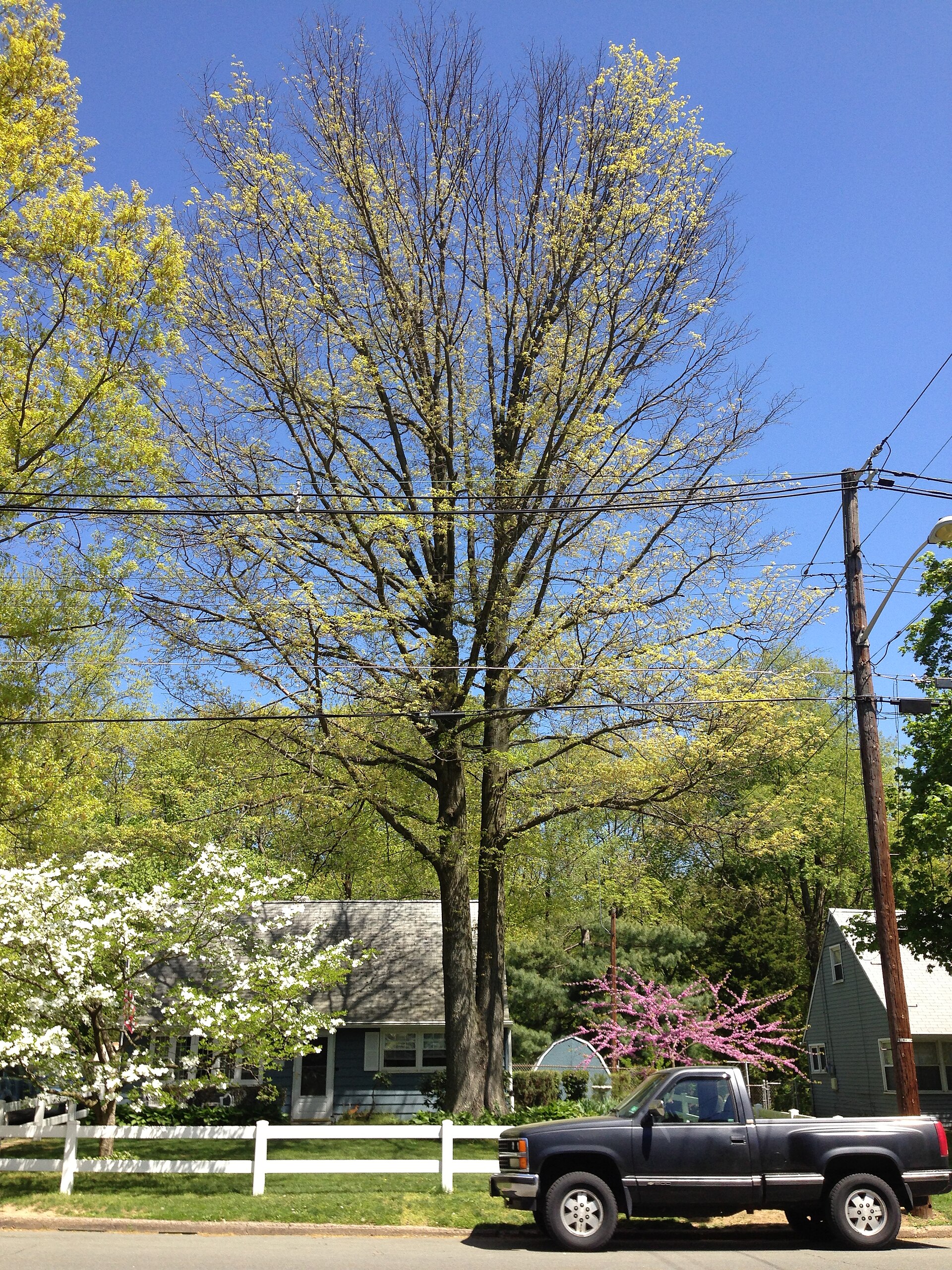
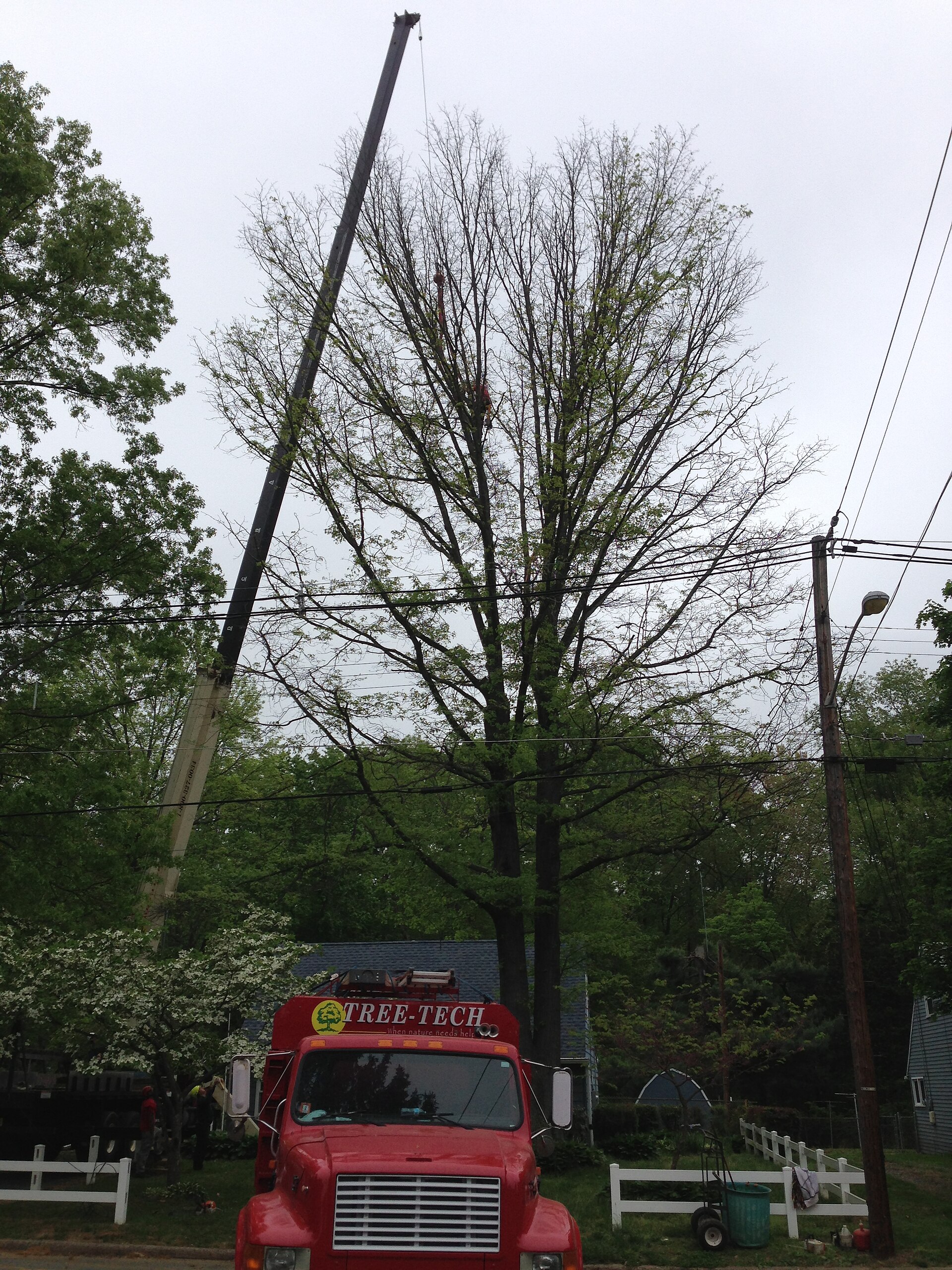
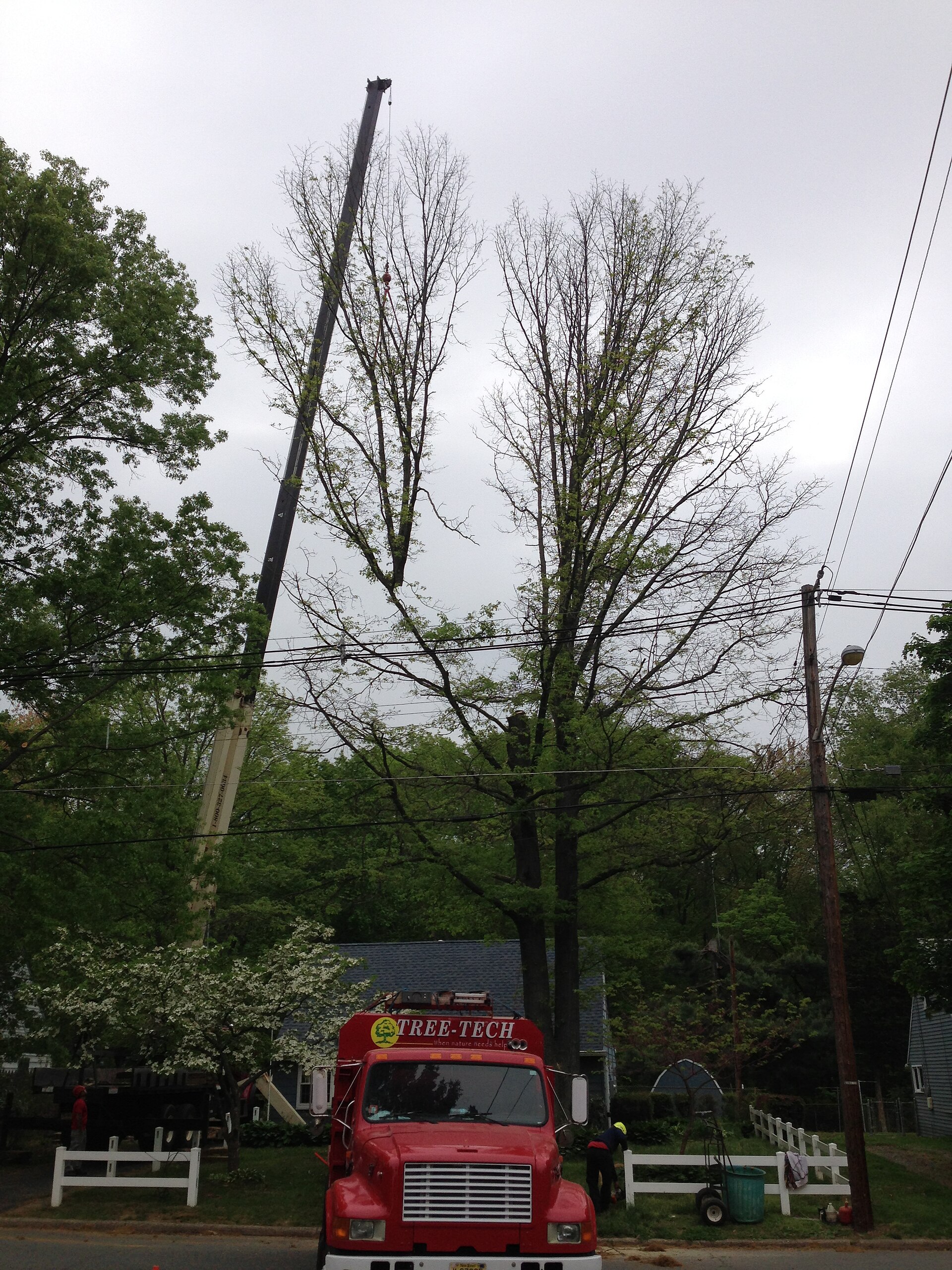
What you see
Leaf scorch occurs when a plant's leaves lose more water than they can absorb, often due to environmental factors such as high temperatures, strong winds, or inadequate watering. This condition is not caused by a pathogen but rather by abiotic stressors that affect the plant's ability to maintain adequate hydration. Unlike diseases caused by fungi or bacteria, leaf scorch does not spread from plant to plant. It is important to differentiate leaf scorch from similar symptoms caused by pests or diseases by examining the pattern and location of the damage. Scorched leaves typically show browning at the edges or tips, while the rest of the leaf may remain green. Addressing the underlying environmental conditions can help manage and prevent further damage.
Symptoms
- Scorched or crispy leaf edges
- Brown spots on leaves
- Wilting
- Leaf drop
Why it happens
Leaf scorch is primarily caused by environmental stressors such as insufficient water, excessive heat, or strong winds that lead to increased transpiration and water loss.
Conditions that favour it
- Prolonged drought conditions
- High temperatures
- Strong winds
- Poor soil water retention
- Inadequate watering practices
Plants most affected
- Maple
- Oak
- Dogwood
- Hydrangea
- Azalea
- Rhododendron
- Japanese Maple
- Birch
- Beech
- Holly
- Pine
- Spruce
How to correct it
Educational information only, and not a substitute for professional diagnosis. Identify the problem before treating it, and check that any product is registered for this plant and this use where you live.
Cultural control
- Increase watering during dry periods
- Apply mulch to retain soil moisture
- Provide shade during peak sunlight hours
- Improve soil drainage
- Ensure proper spacing for air circulation
Prevention
- Regularly monitor soil moisture levels
- Mulch around plants to conserve moisture
- Select drought-resistant plant varieties
- Water deeply and infrequently to encourage deep root growth
- Avoid overhead watering during peak sunlight hours
Sources
- University of California Agriculture and Natural Resources
- Penn State Extension
- Clemson Cooperative Extension