Root-bound plant
A root-bound plant is one where the roots have outgrown their container, becoming tangled and circling around the pot, which can lead to stunted growth and other issues.
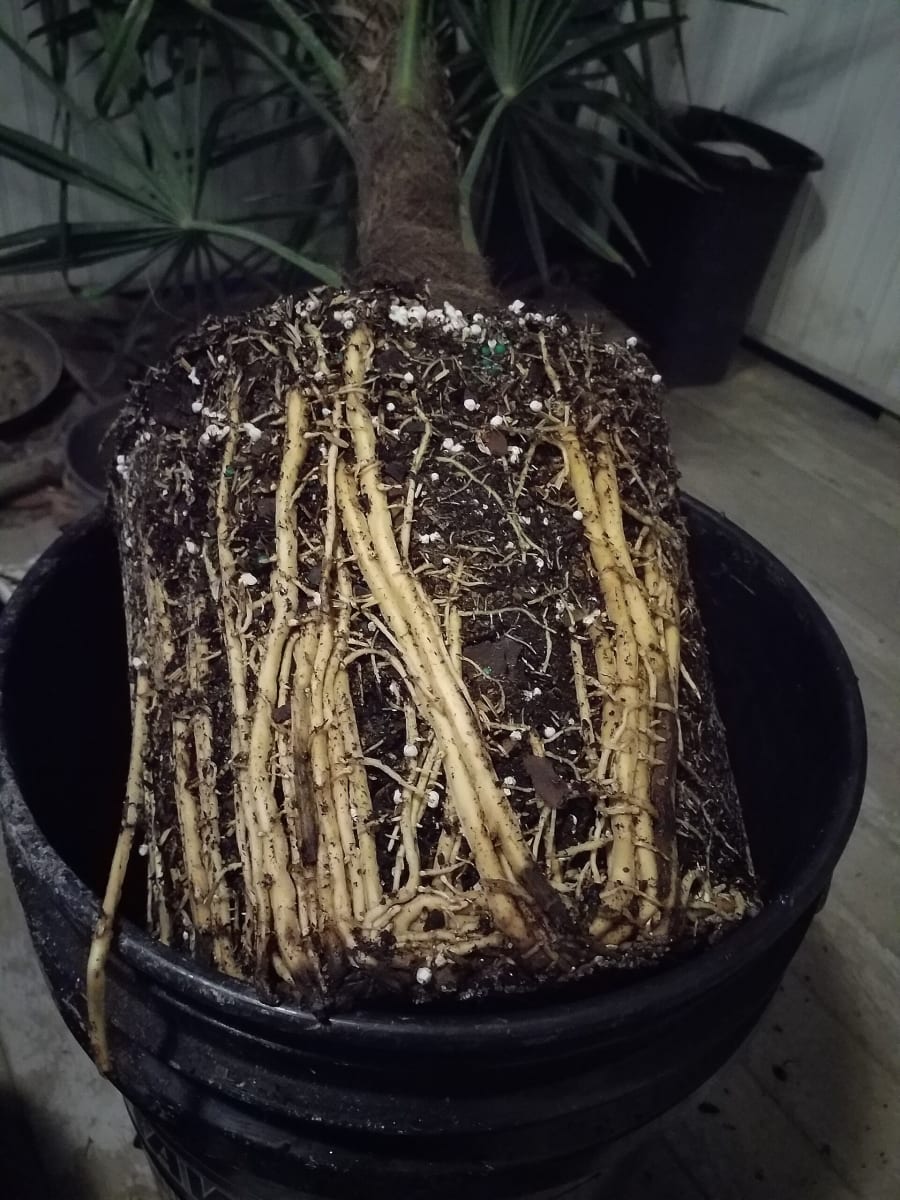
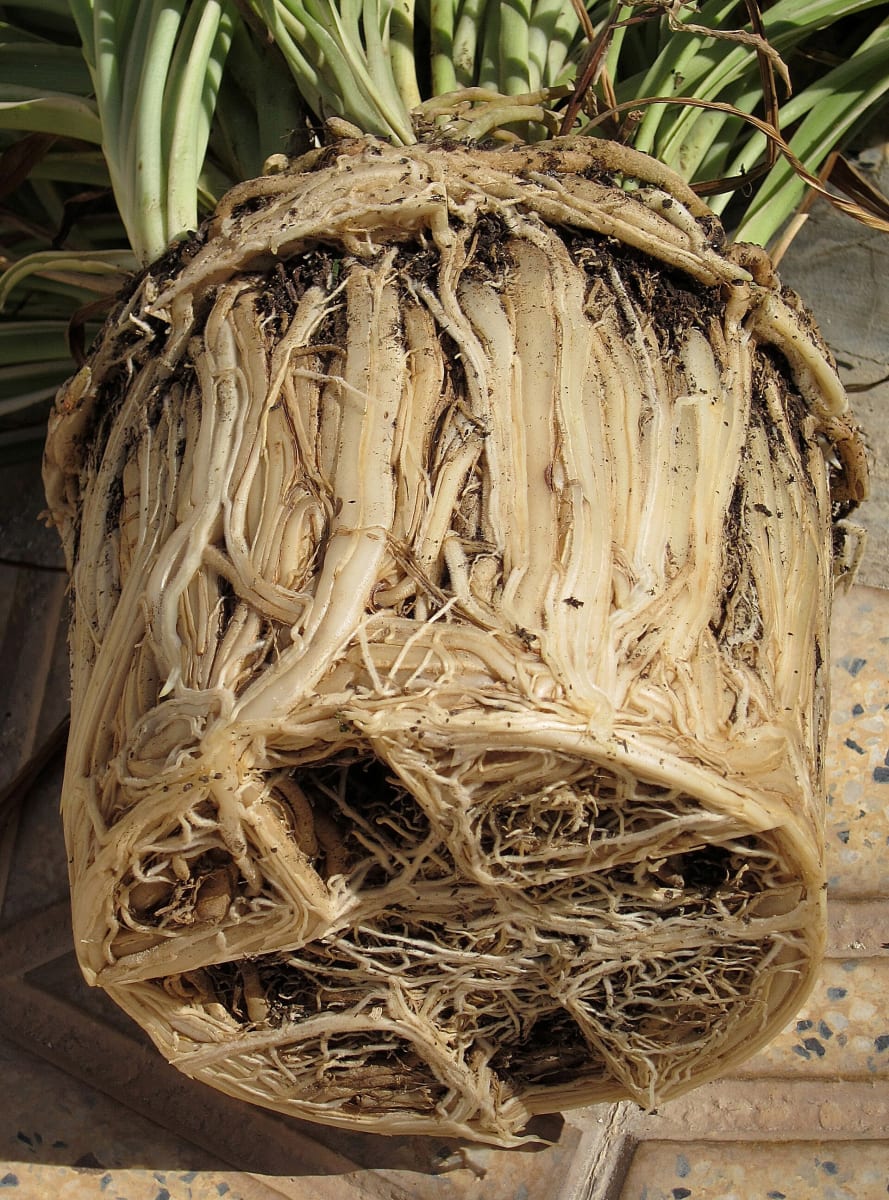
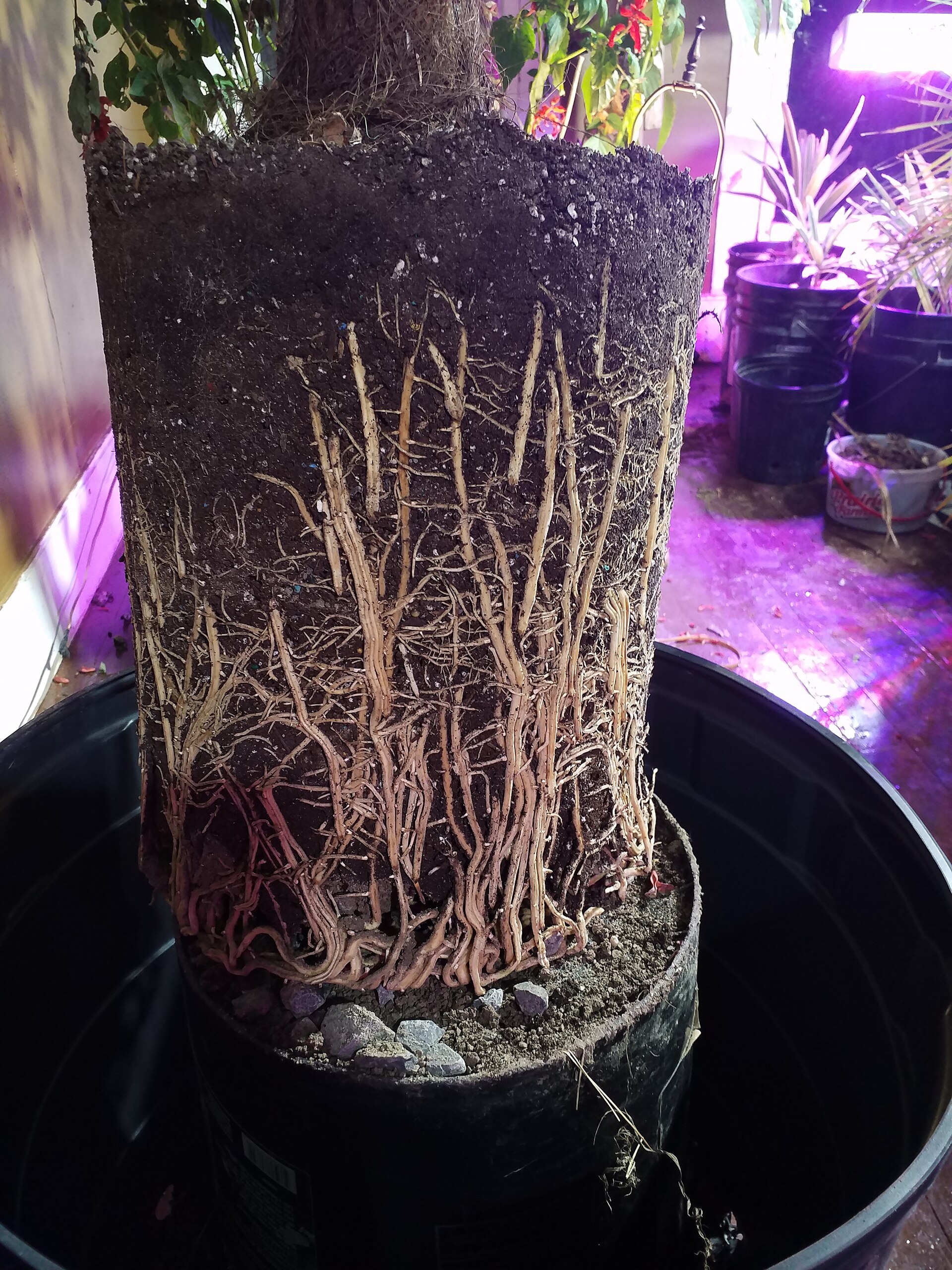
What you see
Root-bound plants occur when a plant's roots have filled the container and have no more room to grow. This condition is common in potted plants that have been in the same container for an extended period. As the roots grow, they begin to circle around the pot, becoming densely packed and often restricting the plant's ability to absorb water and nutrients effectively. This can lead to stunted growth, wilting, and yellowing leaves. Unlike diseases caused by pathogens, root-bound conditions are purely physical and can be resolved by repotting the plant into a larger container. Identifying a root-bound plant involves checking for roots growing out of the drainage holes or visible on the soil surface. The plant may also be difficult to remove from the pot due to the dense root mass. Addressing this issue by carefully loosening the roots and providing a larger growing space can help the plant recover and thrive.
Symptoms
- Stunted growth
- Wilting
- Yellowing leaves
- Roots growing out of drainage holes
Why it happens
The plant's roots have filled the container and have no more room to grow, restricting water and nutrient absorption.
Conditions that favour it
- Plant kept in the same pot for too long
- Inadequate pot size for plant growth
- High root growth rate
- Lack of regular repotting
- Poor soil drainage
Plants most affected
- Ficus
- Peace Lily
- Spider Plant
- Boston Fern
- Philodendron
- Rubber Plant
- Pothos
- Snake Plant
- Aloe Vera
- Jade Plant
How to correct it
Educational information only, and not a substitute for professional diagnosis. Identify the problem before treating it, and check that any product is registered for this plant and this use where you live.
Cultural control
- Repot the plant into a larger container
- Gently loosen the root ball before repotting
- Ensure the new pot has adequate drainage
- Trim back excessive roots if necessary
Prevention
- Regularly check plants for root growth
- Repot plants every few years
- Choose appropriately sized pots
- Ensure good drainage in pots
- Monitor plant growth and adjust care as needed
Sources
- University of Minnesota Extension
- Royal Horticultural Society
- Clemson Cooperative Extension