Herbicide damage
Herbicide damage occurs when non-target plants are inadvertently affected by herbicides, leading to symptoms like distorted growth and leaf discoloration.
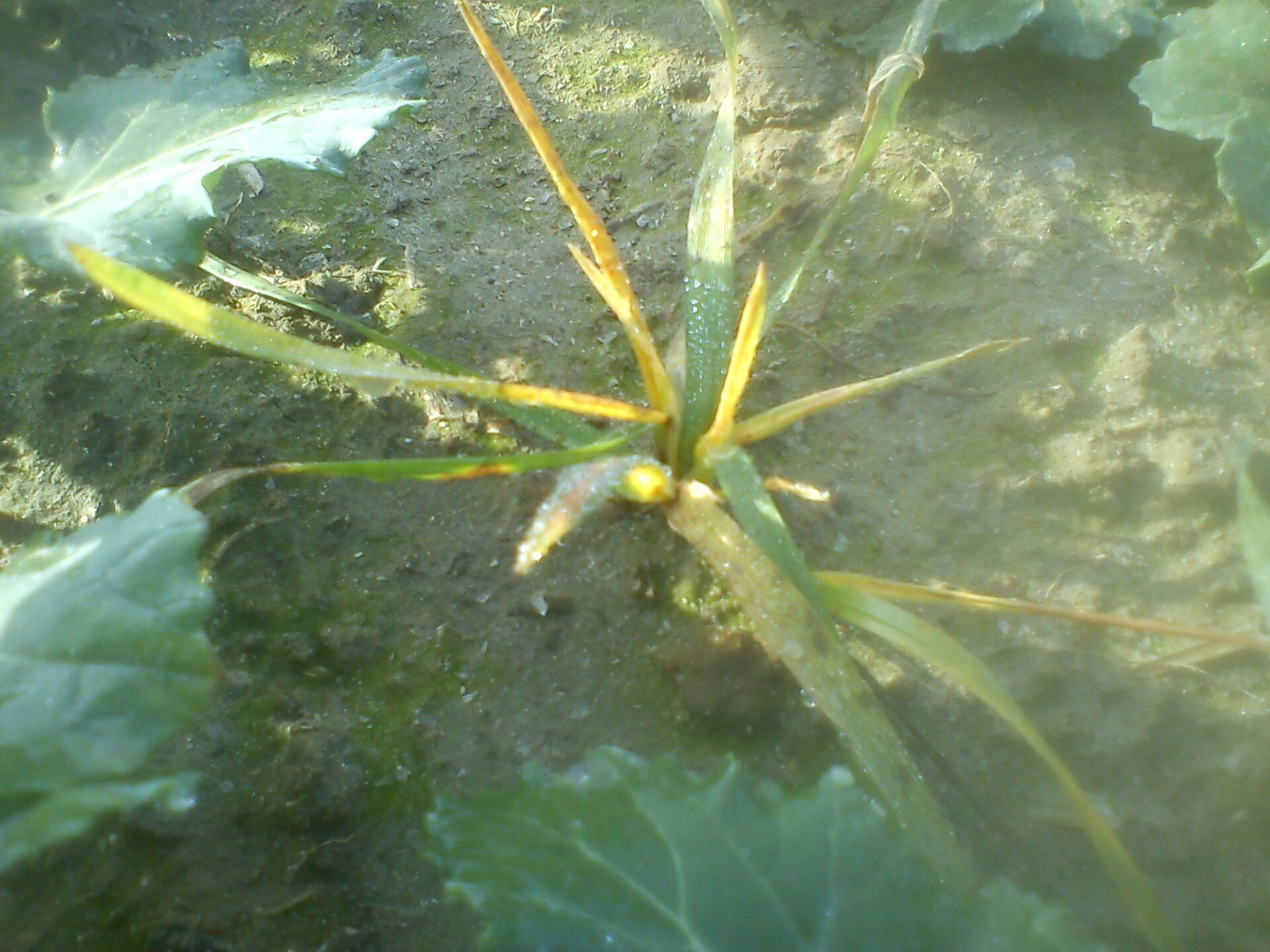
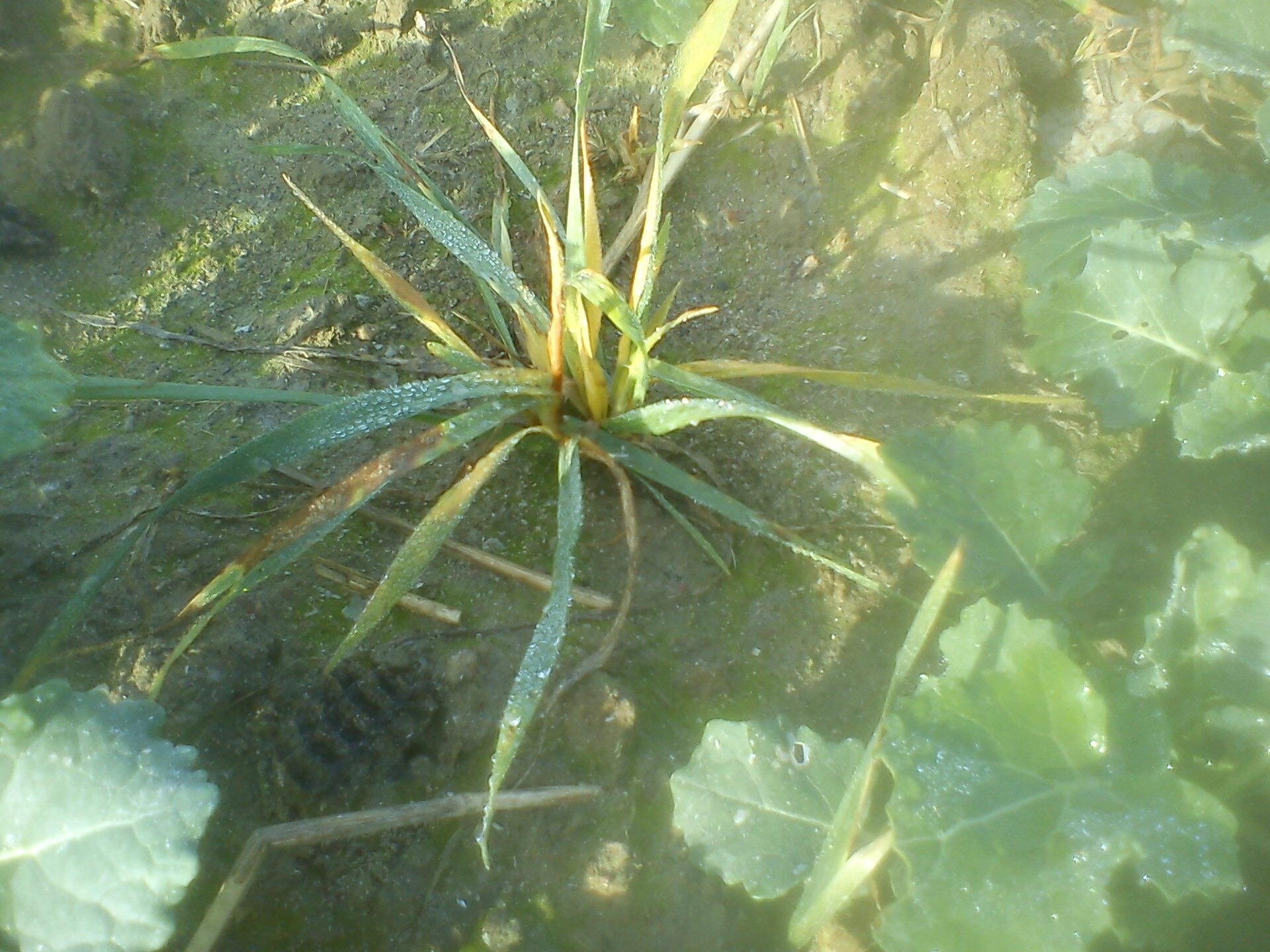
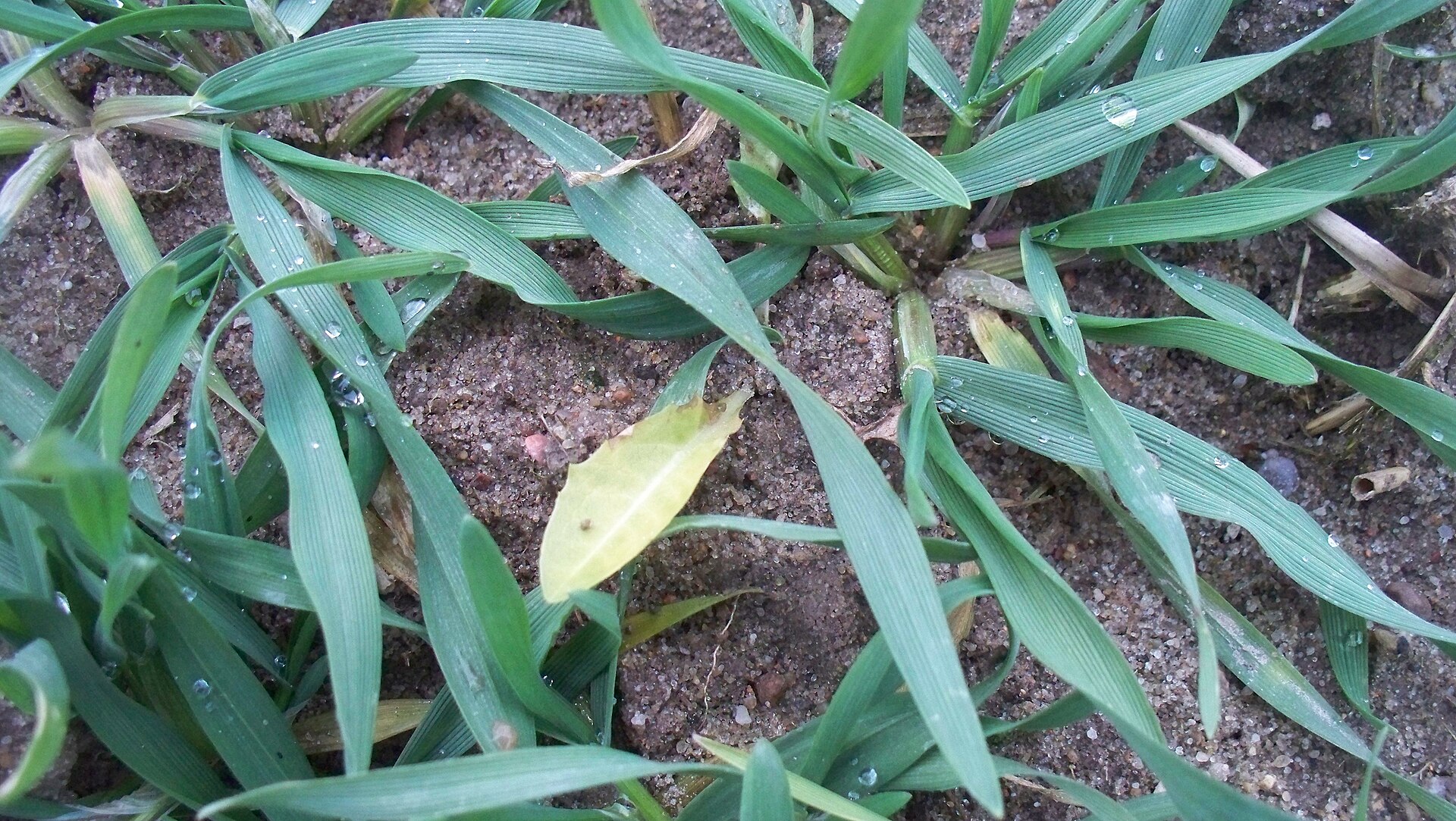
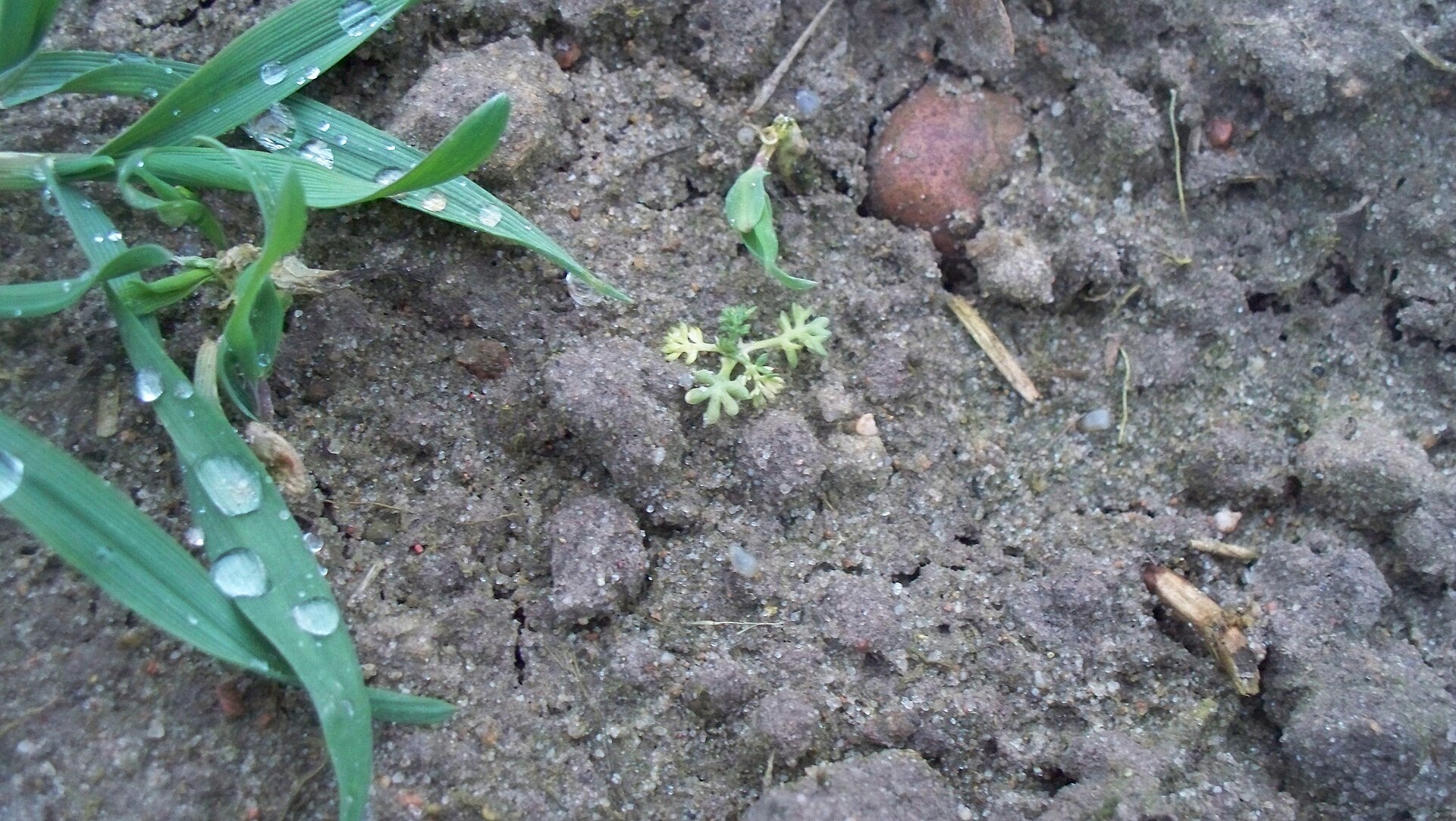
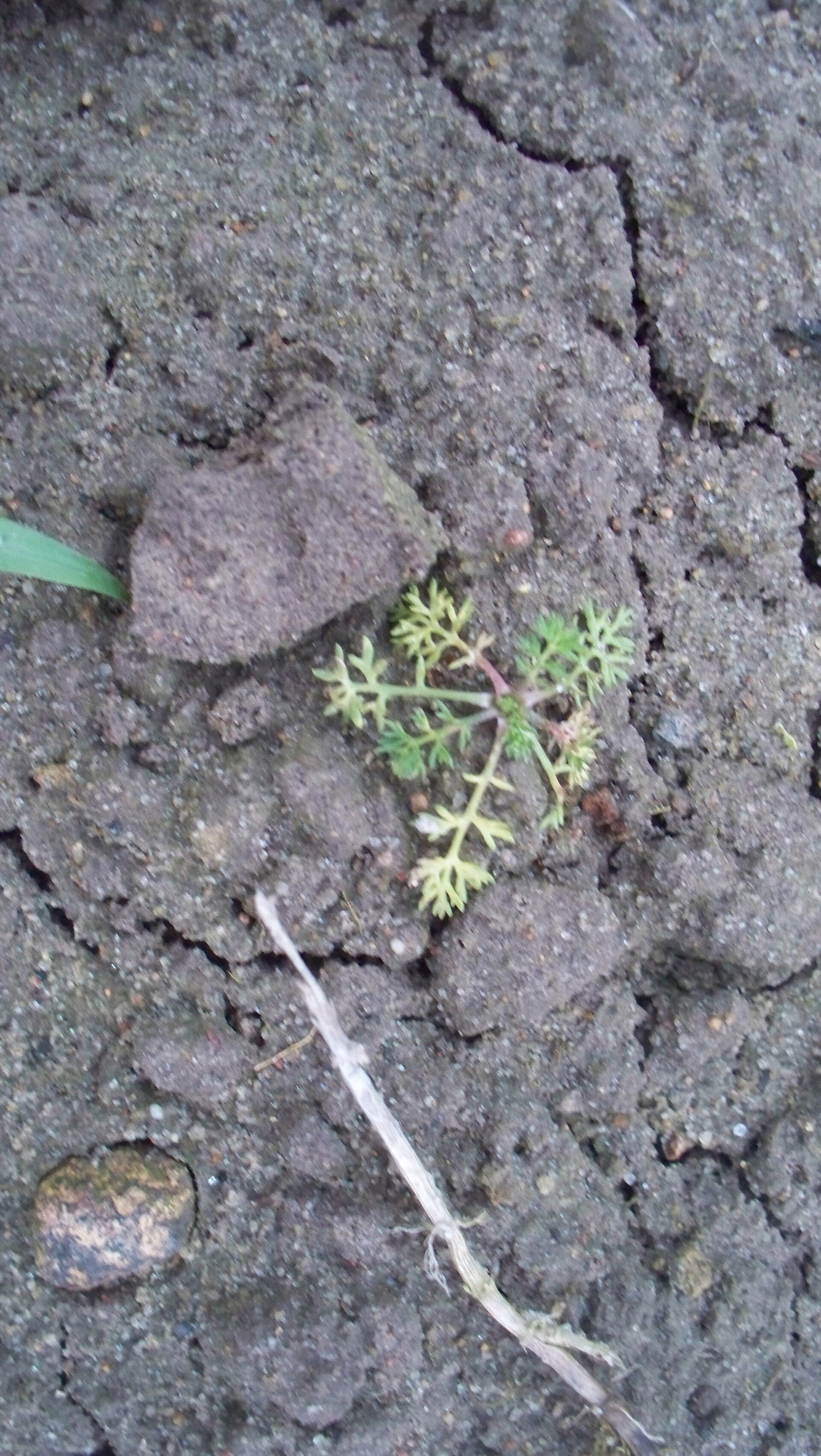
What you see
Herbicide damage is an abiotic disorder that results from the exposure of non-target plants to herbicides. This can happen through drift, volatilization, or accidental application. The chemicals in herbicides can interfere with plant growth hormones, leading to a range of symptoms that can be mistaken for disease. Unlike diseases caused by pathogens, herbicide damage does not spread from plant to plant. Identifying herbicide damage involves looking for patterns of injury consistent with chemical exposure, such as uniform symptoms across affected areas or plants. The extent of damage depends on the type of herbicide, concentration, and the plant's sensitivity.
Symptoms
- Distorted or twisted leaves
- Yellowing or browning of leaf edges
- Stunted growth
- Leaf drop
Why it happens
Exposure to herbicides, either through drift, volatilization, or accidental contact.
Conditions that favour it
- Proximity to areas where herbicides are applied
- Windy conditions during herbicide application
- Use of herbicides in high temperatures
- Incorrect herbicide application rates
- Use of herbicides not labeled for the plant species
Plants most affected
- Tomato
- Pepper
- Grape
- Rose
- Oak
- Maple
- Bean
- Cucumber
- Petunia
- Zinnia
How to correct it
Educational information only, and not a substitute for professional diagnosis. Identify the problem before treating it, and check that any product is registered for this plant and this use where you live.
Cultural control
- Provide adequate water to support recovery
- Prune damaged foliage to encourage new growth
- Ensure proper spacing for air circulation
- Avoid further herbicide exposure
- Monitor for recovery and adjust care as needed
Prevention
- Apply herbicides carefully and according to label instructions
- Avoid spraying on windy days
- Use physical barriers to protect sensitive plants
- Select herbicides that are less prone to drift
- Educate applicators on proper techniques