Blossom end rot
Blossom end rot is a common disorder in tomatoes, peppers, and squash, characterized by a dark, sunken spot at the blossom end of the fruit. It is caused by a calcium deficiency in the developing fruit, often due to inconsistent watering or rapid plant growth.
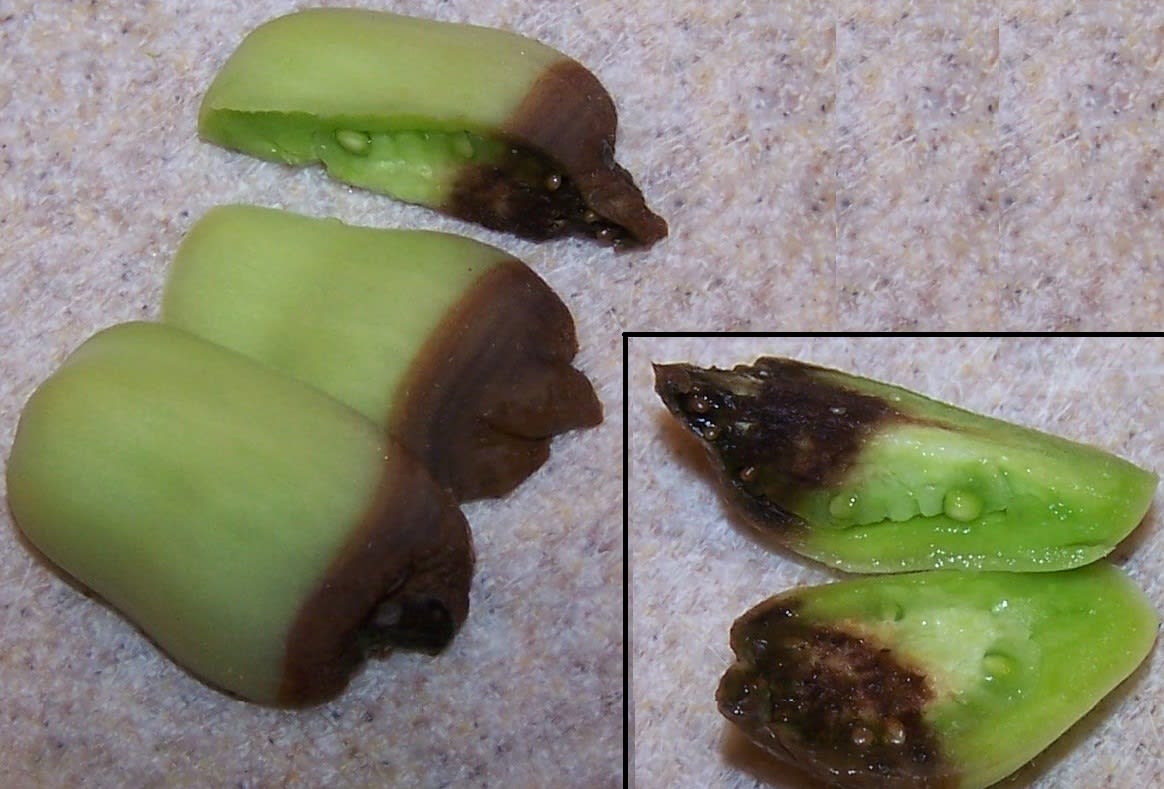
What you see
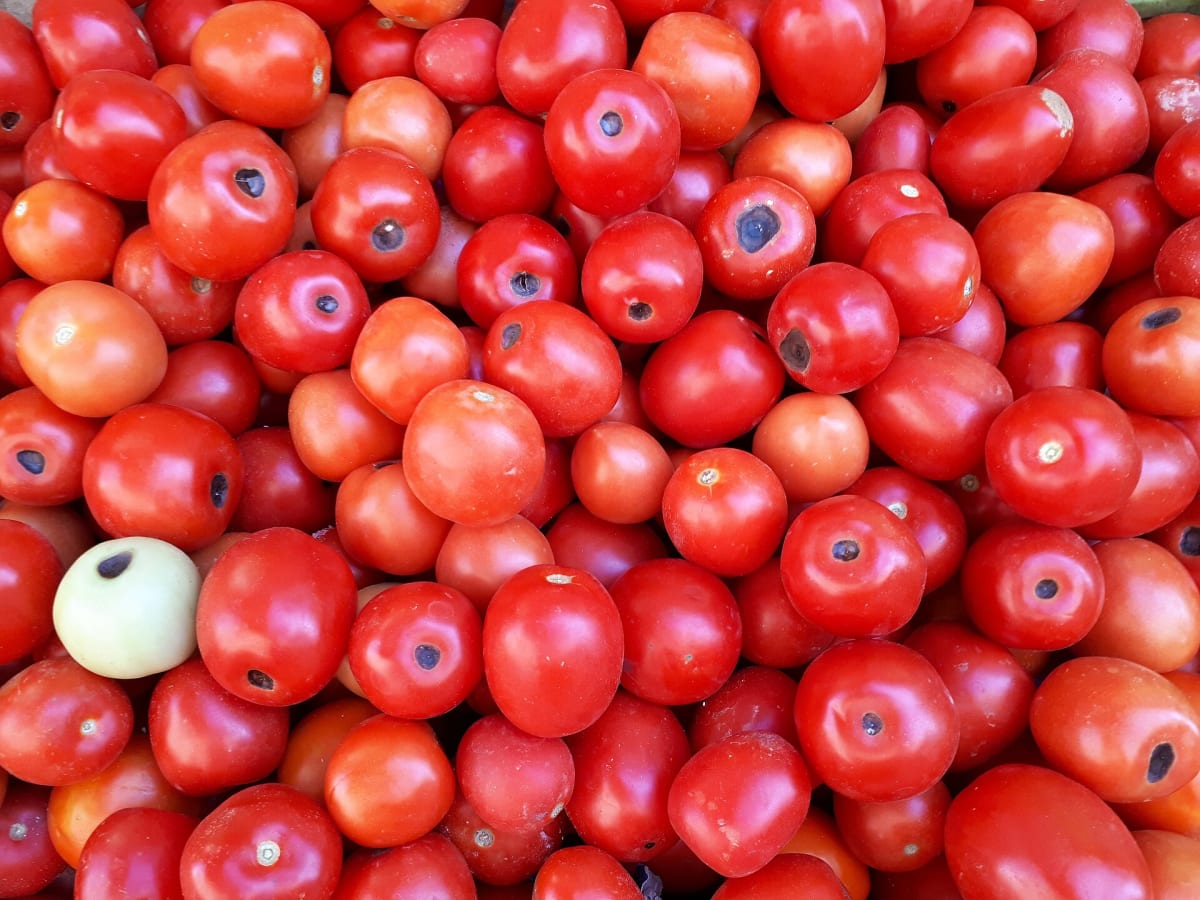
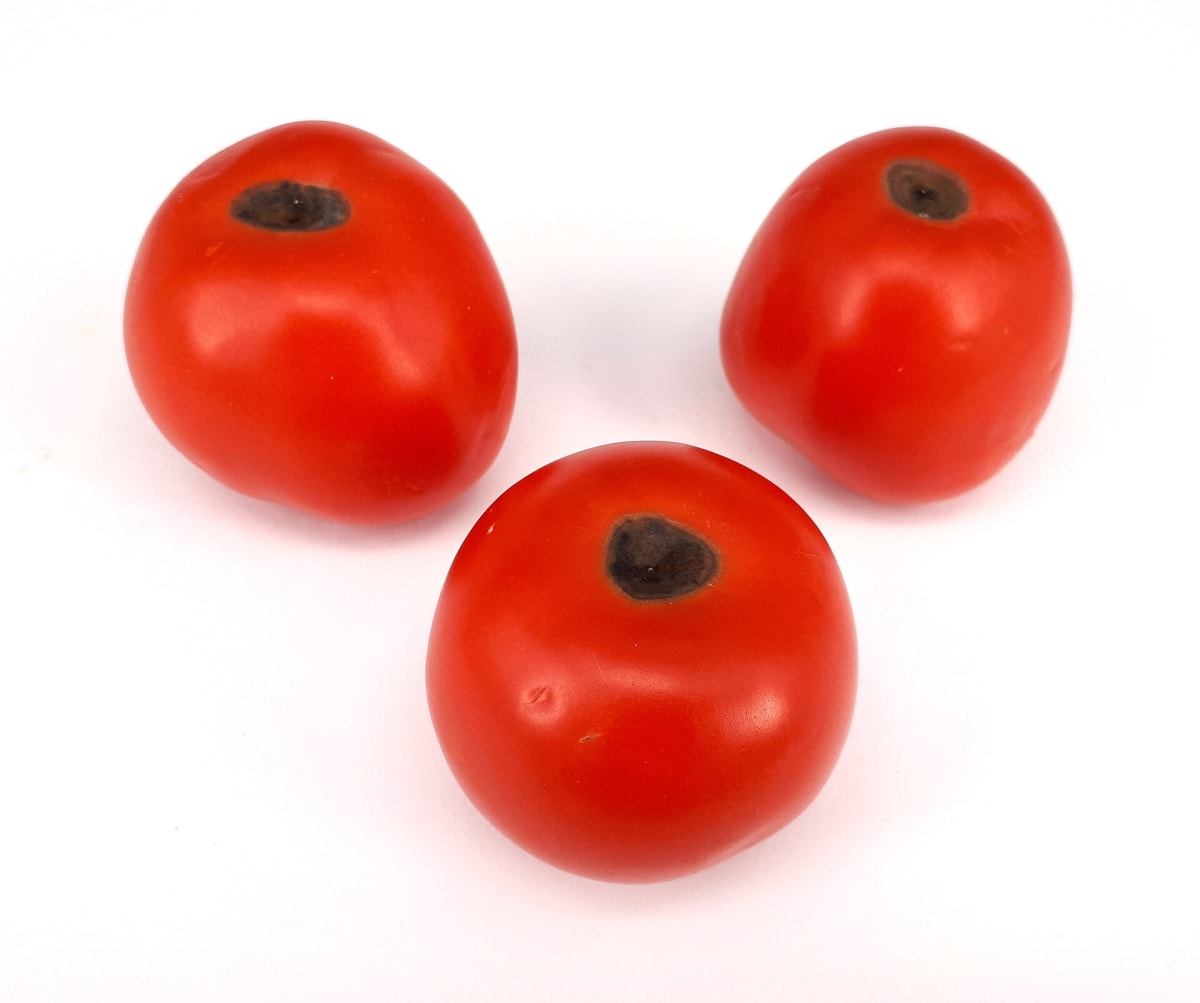
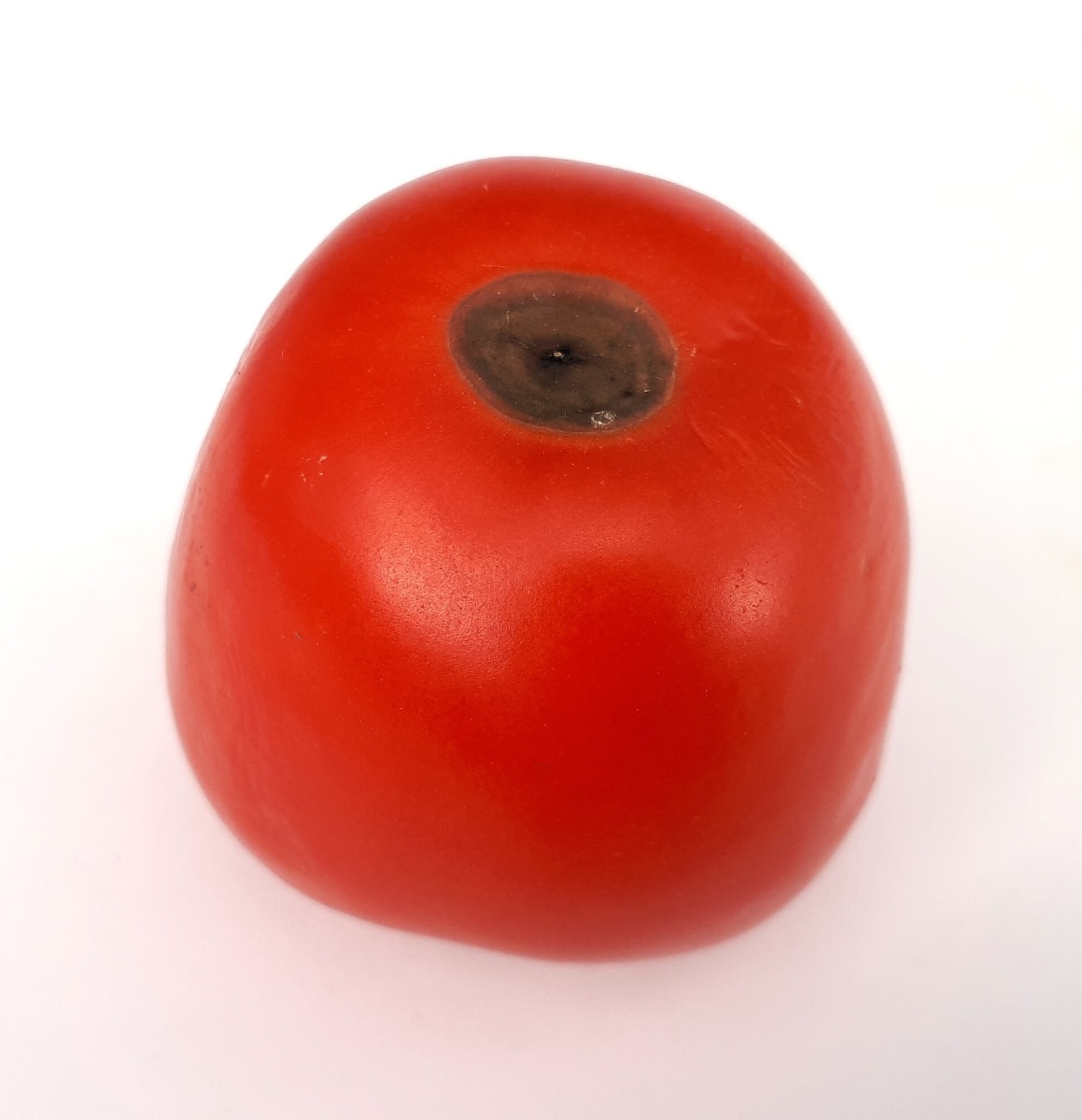
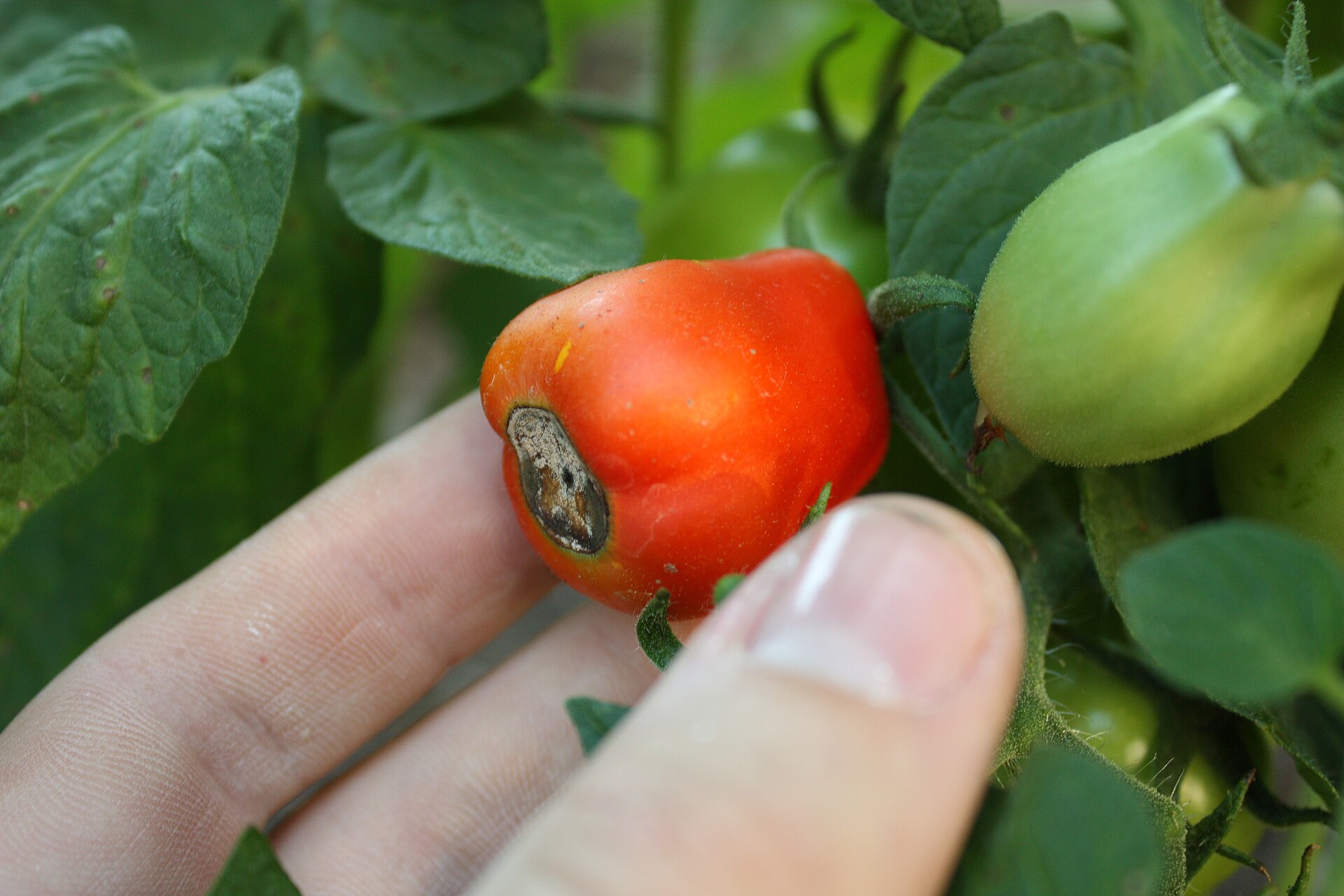
Blossom end rot is a physiological disorder affecting the fruit of certain plants, most notably tomatoes, peppers, and squash. It manifests as a dark, sunken lesion at the blossom end of the fruit, which can enlarge and become leathery over time. This condition is primarily caused by a calcium deficiency in the fruit, which is often the result of irregular watering practices or rapid plant growth that outpaces calcium uptake. Unlike diseases caused by pathogens, blossom end rot is not contagious and does not spread from plant to plant. It is important to differentiate it from fungal or bacterial infections, which may present with similar symptoms but are typically accompanied by other signs of infection such as mold or a foul odor.
Symptoms
- Dark, sunken spots on the blossom end of fruit
- Lesions that enlarge and become leathery
- Affected fruit may be smaller than normal
- Fruit may develop secondary mold growth
Why it happens
The underlying cause of blossom end rot is a calcium deficiency in the developing fruit, often exacerbated by inconsistent watering practices or rapid plant growth.
Conditions that favour it
- Inconsistent watering
- Rapid plant growth
- High nitrogen levels in soil
- Drought stress
- Excessive soil salinity
Plants most affected
- Tomato
- Pepper
- Squash
- Eggplant
- Watermelon
- Cucumber
How to correct it
Educational information only, and not a substitute for professional diagnosis. Identify the problem before treating it, and check that any product is registered for this plant and this use where you live.
Cultural control
- Ensure consistent watering
- Mulch to retain soil moisture
- Avoid excessive nitrogen fertilization
- Improve soil drainage
- Monitor and adjust soil pH
Organic options
- Calcium-rich amendments
Prevention
- Maintain consistent soil moisture
- Use mulch to conserve water
- Test soil regularly for nutrient levels
- Avoid over-fertilizing with nitrogen
- Select varieties resistant to blossom end rot
Sources
- University of California Agriculture and Natural Resources
- Clemson Cooperative Extension
- University of Minnesota Extension