Silkworm Thorn
Maclura Tricuspidata

Medicinal Facts
Maclura tricuspidata, commonly known as Silkworm Thorn, is a plant rich in flavonoids such as morusin and kuwanon G, which are primarily responsible for its medicinal properties. This plant sits at the intersection of traditional East Asian medicine, where it is used for inflammatory and metabolic disorders, and modern pharmacological research focused on its anti-cancer and anti-diabetic potential. Its diverse bioactive profile also includes xanthones and stilbenes, which contribute to its broad therapeutic applications. Notably, its flavonoids are studied for their ability to modulate key signaling pathways involved in inflammation and cellular metabolism.
What it helps with
Inflammation & immune modulation
Morusin, a prominent flavonoid in Maclura tricuspidata, inhibits the NF-kB pathway, reducing the expression of pro-inflammatory cytokines such as TNF-a and IL-6. This action is supported by in vitro and animal studies, suggesting its potential in managing chronic inflammatory conditions.
Diabetes & metabolic syndrome
Kuwanon G has been shown to enhance insulin sensitivity through the activation of the AMPK pathway, which improves glucose uptake in muscle cells. Animal studies demonstrate its ability to lower blood glucose levels and improve lipid profiles, making it a candidate for managing metabolic disorders.
Cancer research
Morusin exhibits anti-cancer properties by inducing apoptosis in cancer cells through the modulation of the PI3K/Akt and MAPK signaling pathways. Preclinical studies highlight its potential against various cancer cell lines, although human data are still forthcoming.
Cardiovascular health
The flavonoids in Maclura tricuspidata, particularly morusin, enhance endothelial function by upregulating eNOS, leading to improved vasodilation. This mechanism is supported by animal studies that show reduced blood pressure and improved vascular health.
Antimicrobial activity
Compounds such as kuwanon G exhibit antimicrobial activity by disrupting bacterial cell membranes and inhibiting the growth of pathogens. This is primarily supported by in vitro studies, indicating potential use in treating infections.
Neuroprotection
Morusin and other flavonoids in Maclura tricuspidata may offer neuroprotective effects by reducing oxidative stress and neuroinflammation. They modulate the Nrf2 pathway, enhancing the expression of antioxidant enzymes, as shown in preclinical models.
Liver protection
The xanthones in Maclura tricuspidata activate the Nrf2 pathway, leading to increased expression of detoxifying enzymes and protection against hepatotoxicity. Animal studies suggest its potential in supporting liver health and preventing damage from toxins.
Skin health & wound healing
Flavonoids like morusin promote collagen synthesis and modulate TGF-beta signaling, aiding in wound healing and skin regeneration. Traditional uses align with these findings, although clinical evidence is limited.
Key active compounds
Morusin
A flavonoid that inhibits the NF-kB and PI3K/Akt pathways, reducing inflammation and inducing apoptosis in cancer cells. It also enhances endothelial function by upregulating eNOS.
Kuwanon G
A flavonoid with antimicrobial properties that disrupts bacterial cell membranes. It also activates the AMPK pathway, improving insulin sensitivity and glucose uptake.
Xanthones
These compounds activate the Nrf2 pathway, enhancing detoxification and providing antioxidant protection, particularly in liver and neuroprotection contexts.
Stilbenes
Compounds that contribute to the plant's antioxidant capacity, potentially modulating oxidative stress-related pathways.
Flavonoids
A broad class of compounds in Maclura tricuspidata that modulate inflammatory and metabolic pathways, contributing to its diverse therapeutic effects.
Isoflavones
These compounds may contribute to the plant's estrogenic activity, influencing hormonal balance and potentially supporting bone health.
Polysaccharides
Bioactive components that may enhance immune function and exhibit prebiotic effects, supporting gut health and systemic immunity.
What the research says
Research on Maclura tricuspidata is robust in preclinical settings, particularly focusing on its anti-inflammatory and anti-cancer properties. Morusin and kuwanon G have shown significant activity in vitro and in animal models, with morusin being the most studied for its anti-inflammatory and endothelial benefits. Human clinical trials are limited, but the plant's traditional use supports its safety and efficacy in chronic conditions. The main limitation is bioavailability, as many of its active compounds have poor absorption; however, formulation strategies such as nanoparticle delivery and co-administration with bioavailability enhancers are being explored to overcome this hurdle.
Typical dosage
For decoctions, use 10-15 grams of dried fruit or leaves per 500 ml of water, simmer for 20-30 minutes, and consume 1-2 cups daily. Tinctures can be taken at a dosage of 1-2 ml up to three times a day. Capsules and powders should be used according to manufacturer instructions, typically 500 mg to 1 g per day. Always start with the lowest dose to assess tolerance.
About Silkworm Thorn
Traditional Use
Preparations & Dosage
Preparations
- Decoction: Use 10-15 grams of dried fruit or leaves per 500 ml of water. Bring to a boil, then simmer for 20-30 minutes. Strain and consume 1-2 cups daily.
- Tincture: Combine dried plant material with alcohol in a 1:5 ratio. Let it steep for 4-6 weeks, shaking occasionally. Strain and store in a dark bottle.
- Capsule: Use standardized extract in capsule form as per manufacturer's instructions, typically 500 mg to 1 g daily.
Interactions & Warnings
Use with caution
Maclura tricuspidata should be used with caution, especially in individuals with known allergies to plants in the Moraceae family. Pregnant and breastfeeding women should avoid its use due to insufficient safety data. Always consult a healthcare provider before use.
Herb Interactions
Both have blood-thinning properties, which may increase bleeding risk when combined.
Community Plants
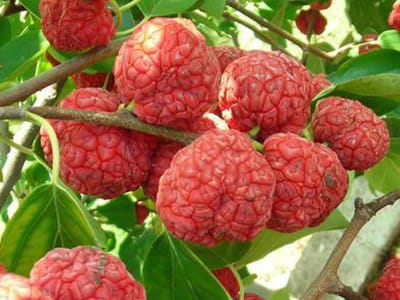
Real plants of this species grown and shared by the MyFloralVault community.
More in Immune Support





Was this helpful?
0 · 0