Reishi
Ganoderma Lingzhi
Medicinal Facts
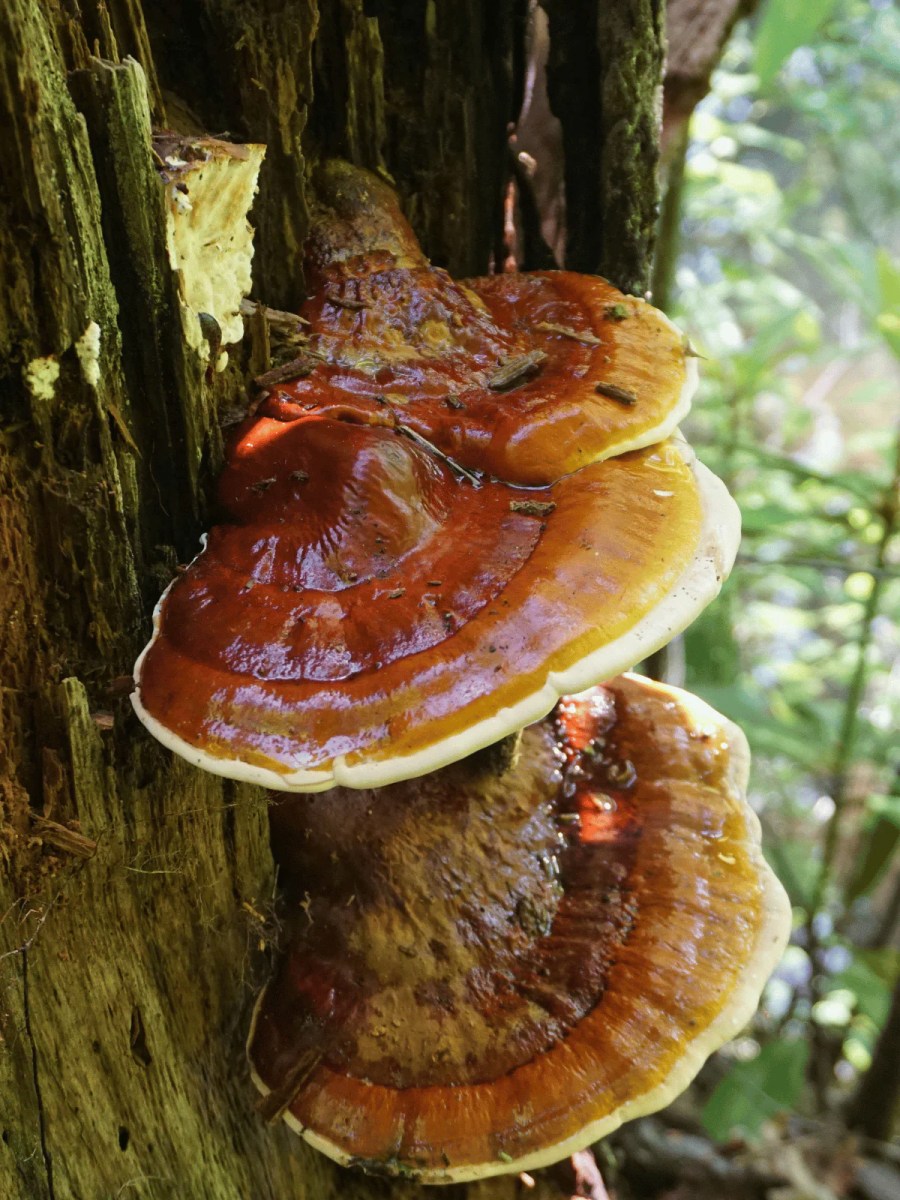
Ganoderma lingzhi, commonly known as Reishi, is renowned for its triterpenoids and polysaccharides, which are primarily responsible for its medicinal properties. It sits at the intersection of traditional Chinese medicine, where it is revered as the 'mushroom of immortality' for longevity and vitality, and modern immunological research, which explores its role in modulating immune responses and reducing inflammation. The active compounds are studied for their effects on immune modulation, anti-inflammatory pathways, and potential anti-cancer properties. Despite its historical use, modern research is still elucidating the precise mechanisms and clinical applications of these compounds.
What it helps with
Immune system modulation
Reishi polysaccharides, particularly beta-glucans, enhance immune function by activating macrophages and dendritic cells and stimulating cytokine production. They also modulate the activity of natural killer cells and T lymphocytes, enhancing the body's defense mechanisms. This immunomodulatory effect is supported by both traditional use and preclinical studies, with emerging evidence from human trials.
Chronic inflammation
Triterpenoids in Reishi, such as ganoderic acids, inhibit the NF-kB signaling pathway, reducing the production of pro-inflammatory cytokines like TNF-a and IL-6. This action is supported by in vitro and animal studies, highlighting Reishi's potential in managing inflammatory conditions.
Liver health
Ganoderic acids have hepatoprotective effects, possibly through the modulation of cytochrome P450 enzymes and the enhancement of antioxidant defenses via the Nrf2 pathway. Animal studies suggest these compounds help protect against liver damage and improve liver function.
Cardiovascular health
Reishi's triterpenoids may support cardiovascular health by modulating cholesterol synthesis and absorption, partly through the inhibition of HMG-CoA reductase. Animal studies indicate potential benefits in reducing LDL cholesterol and improving lipid profiles.
Cancer support
Reishi is traditionally used as an adjunct in cancer therapy. Its triterpenoids induce apoptosis and inhibit angiogenesis through pathways such as PI3K/Akt and MAPK. While in vitro and animal studies are promising, human clinical evidence is still developing.
Neuroprotection
Reishi's polysaccharides and triterpenoids may exert neuroprotective effects by reducing oxidative stress and neuroinflammation, possibly through the modulation of Nrf2 and NF-kB pathways. Preliminary studies suggest potential benefits in neurodegenerative diseases.
Longevity & cellular aging
Reishi is traditionally associated with longevity, with modern research suggesting its polysaccharides may activate sirtuin pathways like SIRT1, enhancing mitochondrial function and cellular resilience. This is an area of active research, with evidence primarily from preclinical models.
Key active compounds
Ganoderic acids
A group of triterpenoids that modulate immune responses and inhibit inflammatory pathways, notably NF-kB. They also have potential hepatoprotective and anti-cancer properties.
Beta-glucans
Polysaccharides that enhance immune function by activating macrophages and other immune cells, promoting cytokine production. They are key to Reishi's immunomodulatory effects.
Ganoderans
A type of polysaccharide with hypoglycemic effects, possibly through modulation of insulin signaling and glucose metabolism.
Lucidenic acids
Triterpenoids with potential anti-inflammatory and anti-cancer activities, contributing to Reishi's overall therapeutic profile.
Ergosterol
A sterol precursor to vitamin D2, with potential antioxidant and anti-inflammatory effects, supporting Reishi's health benefits.
Peptidoglycans
Compounds that may contribute to immune modulation and anti-inflammatory effects, although their precise mechanisms are less well-defined compared to other components.
Triterpenoids
A broad class of compounds in Reishi that includes ganoderic and lucidenic acids, known for their diverse biological activities, including anti-inflammatory and anti-cancer effects.
What the research says
Research on Ganoderma lingzhi spans its immunomodulatory, anti-inflammatory, and potential anti-cancer properties. Beta-glucans are well-supported by preclinical and some human studies for immune enhancement, while ganoderic acids are primarily studied in vitro and in animal models for their anti-inflammatory and hepatoprotective effects. The strongest evidence in humans is for immune modulation, with clinical trials showing enhanced immune cell activity. However, limitations include variability in bioactive compound concentrations across different extracts and formulations. Standardization and bioavailability enhancement are key areas of ongoing research to improve consistency and efficacy in clinical applications.
Typical dosage
For tea or infusion, use 1-2 teaspoons of dried Reishi slices per cup of water, simmer for 30-60 minutes, and drink 1-2 cups daily. For tinctures, take 1-2 ml up to three times a day. Capsules and powders typically recommend 1-2 grams daily, but follow specific product instructions. Always start with a lower dose to assess tolerance.
About Reishi
Traditional Use
Preparations & Dosage
Preparations
- Tea / Infusion: Use 1-2 teaspoons of dried Reishi slices per cup of water. Simmer for 30-60 minutes. Strain and drink warm. Add honey or lemon for taste if desired.
- Tincture: Use a dropper to take 1-2 ml of Reishi tincture up to three times a day. Can be added to water or juice.
- Capsule: Take 1-2 capsules daily with meals. Follow specific product instructions for dosage.
- Powder: Mix 1-2 grams of Reishi powder into smoothies, teas, or soups. Adjust dosage based on product recommendations.
- Extract: Use as directed on the product label, typically 1-2 ml daily. Can be added to beverages.
Interactions & Warnings
Use with caution
Reishi is generally safe for most people when used appropriately, but it may cause side effects such as dry mouth, throat, or nasal passages. People with bleeding disorders or those taking anticoagulants should avoid it due to its potential blood-thinning effects. Pregnant or breastfeeding women should consult a healthcare provider before use.
Herb Interactions
Both have blood-thinning properties, which may increase bleeding risk when combined.
Community Plants
Real plants of this species grown and shared by the MyFloralVault community.

More in Immune Support





Was this helpful?
0 · 0
Care Guide Available
Learn how to grow and care for Reishi at home