Black Cumin
Nigella Sativa

Medicinal Facts
Nigella sativa, commonly known as black cumin, is renowned for its active compound thymoquinone, which is at the heart of its therapeutic profile. It stands at the intersection of Unani and Ayurvedic traditional systems, where it is revered for its broad health benefits, and modern pharmacological research, which focuses on its anti-inflammatory, antioxidant, and immunomodulatory properties. Thymoquinone's multifaceted mechanisms, including the modulation of NF-kB and Nrf2 pathways, make it a subject of interest in chronic disease management. Despite its promise, the bioavailability of thymoquinone remains a significant challenge, often necessitating innovative delivery systems.
What it helps with
Inflammatory disorders
Thymoquinone inhibits the NF-kB signaling pathway, reducing the expression of pro-inflammatory cytokines such as TNF-a, IL-1b, and IL-6. This action helps mitigate inflammatory responses, as evidenced in both animal models and human trials, particularly for conditions like rheumatoid arthritis and asthma.
Asthma & respiratory health
Nigella sativa's thymoquinone acts as a bronchodilator by modulating leukotriene pathways and reducing eosinophilic inflammation. Human trials have demonstrated its efficacy in improving pulmonary function and reducing asthma symptoms, highlighting its potential as an adjunct therapy.
Metabolic syndrome
Thymoquinone activates AMP-activated protein kinase (AMPK), which enhances insulin sensitivity and reduces hepatic gluconeogenesis. Studies in animal models and small human trials suggest benefits in managing blood glucose levels and lipid profiles, offering a complementary approach to metabolic syndrome management.
Neuroprotection
Thymoquinone crosses the blood-brain barrier and exerts neuroprotective effects by modulating oxidative stress and neuroinflammation through Nrf2 pathway activation. Preclinical studies indicate its potential in reducing neurodegenerative processes, though human data are still emerging.
Cancer-adjunct research
In vitro and animal studies show that thymoquinone induces apoptosis and inhibits angiogenesis in various cancer cell lines by modulating pathways such as PI3K/Akt and STAT3. While promising, clinical evidence is limited, and it is primarily considered an adjunctive research area.
Immune modulation
Thymoquinone enhances immune function by modulating T-cell proliferation and cytokine production. It is traditionally used to support immune health, with modern studies suggesting potential benefits in autoimmune conditions, though more robust human trials are needed.
Gastrointestinal health
Nigella sativa exerts gastroprotective effects, likely through thymoquinone's ability to reduce gastric acid secretion and enhance mucosal defense. Animal studies support its use in peptic ulcer prevention, with traditional use aligning with these findings.
Key active compounds
Thymoquinone
A quinone compound that inhibits NF-kB and activates Nrf2, providing anti-inflammatory and antioxidant effects. Its bioavailability is limited, prompting research into nanoformulations and other delivery methods.
Nigellone
A carbonyl compound that contributes to the bronchodilatory effects of black cumin by modulating calcium ion channels.
Alpha-hederin
A saponin with potential cytotoxic effects against cancer cells, enhancing thymoquinone's anticancer properties through synergistic action.
Thymohydroquinone
An active metabolite of thymoquinone, reinforcing its antioxidant and anti-inflammatory actions by scavenging free radicals.
Carvacrol
A monoterpenoid phenol that exhibits antimicrobial properties, contributing to the overall antimicrobial profile of Nigella sativa.
P-cymene
A monoterpene that provides anti-inflammatory effects by modulating the release of inflammatory mediators.
Beta-sitosterol
A phytosterol that may support cholesterol management by inhibiting intestinal absorption of cholesterol.
What the research says
Research on Nigella sativa is robust in the areas of inflammation and respiratory health, with thymoquinone showing the strongest evidence in human trials for asthma and inflammatory disorders. The metabolic and neuroprotective benefits are primarily supported by animal studies, with emerging human data suggesting potential applications. The main limitation across these studies is the poor bioavailability of thymoquinone, which is being addressed through the development of nanoemulsions and other advanced delivery systems to enhance its therapeutic potential.
Typical dosage
For oil, take 1 teaspoon daily, preferably with food. Capsules typically contain 500 mg to 1000 mg of black cumin seed oil, taken once or twice daily. For powder, mix 1-2 grams into food or beverages daily. When preparing tea, steep 1 teaspoon of seeds in hot water for 10-15 minutes, and consume up to twice daily. Tinctures are usually taken in doses of 1-2 ml, up to three times a day.
About Black Cumin
Traditional Use
Preparations & Dosage
Preparations
- Oil: Consume 1 teaspoon of black cumin seed oil daily, preferably with food to enhance absorption. It can also be mixed into smoothies or salad dressings.
- Capsule: Take 1-2 capsules (500-1000 mg each) daily with water, preferably with meals.
- Tea / Infusion: Steep 1 teaspoon of black cumin seeds in 1 cup of boiling water for 10-15 minutes. Strain and drink warm, optionally sweetened with honey.
Interactions & Warnings
Use with caution
Nigella sativa is generally safe for most people when used in small amounts as a spice or supplement. However, it may lower blood sugar levels and blood pressure, so individuals with diabetes or hypotension should use it with caution. Pregnant or breastfeeding women should consult a healthcare provider before use.
Herb Interactions
Both may lower blood pressure and blood sugar levels, potentially leading to additive effects.
Community Plants
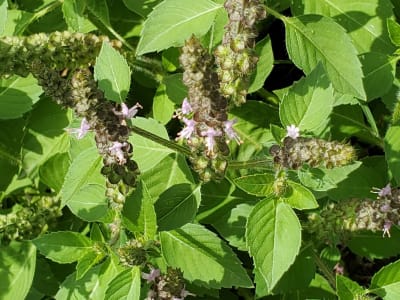
Real plants of this species grown and shared by the MyFloralVault community.

More in Immune Support







Was this helpful?
0 · 0
Care Guide Available
Learn how to grow and care for Black Cumin at home