Tulsi
Ocimum Tenuiflorum

Medicinal Facts
Ocimum tenuiflorum, commonly known as Tulsi or Holy Basil, is renowned for its adaptogenic properties, largely attributed to its unique blend of eugenol, ursolic acid, and rosmarinic acid. It stands at the intersection of Ayurvedic tradition, where it is revered as a 'Rasayana' for longevity and vitality, and modern pharmacological research, which investigates its roles in stress modulation and metabolic health. Tulsi's diverse phytochemical profile allows it to engage with multiple biological pathways, including NF-kB and COX-2 for inflammation, and HPA axis modulation for stress. Its versatility is further enhanced by its antimicrobial and antioxidant activities, making it a staple in both traditional and contemporary herbal medicine.
What it helps with
Stress & anxiety
Tulsi modulates the hypothalamic-pituitary-adrenal (HPA) axis, reducing cortisol levels and enhancing resilience to stress. Eugenol and rosmarinic acid contribute to this effect by interacting with the GABA-A receptor, promoting anxiolytic activity. Human trials have demonstrated reduced stress scores in participants consuming Tulsi extracts, highlighting its adaptogenic potential.
Inflammation & pain
Eugenol, a major compound in Tulsi, inhibits the NF-kB pathway and COX-2 enzyme, reducing the production of pro-inflammatory cytokines like TNF-a and IL-6. This action is supported by animal studies showing decreased inflammatory markers and pain perception, making Tulsi a candidate for managing inflammatory conditions.
Metabolic syndrome
Ursolic acid in Tulsi activates AMPK, enhancing insulin sensitivity and reducing hepatic glucose production. Studies in diabetic models suggest improved glycemic control and lipid profiles, while small human trials indicate potential benefits in metabolic syndrome management.
Respiratory health
Traditionally used for respiratory ailments, Tulsi's rosmarinic acid acts as a bronchodilator and anti-inflammatory agent, inhibiting leukotriene synthesis. Clinical observations in asthma patients suggest symptomatic relief, though more rigorous trials are needed.
Immune support
Tulsi enhances immune function by modulating cytokine production and increasing the activity of natural killer cells. Ursolic acid and rosmarinic acid contribute to this immunomodulatory effect, as evidenced by in vitro studies and traditional use in immune-compromised states.
Cognitive function
Rosmarinic acid in Tulsi inhibits acetylcholinesterase, potentially enhancing cognitive function and memory. Animal studies indicate neuroprotective effects, while human data are emerging on its role in cognitive enhancement and neurodegenerative disease adjuncts.
Longevity & cellular aging
Tulsi's ursolic acid and rosmarinic acid activate sirtuin pathways and enhance telomerase activity, which may contribute to cellular longevity. These effects are primarily observed in preclinical models, aligning with its traditional use as a 'Rasayana' in Ayurveda for promoting long life and vitality.
Key active compounds
Eugenol
A phenolic compound known for its anti-inflammatory and analgesic properties. It modulates the NF-kB pathway and COX-2 enzyme, contributing to Tulsi's pain-relieving effects. Eugenol also exhibits antimicrobial activity, enhancing Tulsi's role in infection management.
Ursolic acid
A triterpenoid that activates AMPK, improving metabolic health by enhancing insulin sensitivity and reducing fat accumulation. It also modulates sirtuin pathways, contributing to its potential anti-aging effects.
Rosmarinic acid
A polyphenol with antioxidant and anti-inflammatory properties. It inhibits leukotriene synthesis and acetylcholinesterase, supporting respiratory health and cognitive function.
Linalool
A terpene with sedative and anxiolytic effects, likely through modulation of the GABA-A receptor. It contributes to Tulsi's calming properties and is involved in its aromatic profile.
Apigenin
A flavonoid that exhibits anti-inflammatory and antioxidant activities. It modulates NF-kB and MAPK pathways, contributing to Tulsi's broad therapeutic potential.
Caryophyllene
A sesquiterpene that acts as a selective agonist of the CB2 receptor, providing anti-inflammatory and analgesic effects. It enhances the overall efficacy of Tulsi in managing pain and inflammation.
Beta-sitosterol
A phytosterol that supports cardiovascular health by inhibiting cholesterol absorption in the intestines. It also exhibits anti-inflammatory properties, complementing Tulsi's overall health benefits.
What the research says
Research on Tulsi primarily focuses on its adaptogenic and anti-inflammatory properties. Human trials have shown its efficacy in reducing stress and improving metabolic parameters, with eugenol and ursolic acid being the most studied compounds. Preclinical studies highlight its potential in cognitive enhancement and immune modulation, though human data are still developing. A major limitation is the variability in bioactive compound concentrations across different Tulsi preparations, which affects consistency in clinical outcomes. Standardization of extracts and further human trials are needed to fully validate its diverse therapeutic claims.
Typical dosage
For tea or infusion, use 1-2 teaspoons of dried Tulsi leaves per cup of boiling water, steep for 5-10 minutes, and consume up to three times daily. Tinctures can be taken at a dosage of 30-60 drops, 2-3 times per day. Capsules typically contain 400-500 mg of Tulsi extract, with a recommended dosage of 1-2 capsules daily. Essential oil should be used with caution and diluted before topical application or aromatherapy. Always consult with a healthcare provider for personalized dosage recommendations.
About Tulsi
Traditional Use
Preparations & Dosage
Preparations
- Tea / Infusion: Boil 1 cup of water and pour over 1-2 teaspoons of dried Tulsi leaves. Cover and steep for 5-10 minutes. Strain and enjoy warm. Add honey or lemon for flavor if desired.
- Tincture: Use a dropper to measure 30-60 drops of Tulsi tincture. Add to a small amount of water or juice and consume 2-3 times daily.
- Capsule: Take 1-2 capsules (400-500 mg each) with water, preferably with meals, up to twice daily.
- Essential Oil: Dilute 1-2 drops of Tulsi essential oil in a carrier oil (such as coconut or jojoba oil) before applying to the skin or using in aromatherapy.
Interactions & Warnings
Use with caution
Tulsi is generally considered safe for most people when used in moderate amounts. Pregnant or breastfeeding women should consult a healthcare provider before use. People with low blood sugar or those on diabetes medications should monitor their blood sugar levels closely, as Tulsi may lower blood sugar.
Herb Interactions
Both herbs have adaptogenic properties and may enhance each other's effects on stress and anxiety relief.
Community Plants
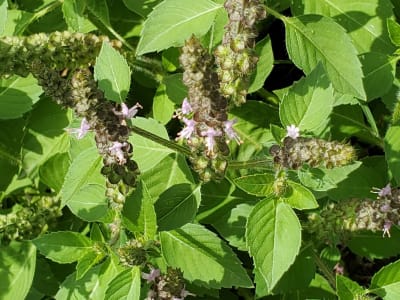
Real plants of this species grown and shared by the MyFloralVault community.
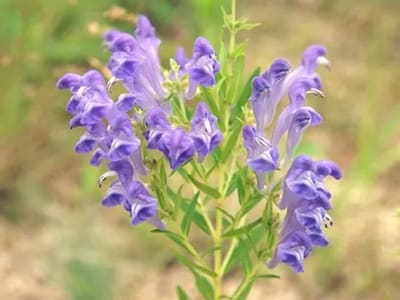
More in Immune Support




Was this helpful?
0 · 0
Care Guide Available
Learn how to grow and care for Tulsi at home