Huang Qi
Astragalus Membranaceus
Medicinal Facts
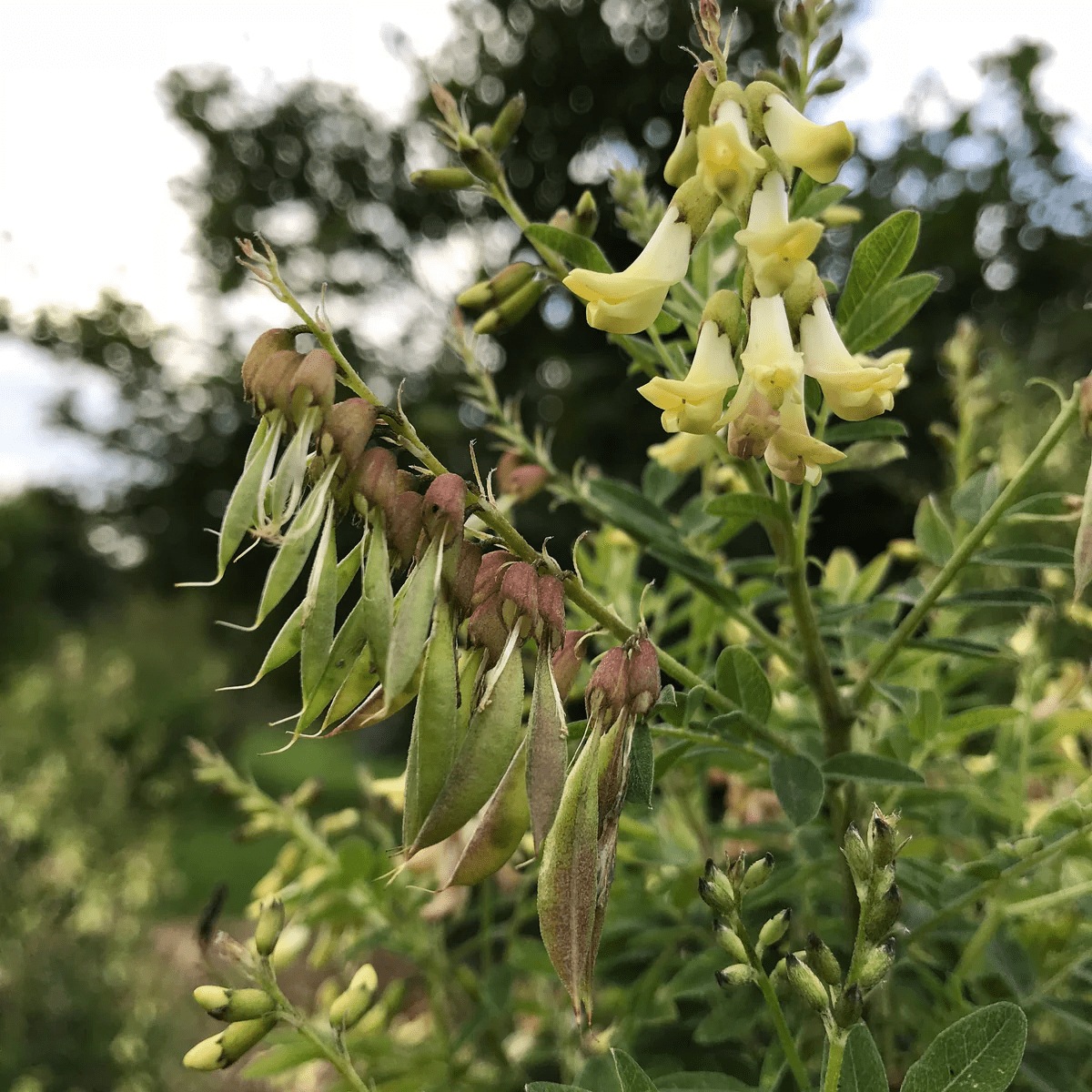
Astragalus membranaceus, commonly known as Huang Qi, is renowned for its polysaccharides and saponins, particularly astragalosides, which contribute to its immunomodulatory and adaptogenic properties. It sits at the intersection of Traditional Chinese Medicine, where it is used to tonify the qi and support the immune system, and modern research focused on its potential for telomerase activation and cardiovascular protection. Its diverse applications are underpinned by complex interactions with cellular signaling pathways, including NF-kB and AMPK.
What it helps with
Immune system modulation
Astragalus polysaccharides enhance immune function by activating macrophages, dendritic cells, and T lymphocytes through the NF-kB pathway, increasing the production of cytokines such as IL-1, IL-6, and TNF-a. Human trials suggest improved resistance to infections and reduced incidence of common colds, although results vary.
Longevity & cellular aging
Astragaloside IV is noted for activating telomerase (TERT), which may slow telomere shortening in human fibroblasts, a mechanism linked to cellular aging. This has been observed in vitro and forms the basis for its use in anti-aging protocols, though human evidence is still emerging.
Cardiovascular health
Astragalus may support cardiovascular function by upregulating endothelial nitric oxide synthase (eNOS), enhancing vasodilation and reducing blood pressure. Animal studies show improved cardiac output and reduced myocardial injury, with some small human trials indicating potential benefits for heart failure patients.
Chronic fatigue
Traditionally used to boost energy, astragalus is thought to enhance mitochondrial function and ATP production via AMPK activation. This mechanism is supported by animal studies, with anecdotal evidence from traditional use in humans.
Anti-inflammatory effects
Astragalosides modulate the inflammatory response by inhibiting the NF-kB pathway, leading to reduced production of pro-inflammatory cytokines. This action has been demonstrated in vitro and in animal models of inflammatory conditions.
Diabetes management
Astragalus may aid in glucose metabolism by enhancing insulin sensitivity through the PI3K/Akt signaling pathway. Animal studies show reduced blood glucose levels and improved lipid profiles, though human evidence is limited.
Kidney protection
Astragalus has nephroprotective properties, potentially reducing proteinuria and improving renal function by modulating oxidative stress pathways and enhancing antioxidant enzyme activities. Clinical trials in patients with chronic kidney disease show promising results, though more research is needed.
Key active compounds
Astragaloside IV
A triterpenoid saponin that activates telomerase and modulates the NF-kB pathway, contributing to its anti-aging and anti-inflammatory effects. It also enhances endothelial function through eNOS activation.
Astragalus polysaccharides
Complex carbohydrates that stimulate immune cells via the NF-kB pathway, enhancing cytokine production and overall immune response. They are key to the herb's adaptogenic properties.
Isoflavonoids
Compounds such as formononetin that exhibit antioxidant and estrogenic activity, potentially modulating hormone-related pathways and providing cardiovascular benefits.
Calycosin
An isoflavonoid with antioxidant properties that may protect against oxidative stress by modulating Nrf2 signaling, contributing to its cellular protective effects.
Choline
A nutrient involved in lipid metabolism and neurotransmitter synthesis, supporting cognitive function and liver health. It may synergize with astragalosides for enhanced effects.
Betaine
An osmolyte that supports cellular hydration and methylation processes, potentially enhancing liver function and protecting against homocysteine accumulation.
Formononetin
An isoflavone that acts as a phytoestrogen, potentially modulating estrogen receptor pathways and contributing to cardiovascular and bone health.
What the research says
Research on Astragalus membranaceus is robust in traditional contexts, with modern studies focusing on its immunomodulatory and anti-aging effects. Astragaloside IV and polysaccharides have the strongest preclinical evidence, particularly in immune and cardiovascular models. Human trials are more limited but suggest potential benefits in chronic fatigue and kidney protection. The main limitation is the bioavailability of astragalosides, which is often addressed through extraction techniques and formulation with other compounds to enhance absorption.
Typical dosage
For tea or infusion, use 3-6 grams of dried Astragalus root per cup of water, steeped for 15-20 minutes. For tinctures, a typical dose is 2-4 mL taken 2-3 times daily. Capsules and powders usually contain standardized extracts, with recommended doses ranging from 250-500 mg, taken 1-3 times per day. Always consult a healthcare provider for personalized dosing, especially if taking other medications.
About Huang Qi
Traditional Use
Preparations & Dosage
Preparations
- Tea / Infusion: Use 3-6 grams of dried Astragalus root per cup of boiling water. Steep for 15-20 minutes, strain, and enjoy. Sweeten with honey if desired.
- Tincture: Use a 1:5 ratio of dried Astragalus root to alcohol. Macerate for 4-6 weeks, shaking occasionally. Strain and store in a dark glass bottle.
- Capsule: Encapsulate standardized Astragalus extract in gelatin or vegetarian capsules. Follow manufacturer's instructions for dosage.
- Powder: Grind dried Astragalus root into a fine powder. Store in an airtight container. Add to smoothies or teas.
- Decoction: Boil 10-15 grams of dried Astragalus root in 1 liter of water for 30-45 minutes. Strain and drink.
Interactions & Warnings
Use with caution
Astragalus is generally safe for most people when used appropriately. However, it should be avoided by individuals with autoimmune diseases, as it may stimulate the immune system. Pregnant or breastfeeding women should consult a healthcare provider before use.
Herb Interactions
Both herbs may overstimulate the immune system when used together, potentially exacerbating autoimmune conditions.
Astragalus may counteract the effects of immunosuppressive drugs, reducing their efficacy.
Community Plants
Real plants of this species grown and shared by the MyFloralVault community.

More in Immune Support



Was this helpful?
0 · 0