Neem
Azadirachta Indica

Medicinal Facts
Neem, or Azadirachta indica, is renowned for its wide array of bioactive compounds, particularly azadirachtin, nimbin, and nimbolide. It stands at the intersection of traditional Ayurvedic medicine, where it is used for skin disorders, infections, and as a detoxifier, and modern pharmacological research, which explores its antimicrobial and anti-inflammatory properties. Its use spans centuries in traditional protocols while contemporary studies focus on its potential in modulating immune responses and inhibiting pathogenic microorganisms.
What it helps with
Skin disorders & wound healing
Nimbin and nimbolide exhibit anti-inflammatory and antimicrobial effects by inhibiting the NF-kB pathway and reducing the expression of pro-inflammatory cytokines such as TNF-a and IL-6. These compounds also promote collagen synthesis and enhance wound healing by modulating TGF-beta signaling. Evidence includes both traditional use and modern in vitro studies.
Antimicrobial activity
Azadirachtin disrupts microbial cell wall synthesis and inhibits the growth of bacteria and fungi by targeting specific enzymes involved in cell wall integrity. This compound is particularly effective against Staphylococcus aureus and Candida species, with evidence from both traditional use and contemporary in vitro assays.
Anti-inflammatory effects
Nimbolide and quercetin inhibit the COX-2 enzyme and modulate the NF-kB pathway, reducing inflammation and oxidative stress. These actions are supported by animal studies and align with traditional uses for inflammatory conditions.
Immune modulation
Neem extracts enhance macrophage phagocytic activity and modulate cytokine production, including IL-2 and IFN-gamma, through pathways involving NF-kB and MAPK. This immunomodulatory effect is documented in both traditional practices and animal models.
Liver protection
Nimbolide exhibits hepatoprotective properties by activating Nrf2, which upregulates antioxidant defenses like glutathione S-transferase. Animal studies demonstrate its potential in preventing liver damage induced by toxins.
Cancer-adjunct research
Nimbolide and azadirachtin induce apoptosis in cancer cells by activating caspase pathways and inhibiting angiogenesis via VEGF suppression. Preclinical studies show promise, although human trials are limited.
Diabetes management
Neem leaf extracts may lower blood glucose levels by enhancing insulin sensitivity and modulating glucose metabolism through the AMPK pathway. Evidence is primarily from animal studies, with traditional use supporting its role in managing blood sugar levels.
Oral health
Neem's antimicrobial properties, particularly from azadirachtin, help reduce dental plaque and gingivitis by inhibiting oral bacteria like Streptococcus mutans. Traditional use in oral hygiene is supported by in vitro studies.
Key active compounds
Azadirachtin
A limonoid with potent insecticidal and antimicrobial properties, it disrupts cell wall synthesis in microbes and inhibits insect growth. It is poorly soluble in water, which may limit its bioavailability.
Nimbin
A terpenoid responsible for anti-inflammatory and antimicrobial effects. It modulates NF-kB and COX-2 pathways, contributing to its efficacy in skin and inflammatory conditions.
Nimbolide
A limonoid with strong anticancer and anti-inflammatory actions. It induces apoptosis via caspase activation and modulates oxidative stress through Nrf2 activation.
Quercetin
A flavonoid with antioxidant and anti-inflammatory properties. It inhibits COX-2 and modulates NF-kB signaling, enhancing neem's overall anti-inflammatory profile.
Gedunin
A limonoid with antimalarial and anticancer properties. It inhibits Hsp90, a chaperone protein involved in cancer cell survival, and shows promise in preclinical models.
Sodium nimbinate
A compound with anti-inflammatory and antipyretic effects, it is believed to modulate prostaglandin synthesis, contributing to neem's traditional use in fever management.
Nimbidin
A complex mixture of terpenoids with antibacterial and anti-inflammatory properties. It inhibits the growth of various pathogens and reduces inflammation through COX-2 inhibition.
What the research says
Neem research is robust in antimicrobial and anti-inflammatory domains. Azadirachtin and nimbolide show strong preclinical evidence for antimicrobial and anticancer effects, with studies ranging from in vitro assays to animal models. Human trials are less common but suggest potential in skin and oral health. The primary limitation remains the bioavailability of neem's active compounds, particularly azadirachtin, which is addressed through formulation strategies such as emulsions and nanoencapsulation to enhance absorption and efficacy.
Typical dosage
For neem tea or infusion, use 1-2 teaspoons of dried neem leaves per cup of boiling water, steep for 5-10 minutes, and consume up to twice daily. Neem tincture can be taken at a dose of 2-3 ml up to three times daily. Neem capsules, typically containing 300-500 mg of neem leaf powder, can be taken 1-2 times daily. For topical applications, neem oil should be diluted with a carrier oil and applied to the affected area 1-2 times daily. Always start with the lowest dose to assess tolerance.
About Neem
Traditional Use
Preparations & Dosage
Preparations
- Tea / Infusion: Boil 1-2 teaspoons of dried neem leaves in a cup of water. Let it steep for 5-10 minutes, then strain and serve. Add honey or lemon for flavor if desired.
- Tincture: Use a dropper to measure 2-3 ml of neem tincture. Mix with water or juice and consume up to three times daily.
- Capsule: Take 1-2 capsules of neem leaf powder, typically 300-500 mg each, with water, once or twice daily.
- Oil: Dilute neem oil with a carrier oil (such as coconut or olive oil) in a 1:10 ratio. Apply to the affected skin area 1-2 times daily.
- Topical application: Apply neem paste or cream directly to the skin. Leave on for 15-20 minutes before rinsing off with warm water.
Interactions & Warnings
Use with caution
Neem should be used with caution, especially in children and pregnant or breastfeeding women, due to potential toxicity. High doses can cause liver damage, and prolonged use should be avoided. Individuals with autoimmune diseases should consult a healthcare provider before use, as neem may stimulate immune activity.
Herb Interactions
Both neem and turmeric have blood sugar-lowering effects, which could lead to hypoglycemia if used together excessively.
Neem and garlic both have immune-boosting and blood-thinning properties, which could enhance these effects when combined.
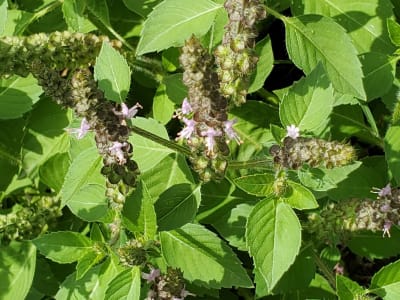
Community Plants
Real plants of this species grown and shared by the MyFloralVault community.

More in Immune Support






Was this helpful?
0 · 0
Care Guide Available
Learn how to grow and care for Neem at home