Baikal Skullcap
Scutellaria Baicalensis
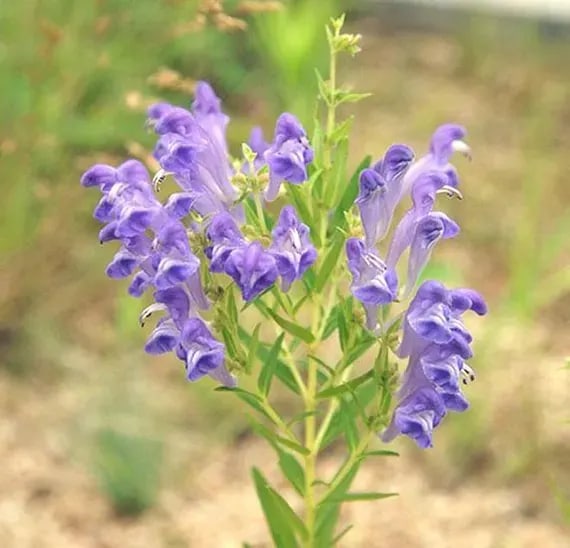
Medicinal Facts
Baikal Skullcap's therapeutic potential is largely attributed to its flavonoids, particularly baicalin, baicalein, and wogonin. This plant stands at the intersection of Traditional Chinese Medicine, where it is used for its anti-inflammatory and hepatoprotective properties, and modern pharmacological research exploring its neuroprotective and anticancer effects. Its flavonoids are known for their ability to modulate key signaling pathways such as NF-kB and MAPK, contributing to its broad spectrum of biological activities.
What it helps with
Inflammation & immune modulation
Baicalin and baicalein inhibit the NF-kB pathway, reducing the production of pro-inflammatory cytokines like TNF-a and IL-6. They also modulate the MAPK signaling pathway, which plays a crucial role in cellular responses to inflammation. Evidence from both in vitro and animal studies supports these mechanisms, suggesting potential in managing inflammatory conditions.
Neuroprotection & cognitive support
Baicalein has been shown to cross the blood-brain barrier and exert neuroprotective effects by inhibiting the NMDA receptor and modulating GABA-A receptor activity. It also reduces oxidative stress in neuronal cells by activating the Nrf2 pathway. Animal studies indicate potential benefits in neurodegenerative diseases, though human trials are limited.
Liver health & detoxification
Baicalin enhances liver function by upregulating phase II detoxification enzymes through the Nrf2 pathway. It also protects hepatocytes from oxidative damage and apoptosis, as demonstrated in animal models of liver injury. Traditional use aligns with these findings, supporting its role in liver health.
Cancer-adjunct research
Baicalein and wogonin have shown the ability to induce apoptosis in cancer cells by modulating the PI3K/Akt and MAPK pathways. They also inhibit angiogenesis and metastasis in various cancer models. While preclinical evidence is promising, human studies are still in early stages.
Cardiovascular health
Baicalin exerts cardioprotective effects by activating AMPK, which enhances endothelial function and reduces lipid accumulation. It also inhibits platelet aggregation and lowers blood pressure in animal models, suggesting potential benefits for cardiovascular health.
Anxiety & mood disorders
Wogonin acts as a partial agonist at the benzodiazepine site of the GABA-A receptor, providing anxiolytic effects without sedation. This mechanism has been validated in animal studies, supporting its traditional use for calming and anxiety relief.
Antiviral activity
Baicalin and baicalein demonstrate antiviral properties by inhibiting viral replication and entry. They modulate the host's immune response, enhancing the production of interferons. These effects have been observed in vitro against viruses such as influenza and hepatitis B.
Key active compounds
Baicalin
A flavone glycoside that inhibits NF-kB and MAPK pathways, reducing inflammation. It also enhances liver detoxification via Nrf2 activation. Its bioavailability is moderate, with potential enhancement through co-administration with other flavonoids.
Baicalein
The aglycone form of baicalin, known for crossing the blood-brain barrier and modulating NMDA and GABA-A receptors. It exhibits strong antioxidant activity by activating Nrf2, with implications for neuroprotection.
Wogonin
A flavonoid with anxiolytic properties through partial agonism at the GABA-A receptor. It also shows anticancer activity by modulating apoptosis pathways. Its bioavailability is limited, often requiring formulation strategies for enhancement.
Oroxylin A
A flavonoid that modulates dopamine levels and exhibits neuroprotective effects by inhibiting monoamine oxidase. It also contributes to the plant's anti-inflammatory profile.
Scutellarin
A flavone that supports cardiovascular health by enhancing endothelial nitric oxide production and reducing oxidative stress. It complements the actions of baicalin and baicalein.
Chrysin
A flavonoid with potential anxiolytic effects through modulation of the GABA-A receptor. It also exhibits anti-inflammatory properties by inhibiting COX-2 and NF-kB.
Apigenin
A flavonoid that exerts anti-inflammatory and anticancer effects by modulating NF-kB and inducing apoptosis. It enhances the overall therapeutic profile of Baikal Skullcap.
What the research says
Research on Baikal Skullcap is robust in preclinical models, particularly for its anti-inflammatory and neuroprotective effects. Baicalin and baicalein are the most studied compounds, with significant evidence from animal models demonstrating their ability to modulate key signaling pathways like NF-kB and MAPK. Human trials are less common but show promise, particularly in liver health and anxiety modulation. The primary limitation in clinical application is the bioavailability of its flavonoids, which is being addressed through advanced formulation techniques such as nanoparticle delivery and co-administration with bioenhancers like piperine.
Typical dosage
For tea/infusion, use 1-2 teaspoons of dried root per cup of boiling water, steep for 10-15 minutes, and consume up to three times daily. Tinctures can be taken at a dose of 20-30 drops in water or juice, up to three times daily. Capsules typically contain 500 mg of standardized extract, with a recommended dose of 1-2 capsules up to three times daily. For powders, 1-2 grams can be mixed with water or juice, taken up to twice daily. Decoctions involve simmering 5-10 grams of root in water for 20-30 minutes, consumed up to twice daily.
About Baikal Skullcap
Traditional Use
Preparations & Dosage
Preparations
- Tea / Infusion: Use 1-2 teaspoons of dried Scutellaria baicalensis root per cup of boiling water. Steep for 10-15 minutes, strain, and serve. Add honey or lemon for taste if desired.
- Tincture: Use a dropper to measure 20-30 drops of Scutellaria baicalensis tincture. Mix with a small amount of water or juice and consume up to three times daily.
- Capsule: Take 1-2 capsules of standardized Scutellaria baicalensis extract (500 mg each) with water, up to three times daily.
- Powder: Mix 1-2 grams of Scutellaria baicalensis powder with water, juice, or a smoothie. Consume up to twice daily.
- Decoction: Simmer 5-10 grams of Scutellaria baicalensis root in 2 cups of water for 20-30 minutes. Strain and drink warm.
Interactions & Warnings
Use with caution
Scutellaria baicalensis should be used with caution in individuals with liver disorders or those taking medications metabolized by the liver. Pregnant or breastfeeding women should avoid its use unless under professional guidance. It may interact with blood-thinning medications and sedatives.
Herb Interactions
Combined sedative effects may enhance drowsiness.
Potential additive effects on blood thinning.
Community Plants
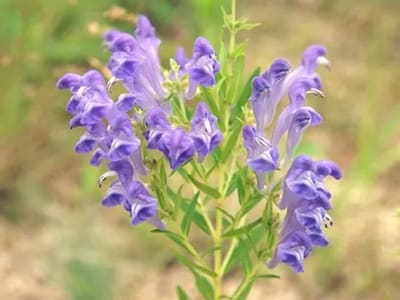
Real plants of this species grown and shared by the MyFloralVault community.
More in Immune Support




Was this helpful?
0 · 0