Baikal skullcap
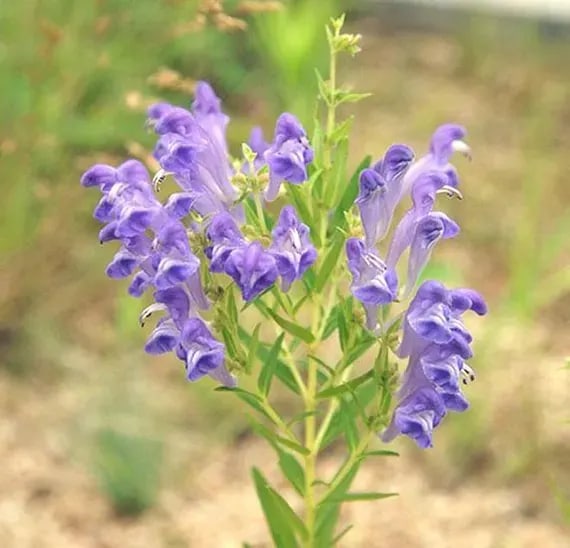
Description by @jominime
used traditionally to clear heat, dry dampness, stop bleeding, and calm restlessness.
the root contains a rich and well-characterized flavonoid array: baicalin (the primary compound and pharmacopeial marker), baicalein (its aglycone), wogonin, wogonoside, oroxylin A, scutellarein, norwogonin, neobaicalein, and skullcapflavones I and II.
skin lightening.
wogonin and its glycoside wogonoside inhibit melanogenesis through two independent routes: tyrosinase-related protein suppression and direct inhibition of intracellular melanosome transport. stopping melanosomes from moving through the melanocyte to reach the skin surface means even melanin that gets produced doesn't cause pigmentation.
wogonin and wogonoside are both bioavailable orally, but it's well documented to work topically, much better.
baicalin works through Akt pathway activation, which drives downstream downregulation of MITF (microphthalmia-associated transcription factor) and tyrosinase protein expression. MITF is the master transcription factor controlling the entire melanogenesis gene program — suppressing it shuts off melanin production upstream of tyrosinase itself. baicalein takes a parallel route through ERK pathway activation, achieving MITF protein downregulation without affecting MITF mRNA — a post-transcriptional suppression mechanism. scutellarein reduces cellular tyrosinase activity dose-dependently without generating free hydroxyl radicals, avoiding the leukoderma risk that caused the recall of rhododendrol in Japanese cosmetics.
baicalin, baicalein, wogonin, and wogonoside hit hepatic, gastrointestinal, pulmonary, breast, prostate, renal, bladder, skin, and colorectal cancer cell lines.
mechanisms: cellular apoptosis, suppression of metastasis, p53 pathway involvement, COX-2 inhibition, NF-κB suppression, and cell cycle arrest.
the anti-inflammatory mechanism goes through COX-2 gene expression inhibition and arachidonic acid metabolite suppression — the same upstream target as NSAIDs, but through gene regulation rather than enzyme inhibition.
baicalein and baicalin confirmed active against multiple viruses. specific documented activity: influenza A and B, SARS-CoV-2 (3CLpro inhibition), HIV, hepatitis viruses, and herpes simplex.
baicalin inhibits aldose reductase — the enzyme that converts excess glucose to sorbitol in the lens and retina, driving diabetic cataract and retinopathy.
wogonin prevents hippocampal neurodegeneration and cognitive deficits in temporal lobe epilepsy models. baicalein neuroprotective in Parkinson's and Alzheimer's contexts. the calming/anxiolytic traditional use maps onto GABA-A receptor positive modulation documented for the flavonoid fraction.
make sure it's chinese skullcap and not american skullcap. rare hepatotoxicity cases reported in Western users taking encapsulated Chinese skullcap supplements — the contamination concern is that Chinese skullcap (S. baicalensis) products are sometimes adulterated or substituted with American skullcap (S. lateriflora) or germander (Teucrium spp.), which contains pyrrolizidine alkaloids with known hepatotoxicity.
Related Plants
Plant information is for educational purposes only.