Sweet Annie
Artemisia Annua
Medicinal Facts
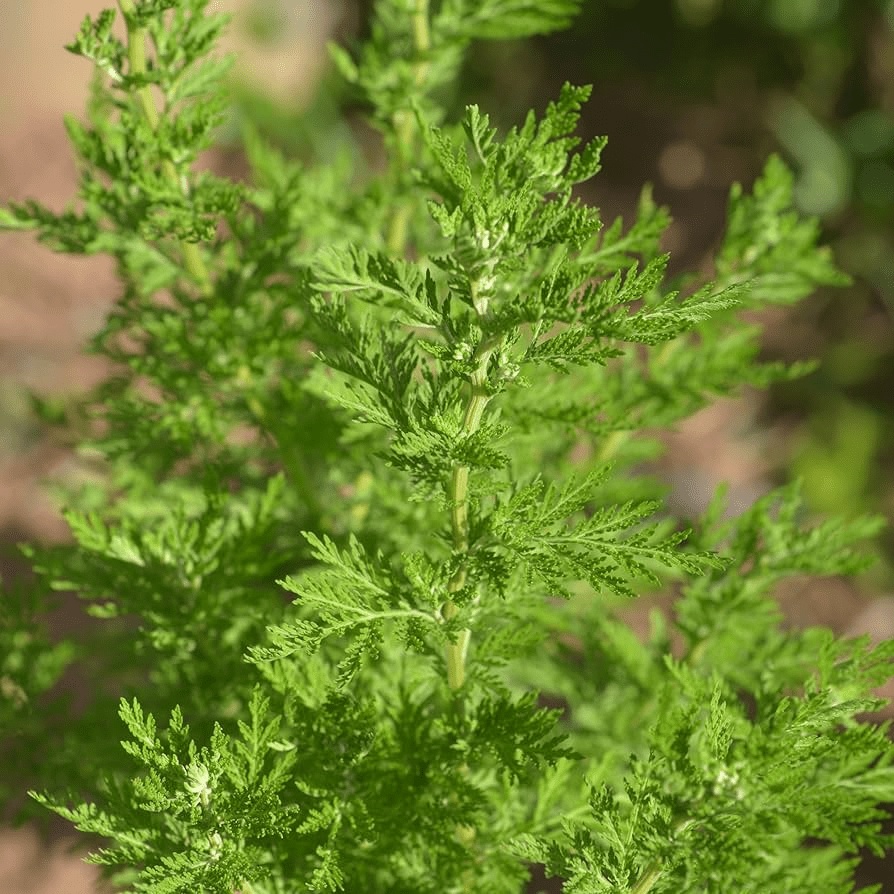
Artemisia annua, commonly known as Sweet Annie, is renowned for its sesquiterpene lactone artemisinin, a compound pivotal in antimalarial therapy. It sits at the intersection of traditional Chinese medicine, where it has been used for centuries to treat fevers, and modern pharmacological research focused on its antimalarial and potential anticancer properties. Artemisinin's discovery revolutionized malaria treatment, showcasing the plant's profound impact on global health. However, its bioavailability and the need for combination therapies to prevent resistance remain central challenges.
What it helps with
Malaria
Artemisinin exerts its antimalarial effects by generating reactive oxygen species (ROS) and damaging the Plasmodium parasite's proteins and membranes. It specifically targets the parasite's endoperoxide bridge, leading to oxidative stress and cell death. Human trials have established its efficacy, especially in artemisinin-based combination therapies (ACTs), which are the gold standard for treating Plasmodium falciparum malaria.
Cancer
Research suggests artemisinin may induce apoptosis in cancer cells through the modulation of the NF-kB pathway and the production of ROS. It is thought to preferentially target cancer cells due to their higher iron content, which catalyzes artemisinin's activation. Most evidence is preclinical, with some promising in vitro and animal studies, but human trials are limited.
Inflammation
Artemisinin and its derivatives may reduce inflammation by inhibiting the NF-kB pathway and reducing pro-inflammatory cytokines like TNF-a and IL-6. Animal studies indicate potential benefits in inflammatory conditions, but human data are sparse.
Autoimmune diseases
Through modulation of the immune response, artemisinin may influence autoimmune pathways by reducing the activity of T-helper 17 (Th17) cells and promoting regulatory T cells (Tregs). This mechanism has been observed in animal models of autoimmune diseases, suggesting a potential therapeutic role.
Viral infections
Artemisinin has shown antiviral activity in vitro against several viruses, including hepatitis B and C, by interfering with viral replication and modulating host immune responses. These findings are primarily preclinical, with limited translation to human studies.
Gastrointestinal disorders
Traditionally used for digestive issues, artemisinin may support gut health through its antimicrobial properties and modulation of gut microbiota. It has been studied in animal models for its effects on conditions like dysbiosis and inflammatory bowel disease.
Liver health
Artemisinin may protect hepatocytes by reducing oxidative stress and modulating liver enzyme activity, as evidenced in animal models of liver injury. It is traditionally used in herbal medicine for liver support, though clinical evidence remains limited.
Key active compounds
Artemisinin
A sesquiterpene lactone responsible for the plant's antimalarial activity. It forms free radicals in the presence of iron, damaging the parasite's proteins and membranes. It has poor oral bioavailability, necessitating formulation strategies for effective use.
Artemisinic acid
A precursor to artemisinin, it is involved in the biosynthetic pathway and can be chemically converted to artemisinin. It also exhibits some antimalarial activity on its own.
Dihydroartemisinin
A derivative of artemisinin with improved solubility and potency. It is used in combination therapies to enhance efficacy against malaria.
Artesunate
A water-soluble derivative of artemisinin used intravenously for severe malaria. It rapidly converts to dihydroartemisinin in the body, providing a quick therapeutic effect.
Artemether
A lipid-soluble artemisinin derivative, often used in oral or injectable forms for malaria treatment. It has a rapid onset of action and is part of several combination therapies.
Scopoletin
A coumarin compound with potential anti-inflammatory and antioxidant properties. It contributes to the plant's traditional use in treating various ailments.
Chrysosplenol D
A flavonoid with potential anticancer and anti-inflammatory activities. It may enhance the overall therapeutic profile of Artemisia annua.
What the research says
Research on Artemisia annua is heavily focused on its antimalarial properties, with artemisinin and its derivatives being the subject of extensive human trials. These studies have confirmed their efficacy, particularly in combination therapies, which are crucial for preventing resistance. In cancer research, artemisinin's ability to induce apoptosis and its preferential targeting of cancer cells due to high iron levels have been explored primarily in preclinical settings, with some early-phase clinical trials underway. The main limitation of artemisinin is its poor bioavailability, which has led to the development of various derivatives and formulation strategies, such as liposomal and nanoparticle delivery systems, to enhance its therapeutic potential.
Typical dosage
For tea or infusion, use 1-2 teaspoons of dried leaves per cup of boiling water, steep for 10-15 minutes, and consume up to three times daily. Tinctures can be taken at a dose of 1-2 ml, three times daily. Capsules typically contain 200-400 mg of standardized extract, taken once or twice daily. Essential oils should be used with caution and diluted appropriately for topical use only.
About Sweet Annie
Traditional Use
Preparations & Dosage
Preparations
- Tea / Infusion: Use 1-2 teaspoons of dried Artemisia annua leaves per cup of boiling water. Steep for 10-15 minutes, strain, and drink. Add honey or lemon for taste if desired.
- Tincture: Use a dropper to measure 1-2 ml of tincture. Mix with a small amount of water or juice and consume. Can be taken up to three times daily.
- Capsule: Take 200-400 mg of standardized Artemisia annua extract in capsule form, once or twice daily with meals.
Interactions & Warnings
Use with caution
Artemisia annua should be used with caution, especially in pregnant or breastfeeding women, due to potential toxicity. It may interact with medications metabolized by the liver and should be avoided in individuals with liver conditions.
Herb Interactions
May alter the metabolism of artemisinin, potentially reducing its effectiveness.
Community Plants
Real plants of this species grown and shared by the MyFloralVault community.

More in Immune Support





Was this helpful?
0 · 0
Care Guide Available
Learn how to grow and care for Sweet Annie at home